
Knee pain can make simple activities like walking, climbing stairs, standing, or exercising feel difficult. At Joint Health Solutions, we provide knee injections for Mount Holly patients who want targeted, non-surgical relief from arthritis, inflammation, stiffness, and joint discomfort.
Our goal is to help reduce pain, improve mobility, and support better knee function without immediately turning to surgery.
Medically reviewed by: Dr. Jeffrey Galvin & Ariel Curtis, FNP-C
Knee injections are designed to deliver treatment directly into or around the painful knee area. For many patients in Mount Holly, NC, this approach may help manage pain, reduce inflammation, and improve daily movement.

Medication or treatment solution is placed directly into the affected knee joint or surrounding area for targeted relief.

Some injection options may help reduce inflammation and discomfort within a short period, depending on the condition.

Knee injections are performed in-office and do not require surgery, hospital stays, or lengthy downtime.

For some patients, injections may help manage symptoms and delay the need for more invasive procedures.
At Joint Health Solutions, we offer different knee injection options for Mount Holly patients based on their diagnosis, symptoms, and treatment goals.

Corticosteroid injections are commonly used to reduce inflammation and provide relief from knee pain caused by arthritis, swelling, or irritation. These injections may be helpful for patients experiencing flare-ups or increased pain with movement.
May help with:

Hyaluronic acid injections, also known as viscosupplementation, are often used for knee osteoarthritis. This treatment helps improve lubrication inside the knee joint, which may reduce friction and support smoother movement.
May help with:

PRP injections use a concentrated portion of your own blood platelets to support the body’s natural healing response. This may be considered for certain knee pain conditions, early arthritis, or soft tissue-related knee discomfort.
May help with:
Genicular nerve treatments target the sensory nerves around the knee that contribute to chronic pain. A genicular nerve block may help identify pain sources, while radiofrequency ablation may provide longer-lasting pain relief for qualifying patients.
May help with:
Precision is important when treating knee pain. Image-guided knee injections help ensure the treatment is delivered to the correct location, which may improve accuracy, comfort, and results.
At Joint Health Solutions, our providers may use imaging when appropriate to guide the injection and better target the affected knee area.
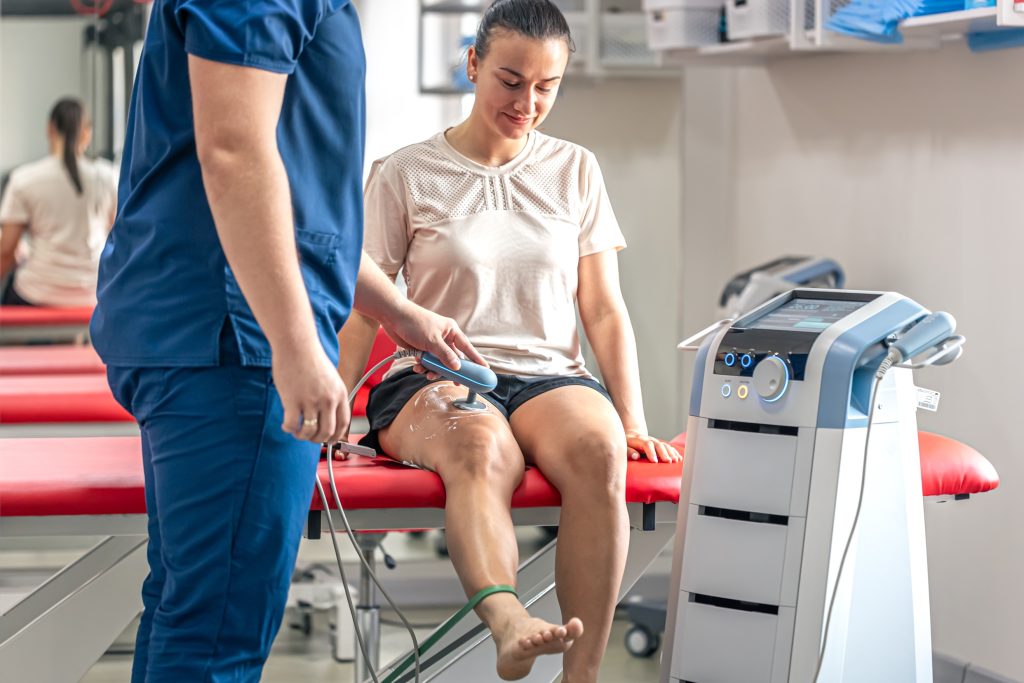
Knee injections are usually quick, in-office procedures. Most patients can return home shortly after treatment with simple aftercare instructions.

Your provider will review your symptoms, medical history, physical exam findings, and any available imaging to determine which knee injection option may be appropriate.
The knee area is cleaned and prepared. Your provider will explain the process and help you feel comfortable before the injection begins.
When needed, imaging may be used to guide the injection into the proper knee joint or treatment area for improved precision.
After the injection, you may receive instructions such as avoiding strenuous activity for a short time and monitoring how your knee responds.
Knee injections are generally well tolerated, but like any medical procedure, they may involve some temporary side effects or risks.
Your provider will discuss the benefits, risks, and expected results before treatment so you can make an informed decision.
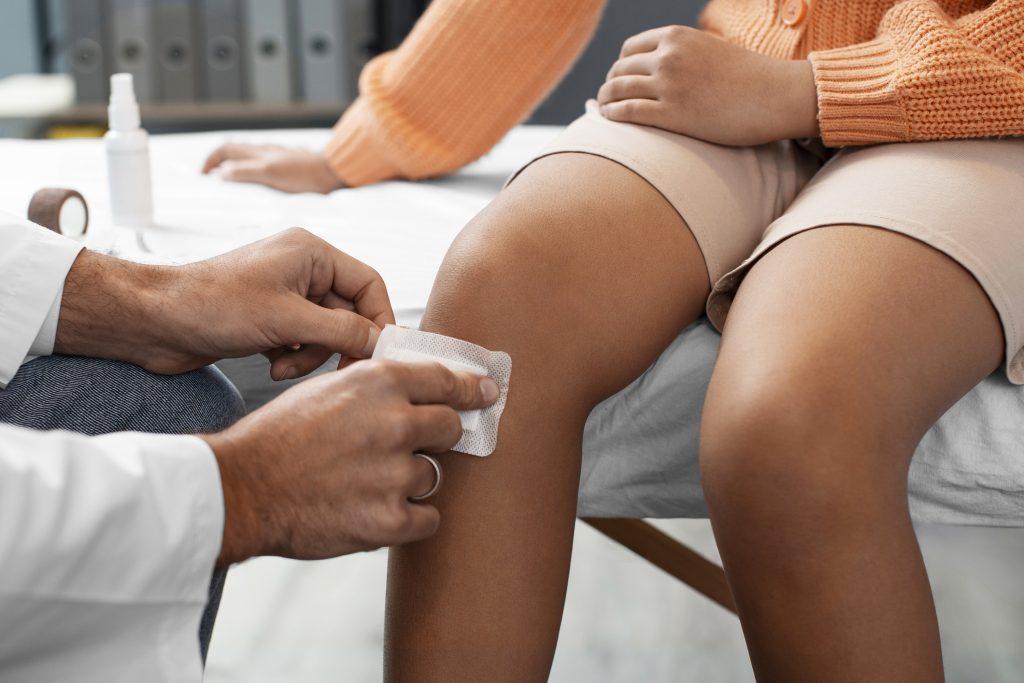
The length of relief depends on the type of injection, the severity of your knee condition, and how your body responds.
| Injection Type | Typical Duration |
|---|---|
| Corticosteroid Injection | May provide relief for weeks to months |
| Hyaluronic Acid Injection | May provide relief for several months |
| PRP Injection | Results may develop gradually over time |
| Genicular Nerve Treatment | May offer longer-lasting relief for qualifying patients |
Some patients feel improvement quickly, while others may need a series of treatments or a broader knee pain care plan.
Joint Health Solutions provides non-surgical knee pain care for patients in Mount Holly, NC and nearby areas. Our team focuses on identifying the source of your pain and recommending treatment options that match your condition, lifestyle, and mobility goals.
Expert Precision
Our providers focus on accurate diagnosis and careful injection techniques to help target the source of knee pain.
Non-Surgical Care
We offer treatment options designed to reduce pain and improve function without immediately relying on surgery.
Comprehensive Review
Your treatment plan is based on your symptoms, exam findings, medical history, and available imaging.
Personalized Care
Every patient’s knee pain is different, so we recommend injection options based on your specific needs and goals.
Coordinated Follow-Up
We help monitor your progress and adjust your care plan when needed for better long-term support.
Most patients feel a brief pinch or pressure during the injection. The procedure is typically well tolerated. If needed, we can use local anesthetic to numb the area. After the injection, some patients experience mild soreness for a day or two.
Corticosteroids often begin working within 24–72 hours, though full effect may take up to a week. Hyaluronic acid may take 2–4 weeks. PRP often causes initial soreness followed by gradual improvement over several weeks to months.
It depends on the type of injection and your condition. Corticosteroids are often used as needed for flare-ups. Hyaluronic acid is usually a series of 1–3 injections. PRP therapy typically involve 1–3 treatments, often spaced several weeks apart.
Corticosteroid and hyaluronic acid injections are often covered by insurance for knee osteoarthritis. PRP therapy are typically considered elective and are not covered. We provide transparent pricing and can discuss financing options
For corticosteroid injections, we usually recommend resting the knee for 24–48 hours. For PRP therapy, we may advise avoiding anti-inflammatory medications and limiting strenuous activity for a short period. You will receive specific post-injection instructions.
https://www.jointhealthsolutions.com/cortisone-injections/To minimize the risk of cartilage damage, we typically limit corticosteroid injections to 3–4 times per year in the same knee. The goal is to use them strategically for flare-ups while building a long-term plan with physical therapy and other modalities.
It depends on the situation. Cortisone provides rapid relief of acute inflammation and is excellent for flare-ups. PRP works more slowly but may offer longer-lasting improvement by addressing the underlying inflammatory process and promoting tissue repair. Sometimes we combine both strategically.
It depends on the type of blood thinner and the risk of bleeding. Some patients may need to temporarily hold their medication with approval from their prescribing physician, while others may be candidates for injection with special precautions. We review each case individually.
Ultrasound is the primary guidance for knee injections because it visualizes soft tissues, fluid, and the joint capsule in real time. Fluoroscopy is rarely needed for the knee but may be used in complex cases or when ultrasound is not optimal.
You may be a candidate for a knee injection if you have persistent knee pain that limits walking, stairs, or daily activities, oral medications provide inadequate relief or cause side effects, you are experiencing an acute flare-up of arthritis or bursitis, you want to avoid or delay knee replacement surgery, or you need pain relief to participate more effectively in physical therapy.
If knee pain is limiting your movement, daily routine, or quality of life, Joint Health Solutions can help you explore non-surgical treatment options. Schedule an appointment to find out whether knee injections are right for you.