
Osteoarthritis (OA) is the most common form of arthritis, affecting millions of people and causing pain, stiffness, and reduced mobility. While OA is often associated with aging, it can also result from previous injuries, repetitive stress, or genetic factors. At Joint Health Solutions in Charlotte, we specialize in non-surgical osteoarthritis treatment that helps patients avoid or delay joint replacement while improving their quality of life.
Our team—led by Dr. Jeffrey Galvin and Ariel Curtis, FNP-C—provides a comprehensive, personalized approach that combines clinical evaluation, physical therapy, image-guided injections, and regenerative medicine such as PRP. We focus on reducing pain, restoring function, and empowering you to stay active.
Medically reviewed by: Dr. Jeffrey Galvin & Ariel Curtis, FNP-C
Joint Pain or Stiffness Slowing You Down?
Osteoarthritis is a degenerative joint disease characterized by the progressive breakdown of articular cartilage—the smooth, rubbery tissue that cushions the ends of bones. As cartilage wears away, bones may rub against each other, causing pain, swelling, stiffness, and loss of motion. Unlike inflammatory arthritis such as rheumatoid arthritis, osteoarthritis is primarily mechanical in nature, though inflammation plays a significant role.
Osteoarthritis can affect any joint but most commonly occurs in the knees and shoulders. It is often described as wear-and-tear arthritis, but it is actually a complex condition involving cartilage degradation, bone changes, inflammation of the joint lining, and weakening of surrounding muscles.
| Joint | Common Symptoms |
|---|---|
| Knee | Pain with walking, climbing stairs; stiffness after sitting; swelling; instabilit |
| Shoulder | Pain with overhead motion; night pain; reduced range of motio |
Symptoms vary depending on the joint and severity but commonly include:

Often worsens with activity and improves with rest; may become constant in advanced stages.

Typically lasts less than 30 minutes in the morning or after inactivity, also called the gelling phenomenon.

Intermittent or persistent joint effusion.
Grinding, cracking, or popping sensation with movement.

Difficulty performing daily activities.

The joint may feel weak or give way, especially in the knee.
Are These Symptoms Affecting Your Daily Life?
Persistent joint pain, stiffness, swelling, or limited movement may be signs that it is time for a professional evaluation.

Onset, location, aggravating and relieving factors, prior injuries, and family history.

Assessment of range of motion, swelling, tenderness, stability, strength, and gait.

X-rays to evaluate joint space narrowing, osteophytes, and alignment. Musculoskeletal ultrasound to assess soft-tissue inflammation, effusion, and guide injections. MRI when detailed evaluation of cartilage, menisci, or ligaments is needed.
Find Out What’s Happening Inside Your Joint
A detailed evaluation can help determine the severity of your osteoarthritis and guide the next appropriate steps for treatment.
Our philosophy is to use the least invasive, most effective treatments to manage osteoarthritis. We combine multiple modalities to achieve optimal results.

Physical therapy is a cornerstone of osteoarthritis management. A skilled physical therapist will:

Switching from high-impact activities such as running and jumping to low-impact alternatives such as swimming, cycling, and walking preserves joint health while maintaining fitness. Activity modification does not mean inactivity—it means smarter movement.
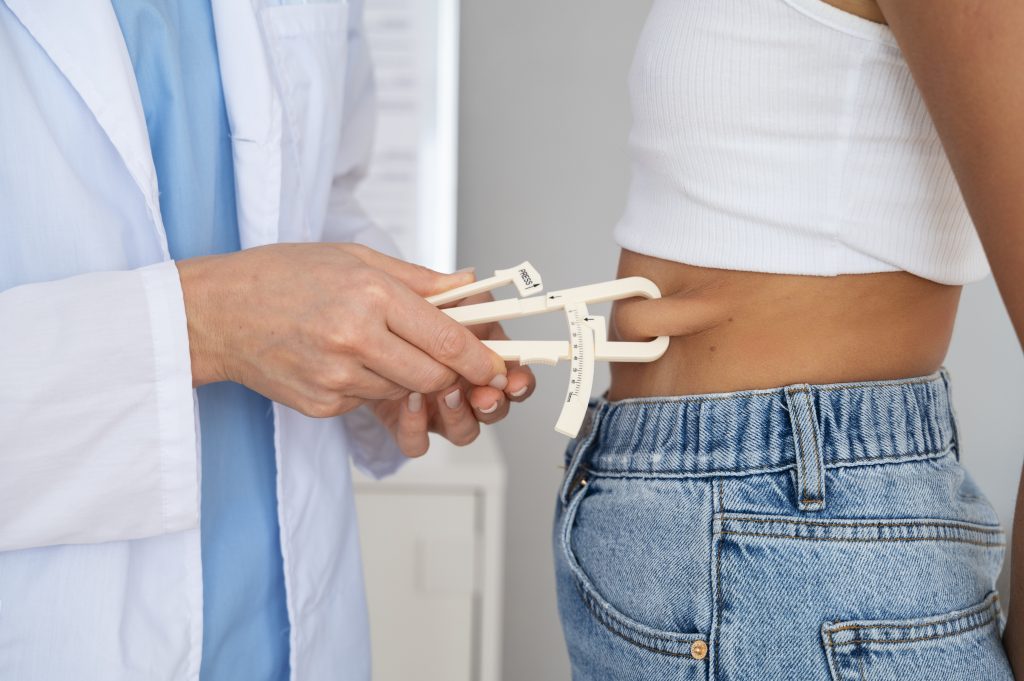
For knee and shoulder osteoarthritis, a 5–10% reduction in body weight can significantly decrease pain and improve function. Every extra pound adds approximately 4 pounds of pressure across the knee during walking.


Looking for Options Before Surgery?
Treatment may include physical therapy, activity modification, bracing, medications, injections, or other approaches depending on your condition and goals.
At Joint Health Solutions, all injections are performed under ultrasound or fluoroscopic guidance to ensure precision, safety, and optimal outcomes.
| Injection Type | Mechanism | Best For | Typical Duration |
|---|---|---|---|
| Corticosteroids | Potent anti-inflammatory | Acute flare-ups and moderate to severe inflammation | Weeks to months |
| Hyaluronic Acid (Viscosupplementation) | Replaces lubricating joint fluid and improves shock absorption | Mild to moderate knee osteoarthritis | 6–12 months |
| Platelet-Rich Plasma (PRP) | Concentrated growth factors to reduce inflammation and support tissue repair | Mild to moderate osteoarthritis in the knee, shoulder and tendinopathy | 6–12+ months |
Looking for Options Before Surgery?
Treatment may include physical therapy, activity modification, bracing, medications, injections, or other approaches depending on your condition and goals.

Derived from your own blood, PRP contains growth factors that may reduce pain and improve function in osteoarthritis. It is often used for knee and shoulder arthritis.
These treatments are not guaranteed to reverse osteoarthritis, but they can provide meaningful relief and help delay joint replacement. Candidacy is determined on a case-by-case basis.


When surgery becomes necessary, we coordinate with leading orthopedic surgeons in Charlotte to ensure seamless care. Many patients who undergo non-surgical management before surgery experience better postoperative outcomes.

Non-Surgical Specialists
Dr. Jeffrey Galvin and Ariel Curtis, FNP-C, have extensive experience in conservative and interventional osteoarthritis management.

Precision Clinical Evaluation
We use advanced imaging such as X-ray and ultrasound to accurately assess your condition.

Image-Guided Injections
All injections are performed with imaging guidance for accuracy and safety.

Comprehensive Approach
We combine physical therapy, lifestyle modification, injections, and regenerative medicine.

Personalized Care
Your treatment plan is tailored to your specific joint, severity, goals, and lifestyle.

Local Convenience
Serving Charlotte, Huntersville, Concord, Matthews, and surrounding communities.
Looking for Options Before Surgery?
Treatment may include physical therapy, activity modification, bracing, medications, injections, or other approaches depending on your condition and goals.
There is no single “best” treatment. Optimal care is personalized and often combines non-pharmacologic approaches (physical therapy, weight loss, activity modification) with interventional options (injections, regenerative medicine). The right plan depends on the joint involved, severity, and patient goals.
No, osteoarthritis cannot be reversed. However, with appropriate treatment—including physical therapy, weight management, injections, and regenerative medicine—pain can be controlled, function improved, and progression slowed. Many patients maintain active lifestyles for years without surgery.
PRP has shown promising results for mild to moderate osteoarthritis, particularly in the knee and shoulder. It works by delivering concentrated growth factors that reduce inflammation and may support joint health. Results vary, and a thorough evaluation is needed to determine candidacy.
Typically, 1–3 injections spaced several weeks apart are recommended. Some patients respond well to a single treatment; others benefit from a series. Your provider will develop a personalized plan based on your condition and response.
Corticosteroid injections are generally safe when used appropriately. They provide rapid relief for acute flare-ups but should not be repeated frequently, usually no more than 3–4 times per year in a given joint, to avoid potential cartilage damage.
Yes. Physical therapy is one of the most effective non-surgical treatments for osteoarthritis. Strengthening muscles around the joint reduces load on arthritic surfaces, improves stability, and decreases pain. It can delay or even eliminate the need for surgery.
Corticosteroid and hyaluronic acid injections are often covered by insurance. PRP therapy are typically not covered, as they are considered elective regenerative procedures. We offer transparent pricing and financing options.
Many patients delay joint replacement for years—or avoid it altogether—with a combination of lifestyle modifications, physical therapy, and periodic injections. The duration depends on the severity of osteoarthritis, the joint involved, and how well you respond to treatment.
You should seek evaluation if joint pain persists for more than a few weeks, symptoms interfere with daily activities, work, or sleep, you have recurrent swelling or stiffness, over-the-counter treatments are no longer effective, or you want to explore non-surgical options before considering surgery.
If you are looking for non-surgical osteoarthritis treatment in Charlotte, schedule an evaluation today. We will help you find the right path to pain relief and improved mobility.
 English
  Spanish