
For patients with knee osteoarthritis, particularly when arthritis affects one side of the knee more than the other, an offloading knee brace, also called an unloader brace, can be a game-changer. By shifting weight away from the damaged cartilage, these braces reduce pain, improve stability, and allow patients to remain active while potentially delaying or avoiding knee replacement surgery.
Medically reviewed by: Dr. Jeffrey Galvin & Ariel Curtis, FNP-C
Could an Offloading Knee Brace Help Support Your Knee?
Talk with our Charlotte team about your knee osteoarthritis symptoms, alignment, activity limitations, and treatment history to find out whether an offloading brace may be appropriate.
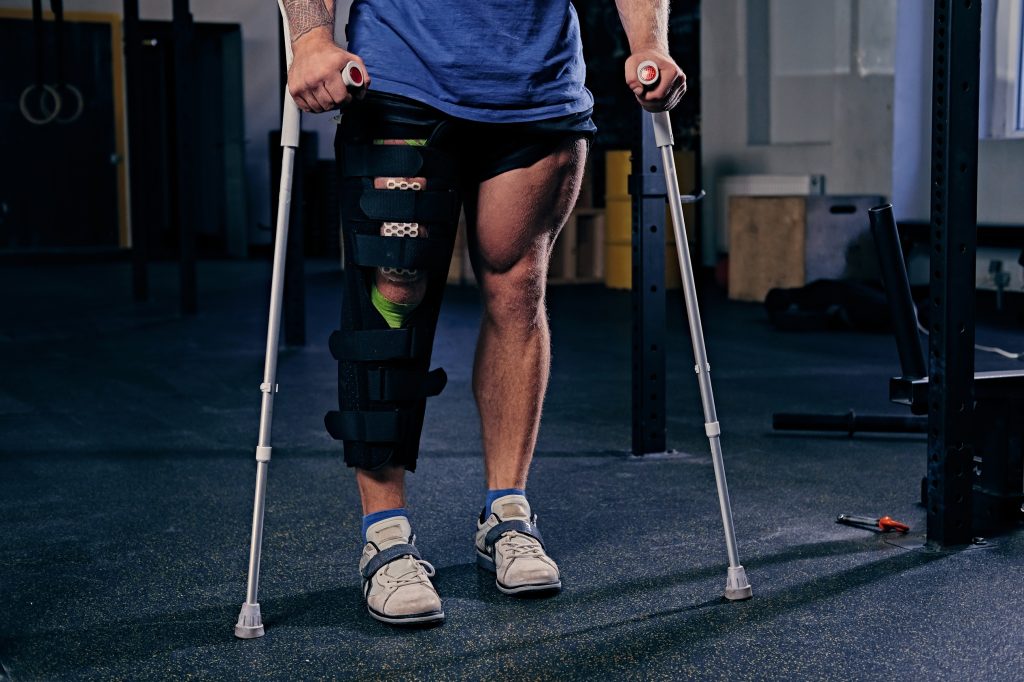
An offloading knee brace, commonly called an unloader brace, is a custom-fitted external support designed to reduce the load on the arthritic compartment of the knee. The knee has three compartments: medial, lateral, and patellofemoral. Osteoarthritis often affects one compartment more severely, leading to pain, swelling, and progressive deformity such as bowleg alignment from medial compartment arthritis.
The brace works by applying a three-point pressure system that gently pushes the knee away from the affected side, creating a slight opening of the joint space on the arthritic side. This unloads the damaged cartilage, transferring force to the healthier side of the knee and to the brace itself.
The biomechanics of an offloading brace are based on a three-point pressure system:

The brace applies force on the lateral side of the knee, creating a valgus moment that shifts weight away from the medial compartment.

The brace applies force on the medial side, creating a varus moment that shifts weight away from the lateral compartment.

Ideal candidates typically have:
Unicompartmental knee osteoarthritis, with arthritis mainly in one compartment
Mild to moderate varus or valgus deformity
Pain with weight-bearing activities such as walking, standing, or stairs
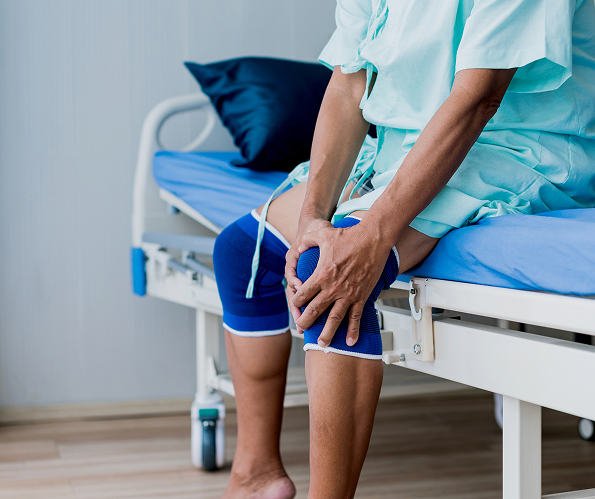
A desire to delay or avoid knee replacement surgery
Good skin integrity in areas where the brace contacts the leg
The ability to put on and remove the brace, or available assistance if needed
Candidates are evaluated with physical examination and imaging, typically X-rays, to confirm the pattern of arthritis and whether bracing is appropriate.
Not Sure If an Offloading Brace Fits Your Knee Condition?
Offloading braces are designed for selected patients whose knee arthritis affects a particular compartment of the joint. A clinical evaluation can help determine whether this type of brace matches your symptoms, alignment, and activity needs.
| Type | Description |
|---|---|
| Custom-fabricated | Made from patient measurements or a cast of the limb. Provides the best fit and most precise offloading. Recommended for most patients. |
| Off-the-shelf or prefabricated | Available in standard sizes and may be adjustable. Less expensive but may not fit as precisely. Suitable for some patients with straightforward anatomy. |
| Medial unloader | For medial compartment arthritis. Shifts load toward the lateral side. |
| Lateral unloader | For lateral compartment arthritis. Shifts load toward the medial side. |
| Patellofemoral unloader | Specialized brace that offloads the kneecap. Used less commonly. |
At Joint Health Solutions, we typically recommend custom-fabricated braces for optimal fit, comfort, and biomechanical effectiveness.






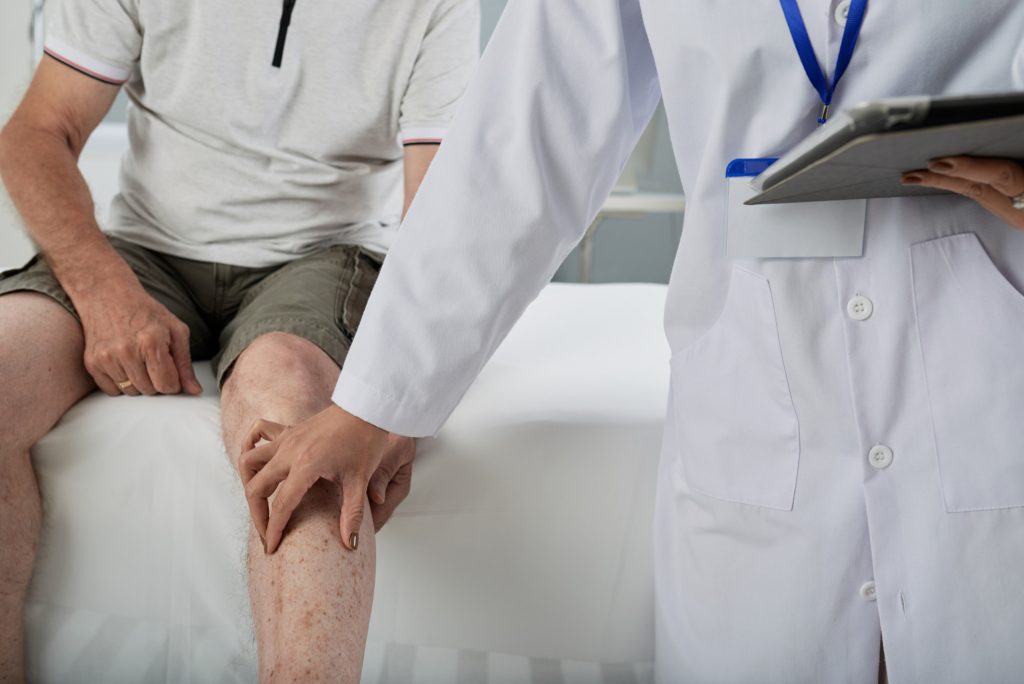
Our provider performs a thorough history and physical exam, reviews X-rays, and evaluates your knee condition. We assess the pattern of arthritis, the degree of deformity, and your activity level to determine if an offloading brace is right for you.
If a brace is appropriate, our team will take precise measurements or a cast of your leg to ensure a custom fit. This step ensures the brace provides optimal support and comfort for your knee.
Once your brace is ready, you return for a fitting session. We check alignment, cuff placement, and offloading force. You will also be shown how to put it on, adjust it, and care for it properly.
We recommend a gradual wear schedule. Start with 1–2 hours per day, increase by about 1 hour daily as tolerated, and aim for full use during weight-bearing activities.
Follow-up appointments are scheduled to assess your response, make adjustments, and ensure the brace continues to provide optimal support as your needs evolve.
| Device | Purpose |
|---|---|
| Offloading or unloader brace | Shifts weight away from the arthritic compartment; used for unicompartmental osteoarthritis. |
| Patellofemoral brace | Stabilizes the kneecap; used for patellofemoral pain or maltracking. |
| Hinged knee brace | Provides stability after ligament injury; may offer limited offloading. |
| Compression sleeve | Provides mild support and warmth; does not offload. |
| Neoprene wrap | Provides compression and proprioception; does not offload. |
Offloading braces are a specific tool for compartmental arthritis rather than for general knee pain or instability.
Not Sure Which Type of Knee Support You Need?
An offloading brace, compression sleeve, hinged brace, and other supports serve different purposes. The right option depends on your diagnosis, knee mechanics, symptoms, and goals.
An offloading brace is most effective as part of a comprehensive plan:

Physical therapy
Strengthening the quadriceps, hamstrings, and glutes further reduces joint load.

Weight management
Reduces the overall force on the knee.

Injections
Corticosteroids for flare-ups, hyaluronic acid for lubrication, or PRP for regenerative support.

Activity modification
Switching to low-impact exercise such as cycling or swimming helps preserve joint health.

Gait training
Correcting abnormal walking patterns can improve overall biomechanics.
Our team coordinates these elements to maximize your outcomes.
Many patients wear the brace during weight-bearing activities such as walking, standing, and climbing stairs and remove it when sitting or sleeping. Some wear it throughout the day if it provides significant relief. The goal is to use it when you need it most. With proper care, a custom brace can last several years.
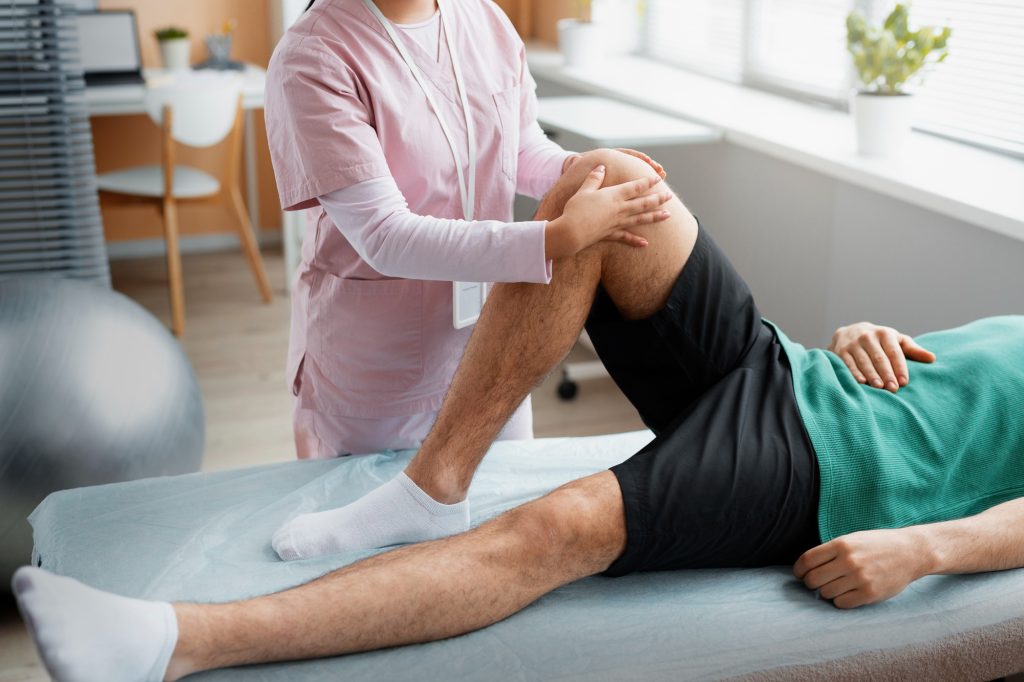
Have Questions About Fit, Comfort, or Insurance Coverage?
Our team can discuss fitting requirements, adjustment, skin comfort, expected use, and available insurance-verification options before you move forward.
Yes, numerous studies show that offloading braces reduce pain and improve function in patients with unicompartmental knee osteoarthritis. They work by mechanically shifting weight away from the damaged cartilage, allowing patients to remain active and often delaying knee replacement.
Most patients need 1–2 weeks to acclimate. Starting with short wear times and gradually increasing helps. The brace should feel supportive, not painful. If discomfort persists, adjustments can be made.
Many patients wear the brace during weight-bearing activities and remove it when sitting or sleeping. Some wear it all day if it provides consistent relief. Your provider will guide you on optimal wear time.
No, the brace does not cure arthritis. It manages symptoms by reducing mechanical stress on the damaged joint. Combined with other treatments, it can significantly improve quality of life and delay surgery.
Many insurance plans, including Medicare, cover custom offloading knee braces when medically indicated for unicompartmental osteoarthritis with varus or valgus deformity. We verify benefits and provide the necessary documentation.
Yes. In fact, the brace can allow you to exercise with less pain, making physical therapy more effective. Low-impact activities like walking, cycling, and elliptical training are excellent options. Your provider can advise you on specific sports.
Custom braces are made from measurements or a cast of your leg, providing a precise fit and optimal offloading. Off-the-shelf braces come in standard sizes and are adjustable. Custom braces are generally more comfortable and effective, especially for long-term use.
No. When used correctly, the brace supports the joint without causing muscle atrophy. In fact, by reducing pain, it can help you strengthen the muscles around the knee, which improves joint stability.
Most braces are designed to be worn directly against the skin or over a thin, moisture-wicking sleeve. Wearing it over bulky clothing may affect fit and reduce the offloading effect.
Wipe down the frame and cuffs with a damp cloth. Wash pads with mild soap and water, then air dry. Avoid submerging metal components. Regular inspection for wear and tear helps ensure longevity.
If knee arthritis is limiting your activities and you want to explore non-surgical options, schedule a consultation at Joint Health Solutions in Charlotte. We will evaluate whether an offloading knee brace is right for you.
 English
  Spanish