
Chronic muscle pain, tight knots, and tension can interfere with everything from daily activities to sleep and exercise. Often, these symptoms stem from myofascial trigger points—hyperirritable spots within tight bands of muscle that refer pain to other areas. Trigger point injections offer a quick, effective, and minimally invasive solution to deactivate these painful knots and restore normal muscle function.
At Joint Health Solutions in Charlotte, we specialize in image-guided and anatomically precise trigger point injections. Our team—led by Dr. Jeffrey Galvin and Ariel Curtis, FNP-C—uses their expertise in musculoskeletal medicine to accurately identify and treat trigger points, providing rapid relief and helping patients return to their active lives.
Medically reviewed by: Dr. Jeffrey Galvin & Ariel Curtis, FNP-C
Persistent Muscle Knots or Shoulder Tightness?
Talk with our Charlotte team about your symptoms and find out whether trigger point injections may be appropriate based on your examination findings and treatment history.

Trigger points develop from muscle overuse, injury, poor posture, stress, or repetitive strain. When sustained, they can create a cycle of pain, muscle spasm, and further dysfunction, leading to myofascial pain syndrome.
A trigger point injection is a minimally invasive procedure in which a small amount of medication, typically a local anesthetic and sometimes a corticosteroid, is injected directly into the trigger point. The injection serves two main purposes:

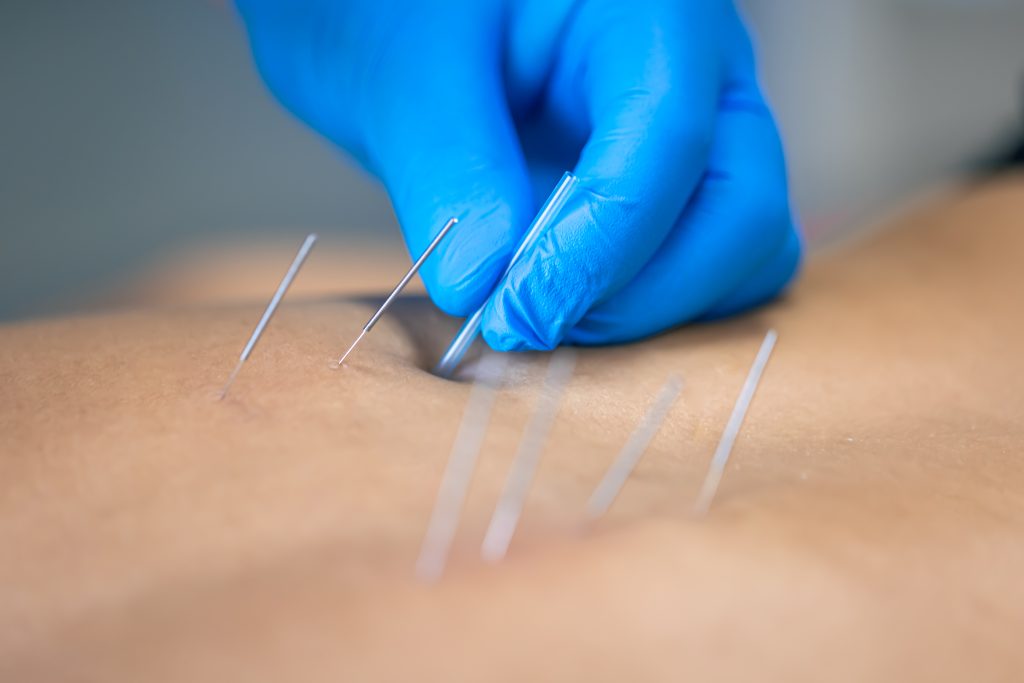
The needle itself can break up the taut band and release the muscle contraction.

The local anesthetic numbs the area, reduces nerve irritation, and interrupts the pain-spasm cycle.
In some cases, dry needling without medication is used, but at Joint Health Solutions we typically use local anesthetic to maximize relief. The procedure is quick, well tolerated, and often provides immediate improvement.


The exact mechanism is not fully understood, but several factors contribute:

The needle mechanically disrupts the dysfunctional motor end plate, allowing the muscle fiber to relax.

Blocks sodium channels, reducing nerve firing and breaking the pain-spasm cycle.

Needle insertion may stimulate local circulation and promote healing.

Reduces the reflex contraction that maintains the trigger point.
When performed correctly, trigger point injections can provide immediate and lasting relief, especially when combined with physical therapy, stretching, and ergonomic correction.
Neck muscle pain and stiffness
Upper trapezius / trap muscle tightness
Shoulder muscle pain and tension
Upper back pain and rhomboid tightness
Low back pain involving quadratus lumborum or paraspinal muscles
Glute muscle pain and tightness
Muscle spasms in the neck, shoulders, traps, back, or glutes
Post-injury muscle tightness in the treated areas
Could Trigger Point Injections Fit Your Symptoms?
Trigger point injections are intended for selected areas of localized muscle tightness and myofascial pain. A clinical evaluation can help determine whether a trigger point is contributing to your symptoms.
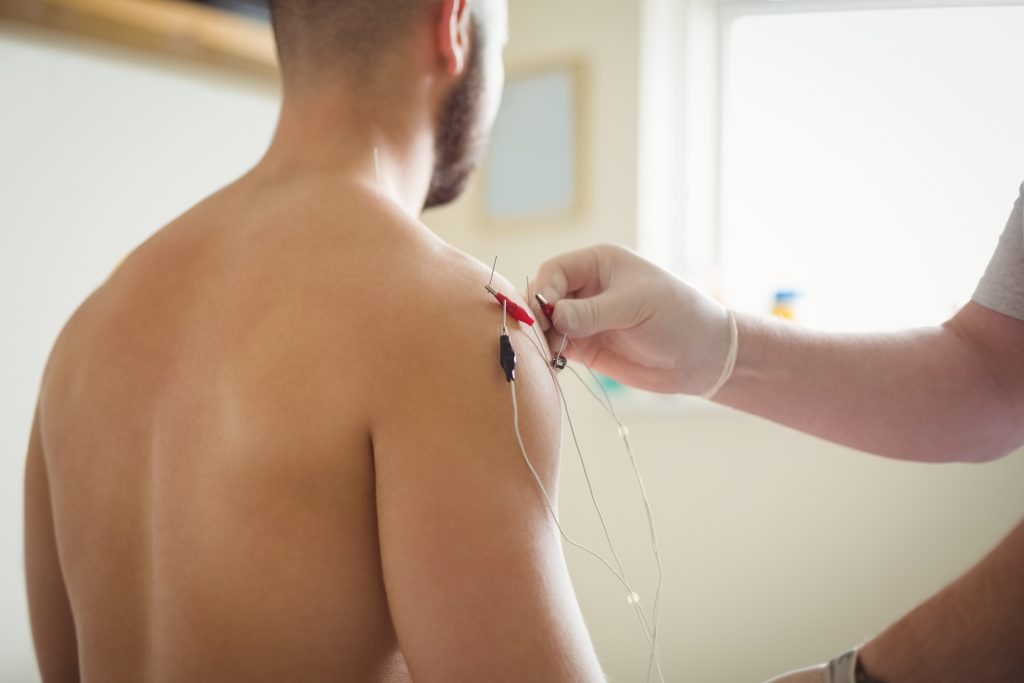
Your provider takes a detailed history and performs a physical examination to locate active trigger points. We assess range of motion, pain patterns, and referred pain, and we look for contributing factors such as posture, ergonomics, and activity.
You will be positioned comfortably. The skin over the trigger point or trigger points is cleansed with an antiseptic. No sedation is required, although a local anesthetic may be applied to the skin if needed.
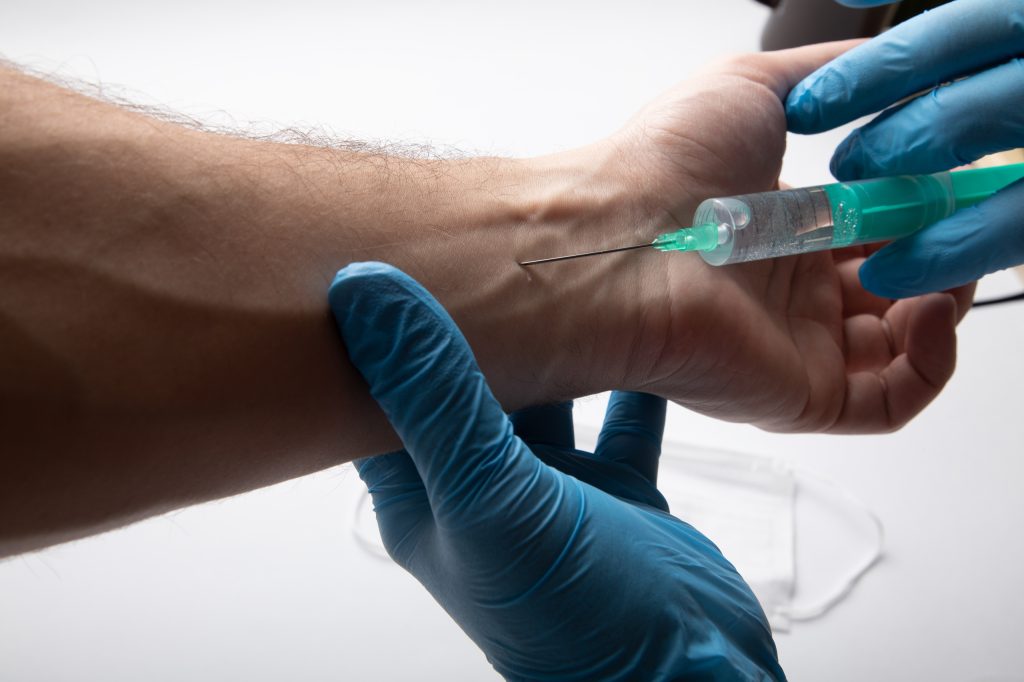
Using a small needle, often 25–27 gauge, the provider inserts it into the trigger point. You may feel a brief twitch response as the muscle contracts, which often confirms successful targeting. The medication, typically lidocaine with or without a small amount of corticosteroid, is injected. Multiple trigger points may be treated in one session.
You may feel immediate relief as the muscle relaxes. Mild soreness at the injection site is common for 24–48 hours. You will receive instructions on stretching, hydration, and activity modification.

Many patients feel improvement within minutes.
Small needle and little to no downtime.

Helps physical therapy and stretching work more effectively.

Less need for NSAIDs or muscle relaxants.
If the injection relieves pain, it helps confirm the trigger point as a pain source.

Useful for chronic or recurrent issues when needed.
Looking for Support With Persistent Muscle Tightness?
Trigger point injections may be incorporated into a broader plan that includes stretching, strengthening, physical therapy, and movement modification when clinically appropriate.
We minimize risks by using precise anatomy-based techniques and by avoiding high-risk areas unless appropriate expertise and precautions are in place.
The duration of relief varies:

Single injection
Many patients experience relief for weeks to months, especially when combined with home stretching and ergonomic changes.

Chronic myofascial pain
May require a series of injections over several weeks, followed by maintenance as needed.
Recurrence
If underlying factors such as poor posture or repetitive strain are not addressed, trigger points may return.
We often combine trigger point injections with physical therapy to achieve more lasting results.
| Feature | Trigger Point Injection | Dry Needling |
|---|---|---|
| Medication | Local anesthetic with or without corticosteroid | No medication |
| Mechanism | Needle disruption plus pharmacologic effect | Needle disruption only |
| Immediate relief | Often immediate because of anesthetic | Usually more gradual |
| Pain during procedure | Typically minimal | May cause more discomfort |
| Insurance coverage | Usually covered when medically indicated | Often not covered |
At Joint Health Solutions, we primarily use trigger point injections with local anesthetic to maximize comfort and immediate relief.
We often coordinate with physical therapists to help patients achieve lasting results.
Ready for a More Complete Treatment Plan?
Schedule an evaluation with Joint Health Solutions to discuss how targeted treatment, movement strategies, and rehabilitation may fit together based on your symptoms.


You may feel a brief sting from the needle and a twitch response when the trigger point is contacted. The local anesthetic quickly numbs the area, so the discomfort is brief. After the injection, some soreness may occur for a day or two.
Many patients experience immediate relief as the muscle relaxes. The full effect, especially if a corticosteroid is used, may take 24–72 hours. Some patients may have mild soreness before feeling improvement.
It depends on the condition. A single injection may resolve an acute problem. For chronic myofascial pain, a series of 3–6 injections over several weeks may be needed, often in combination with physical therapy.
Yes, trigger point injections are typically covered by insurance when medically indicated for myofascial pain syndrome, tension headaches, or related conditions. We verify benefits before the procedure.
It depends on the type of blood thinner and the location of the injection. Some patients may need to temporarily hold their medication with approval from their prescribing physician, while others may be candidates with precautions. We evaluate each case individually.
A trigger point injection targets a localized muscle knot. A nerve block targets a specific nerve, such as an occipital nerve block for headaches. Both can be used for pain, but they address different structures.
The injection itself takes only a few minutes per trigger point. The entire appointment, including evaluation and post-care instructions, typically lasts 20–30 minutes.
Common side effects are temporary soreness, bruising, and sometimes mild weakness if the anesthetic spreads to a nearby motor nerve. Serious complications are rare.
You may be a candidate if you have localized muscle knots that cause pain and limit movement, suffer from tension headaches, have tried physical therapy, stretching, or massage with incomplete relief, or want a non-surgical option to break the pain-spasm cycle.
If muscle knots and tension are keeping you from living your life, schedule a consultation for trigger point injections at Joint Health Solutions in Charlotte. We will help you break the pain cycle and get back to comfortable movement.
 English
  Spanish