
Platelet-rich plasma, or PRP, therapy uses a concentrated sample of your own blood to support tissue repair, reduce inflammation, and improve joint function. For patients with knee osteoarthritis, shoulder arthritis, rotator cuff tendinopathy, or select knee-related soft tissue concerns, PRP may offer a non-surgical option to support mobility and long-term joint health.
At Joint Health Solutions in Charlotte, our team provides personalized PRP treatment planning based on your symptoms, clinical evaluation, and care goals.
Medically reviewed by: Dr. Jeffrey Galvin & Ariel Curtis, FNP-C
Wondering If PRP May Be an Option for Your Knee?
Talk with our Charlotte team about your knee osteoarthritis symptoms, previous treatments, and goals to find out whether PRP may be appropriate for you.
PRP, or platelet-rich plasma, is a concentrated preparation of platelets derived from a small sample of your own blood. Platelets are best known for their role in clotting, but they also contain hundreds of growth factors and bioactive proteins that help coordinate the body’s natural healing response.
When PRP is injected into an injured or arthritic area, these growth factors can:
Unlike corticosteroid injections, which primarily suppress inflammation, PRP works by stimulating the body’s own healing mechanisms and may offer longer-lasting improvement.
The entire process usually takes approximately 30–45 minutes.
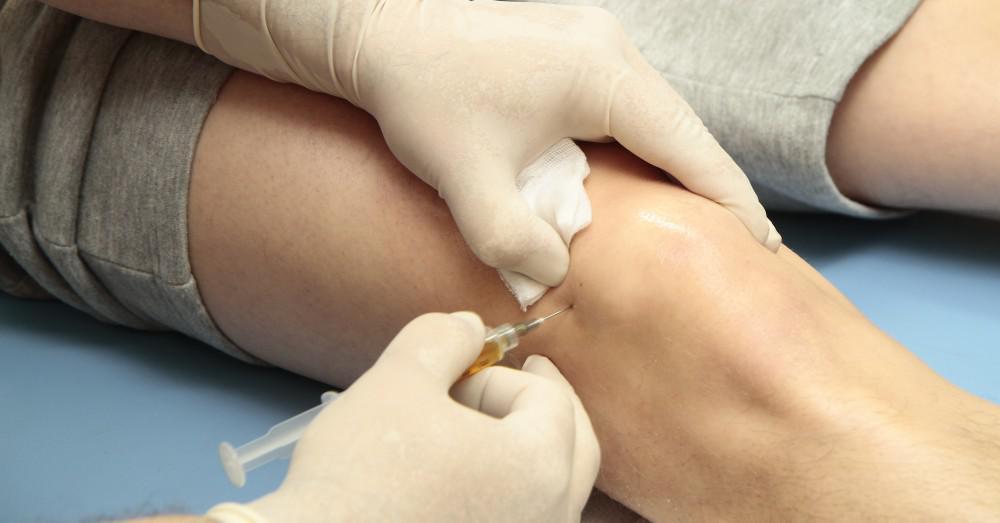
Could You Be a Candidate for PRP?
PRP may be considered for selected patients with knee osteoarthritis when clinically appropriate. A personalized evaluation can help determine whether it fits your condition and treatment goals.
A safe, simple, and entirely natural outpatient procedure performed right here in our Charlotte clinic.
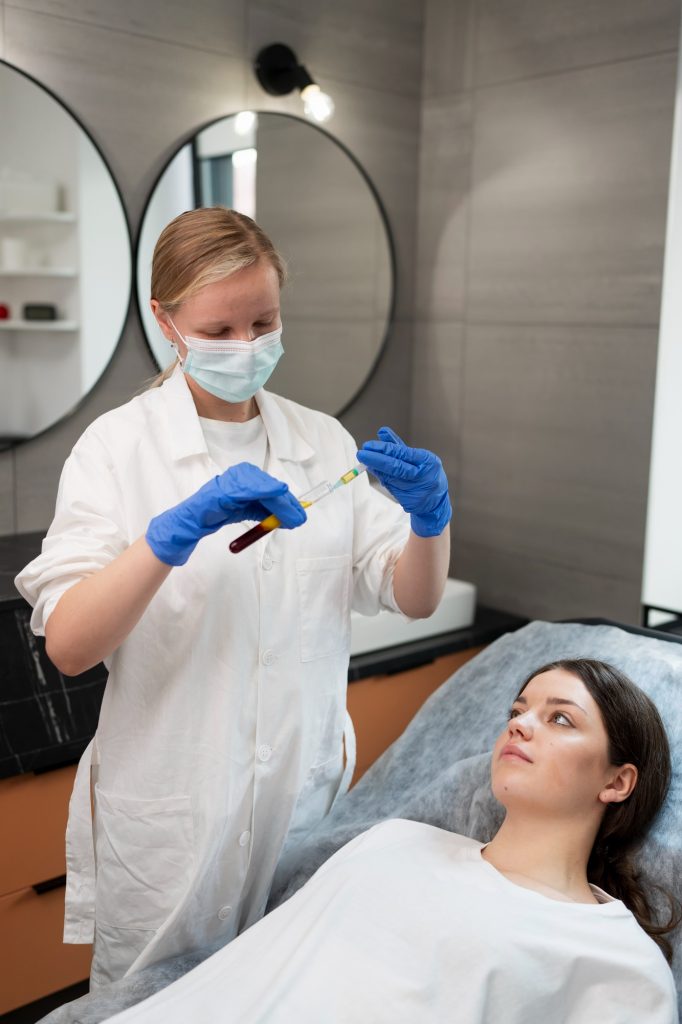
Your provider reviews your medical history, performs a physical exam, and reviews imaging such as X-ray, ultrasound, or MRI to determine if you are a candidate for PRP.
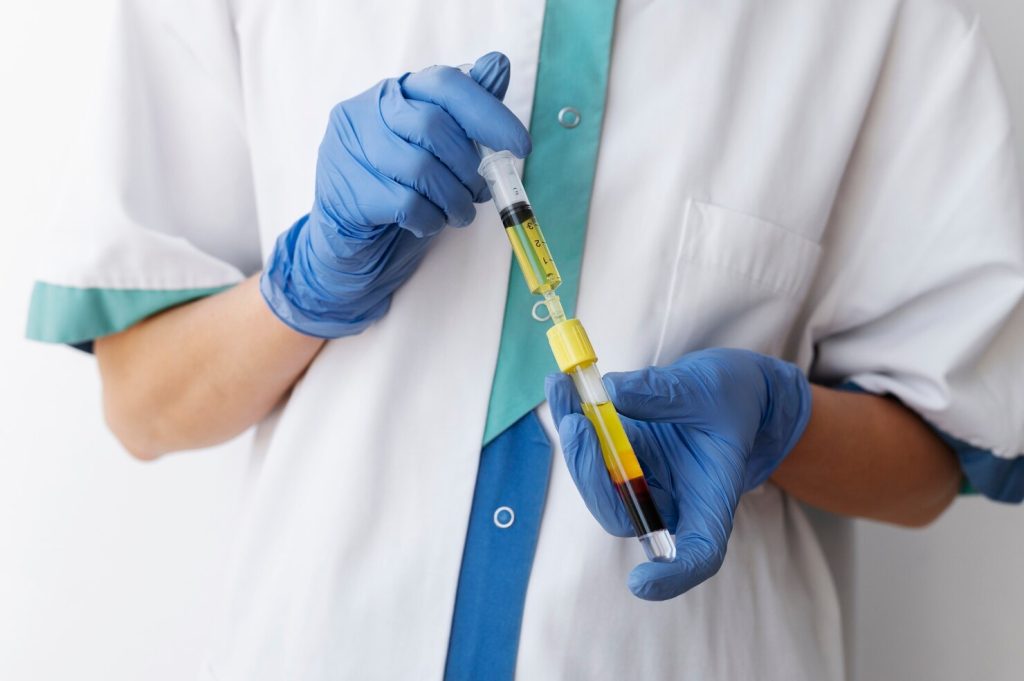
A small amount of blood is drawn from your arm and processed in a sterile centrifuge, typically taking 15–20 minutes.
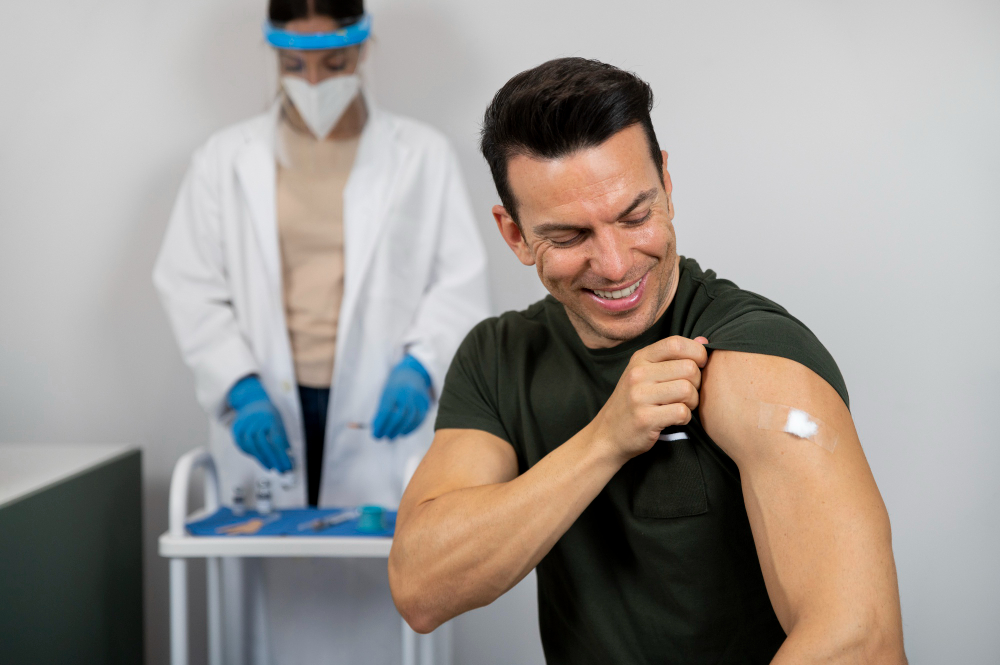
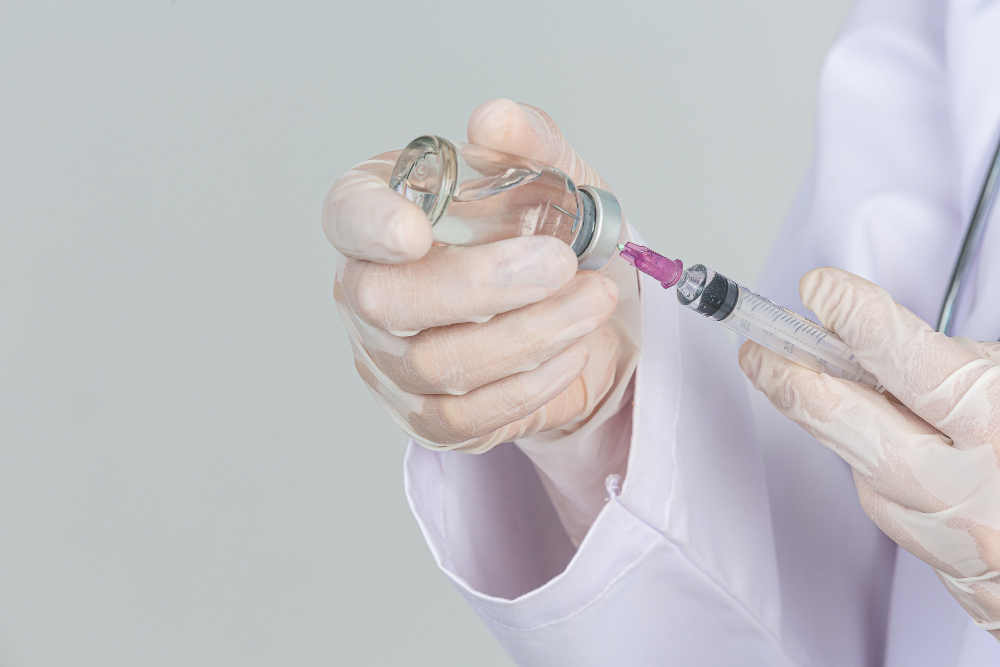
Your provider places the PRP into the treated knee or shoulder area with a careful, clinically guided approach to support accurate delivery.
You will receive specific instructions, including avoiding NSAIDs for 2–4 weeks, resting the area briefly, and gradually returning to activity.
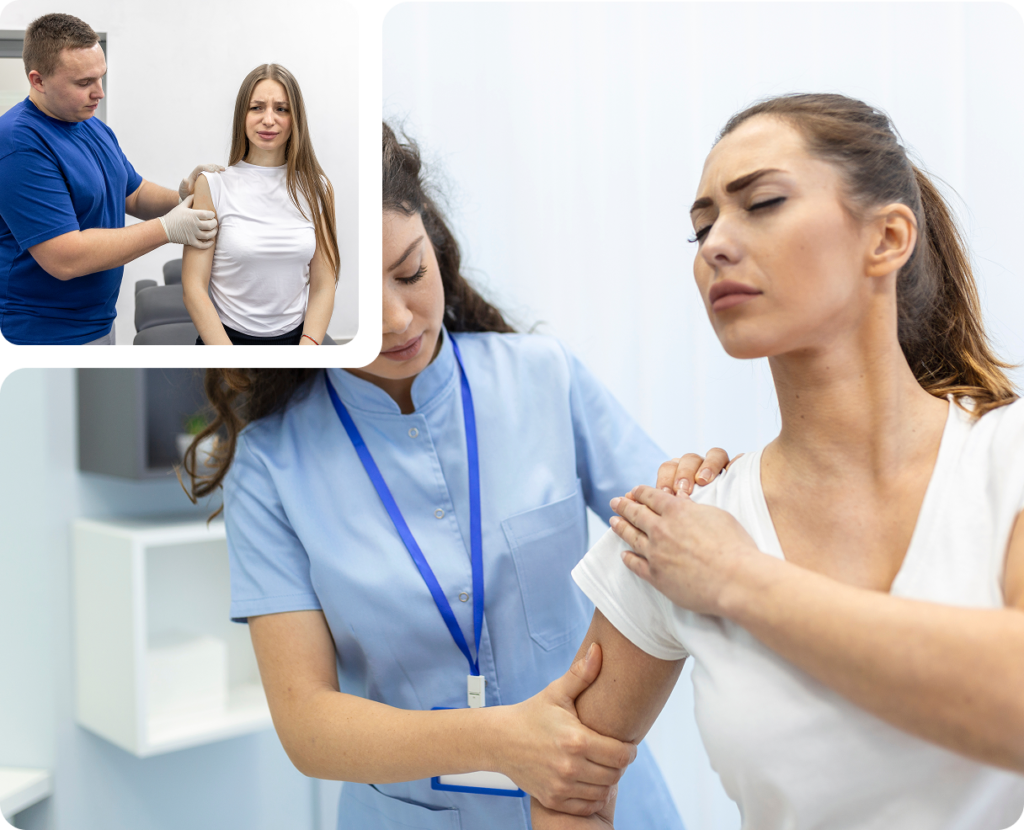
Have Questions About What PRP Can Realistically Do?
Treatment response varies from patient to patient. Our team can explain the potential benefits, limitations, expected recovery, and alternative options based on your knee condition.
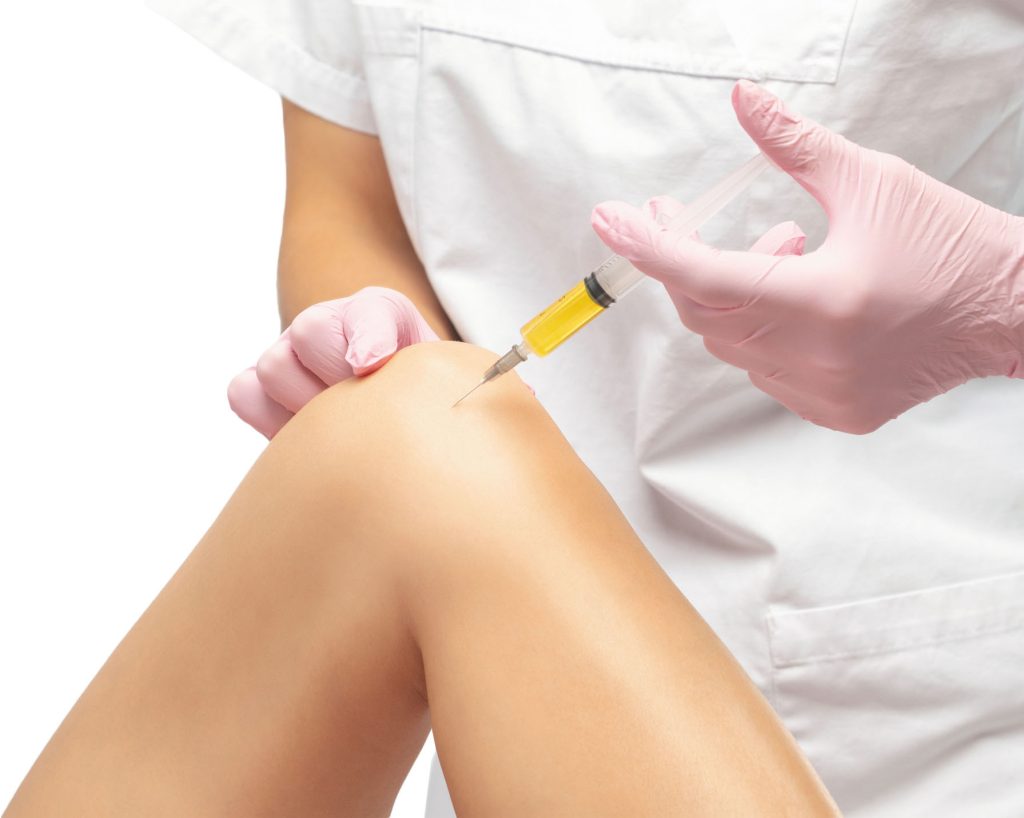
The number of injections depends on the condition:
Your provider will recommend a personalized plan based on your specific diagnosis and response.
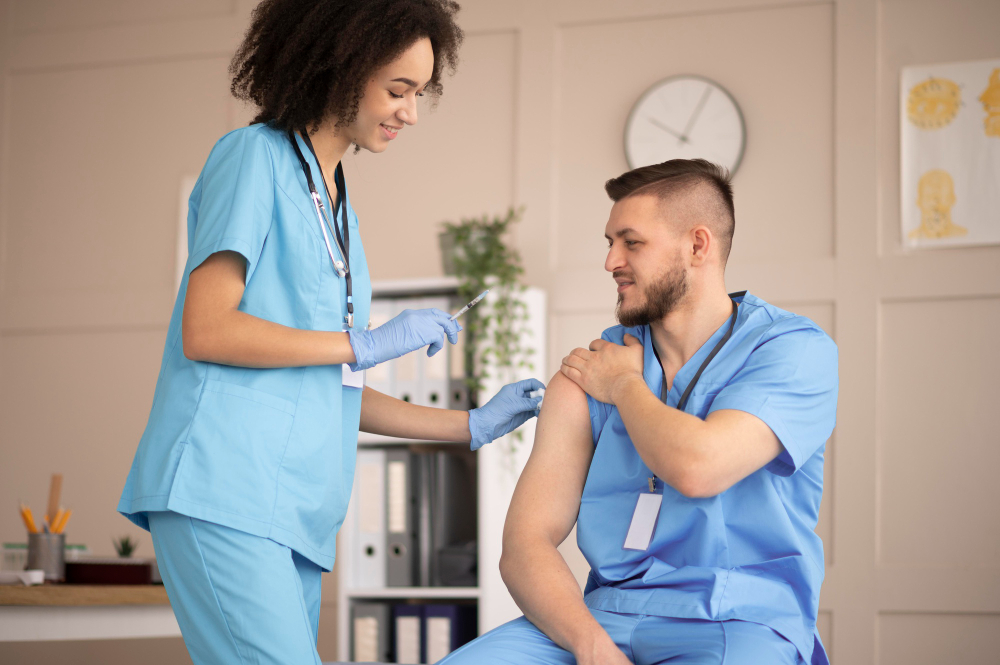
Some patients experience a temporary increase in soreness
Gradual improvement begins
Continued improvement becomes more noticeable
Peak benefit is often reached
Effects can last a year or longer, depending on the condition
| Feature | PRP (Platelet-Rich Plasma) | Cortisone (Corticosteroids) |
|---|---|---|
| Mechanism | Stimulates natural healing and reduces inflammation. | Suppresses inflammation by inhibiting immune response. |
| Onset | Gradual improvement over several weeks. | Rapid relief, often within 24–72 hours. |
| Duration | Long-lasting; typically 6–12+ months. | Temporary; usually weeks to months. |
| Effect on Tissue | Promotes repair and tissue regeneration. | No healing effect; repeated use may weaken or damage cartilage/tissue. |
| Frequency | 1–3 injections; may be repeated as needed. | Strictly limited; usually 3–4 times per year in the same joint. |
| Best For | Chronic conditions, mild to moderate osteoarthritis, and tendinopathy. | Acute flare-ups and severe inflammatory conditions. |
In some cases, we use both strategies at different times—for example, cortisone for rapid relief during a flare-up and PRP for longer-term healing.
Think PRP May Be Right for Your Knee?
Schedule a personalized evaluation to review your osteoarthritis severity, symptoms, previous treatment, and whether PRP is an appropriate option.
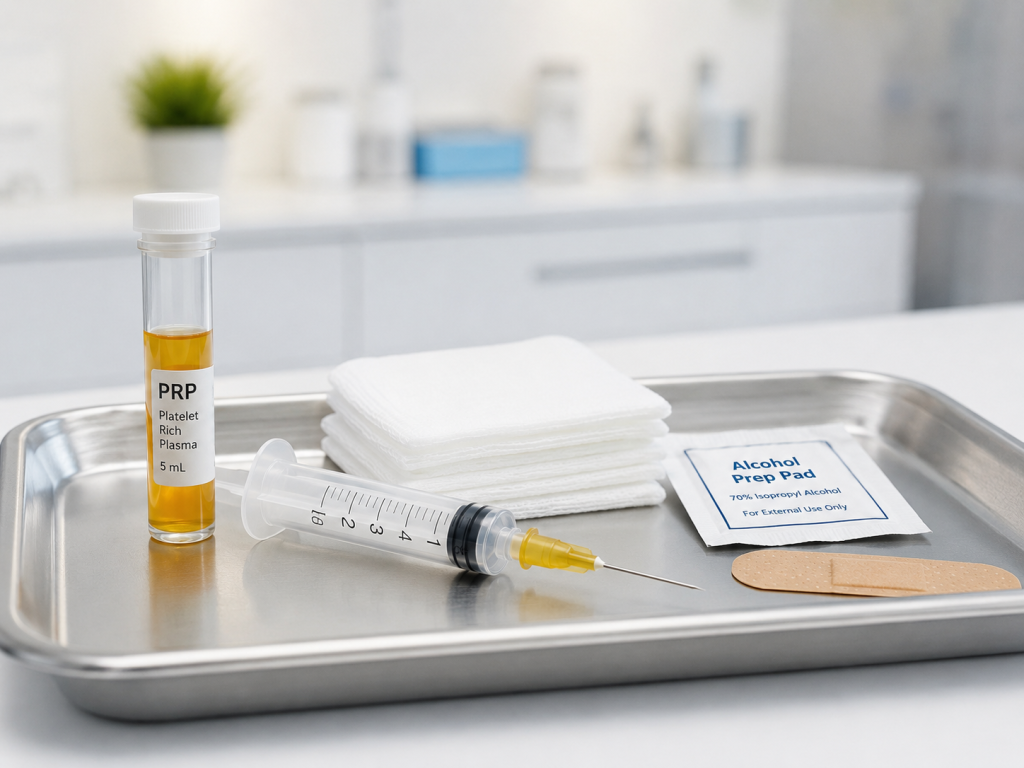
Because PRP is derived from your own blood, there is no risk of allergic reaction or disease transmission.

Ideal candidates typically have:
Patients with advanced bone-on-bone arthritis may still benefit, though outcomes are less predictable. We evaluate each case individually.

PRP is generally considered an elective regenerative procedure and is not covered by most insurance plans. We provide transparent pricing and can discuss financing options. Some patients use HSA or FSA accounts.
The entire process, including blood draw, processing, and injection, typically takes 30–45 minutes. The injection itself is quick and usually takes less than 5 minutes.
You may feel a brief pinch from the local anesthetic. After the procedure, some patients experience soreness or a mild inflammatory reaction for 1–3 days. This is normal and is often part of the healing response.
We recommend avoiding NSAIDs such as ibuprofen, naproxen, and aspirin for 2–4 weeks because they can inhibit the healing response. Acetaminophen is generally safe for mild discomfort.
For osteoarthritis, 1–3 injections are common. For tendinopathy, often 1–2 injections are sufficient. Your provider will recommend a personalized plan based on your condition.
Yes. Numerous studies show PRP can significantly reduce pain and improve function in knee osteoarthritis, with effects often lasting 12 months or longer.
Success rates vary by condition. For knee osteoarthritis, studies often report that 70–80% of patients achieve meaningful improvement. Tendinopathy results are also favorable, although not all patients respond.
It depends on the type of blood thinner. Some patients may need to temporarily hold their medication with approval from their prescribing physician. We evaluate each case individually.
Improvement is gradual. Many patients notice the first signs of relief at 2–4 weeks, with continued improvement over 3–6 months. Peak benefit is often reached around 6 months.
Don’t let chronic joint pain dictate your life. Schedule a comprehensive evaluation with our Charlotte specialists to find out if PRP therapy is the right non-surgical solution for you.
 English
  Spanish