
Conditions We Treat / Shoulder Pain Treatment
Explore personalized, non-surgical care for rotator cuff injuries, frozen shoulder, arthritis, and other causes of shoulder pain. Treatment recommendations are based on your condition, evaluation, and individual goals.
Shoulder pain is most commonly caused by rotator cuff injuries, tendon inflammation, joint instability, or degenerative conditions like arthritis. In active populations, repetitive strain and poor movement patterns are leading contributors, while aging patients often experience tissue degeneration or stiffness.
Charlotte Insight: With Charlotte’s active population—fitness, golf, tennis, and manual labor—overuse injuries and biomechanical imbalances are among the most common drivers of chronic shoulder pain.
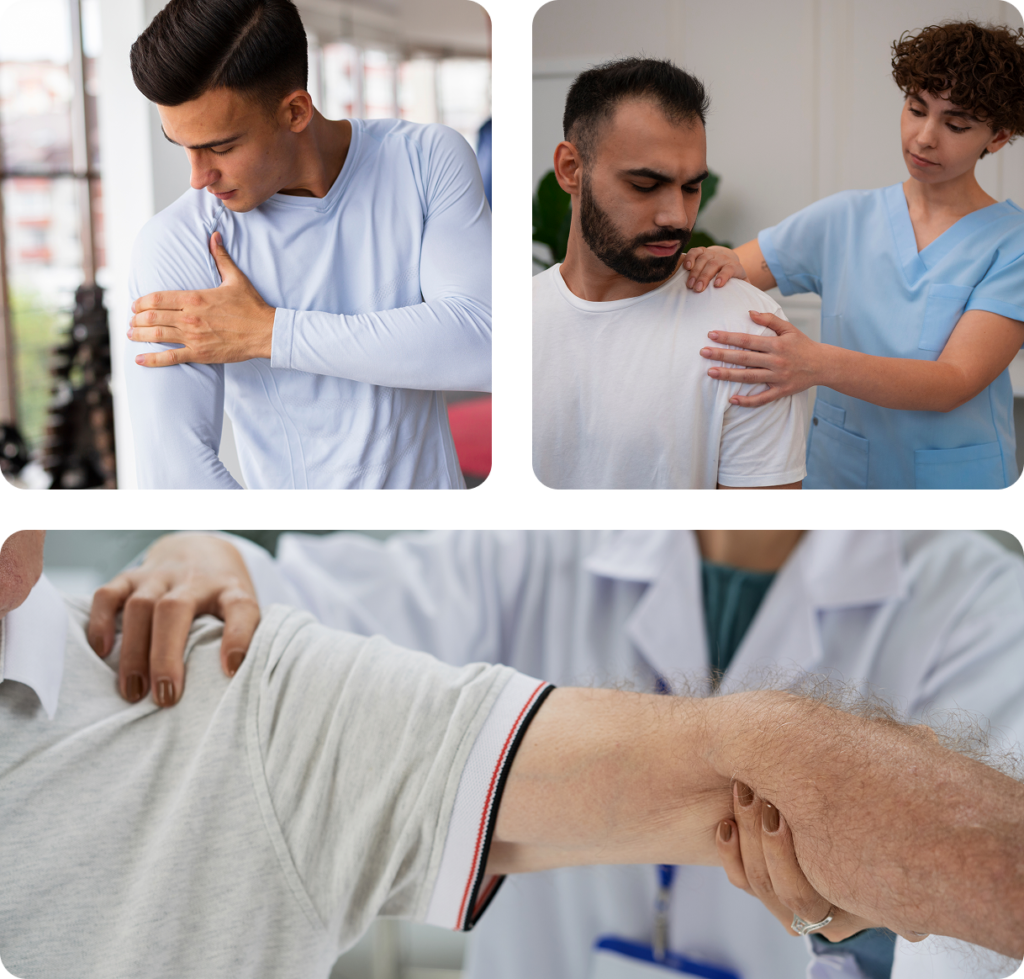
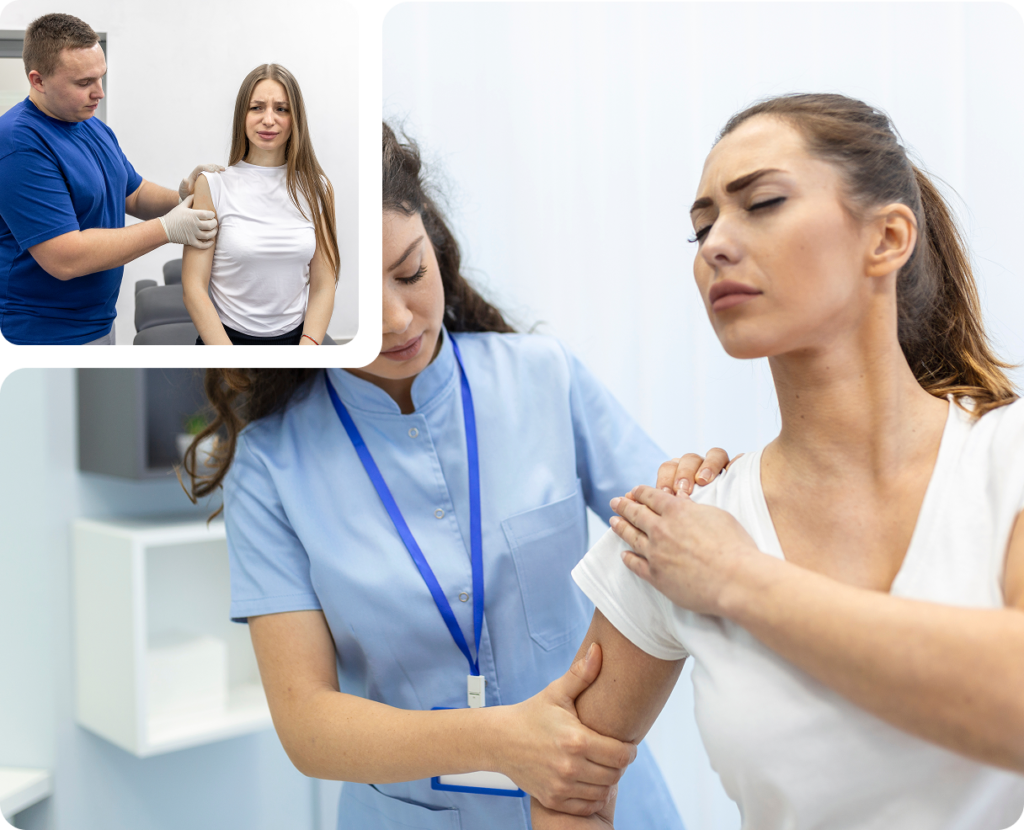
You should seek professional evaluation if shoulder pain persists longer than 1–2 weeks, limits your range of motion, causes weakness, or interferes with sleep. Early intervention significantly improves recovery outcomes and reduces the risk of chronic dysfunction.
Shoulder pain evaluation involves a combination of movement analysis, orthopedic assessment, and functional assessment to identify the root cause—not just the symptoms.

Analyzing posture, range of motion, and movement patterns to detect imbalances or restrictions.
Assessing muscles, ligaments, and joints to identify inflammation, stiffness, or injury.
Observing real-life movement patterns to understand how the shoulder performs during daily activities.
Evaluating habits, work routines, and physical activity levels that may contribute to the condition.
Many shoulder conditions can be incorrectly assessed or oversimplified. A thorough evaluation helps identify the underlying cause and guide an appropriate treatment plan.
Non-surgical shoulder pain treatments include injections, regenerative therapies, and supportive care that reduce inflammation and stimulate healing without the risks of surgery.
Manual therapy (joint mobilization, soft tissue work)
Corrective exercise programs
Postural and movement retraining

Strength and stability training
Pain modulation techniques
Return-to-activity protocols
Many patients in the Charlotte area can successfully avoid or postpone shoulder replacement through regenerative orthopedics. Treatments like PRP therapy utilize the body’s natural healing mechanisms to strengthen shoulder tissues and reduce chronic inflammation. By addressing shoulder dysfunction early with these advanced biologics, patients maintain their natural joint anatomy while achieving significant pain reduction and functional improvement.
| Factor | Non-Surgical | Surgical |
|---|---|---|
| Recovery Time | Weeks to months | Several months to 1 year |
| Risk Level | Low | Moderate to high |
| Cost | Lower | Significantly higher |
| Effectiveness | Varies by condition and individual response | Varies by condition, procedure, and individual response |
| Downtime | Minimal | Extended |