
Joint Injections Huntersville care is available at Joint Health Solutions for adults dealing with arthritis, joint pain, inflammation, stiffness, swelling, or reduced mobility. Joint injections may help patients manage pain without immediately choosing surgery or relying only on medication.
Our team helps Huntersville-area patients explore non-surgical injection options based on their symptoms, diagnosis, activity level, and long-term joint health goals. Whether your pain affects your knees, shoulders, hips, or other joints, we create a personalized plan designed to improve comfort and support better movement.
Medically reviewed by: Dr. Jeffrey Galvin & Ariel Curtis, FNP-C
Joint injections are non-surgical treatments used to place medication, lubrication support, or regenerative material directly near or inside a painful joint. They may be recommended for patients with arthritis, inflammation, stiffness, soft tissue irritation, or chronic joint discomfort.
For many adults seeking Joint Injections Huntersville, the goal is to reduce pain, improve movement, and support better daily function. Injections may be used as part of a larger care plan that also includes lifestyle guidance, movement support, weight management, and follow-up care.


Therapeutic injections are designed to help reduce pain and inflammation. These may be useful for patients experiencing flare-ups, swelling, or painful movement.

Diagnostic injections may help identify where pain is coming from. If symptoms improve after the injection, it can give your provider more information about the source of discomfort.

Regenerative options, such as PRP therapy, may help support the body’s natural healing response in selected patients with chronic joint pain or soft tissue irritation.
Arthritis can affect one, two, or all three compartments. Understanding which compartments are involved helps guide treatment.

Corticosteroid injections may help reduce inflammation and provide relief for painful joint flare-ups. They are commonly used for arthritis, bursitis, swelling, and irritated joints.
This option may be helpful when pain makes walking, lifting, bending, stairs, exercise, or daily tasks difficult.
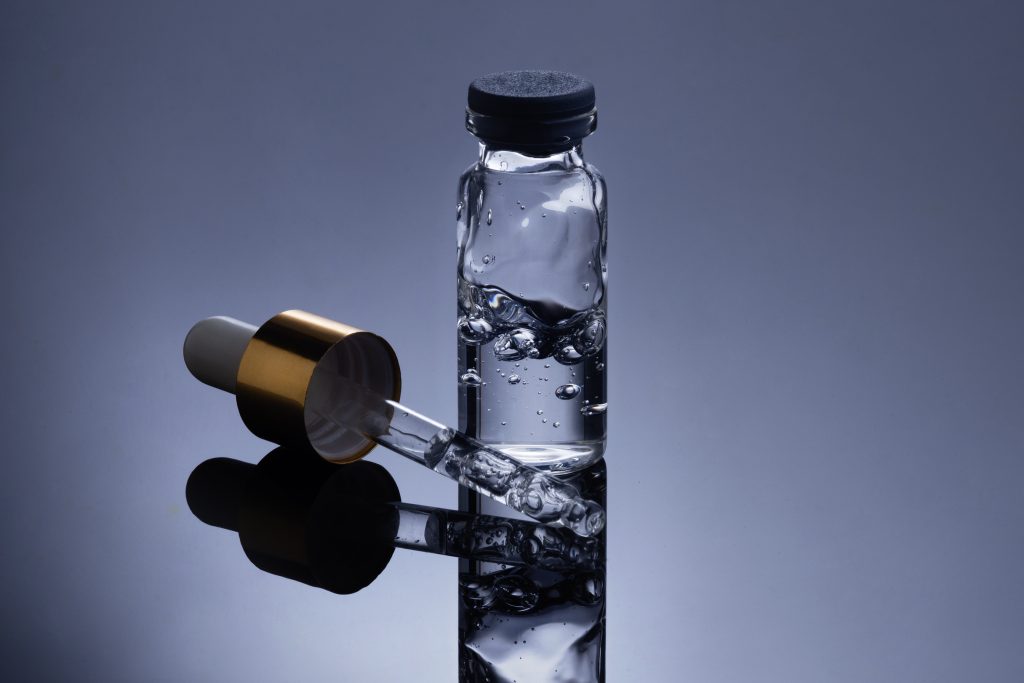
Hyaluronic acid injections may help improve lubrication in joints affected by arthritis or stiffness. These injections are often used for knee pain and joint discomfort related to reduced cushioning.
For some patients, hyaluronic acid may support smoother movement and improved comfort during daily activity.
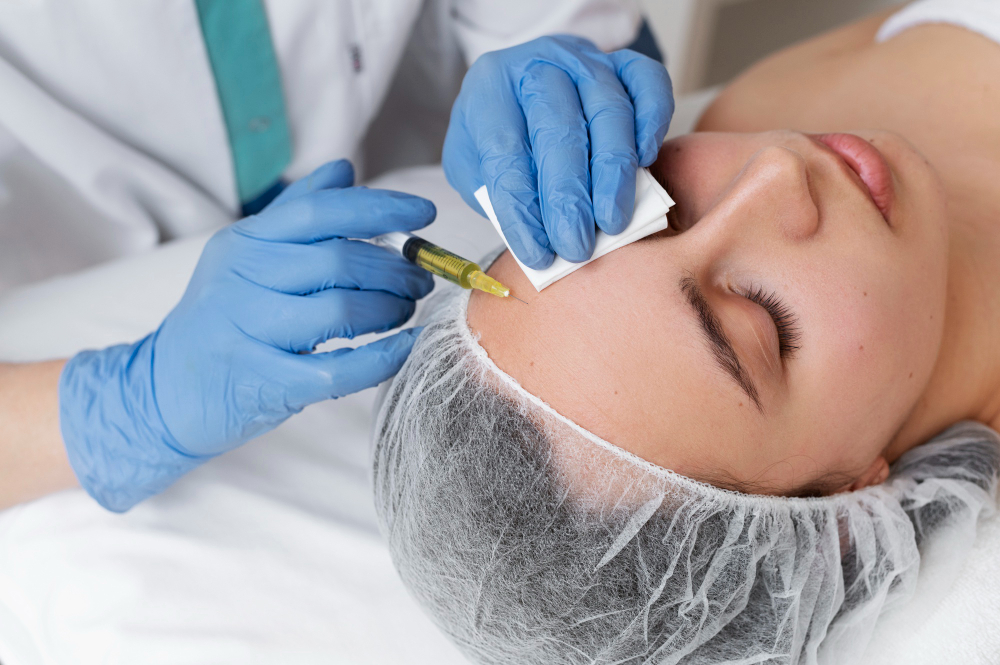
PRP therapy uses platelet-rich plasma from your own blood to support the body’s natural repair process. This option may be recommended for selected patients with chronic joint pain, soft tissue irritation, or inflammation.
Patients looking for Joint Injections Huntersville often ask about PRP because it offers a regenerative, non-surgical approach.
| Injection Type | Mechanism of Action | Best For | Typical Duration |
|---|---|---|---|
| Corticosteroids | Suppress inflammation by inhibiting inflammatory cytokines and immune cells. | Osteoarthritis flare-ups, bursitis, and tendonitis. | Weeks to months |
| Hyaluronic Acid | Restores joint fluid viscosity, improves lubrication, and may reduce inflammation. | Mild to moderate knee osteoarthritis. | 6–12 months |
| PRP | Delivers concentrated growth factors that modulate inflammation and promote tissue repair. | Mild to moderate arthritis and ligament injuries. | 6–12+ months |
All injections are performed under image guidance—ultrasound or fluoroscopy—to ensure the medication is delivered exactly where it is needed into the joint space, bursa, or tendon sheath.
Joint injections may be used for several joint-related conditions. At Joint Health Solutions, we evaluate each patient carefully before recommending treatment.
Common conditions include:
Joint Injections Huntersville care may be helpful when pain continues despite rest, activity changes, or home care.

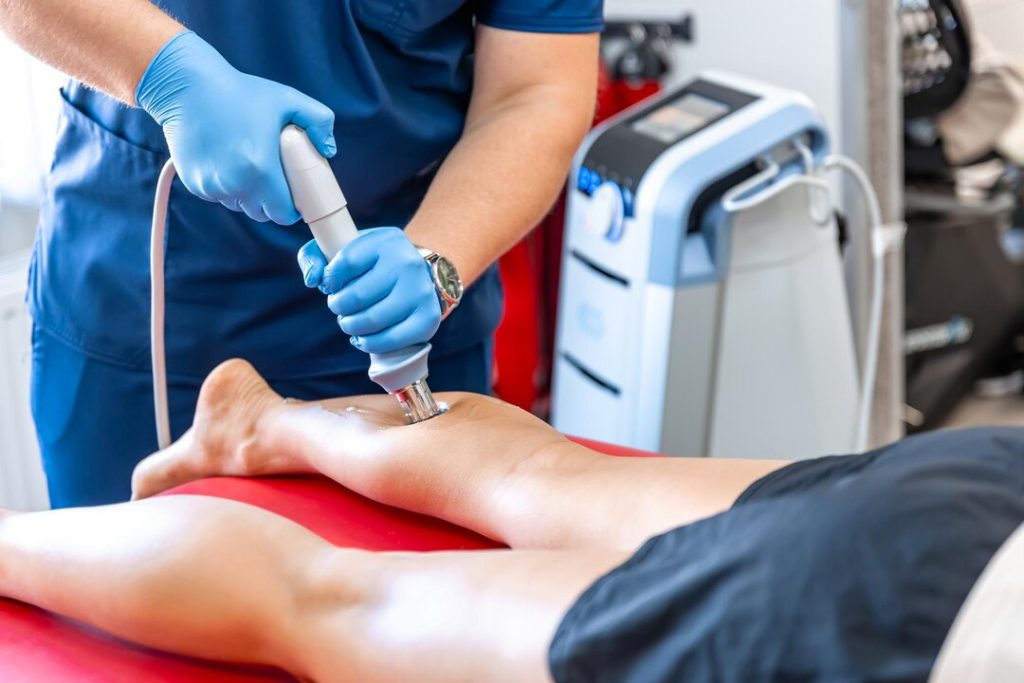
Image guidance may help improve accuracy during some injection procedures. Your provider may use ultrasound or another guidance method to better locate the treatment area.
This can be especially helpful for deeper joints, inflamed tissue, or cases where precise placement is important. Image-guided injections may also help improve confidence during treatment planning.
Not every injection requires image guidance, but your provider will explain what is recommended for your specific condition.
Your visit begins with a review of your symptoms, medical history, pain level, and mobility concerns. Your provider may also examine the affected joint and discuss your goals.
The treatment area is cleaned, and your provider explains what to expect. You may feel pressure or mild discomfort during the injection.
If image guidance is used, your provider may use ultrasound or another method to help guide the injection into the targeted area.
After treatment, you may be asked to avoid strenuous activity for a short period. Mild soreness can happen, but many patients return to normal daily activities quickly.

You should always follow your provider’s aftercare instructions and contact the office if symptoms feel unusual or worsen.
| Injection Type | Typical Duration of Relief |
|---|---|
| Corticosteroids | Weeks to months |
| Hyaluronic Acid | 6–12 months |
| PRP (Platelet-Rich Plasma) | 6–12+ months |
Duration depends on the severity of the underlying condition, the joint involved, and individual patient factors. Some patients achieve lasting relief, while others may benefit from periodic maintenance injections.

Joint Health Solutions provides Joint Injections Huntersville patients can trust when they want personalized, non-surgical joint pain care.
Dr. Jeffrey Galvin and Ariel Curtis, FNP-C, have extensive training in interventional pain management and regenerative medicine.
We help patients explore conservative options before considering more invasive procedures.
Treatment options may include corticosteroid injections, hyaluronic acid injections, PRP therapy, and personalized joint care.
Our team explains your condition, treatment options, and expected next steps in simple language.
Joint Health Solutions serves patients from Huntersville, Charlotte, and nearby North Carolina communities.
We focus on pain relief, mobility, follow-up care, and lifestyle guidance to support better joint health over time.
Most patients feel a brief pinch or pressure during the injection. The procedure is typically well tolerated. If needed, we can use local anesthetic to numb the area. After the injection, some patients experience mild soreness for a day or two.
Yes. Joint Health Solutions provides Joint Injections Huntersville care for adults with arthritis, joint pain, stiffness, inflammation, and mobility concerns.
Corticosteroids often begin working within 24–72 hours, though full effect may take up to a week. Hyaluronic acid may take 2–4 weeks. PRP often causes initial soreness followed by gradual improvement over several weeks to months.
It depends on the type of injection and your condition. Corticosteroids are often used as needed for flare-ups. Hyaluronic acid is usually a series of 1–3 injections. PRP therapy typically involve 1–3 treatments, often spaced several weeks apart.
Corticosteroid and hyaluronic acid injections are often covered by insurance. PRP therapy are typically considered elective and are not covered. We provide transparent pricing and can discuss financing options.
For corticosteroid injections, we usually recommend resting the joint for 24–48 hours. For PRP therapy, we may advise avoiding anti-inflammatory medications and limiting strenuous activity for a short period. You will receive specific post-injection instructions.
To minimize the risk of cartilage damage, we typically limit corticosteroid injections to 3–4 times per year in the same joint. The goal is to use them strategically for flare-ups while building a long-term plan with physical therapy and other modalities.
It depends on the situation. Cortisone provides rapid relief of acute inflammation and is excellent for flare-ups. PRP works more slowly but may offer longer-lasting improvement by addressing the underlying inflammatory process and promoting tissue repair. Sometimes we use both strategically at different times.
It depends on the type of blood thinner and the risk of bleeding. Some patients may need to temporarily hold their medication with approval from their prescribing physician, while others may be candidates for injection with special precautions. We review each case individually.
Ultrasound uses sound waves to visualize soft tissues such as tendons, bursae, and fluid, and is ideal for most shoulder, knee, and soft-tissue injections. Fluoroscopy uses real-time X-ray to visualize bone and joint spaces, making it ideal for deep joints like the hip or spine.
You may be a candidate for a joint injection if you have persistent joint pain that limits daily activities, oral medications provide inadequate relief or cause side effects, you are experiencing an acute flare-up of arthritis or bursitis, you want to avoid or delay joint replacement surgery, or you need pain relief to participate more effectively in physical therapy.
Joint pain can affect how you walk, work, sleep, exercise, and enjoy daily life. If arthritis, stiffness, inflammation, or swelling is limiting your movement, Joint Health Solutions can help you explore non-surgical injection options.
Schedule your visit today for Joint Injections Huntersville and take the next step toward better comfort, improved mobility, and long-term joint support.