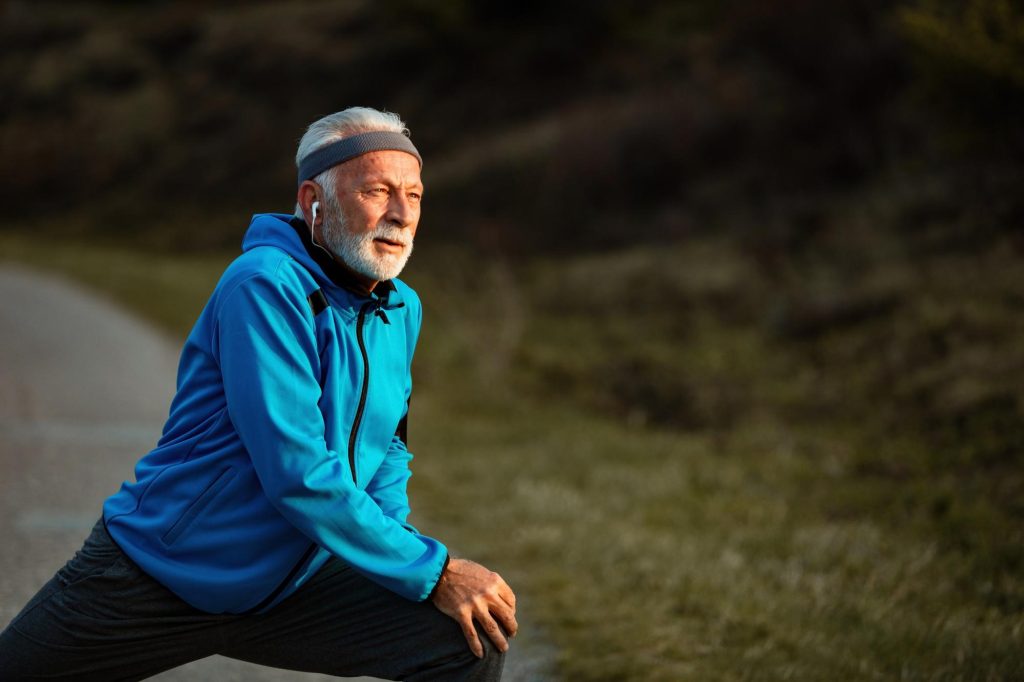
Joint Stiffness Treatment in Rock Hill is designed for patients who feel limited by tight, aching, or restricted joints during everyday movement. Whether stiffness affects walking, climbing stairs, reaching, lifting, exercising, or getting comfortable after rest, Joint Health Solutions provides non-surgical joint care focused on improving mobility, comfort, and long-term function.
Joint stiffness can develop gradually from osteoarthritis, inflammation, reduced movement, previous injury, or ongoing joint stress. Our clinical team helps patients from Rock Hill, Fort Mill, Tega Cay, York, Indian Land, Matthews, and nearby communities explore personalized treatment options without immediately turning to surgery.

At Joint Health Solutions, care is guided by experienced medical professionals, including Dr. Jeffrey Galvin and Ariel Curtis, FNP-C.
Joint stiffness happens when a joint does not move as freely or comfortably as it should. Patients often describe stiffness as tightness, limited motion, difficulty getting started after sitting, or discomfort when bending, reaching, lifting, or walking.
Stiffness can affect joint flexibility, coordination, strength, and confidence with movement. In many cases, stiffness is connected to inflammation, arthritis, osteoarthritis, reduced activity, muscle weakness, or changes in the tissues around the joint.
For Rock Hill patients, joint stiffness can interfere with daily routines such as getting out of a chair, climbing stairs, exercising, working, driving, or reaching overhead. A personalized treatment plan can help identify what is contributing to stiffness and support better movement over time.
Occasional stiffness after activity or rest can happen, but ongoing stiffness that affects daily life deserves attention. When stiffness continues, patients can begin moving less, which can lead to more weakness, more joint stress, and reduced mobility.
Early non-surgical care can support better joint function and help patients stay active longer.
Osteoarthritis
Osteoarthritis is one of the most common causes of joint stiffness. As cartilage changes over time, the joint can become irritated, inflamed, and less flexible. This often leads to stiffness after rest, aching with activity, and reduced range of motion.
Inflammation or Arthritis
Inflammation inside or around a joint can make movement feel tight, sore, or restricted. Arthritis-related inflammation can affect joint comfort and limit daily activities, especially during flare-ups.
Reduced Range of Motion
When a joint is not moving through its full range regularly, stiffness can gradually increase. This can happen after injury, inactivity, prolonged sitting, or avoiding movement because of discomfort.
Post-Injury Stiffness
A previous joint injury can change how the joint moves and how surrounding muscles support it. Over time, scar tissue, inflammation, weakness, or altered movement patterns can contribute to stiffness.
Muscle Tightness or Weakness
Tight or weak muscles around a joint can reduce support and make movement feel restricted. Strength, flexibility, and movement retraining can help improve joint mechanics.
Systemic Conditions
Some health conditions can contribute to inflammation, stiffness, and reduced mobility. A provider evaluation helps determine whether symptoms are related to osteoarthritis, inflammation, injury, or another contributing factor.
| Joint | Common Symptoms |
|---|---|
| Knee | Stiffness with walking, standing, climbing stairs, bending, or getting up after sitting |
| Shoulder | Stiffness with reaching, lifting, dressing, sleeping on one side, or overhead movement |