Conditions We Treat / Joint Stiffness Treatment

Non-Surgical Joint Stiffness Treatment in Charlotte, NC

Joint stiffness is more than an inconvenience—it can limit your ability to work, exercise, and enjoy daily life. Whether you wake up with stiff knees, struggle to raise your arm, or feel “locked up” after sitting, persistent stiffness often signals an underlying issue that deserves attention.

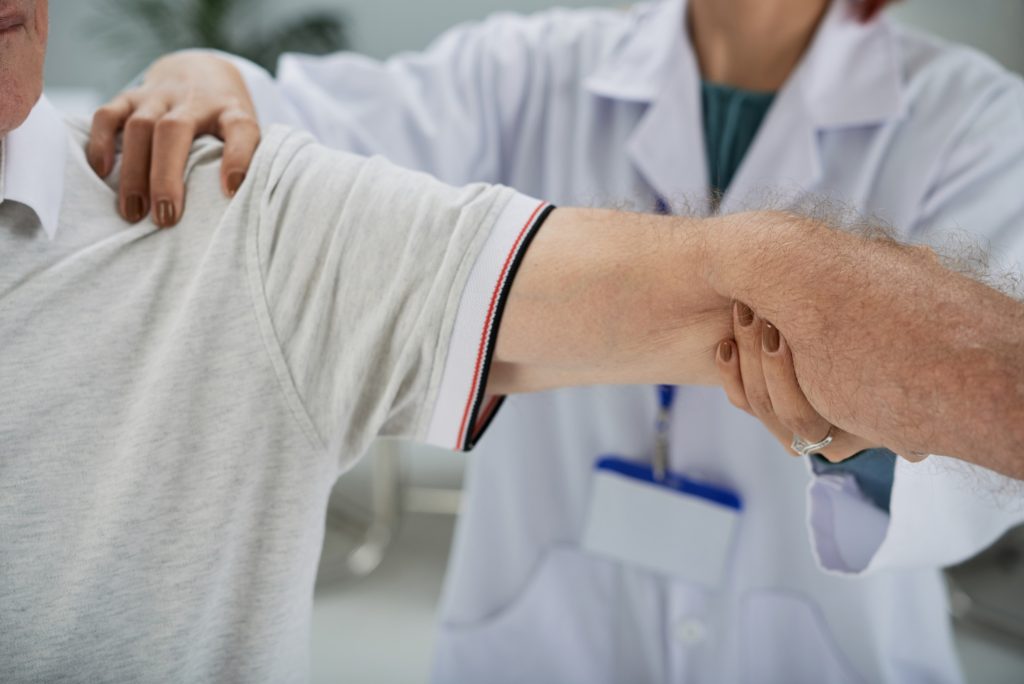
At Joint Health Solutions in Charlotte, we specialize in non-surgical care for joint stiffness. We evaluate the root cause—be it osteoarthritis, inflammatory arthritis, post-injury scarring, or muscle imbalance—and develop a personalized treatment plan to restore mobility, reduce pain, and help you move freely again. Our approach includes physical therapy, image-guided injections, regenerative medicine, and lifestyle guidance, all delivered with a focus on conservative, evidence-based care.

Medically reviewed by: Dr. Jeffrey Galvin & Ariel Curtis, FNP-C | Last reviewed: March 2026

What Is Joint Stiffness?

Joint stiffness refers to a sensation of restricted movement, difficulty initiating motion, or a feeling of tightness within a joint. It may occur after periods of inactivity (like sleeping or sitting) or persist throughout the day. Stiffness is not a diagnosis but a symptom—one that can arise from a variety of underlying conditions affecting the joint itself or the surrounding soft tissues.

Understanding the cause is essential because treatment differs significantly depending on whether stiffness stems from arthritis, injury, or soft-tissue restriction.

Common Causes of Joint Stiffness

Osteoarthritis

The most frequent cause of joint stiffness, especially in the knees, hips, hands, and spine. Morning stiffness typically lasts less than 30 minutes and improves with gentle movement. As arthritis progresses, stiffness may become more persistent.

Inflammatory Arthritis

Rheumatoid arthritis, psoriatic arthritis, and ankylosing spondylitis cause prolonged morning stiffness (often >30–60 minutes) and systemic inflammation. Stiffness may improve with activity but return after rest.

Adhesive Capsulitis (Frozen Shoulder)

A condition where the shoulder capsule thickens and tightens, leading to progressive stiffness and loss of motion. It often occurs in three stages: freezing, frozen, and thawing.

Post-Traumatic Stiffness

After fractures, dislocations, or ligament repairs, the joint may become stiff due to scar tissue, prolonged immobilization, or muscle weakness.

Muscle Imbalance & Overuse

Chronic tightness in muscles crossing a joint (e.g., tight hamstrings limiting knee extension) can create a sensation of stiffness without true intra-articular pathology.

Systemic Conditions

Diabetes, thyroid disorders, and other metabolic conditions can contribute to joint stiffness, often through soft-tissue changes or neuropathic influences.

Joints Most Commonly Affected by Stiffness

Joint Common Stiffness Patterns
Knee Difficulty fully straightening or bending; stiffness after sitting or upon waking.
Hip Stiffness in the groin or outer hip; trouble putting on socks or shoes.
Shoulder Reduced overhead reach; difficulty reaching behind the back; "frozen" sensation.
Hand & Wrist Morning stiffness, difficulty making a fist, reduced grip strength.
Ankle & Foot Stiffness after rest; difficulty with stairs or uneven ground.
Spine (Neck/Back) Stiffness upon waking, reduced rotational range, muscle tightness.

Symptoms Associated with Joint Stiffness

Gelling phenomenon

Stiffness after sitting for a period, improves after a few minutes of movement.

Morning stiffness

Duration helps differentiate osteoarthritis (short) from inflammatory arthritis (long).

Reduced range of motion

Difficulty performing daily activities (e.g., dressing, reaching, climbing stairs).

Pain

Stiffness and pain often coexist; pain may worsen with movement or at night.

Swelling or warmth

May indicate inflammatory arthritis or active synovitis.

Catching or locking

Suggests mechanical issues like meniscal tears or loose bodies.

Diagnosing the Cause of Joint Stiffness

Detailed history

Onset, duration, associated symptoms (swelling, pain, systemic signs), aggravating/relieving factors, previous injuries.

Physical examination

Assess active and passive range of motion, end-feel, joint stability, muscle strength, and palpation for tenderness or warmth.

Imaging

X-rays evaluate joint space narrowing, osteophytes, and alignment. Ultrasound detects synovitis, effusion, and soft-tissue pathology. MRI may be used for complex cases involving cartilage, ligaments, or tendons.

Laboratory tests

When inflammatory arthritis is suspected, blood work (ESR, CRP, rheumatoid factor, anti-CCP) may be ordered.

Accurate diagnosis is the foundation of effective treatment. Once we understand the underlying cause, we can tailor a non-surgical plan to restore mobility.

Non-Surgical Treatment Options for Joint Stiffness

Physical Therapy & Manual Therapy

  • Passive stretching to improve range of motion.
  • Joint mobilizations to restore normal arthrokinematics.
  • Soft-tissue mobilization to release muscle tightness and adhesions.
  • Therapeutic exercise to strengthen supporting muscles and maintain gains.
  • Home Stretching Programs

    Consistency is key. We prescribe daily stretching routines tailored to your specific joint and limitations. Simple exercises performed at home can significantly improve stiffness over time.

    For the Ballantyne Golfer

    We focus on the "Trailing Arm" mechanics that lead to medial epicondylitis, getting you back to the 18th hole faster.

    Heat and Cold Therapy

  • Heat (warm packs, warm baths) before stretching can increase tissue extensibility.
  • Cold after activity can reduce inflammation and pain.
  • Activity Modification & Joint Protection

    Avoiding positions or activities that exacerbate stiffness while maintaining mobility is important. For example, alternating sitting and standing, using ergonomic tools, or modifying sports techniques.

    Anti-Inflammatory Medications

    NSAIDs (oral or topical) may be used short-term to reduce inflammation that contributes to stiffness, particularly in inflammatory arthritis or flare-ups.

    Bracing & Splinting

    In some cases, night splints (e.g., for hand stiffness or plantar fasciitis) or dynamic splints can help maintain range of motion.

    Injection Options for Joint Stiffness

    Joint Common Stiffness Patterns
    Knee Difficulty fully straightening or bending; stiffness after sitting or upon waking.
    Hip Stiffness in the groin or outer hip; trouble putting on socks or shoes.
    Shoulder Reduced overhead reach; difficulty reaching behind the back; "frozen" sensation.
    Hand & Wrist Morning stiffness, difficulty making a fist, reduced grip strength.
    Ankle & Foot Stiffness after rest; difficulty with stairs or uneven ground.
    Spine (Neck/Back) Stiffness upon waking, reduced rotational range, muscle tightness.

    Regenerative Medicine for Joint Stiffness

    For select patients with mild to moderate DJD, regenerative medicine offers an opportunity to support the body’s natural healing processes.

    PRP (Platelet-Rich Plasma)

    Helps modulate inflammation and may improve tissue quality in capsular or tendinous structures.

    These treatments are not “quick fixes” but can address underlying biological factors contributing to stiffness. Candidacy is determined after thorough evaluation.

    A medical professional wearing black gloves placing a vial of blood into a laboratory centrifuge machine for PRP preparation.

    When Surgery May Be Considered

    Surgery is reserved for cases where stiffness is refractory to conservative care and significantly impairs quality of life. Examples include:

    When surgery is appropriate, we coordinate with leading orthopedic surgeons in Charlotte to ensure seamless care and optimal outcomes.

    Why Choose Joint Health Solutions for Joint Stiffness Care

    Non-Surgical Experts

    Dr. Jeffrey Galvin and Ariel Curtis, FNP-C, specialize in diagnosing and treating joint stiffness without surgery.

    Precision Diagnosis

    We combine advanced imaging (X-ray, ultrasound) and clinical expertise to pinpoint the cause.

    Image-Guided Injections

    All injections are performed with fluoroscopic or ultrasound guidance for safety and accuracy.

    Comprehensive Rehabilitation

    We work with experienced physical therapists to maximize mobility.

    Personalized Approach

    Your treatment plan is tailored to your specific condition, goals, and lifestyle.

    Local Convenience

    Proudly serving Charlotte, Huntersville, Concord, Matthews, and surrounding areas.

    Frequently Asked Questions About Joint Stiffness

    What causes morning joint stiffness?

    Morning stiffness is commonly caused by osteoarthritis (stiffness typically <30 minutes) or inflammatory arthritis (stiffness often >30 minutes). It results from fluid accumulation, inflammation, or decreased lubrication during sleep. Gentle movement usually helps.

    Consistent stretching, heat application before activity, low-impact exercise (walking, cycling), and staying hydrated can help. Avoid prolonged immobility; take breaks to move throughout the day. A physical therapist can provide a targeted home program.

    Yes. Physical therapy is one of the most effective treatments for joint stiffness. Therapists use manual techniques, stretching, and strengthening exercises to restore range of motion and correct underlying muscle imbalances that contribute to stiffness.

    Frozen shoulder (adhesive capsulitis) is a condition where the shoulder capsule thickens and tightens, causing progressive stiffness. Treatment includes physical therapy, corticosteroid injections, hydrodilatation, and in persistent cases, capsular release surgery. Early treatment yields better outcomes.

    Injections can be highly effective when stiffness is driven by inflammation or capsular restriction. Corticosteroid injections reduce inflammation; hydrodilatation expands the joint capsule in frozen shoulder; PRP addresses chronic inflammatory processes. Image guidance ensures accuracy.

    Improvement depends on the cause and treatment. With consistent physical therapy and home exercises, many patients notice improvement within 4–6 weeks. Inflammatory causes may respond more quickly to injections. Chronic stiffness (e.g., frozen shoulder) may take several months.

    It can be. Osteoarthritis and inflammatory arthritis are common causes, but stiffness can also result from injury, overuse, or soft-tissue restrictions. A thorough evaluation is needed to determine the underlying cause.

    Yes. A diet rich in anti-inflammatory foods (omega-3 fatty acids, fruits, vegetables) may help reduce stiffness associated with inflammatory arthritis. Weight management also reduces mechanical stress on weight-bearing joints. Supplements like curcumin or fish oil may be beneficial, but consult your provider.

    You should seek evaluation if stiffness lasts more than a few weeks, is accompanied by swelling, warmth, or redness, interferes with daily activities, work, or sleep, follows an injury, or is progressively worsening.

    Not all stiffness can be prevented, but you can reduce risk by staying active, maintaining a healthy weight, using proper ergonomics, and addressing injuries promptly. Regular stretching and strength training help maintain joint health.

    Stop Guessing. Start Healing.

    If joint stiffness is holding you back, explore non-surgical treatment options in Charlotte. Schedule an evaluation today.