
Physical Therapy for Joint Pain in Concord, NC is designed to help patients improve movement, reduce stiffness, build strength, and support long-term joint function without immediately turning to surgery. At Joint Health Solutions, we provide provider-guided physical therapy support for patients from Concord, Kannapolis, Harrisburg, Midland, Mount Pleasant, and nearby communities.
Joint pain and arthritis can make daily tasks harder, including walking, climbing stairs, reaching, lifting, exercising, working, sleeping comfortably, or getting up after sitting. A personalized physical therapy plan can help patients move with more confidence while supporting non-surgical joint care and osteoarthritis management.
Our clinical team focuses on practical, patient-friendly care that supports mobility, strength, balance, joint protection, and long-term function.
Care is led by experienced medical professionals, including Dr. Jeffrey Galvin and Ariel Curtis, FNP-C.
Physical therapy is a movement-based approach that helps improve strength, flexibility, mobility, balance, and daily function. For patients with arthritis or joint pain, physical therapy can help reduce stress on painful joints by improving the muscles and movement patterns that support them.
At Joint Health Solutions, physical therapy support is personalized around your symptoms, affected joint, mobility level, activity goals, and long-term care plan. The goal is not only to complete exercises, but to help you move better in daily life.

Physical therapy can support reduced joint irritation by improving strength, flexibility, posture, and movement mechanics.

Stronger muscles help support painful or arthritic joints and can reduce unnecessary stress during movement.

Gentle stretching and mobility work can help reduce stiffness and improve range of motion.

Therapy can improve walking, standing, reaching, stair use, and confidence with daily activity.

The goal is to help patients return to daily routines with better movement, less stiffness, and more confidence.
Physical therapy can be an important part of a non-surgical joint care plan for arthritis, osteoarthritis, stiffness, and mobility limitations.
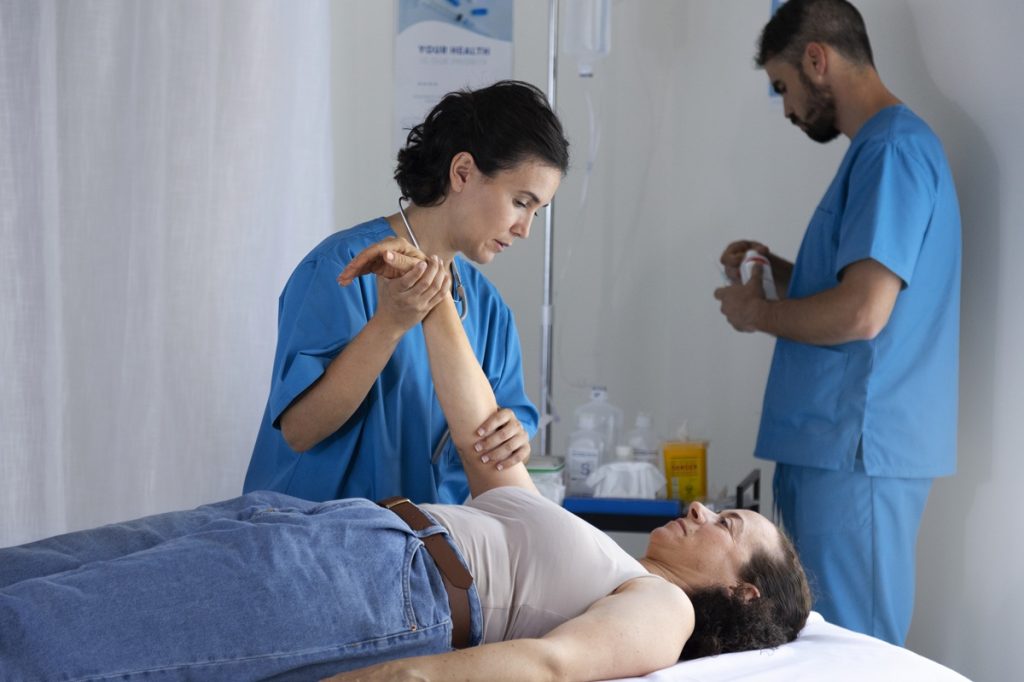
A therapy plan can help reduce joint stress by improving how the body moves. When muscles support the joint more effectively, daily activity can feel more comfortable.
Physical therapy can support:
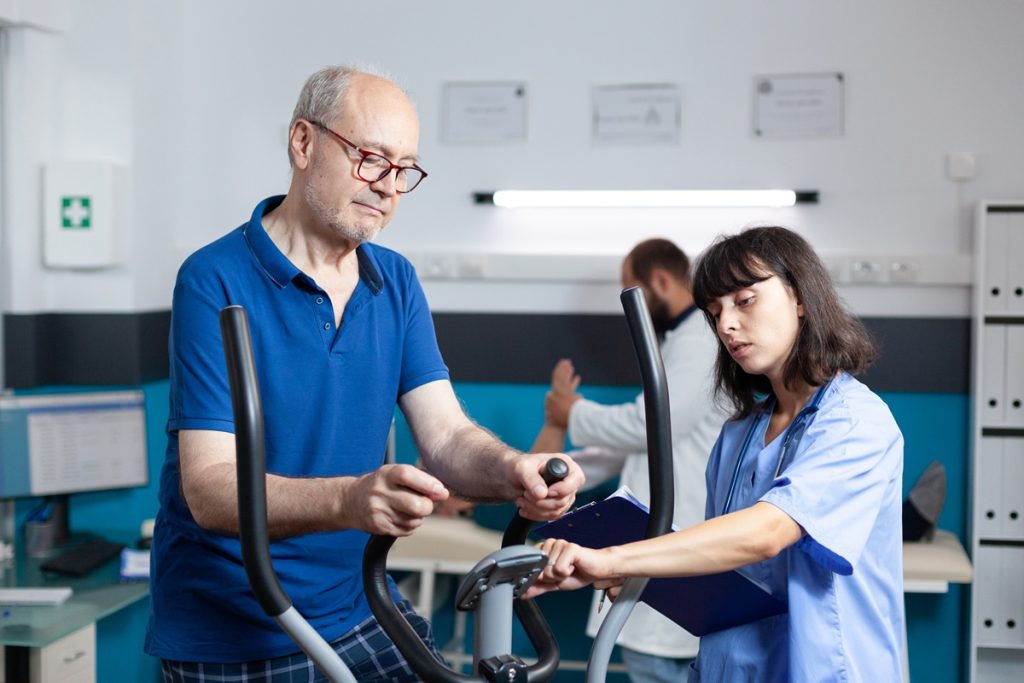
Joint stiffness often limits daily movement. Physical therapy uses gentle mobility work, stretching, and movement retraining to help the joint move more comfortably.
Mobility work can support:

Weak muscles can increase stress on painful joints. Strengthening the muscles around the knee or shoulder can help improve stability, movement control, and function.
Strength training can support:
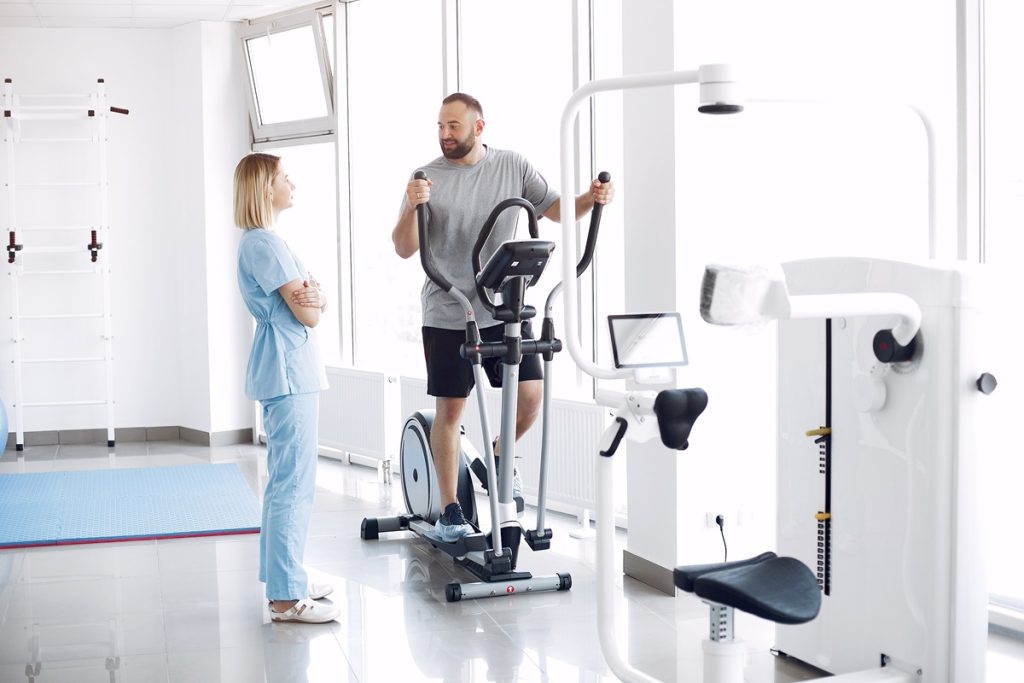
Joint pain can cause patients to move differently, which can create more stress over time. Physical therapy helps improve movement habits during walking, standing, lifting, reaching, bending, and exercising.
Movement correction can help with:

Physical therapy may improve strength, movement, and function for selected patients. Orthopedic evaluation or surgery may still become appropriate depending on the diagnosis, structural damage, symptoms, and response to nonsurgical care.
Physical therapy support can be used as part of a non-surgical care plan for knee and shoulder-related joint concerns.
| Condition | How Physical Therapy Can Help |
|---|---|
| Knee Osteoarthritis | Supports knee strength, mobility, stair tolerance, walking comfort, and joint protection |
| Shoulder Arthritis | Supports range of motion, shoulder mechanics, strength, reaching, lifting, and daily function |
| Degenerative Joint Disease | Helps improve mobility, reduce stiffness, and support long-term joint function |
| Joint Stiffness | Uses movement, stretching, and strengthening to improve flexibility and activity tolerance |
| Bone-on-Bone Arthritis | Supports surrounding muscles, mobility, balance, and functional movement when clinically appropriate |
| Post-Injection Mobility Support | Helps patients return to guided movement after injections when appropriate |
| Activity-Related Joint Pain | Supports movement correction, strengthening, and safer activity planning |
At Joint Health Solutions, care is focused on approved non-surgical joint care services, especially knee and shoulder-related concerns.
At Joint Health Solutions, your physical therapy support is personalized around your symptoms, movement limitations, and goals. The process is designed to be clear, practical, and focused on real-life function.
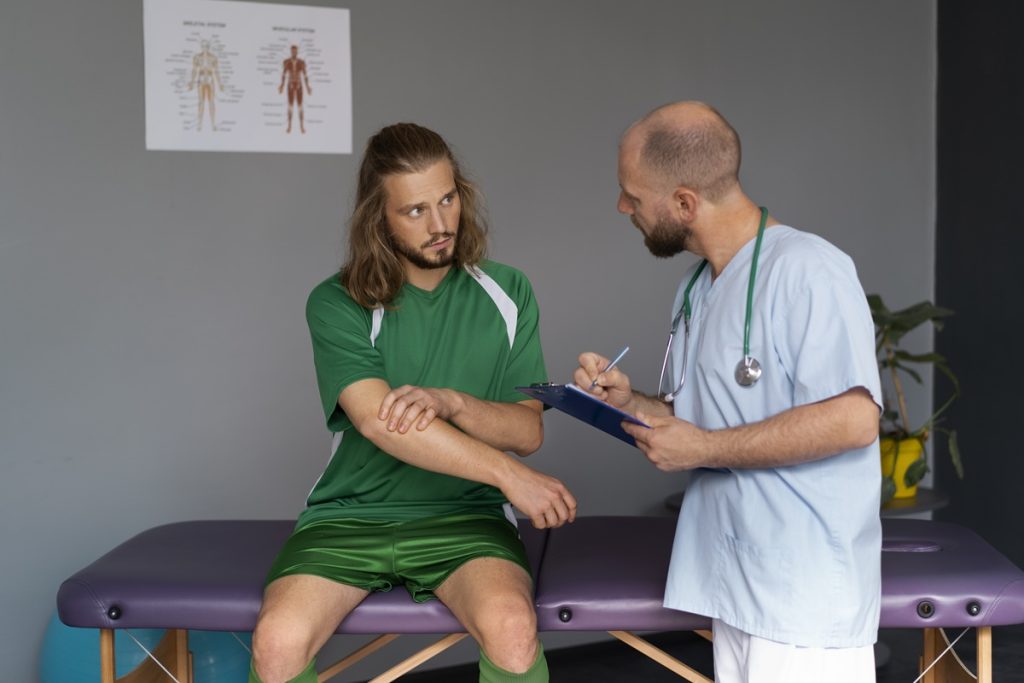
Your provider reviews your symptoms, medical history, prior treatments, activity level, and goals. This helps identify how joint pain, stiffness, or arthritis is affecting your movement and daily life.
Your plan is built around your affected joint, mobility level, strength, activity demands, and long-term goals. The goal is to create a realistic plan you can follow consistently.
Your provider can recommend exercises to improve flexibility, strength, balance, and movement control. Exercises are selected based on your condition and tolerance.
You receive guidance for at-home movement, stretching, strengthening, and activity modification. Your plan can be adjusted based on your progress and response.
Physical therapy works best when it fits into a broader lifestyle plan. Your provider can guide you on movement habits, activity pacing, recovery, and joint protection.
Physical therapy for joint pain and arthritis can include several movement-based strategies. Your plan depends on your symptoms, joint condition, and treatment goals.

Therapeutic exercise focuses on strengthening the muscles that support painful or arthritic joints. This can improve stability, confidence, and function.
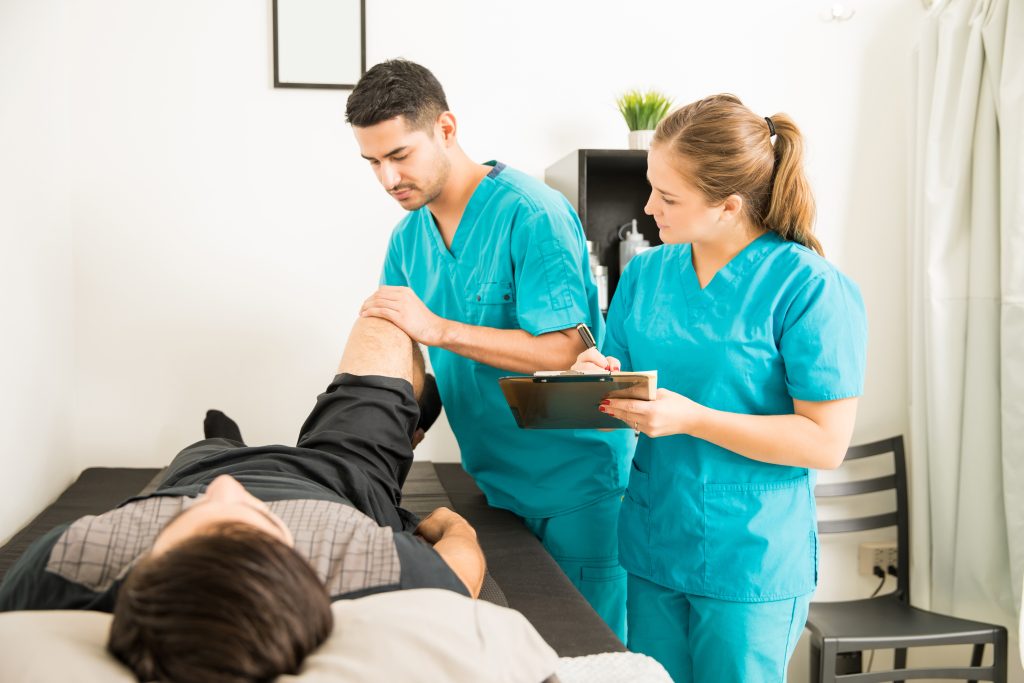
Manual therapy can be used to support mobility, reduce stiffness, and improve movement quality when appropriate.

Stiff joints often need guided mobility work. Stretching and mobility exercises can help improve flexibility and reduce tightness.
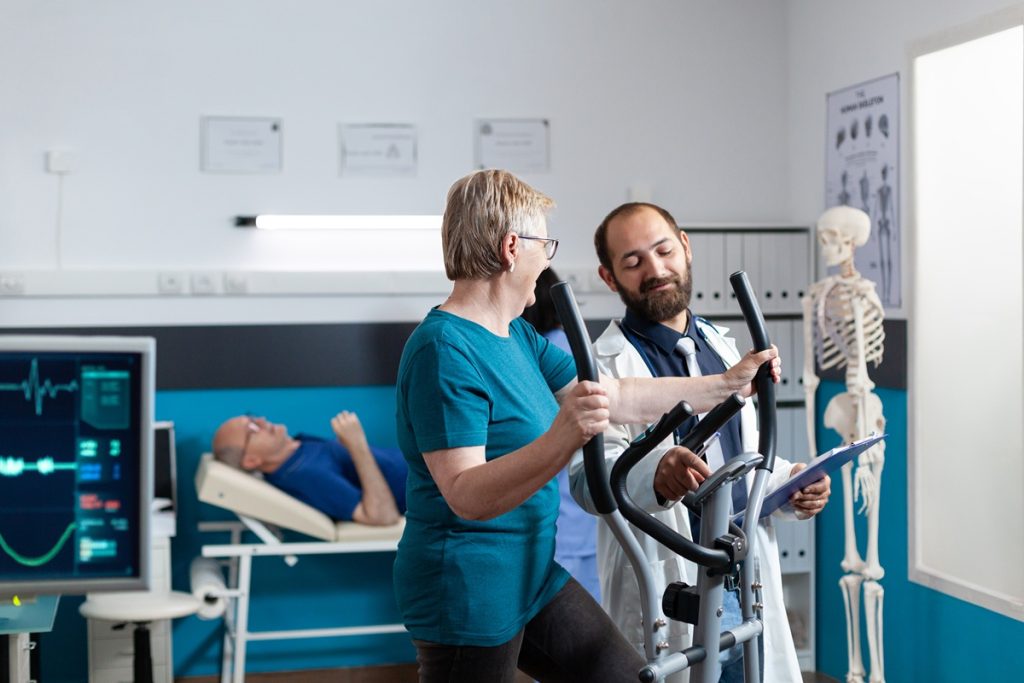
For knee-related pain or arthritis, gait and movement training can help patients walk, stand, climb stairs, and move with better mechanics.

Education helps patients understand how to protect joints, pace activities, exercise safely, and manage flare-ups.
Physical therapy can work alongside other non-surgical joint care options. Your provider can help determine the right combination based on your symptoms, goals, and joint condition.
| Treatment | Purpose |
|---|---|
| Physical Therapy Guidance | Supports strength, flexibility, movement quality, and daily function |
| Cortisone Injections | Helps reduce inflammation during painful flare-ups when clinically appropriate |
| Hyaluronic Acid Injections | Supports knee joint lubrication and cushioning for selected patients with knee osteoarthritis |
| PRP Therapy | Supports the body’s natural healing response for selected knee or shoulder concerns |
| Toradol IM Injection | Provides short-term non-opioid anti-inflammatory flare support when appropriate |
| Bracing Support | Helps support knee stability and reduce stress during activity when appropriate |
| Lifestyle Support | Supports weight management, activity planning, nutrition, recovery, and long-term joint health |
At-home exercises can support joint mobility and strength when performed safely and consistently. These examples are general and should be adjusted based on your symptoms and provider guidance.
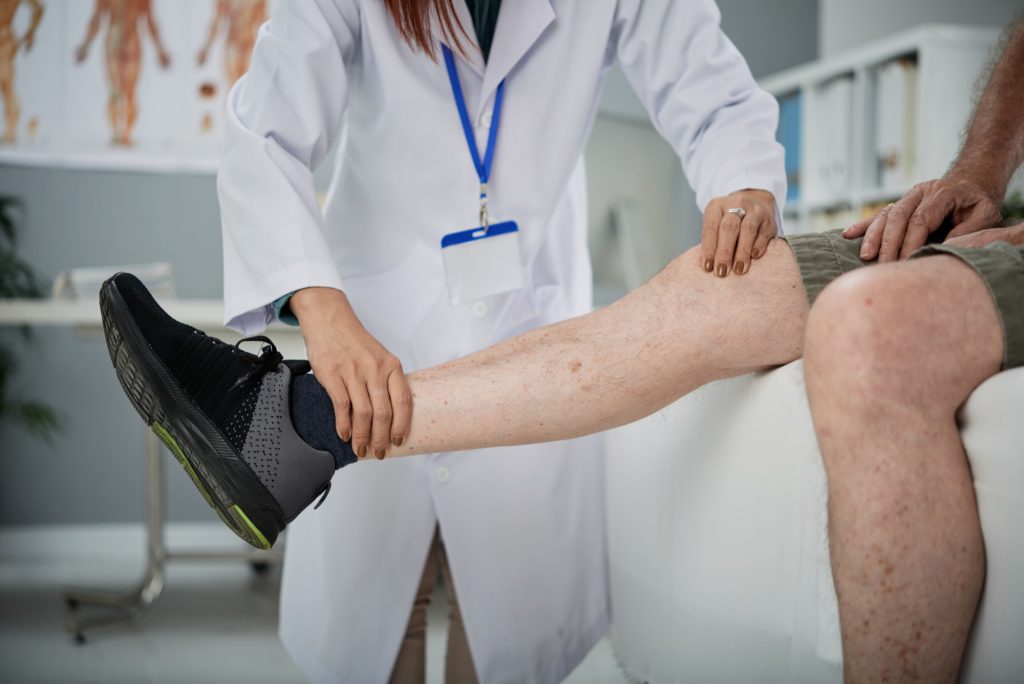
For knee stiffness or arthritis, gentle movement and strengthening can help support walking, stairs, and daily function.
Examples can include:

For shoulder stiffness or arthritis, gentle range-of-motion work can support reaching, lifting, and daily tasks.
Examples can include:
The timeline depends on the condition, severity, consistency, mobility level, and treatment goals. Some patients notice early improvements in movement confidence, while others need a longer plan to build strength and function.

Patients with mild symptoms can sometimes improve with a focused short-term plan and consistent home exercises.

Patients with ongoing stiffness, weakness, or mobility limitations often need a longer plan that includes strengthening, stretching, and activity modification.

For chronic arthritis or osteoarthritis, physical therapy can become part of a long-term joint health plan rather than a one-time treatment.
Your provider will discuss realistic expectations based on your condition and goals.

Physical therapy supports better range of motion and more comfortable movement during daily activities.

Guided movement and stretching can help reduce tightness and improve flexibility.

Stronger muscles help support the joint and reduce unnecessary stress during activity.

Therapy can help patients walk, reach, lift, climb stairs, exercise, and complete daily routines more comfortably.

Physical therapy supports conservative care for patients who want to explore non-surgical options before surgery.
Therapy can be part of a long-term plan for managing arthritis symptoms, mobility, and joint function.
Joint-Focused Expertise
Joint Health Solutions focuses on non-surgical joint care and osteoarthritis management for patients seeking better movement and long-term function.
Aging, Injury & Arthritis Support
Care is designed for patients dealing with arthritis, stiffness, degeneration, previous injury, and activity-related joint discomfort.
Personalized Plans
Each plan is based on your symptoms, affected joint, mobility level, strength, lifestyle, and goals.
Convenient Care
Joint Health Solutions serves patients traveling from Concord, Kannapolis, Harrisburg, Midland, Mount Pleasant, and surrounding communities.
Comprehensive Options
Physical therapy support can be combined with injections, bracing support for knee concerns, lifestyle guidance, nutrition support, and long-term mobility planning.
Provider-Led Care
Care is guided by experienced medical professionals, including Dr. Jeffrey Galvin and Ariel Curtis, FNP-C.
Yes. Physical therapy can help many patients with arthritis improve strength, flexibility, mobility, and daily function. It is often part of a non-surgical arthritis care plan.
Frequency depends on your condition and provider recommendation. Many patients benefit from consistent gentle movement and strengthening several times per week.
Physical therapy should challenge the body safely, but it should not cause sharp or worsening pain. Your provider can adjust exercises based on comfort and tolerance.
Some patients notice early improvement within a few weeks, while others improve gradually over a longer period. Results depend on consistency, condition severity, and overall care plan.
For selected patients, physical therapy can improve strength, mobility, and function enough to delay or avoid surgery when clinically appropriate. Surgery can still be considered if conservative care is no longer enough.
The best exercise depends on the joint involved and the cause of pain. Low-impact activity, strengthening, stretching, and range-of-motion work are commonly used for joint pain and arthritis.
Yes. Physical therapy can support knee strength, walking comfort, stair tolerance, balance, and long-term knee function for patients with osteoarthritis.
Yes. Physical therapy can support shoulder range of motion, strength, movement mechanics, and daily function for patients with shoulder arthritis or stiffness.
Yes. Joint Health Solutions serves patients from Concord, Kannapolis, Harrisburg, Midland, Mount Pleasant, and nearby areas who are looking for non-surgical joint care and physical therapy support.
Appointments for patients traveling from Concord and nearby communities are held at the Joint Health Solutions clinic at 9350 Benfield Road, Suite 109, Charlotte, NC 28269. The practice does not currently operate a physical Concord clinic.
Joint pain, stiffness, and arthritis can make daily movement harder, but the right care plan can help you move with more confidence. Joint Health Solutions offers personalized Physical Therapy for Joint Pain in Concord, NC for patients seeking non-surgical joint care, mobility support, and long-term osteoarthritis management.
Our team provides provider-led evaluation, physical therapy guidance, home exercise planning, mobility support, and comprehensive non-surgical treatment options when appropriate.