
Bone-on-Bone Arthritis Concord NC care is available at Joint Health Solutions for adults dealing with advanced knee or shoulder osteoarthritis, joint stiffness, inflammation, grinding, swelling, weakness, or reduced mobility. Bone-on-bone arthritis can make walking, lifting, reaching, standing, climbing stairs, exercising, working, sleeping, and daily movement more difficult.
For patients from Concord, NC and nearby areas, Bone-on-Bone Arthritis Concord NC focuses on non-surgical osteoarthritis management options designed to reduce discomfort, improve joint function, and support long-term mobility. Our team creates personalized care plans based on your symptoms, joint condition, activity level, and treatment goals.
Medically reviewed by: Dr. Jeffrey Galvin & Ariel Curtis, FNP-C
Bone-on-bone arthritis happens when the protective cartilage inside a joint becomes severely worn down. Cartilage normally helps cushion the joint and allows smooth movement. When cartilage loss becomes advanced, the joint space narrows and the bones move closer together.
This can lead to pain, stiffness, swelling, inflammation, grinding, weakness, and reduced movement. Some patients hear “bone-on-bone” and assume surgery is the only option. However, many patients may still have non-surgical care options that help support comfort and daily function.
Bone-on-Bone Arthritis Concord NC care at Joint Health Solutions begins with a clinical evaluation, symptom review, and personalized osteoarthritis management plan. We do not perform lab-based diagnostic testing or nerve blocks for this type of care.

Because bone is richly innervated with pain fibers.

The synovial lining reacts with chronic inflammation.

Range of motion decreases, and joint mechanics are compromised.

Ligaments and muscles weaken due to disuse and abnormal loading.
Despite the advanced nature of bone-on-bone arthritis, many patients can still achieve meaningful relief without surgery. The key is a comprehensive, personalized approach that addresses pain, inflammation, biomechanics, and patient goals.
Bone-on-bone arthritis can affect how the joint moves, absorbs pressure, and responds to everyday activity. Over time, advanced cartilage wear may make normal movement painful or restricted.

Cartilage becomes thinner and less able to cushion the joint during movement.

As cartilage loss progresses, joint space becomes smaller, which may increase pressure and discomfort.

The joint may become irritated, swollen, tender, or stiff during activity or flare-ups.

Extra bone growth may form around the joint and contribute to stiffness or reduced movement.

Pain, grinding, weakness, and stiffness may make walking, lifting, reaching, or daily tasks more difficult.
A personalized Bone-on-Bone Arthritis Concord NC plan helps patients explore non-surgical ways to manage these symptoms.
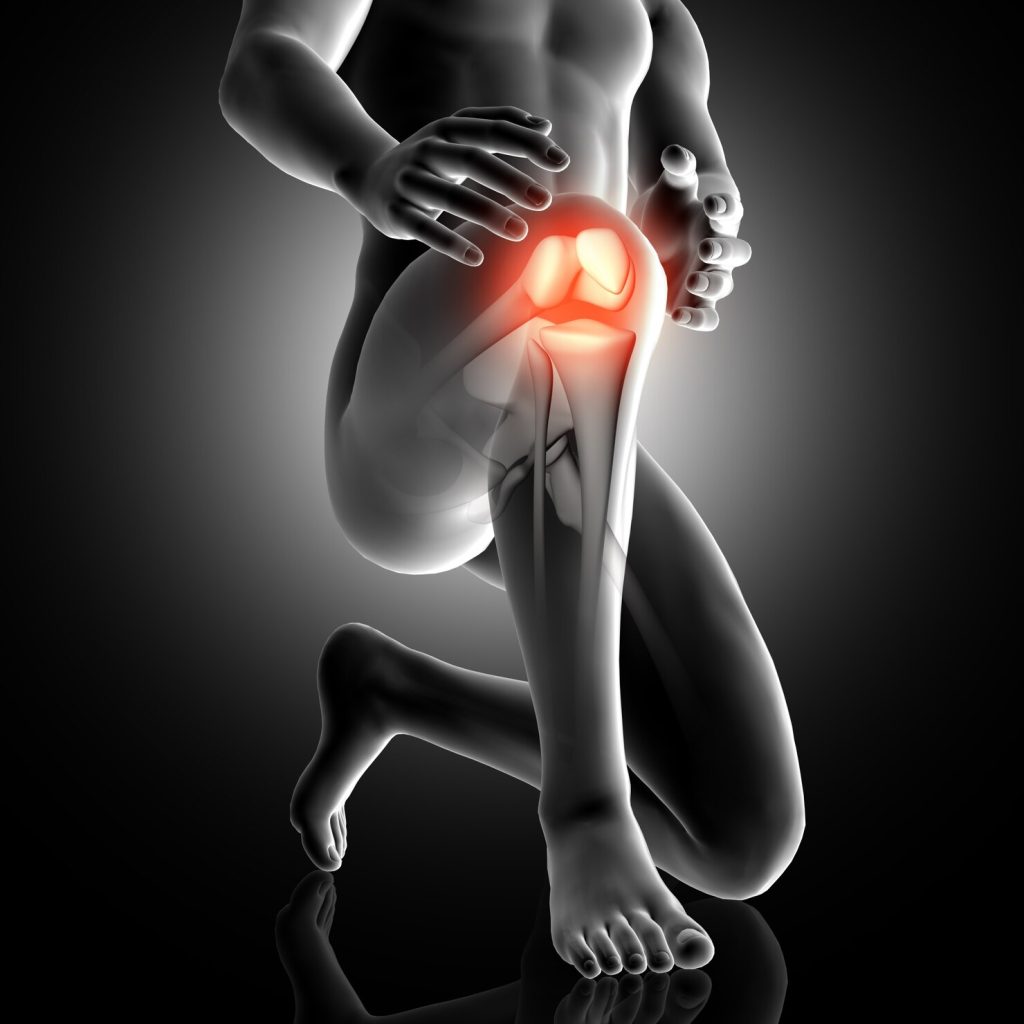
Knee bone-on-bone arthritis may cause pain with walking, standing, bending, climbing stairs, squatting, or getting up from a chair. Patients may also notice swelling, stiffness, grinding, weakness, or reduced walking comfort.
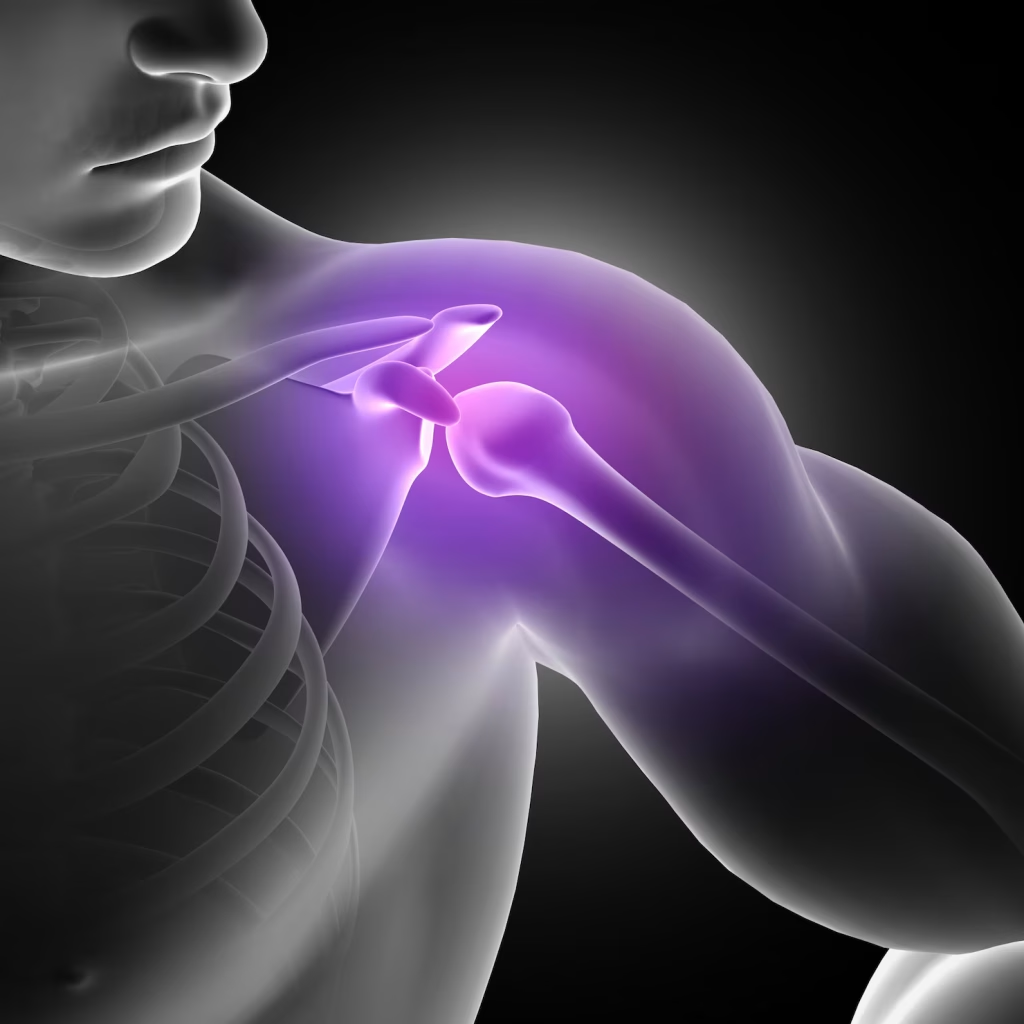
Shoulder bone-on-bone arthritis may cause pain with lifting, reaching, dressing, sleeping, or overhead movement. Patients may also notice stiffness, weakness, grinding, or limited range of motion.
Bone-on-Bone Arthritis Concord NC care is customized based on the joint involved, symptom severity, mobility needs, and long-term goals.
While symptoms vary by joint, patients with bone-on-bone arthritis commonly experience:
| Symptom | Description |
|---|---|
| Constant or near-constant pain | Pain may be present even at rest or at night, interfering with sleep. |
| Severe stiffness | Morning stiffness may last more than 30 minutes; the joint may feel “frozen” after inactivity. |
| Swelling and warmth | Chronic synovitis leads to visible swelling and increased warmth around the joint. |
| Crepitus | Loud grinding, crunching, or popping with movement. |
| Loss of motion | Significant reduction in range of motion, often with mechanical block from bone spurs. |
| Instability | The joint may buckle or feel unstable, especially in the knee. |
| Functional limitations | Difficulty with walking, climbing stairs, dressing, lifting, or performing work duties. |
If these symptoms are affecting your daily life, Bone-on-Bone Arthritis Concord NC care may help you explore non-surgical treatment options.
The right treatment plan starts with understanding your symptoms, movement limitations, and care goals. At Joint Health Solutions, evaluation is focused on clinical review and personalized treatment planning.

Your provider reviews your symptoms, pain level, previous injuries, daily activity limitations, and treatment goals.

A physical evaluation helps assess joint movement, stiffness, swelling, tenderness, strength, and functional mobility.

If you already have imaging, your provider may review it as part of your care planning. Joint Health Solutions does not perform lab-based diagnostic testing, diagnostic nerve blocks, or fluid analysis for this type of care.
A personalized Bone-on-Bone Arthritis Concord NC plan is based on your symptoms, joint function, and non-surgical treatment needs.
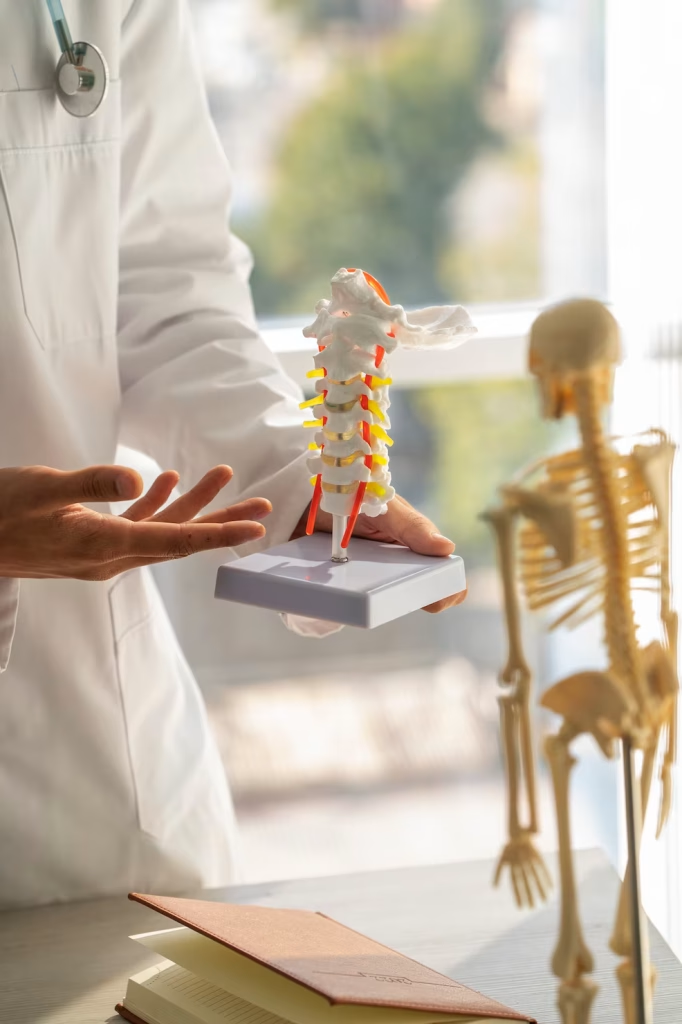
Many patients want to avoid or delay surgery when possible. Bone-on-Bone Arthritis Concord NC care may include several non-surgical options designed to reduce discomfort, support movement, and improve daily function.

Changing high-stress activities, reducing repetitive strain, and improving movement habits may help reduce joint irritation.

Healthy weight management can reduce pressure on the knees and support better daily mobility.

Physical therapy support may help improve strength, flexibility, range of motion, and movement patterns for knee or shoulder osteoarthritis.
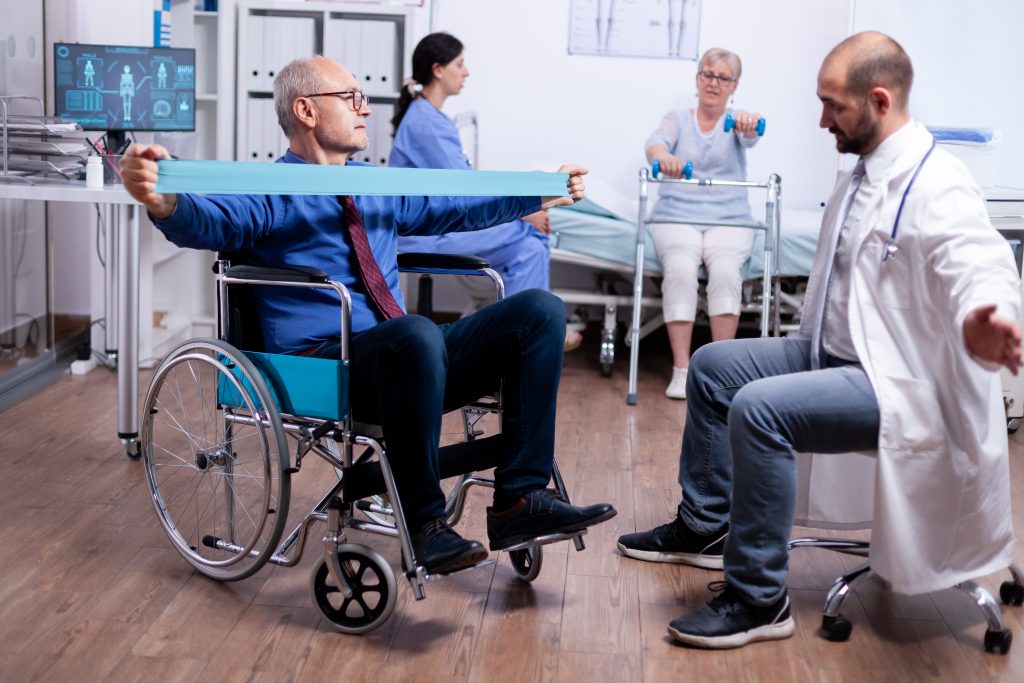
For knee bone-on-bone arthritis, supportive bracing may help reduce joint stress and improve stability. When appropriate, offloading brace support is handled in office.

Medication options may help manage inflammation and discomfort when appropriate. Your provider can discuss what may fit your care plan.
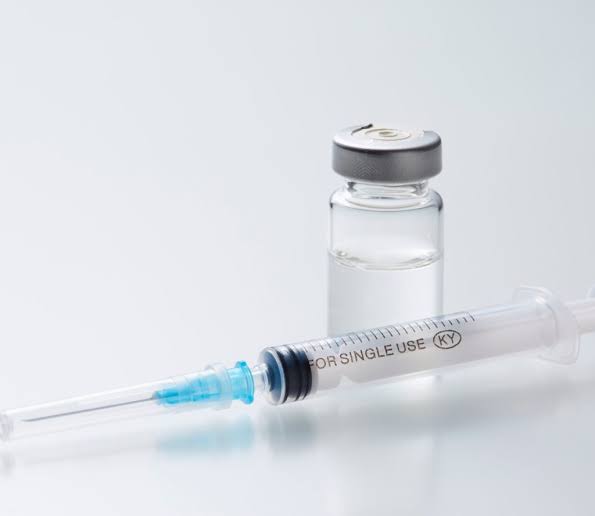
Toradol injection is now offered at Joint Health Solutions and may be considered for selected patients who need non-opioid support for inflammation-related osteoarthritis discomfort.
Injections may be part of a non-surgical osteoarthritis management plan. The right option depends on your symptoms, joint condition, inflammation level, and goals.
| Injection Type | Mechanism | Best For | Typical Duration |
|---|---|---|---|
| Corticosteroids | Potent anti-inflammatory; reduces synovitis and pain | Acute flare-ups; moderate to severe inflammation | Weeks to months |
| Hyaluronic Acid (Viscosupplementation) | Replaces lubricating joint fluid; provides cushioning | Mild-moderate knee arthritis; some benefit in advanced cases | 6-12 months |
| Platelet-Rich Plasma (PRP) | Concentrated growth factors to modulate inflammation and support tissue health | Advanced arthritis, especially when inflammation is a major component | 6-12+ months |
| Toradol Injection | Non-opioid NSAID that helps reduce inflammation and short-term discomfort | Acute knee or shoulder flare-ups needing short-term anti-inflammatory support when clinically appropriate | Short-term relief; provider-guided use only |
Joint Health Solutions offers hyaluronic acid options including Orthovisc, Hyalgan, GenVisc, Monovisc, and Durolane.
Bone-on-Bone Arthritis Concord NC care does not include diagnostic nerve blocks or lab-based testing. Your provider will explain which injection options may fit your knee or shoulder condition.
Regenerative medicine may be an option for selected patients with bone-on-bone arthritis symptoms. PRP therapy uses platelet-rich plasma from your own blood to support the body’s natural healing response.
For some patients seeking Bone-on-Bone Arthritis Concord NC care, PRP therapy may be recommended as part of a non-surgical plan for knee or shoulder discomfort, inflammation, or soft tissue irritation. Results vary, and your provider will explain whether PRP may be appropriate for your condition.
PRP is discussed here only as a joint-related treatment option, not as a facial or cosmetic service.

Derived from the patient’s own blood, PRP contains growth factors and anti-inflammatory cytokines that may help reduce pain and improve joint function even in end-stage arthritis.

Surgery may be considered when bone-on-bone arthritis becomes severe, symptoms continue to worsen, or non-surgical care no longer provides enough relief. However, surgery is not always the first step.
At Joint Health Solutions, we help patients explore conservative osteoarthritis management before considering more invasive procedures. If surgery becomes necessary, your provider can help explain your condition and guide you toward the next appropriate step.
Bone-on-Bone Arthritis Concord NC care is focused on helping patients understand their non-surgical options before making major treatment decisions.
For trusted general education about osteoarthritis and arthritis symptoms, patients can also review information from the Arthritis Foundation.
Joint Health Solutions provides Bone-on-Bone Arthritis Concord NC care for adults who want personalized, non-surgical osteoarthritis management for knee and shoulder symptoms.
Non-Surgical Experts
Dr. Jeffrey Galvin and Ariel Curtis, FNP-C, specialize in advanced conservative and interventional treatments for osteoarthritis.
Precision Injections
All procedures are performed with fluoroscopic or ultrasound guidance for accuracy, safety, and optimal results.
Comprehensive Approach
We combine physical therapy, lifestyle modification, injection therapies, and regenerative medicine to address the full spectrum of the disease.
Personalized Care
Your treatment plan is customized based on your specific joint, severity, goals, and lifestyle.
Concord-Area Patient Care
Joint Health Solutions serves patients from Concord, Charlotte, and nearby North Carolina communities.
Yes. Many patients with bone-on-bone arthritis achieve significant pain relief and functional improvement with non-surgical treatments such as physical therapy, bracing, image-guided injections (cortisone, hyaluronic acid, PRP), and regenerative medicine. While surgery remains an option for those who do not respond, a well-structured conservative approach can often delay or eliminate the need for joint replacement.
PRP (platelet-rich plasma) has been shown to reduce pain and improve function in patients with moderate to severe osteoarthritis, including some with bone-on-bone changes. PRP works by delivering concentrated growth factors that reduce inflammation and may support the health of remaining joint tissues. While it does not regrow cartilage, it can provide meaningful relief and improve quality of life.
The number of injections depends on the treatment type and your response. Corticosteroid injections may be repeated every 3-4 months as needed. Hyaluronic acid is typically a series of 1-3 injections. PRP often involves 1-3 treatments spaced several weeks apart. Your provider will develop a plan based on your specific condition.
Absolutely. Physical therapy is essential for managing bone-on-bone arthritis. Strengthening the muscles around the joint helps stabilize it, reducing the load on the arthritic surfaces. Improved flexibility and movement patterns can decrease pain and improve function, even in advanced stages.
Many patients delay joint replacement for years with a combination of lifestyle modifications, physical therapy, and periodic injections. Some patients avoid surgery altogether. The duration depends on the severity of symptoms, the joint involved, and how well you respond to treatment.
Yes. Weight loss is one of the most effective interventions for knee arthritis. Every pound of body weight lost reduces the load on the knee by approximately 4 pounds during walking. A 10% reduction in body weight can significantly decrease pain and improve function.
Walking is generally beneficial if it does not cause a significant increase in pain. It maintains joint mobility, strengthens muscles, and supports cardiovascular health. If walking is painful, consider shorter distances, flat surfaces, supportive footwear, or using a cane. Alternative low-impact activities like cycling or swimming may be recommended.
Most patients with bone-on-bone arthritis are candidates for non-surgical treatment unless they have a surgical emergency (such as a fracture) or a condition that makes conservative care unsafe. A comprehensive evaluation-including history, physical exam, and imaging-will determine which treatments are appropriate for you.
Success depends on the definition. Many patients achieve meaningful pain reduction, improved function, and satisfaction that allows them to postpone or avoid surgery. Success is highest when patients actively participate in their treatment plan, including physical therapy, weight management, and following activity recommendations.
Bone-on-bone arthritis can make walking, lifting, reaching, standing, sleeping, exercising, and daily movement difficult. If knee or shoulder osteoarthritis symptoms are limiting your comfort, Joint Health Solutions can help you explore non-surgical options.
Schedule your visit today for Bone-on-Bone Arthritis Concord NC and take the next step toward better movement, less discomfort, and improved joint support.
Request an appointment online: Schedule Now