
Platelet-rich plasma therapy uses a concentrated preparation made from a patient’s own blood. Adults searching for Platelet Rich Plasma Therapy Concord NC can visit Joint Health Solutions for provider-led evaluation, evidence-aware treatment planning, and a discussion of whether PRP is suitable for their knee condition and goals.
Joint Health Solutions provides PRP consultations for adults traveling from Concord and Cabarrus County to our Charlotte clinic at 9350 Benfield Road. We do not currently operate a physical clinic in Concord.
PRP is not appropriate for every joint condition. Current evidence is most relevant to selected patients with symptomatic knee osteoarthritis, and even there, evidence strength remains limited. PRP does not guarantee cartilage regrowth, tendon healing, arthritis reversal, permanent relief, or avoidance of surgery.
PRP is prepared by drawing a small amount of the patient’s blood and processing it to separate a platelet-rich portion. The preparation is then placed into a selected treatment area after candidacy, alternatives, risks, and evidence limitations have been reviewed.
Care is led by experienced medical professionals, including Dr. Jeffrey Galvin and Ariel Curtis, FNP-C.
PRP stands for platelet-rich plasma. It is an autologous preparation, meaning it is produced from the patient’s own blood.
Blood contains several components, including:
Platelets are involved in normal blood clotting and contain signaling proteins associated with the body’s natural response to injury. During PRP preparation, blood is processed so that a platelet-rich portion can be collected for clinical use.
The presence of platelets and signaling proteins does not prove that PRP can regenerate cartilage, heal a torn tendon, restore a meniscus, or reverse osteoarthritis. The clinical effect can vary according to:
PRP should therefore be presented as a treatment with condition-specific and sometimes limited evidence, not as a universal regenerative cure.
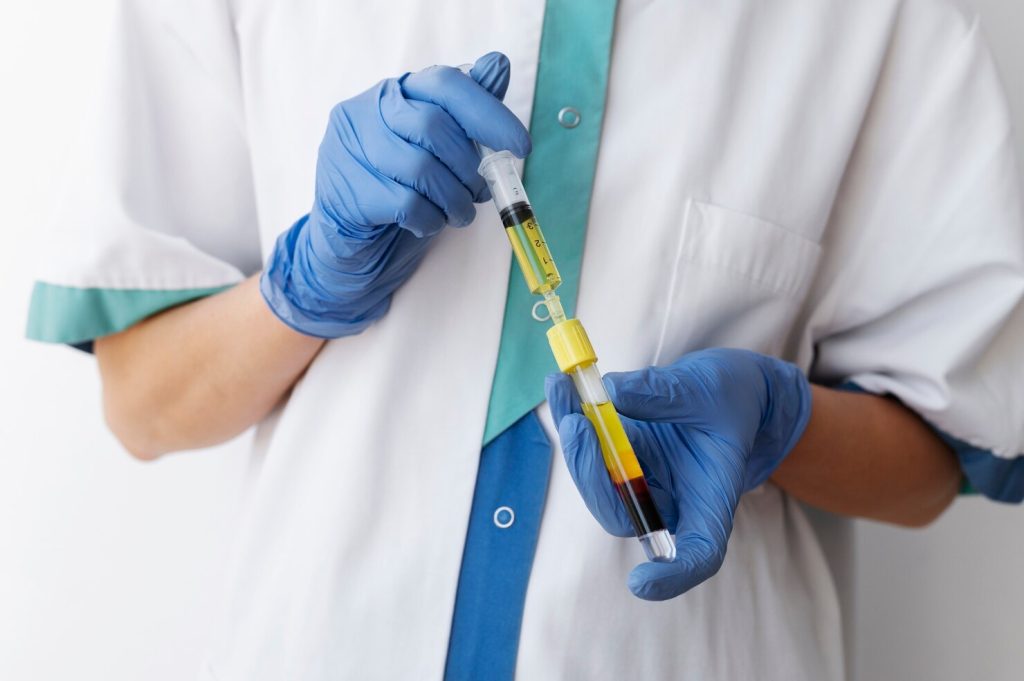
PRP is autologous and is produced from a blood sample collected from the patient.
This reduces exposure to donor-derived biological material, but it does not make the procedure risk free. Blood collection, processing, injection, local anesthetics, antiseptics, and other materials can still create risks or reactions.
Evidence for selected knee osteoarthritis patients is different from evidence for:

PRP is prepared through a multi-step process using the patient’s own blood.
Before the procedure, the provider reviews:
Additional assessment or referral can be recommended when the diagnosis, medical history, or risk profile requires it.
Learn more about Physical Therapy
A clinical team member draws a small blood sample from a vein, usually in the arm.
Possible blood-draw effects include:
The blood is placed in a centrifuge that rotates at controlled speed.
Centrifugation separates the blood into different layers. The exact processing method depends on the preparation system and treatment protocol.
The platelet-rich portion is collected for use.
PRP preparations are not identical. Factors such as platelet concentration, plasma volume, white-blood-cell content, and activation method can vary.
The skin is cleaned and the treatment area is prepared using appropriate clinical technique.
The provider determines whether ultrasound, fluoroscopy, anatomical guidance, or another approach is suitable for the specific target.
The PRP preparation is placed into or around the selected knee structure when clinically appropriate.
The provider should explain:
PRP should be discussed according to a clearly identified condition rather than general pain alone.
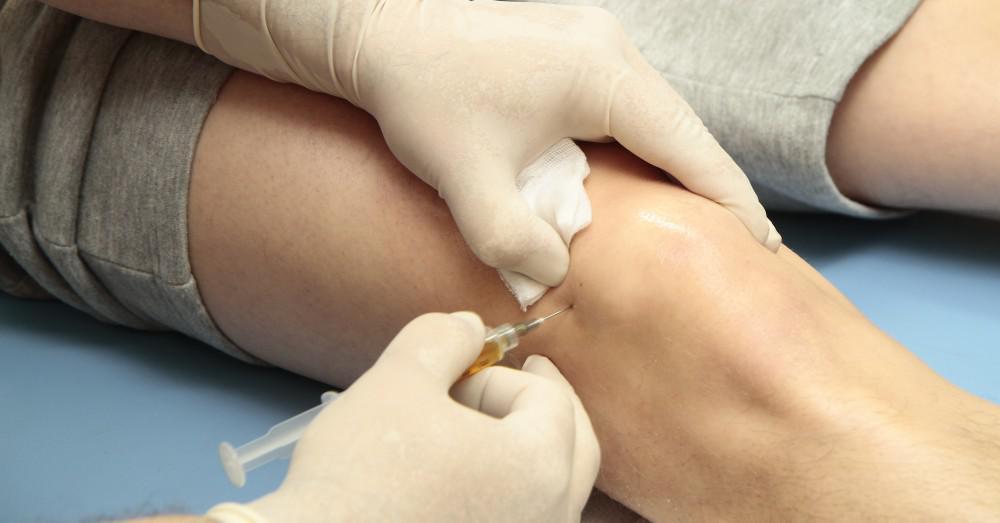
PRP can be considered for selected adults with symptomatic knee osteoarthritis after conservative care, alternatives, costs, evidence limitations, and treatment goals have been reviewed.
AAOS states that PRP may reduce pain and improve function in symptomatic knee osteoarthritis, but the recommendation carries limited evidence strength.
PRP does not guarantee:
Patients seeking broader arthritis information can review the dedicated Knee Arthritis Treatment Concord NC

Patients with advanced or bone-on-bone arthritis can ask about PRP, but response can be less predictable.
The discussion should include:
PRP should not be presented as a substitute for replacement evaluation when advanced arthritis creates substantial functional limitations.

PRP is sometimes marketed for meniscus damage, but evidence does not establish that a PRP injection reliably heals a degenerative meniscus tear.
Meniscus-related symptoms can overlap with osteoarthritis, instability, locking, or another knee condition. A clear evaluation should come before treatment selection.

PRP should not be promoted as established treatment for glenohumeral shoulder osteoarthritis.
AAOS states that injectable biologics such as PRP cannot be recommended for glenohumeral osteoarthritis because reliable evidence is lacking.
PRP is intended to place a concentrated platelet preparation into a selected treatment area.
The biological theory is that platelets release signaling proteins involved in normal tissue responses. However, the presence of those proteins does not guarantee that the treated tissue will regenerate or that symptoms will improve.
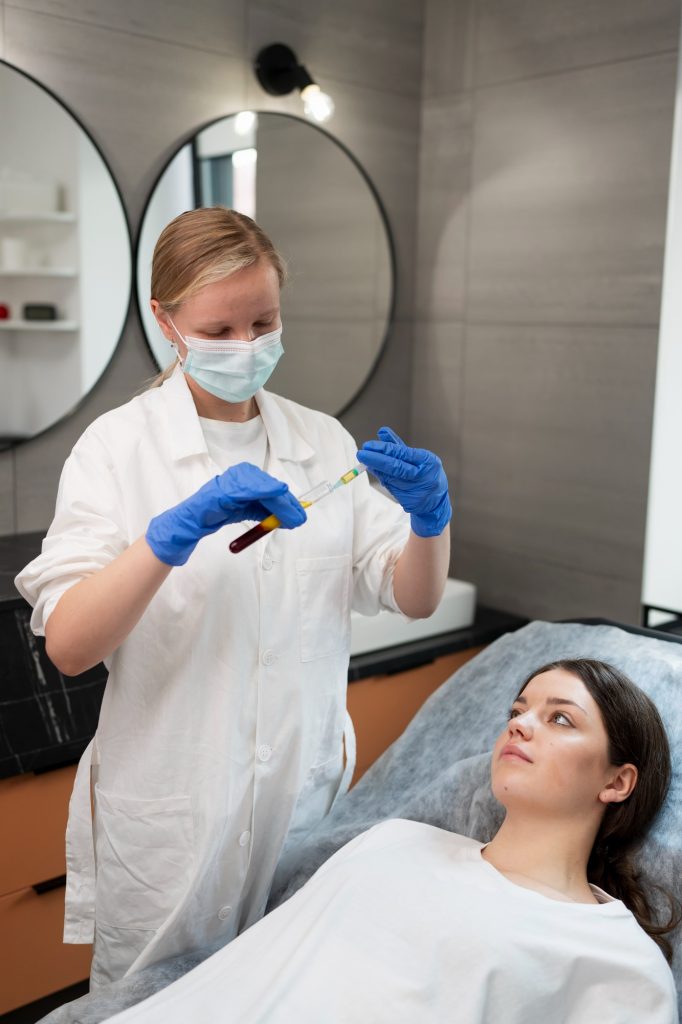
The provider reviews the condition, symptoms, function, previous treatment, medical history, and goals.
PRP should not be selected solely because a patient wants a “natural” treatment or hopes to avoid surgery.
Blood is collected and processed to prepare the platelet-rich portion.
The final composition can vary depending on the system and protocol.
The provider selects the target and technique based on the condition being treated.
The purpose is careful delivery, not a guarantee of clinical success.
Temporary soreness, swelling, or an increase in symptoms can occur.
The provider gives instructions about activity, medication, exercise, wound care, and follow-up.
Treatment value should be assessed through:
Symptom changes, Functional improvement, Activity tolerance, Adverse effects, Patient goals, Need for rehabilitation, Need for another treatment or referral

PRP has several practical characteristics, but each one has important limitations.
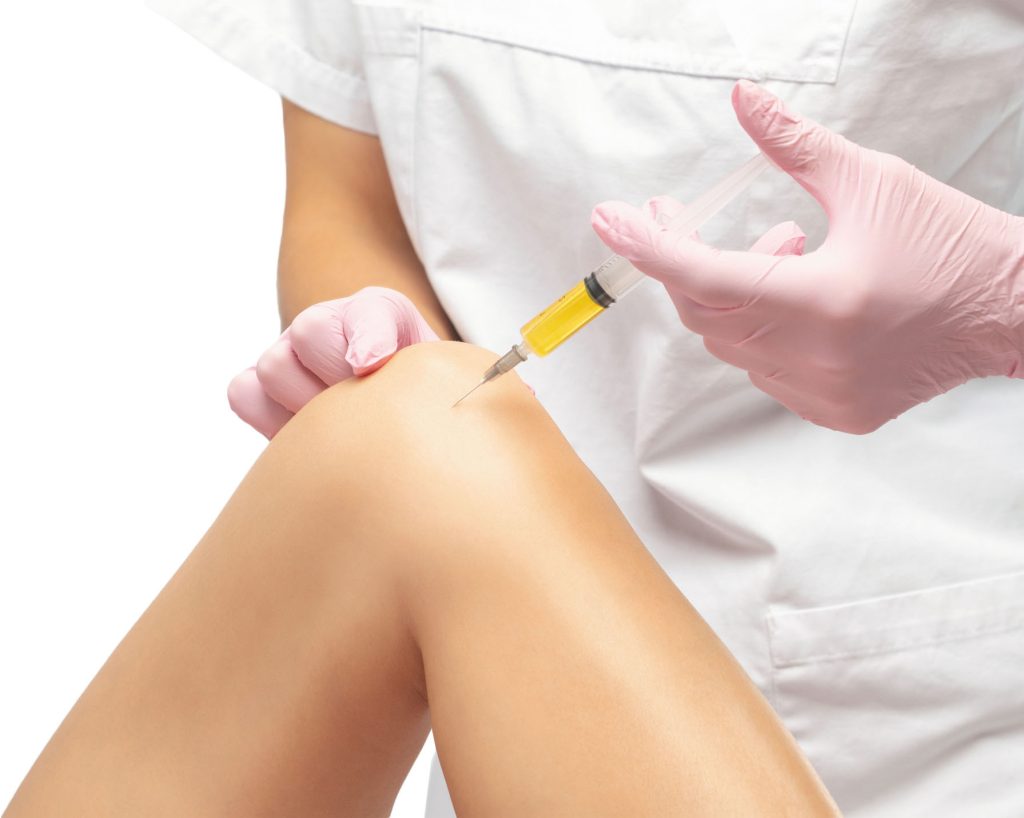
There is no universal number of PRP injections.
The treatment plan can depend on:
A provider can recommend:

PRP is not generally positioned as an immediate numbing treatment. When improvement occurs, it can develop gradually. The timeline varies according to the condition, disease severity, PRP preparation, activity, rehabilitation, and individual response. Patients should not be promised improvement within a specific number of days or weeks. Early soreness does not necessarily predict success or failure. Likewise, a temporary change in symptoms does not prove tissue repair.
Typical response patterns can include:
Contact the clinic when symptoms become severe, progressive, or accompanied by concerning signs.
The duration of support depends on the injection type, joint condition, arthritis severity, activity level, and individual response.
| Factor | How it can influence the response |
|---|---|
| Condition | Knee osteoarthritis evidence differs from tendon, meniscus, and shoulder evidence |
| Disease severity | Advanced structural disease can produce less predictable improvement |
| PRP preparation | Platelet and white-blood-cell content can vary |
| Rehabilitation | Strength, mobility, and activity planning can affect function |
| Previous treatment | Earlier response can inform, but not guarantee, future response |
| General health | Medical conditions, medication use, activity, and recovery can influence treatment |
| Individual response | Some patients improve, while others experience little or no benefit |
Repeated treatment should not be automatic. It should follow reassessment of benefit, risk, alternatives, and cost.
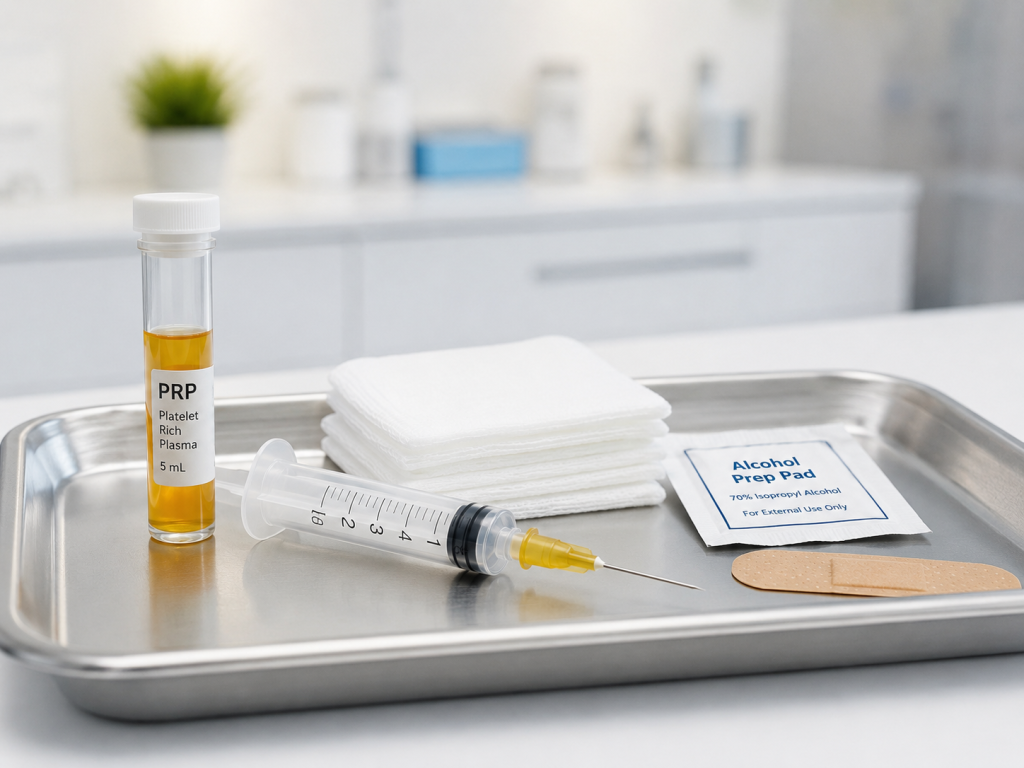
PRP therapy is generally well tolerated for many patients, but every treatment has potential risks, limitations, and response differences. Your provider will review your medical history and discuss whether PRP is appropriate for you.
Possible considerations include:
Because PRP uses the patient’s own blood, allergy risk is typically low, but the treatment is still not right for every patient. A provider evaluation is necessary before treatment.
PRP may be discussed with selected adults who have symptomatic knee osteoarthritis after the diagnosis, previous conservative care, evidence limitations, alternatives, costs, risks, and realistic goals have been reviewed.
You could be a candidate if you:
Your provider will determine whether PRP therapy is appropriate based on your symptoms, health history, joint condition, and goals.
Non-Surgical Joint Care Focus
Joint Health Solutions focuses on non-surgical joint care and regenerative medicine options for patients seeking conservative support before surgery.
Provider-Led Treatment
Care is guided by experienced medical professionals, including Dr. Jeffrey Galvin and Ariel Curtis, FNP-C.
Image-Guided Options
When clinically appropriate, image guidance can help support more accurate PRP injection placement for the targeted knee, shoulder, or approved treatment area.
Personalized Care Plans
Each PRP therapy plan is based on your symptoms, affected joint, arthritis severity, soft tissue concerns, activity level, medical history, and mobility goals.
Comprehensive Treatment Options
Your provider can discuss PRP therapy along with physical therapy guidance, activity modification, bracing support when appropriate, hyaluronic acid injections, cortisone injections, Toradol IM injection support, and long-term osteoarthritis management.
Convenient Access for Concord Patients
The clinic is located at 9350 Benfield Rd, #109, Charlotte, NC 28269 and serves patients traveling from Concord, Kannapolis, Harrisburg, Midland, Mount Pleasant, and nearby communities.
PRP therapy uses a platelet-rich preparation made from a sample of the patient’s own blood. The blood is processed, and the selected platelet-rich portion is administered to a targeted area after evaluation. Platelets contain signaling proteins involved in normal tissue responses, but PRP does not guarantee cartilage regeneration, tendon healing, arthritis reversal, or permanent symptom improvement.
AAOS states that PRP may reduce pain and improve function in symptomatic knee osteoarthritis, but the recommendation is supported by limited evidence. Studies use different PRP preparations, injection schedules, and patient groups, which makes results difficult to generalize. Some patients improve, while others do not. PRP should be discussed alongside exercise, physical therapy, medications, and other appropriate options.
PRP has not been proven to reliably regrow lost cartilage or restore normal joint space. A patient can experience symptom or function improvement without structural cartilage regeneration. Claims that PRP reverses osteoarthritis, rebuilds a bone-on-bone knee, or permanently restores damaged cartilage should not be used. Treatment goals should focus on realistic symptom and function outcomes.
Current AAOS guidance states that injectable biologics such as PRP cannot be recommended for glenohumeral shoulder osteoarthritis because reliable evidence is lacking. Patients with shoulder pain should first receive an evaluation to distinguish arthritis from rotator cuff disease, frozen shoulder, instability, bursitis, or another condition. Knee PRP evidence should not be applied automatically to shoulder arthritis.
Routine PRP use is not supported by the updated AAOS guideline for rotator cuff tendinopathy or partial-thickness tears. PRP may also not be indicated for nonoperative treatment of full-thickness tears. A patient with traumatic onset, progressive weakness, or major loss of function can require orthopedic evaluation rather than an injection-first approach.
There is no standard number that applies to everyone. A provider can recommend no PRP, one procedure followed by reassessment, or a limited series in selected circumstances. The decision depends on the diagnosis, severity, response, rehabilitation plan, risks, alternatives, and cost. Repeated treatment should not be scheduled automatically without evidence of meaningful benefit.
There is no guaranteed timeline. When improvement occurs, it can develop gradually rather than immediately. The response depends on the condition, PRP formulation, disease severity, activity, rehabilitation, and individual biology. Some patients experience no meaningful improvement. Fixed promises such as improvement within a few days or a specific number of weeks should be avoided.
PRP uses the patient’s own blood, but it is still an invasive procedure. Risks can include pain, swelling, bruising, bleeding, infection, fainting, tissue irritation, nerve or blood-vessel injury, and no improvement. Reactions can also occur to antiseptics, adhesives, anesthetics, or other materials. Screening and sterile technique reduce risk but do not eliminate it.
Coverage varies, but PRP is commonly treated as an elective or non-covered service. The Joint Health Solutions website currently describes PRP as an elective treatment that is not covered by insurance. Patients should confirm the current fee, financing options, refund policy, and insurance position before scheduling because coverage and clinic policies can change.
Appointments are held at the Joint Health Solutions clinic at 9350 Benfield Road, Suite 109, Charlotte, NC 28269. The practice serves adults traveling from Concord and nearby communities but does not currently operate a physical Concord clinic.
PRP is not the right first step for every knee, tendon, or shoulder concern. A provider-led consultation can help clarify the diagnosis, current evidence, realistic goals, risks, alternatives, rehabilitation needs, and whether PRP should be considered.