
Conditions We Treat / Shoulder Pain Treatment Near Gastonia NC
If shoulder pain is making it difficult to lift, reach, sleep, drive, work, exercise, or complete daily activities, Joint Health Solutions offers Shoulder Pain Treatment Near Gastonia NC through our Charlotte clinic. The clinic address listed on the official site is 9350 Benfield Rd, #109, Charlotte, NC 28269, and the Gastonia location page states the clinic is reached from Gastonia via I-85 North.
Joint Health Solutions does not currently list a physical clinic in Gastonia. Instead, we serve Gastonia-area patients from our Charlotte office, including patients from Gastonia, Belmont, Dallas, Cramerton, Bessemer City, Mount Holly, and nearby Gaston County communities.
Our approach focuses on clinical evaluation, non-surgical treatment options, and osteoarthritis management when shoulder arthritis is involved. Shoulder pain may come from rotator cuff irritation, frozen shoulder, arthritis, bursitis, impingement, inflammation, or overuse, so your first visit is designed to help identify what may be contributing to your symptoms.
Medically reviewed by: Dr. Jeffrey Galvin & Ariel Curtis, FNP-C
Yes. Many shoulder conditions may be managed with nonsurgical care, depending on the diagnosis, symptom severity, shoulder function, health history, and response to treatment. Options may include diagnosis-appropriate shoulder injections, physical therapy support, activity modification, and osteoarthritis management.
PRP may be discussed only after a diagnosis-specific shoulder evaluation. Evidence varies according to the condition, and PRP is not an established treatment for shoulder osteoarthritis. It does not guarantee rotator cuff healing, cartilage regeneration, permanent relief, or avoidance of surgery.
Toradol IM is ketorolac administered into a muscle, not into the shoulder joint. It may be considered for short-term acute-pain support after reviewing gastrointestinal, kidney, cardiovascular, bleeding, medication, and other individual risks. It is not routine treatment for chronic shoulder arthritis, stiffness, or ongoing shoulder pain.
A clinical evaluation is important because frozen shoulder, shoulder arthritis, rotator cuff conditions, bursitis, impingement, instability, and other problems can cause overlapping symptoms. Significant trauma, advanced structural damage, progressive weakness, instability, or insufficient response to conservative care may require orthopedic evaluation. Nonsurgical treatment does not guarantee that surgery will be delayed or avoided.
Shoulder pain can develop gradually or appear after activity, overuse, strain, or injury. Some patients feel pain when reaching overhead, lifting, getting dressed, sleeping on one side, or rotating the arm. Others notice stiffness, weakness, grinding, or loss of motion over time.
AAOS patient education describes shoulder pain as having several possible causes, including bursitis, tendinitis, impingement, arthritis, instability, fractures, and rotator cuff-related problems.
Shoulder pain that limits normal activity should not be ignored. Getting evaluated can help you understand the cause of your symptoms and avoid choosing the wrong treatment approach.


You should consider scheduling a shoulder evaluation if pain is affecting movement, sleep, work, exercise, or daily routine. Shoulder problems may become harder to manage when stiffness, weakness, or inflammation continues without care.
Gastonia-area patients often seek shoulder care when they notice:
Seek urgent medical care if shoulder pain follows a major injury, the shoulder looks deformed, you cannot move the arm, or symptoms include chest pain, shortness of breath, fever, or sudden weakness.
At Joint Health Solutions, Shoulder Pain Treatment Near Gastonia NC begins with a clinical evaluation rather than guesswork. The goal is to understand how your symptoms started, what movements are limited, and which non-surgical care options may fit your condition.

Your provider will ask when the pain started, what makes it worse, what improves it, and whether you have stiffness, weakness, swelling, grinding, catching, or reduced motion.
The shoulder is evaluated during lifting, reaching, rotation, and daily movement patterns. This helps identify whether symptoms may be related to stiffness, arthritis, rotator cuff irritation, impingement, or another shoulder issue.
Your provider may check shoulder strength, tenderness, posture, flexibility, and range of motion. These findings help guide the treatment plan.
After the evaluation, your provider explains what may be contributing to your shoulder pain and which non-surgical options may be reasonable.
Joint Health Solutions does not perform lab-based diagnostic testing or diagnostic nerve blocks for shoulder pain care. The focus is clinical evaluation, patient education, non-surgical treatment options, and referral when needed.
The appropriate care plan depends on the diagnosis, symptoms, shoulder function, severity, health history, previous treatment, and individual goals. Nonsurgical options may be considered for selected patients, while significant injury, progressive weakness, instability, advanced structural damage, or insufficient response to conservative care may require orthopedic evaluation.
Shoulder-joint injections may be considered for selected patients after the likely diagnosis has been evaluated. The appropriate injection type depends on the condition being treated, clinical findings, health history, previous care, and individual risks. Results vary, and shoulder injections do not reverse structural joint damage or guarantee long-term relief.
PRP therapy may be discussed only after a diagnosis-specific shoulder evaluation. Evidence varies according to the condition, and PRP is not an established treatment for shoulder osteoarthritis. It does not guarantee rotator cuff healing, cartilage regeneration, predictable tissue repair, permanent relief, long-term improvement, or avoidance of surgery.
PRP should not be recommended solely for general shoulder pain, inflammation, discomfort, or soft-tissue irritation without identifying the likely diagnosis and reviewing whether the available evidence is relevant to that condition.
Movement-based care may help improve shoulder strength, flexibility, posture, and range of motion. Physical therapy support can be especially useful when stiffness, weakness, or movement habits contribute to symptoms.
Toradol IM is ketorolac administered into a muscle, not into the shoulder joint. It may be considered for selected short-term acute-pain situations after reviewing gastrointestinal, kidney, cardiovascular, bleeding, medication, allergy, and other individual risks.
Toradol IM is not a shoulder-joint injection, an image-guided shoulder procedure, a regenerative treatment, or routine treatment for chronic shoulder arthritis, stiffness, or ongoing shoulder pain. It provides systemic medication support and does not repair or treat the underlying shoulder condition.
When shoulder osteoarthritis is involved, care may focus on symptom management, shoulder function, appropriate movement support, activity modification, and diagnosis-appropriate treatment options. The care plan depends on symptom severity, functional limitations, health history, clinical findings, and individual goals.
Advanced structural damage, progressive loss of function, instability, significant weakness, or insufficient response to conservative care may require orthopedic evaluation. Nonsurgical care does not guarantee that surgery will be delayed or avoided.
Your plan may include one or more conservative options based on shoulder function, pain level, mobility goals, and response to prior care.
Nonsurgical care may be considered for selected patients based on the diagnosis, symptoms, shoulder function, health history, previous care, and individual goals. These options may support symptom management, movement, and daily function when clinically appropriate.
Significant trauma, advanced structural damage, progressive weakness, instability, or insufficient response to conservative care may require orthopedic evaluation. Nonsurgical treatment does not guarantee that surgery will be delayed or avoided.
| Care Pathway | When It May Be Considered | Intended Role | Important Limitations |
|---|---|---|---|
| Diagnosis-Appropriate Shoulder Injections | Selected patients with an appropriate diagnosis after clinical evaluation | Provide condition-appropriate symptom support | Results vary and injections do not reverse structural joint damage |
| Physical Therapy Support | Stiffness, weakness, movement restriction, or functional limitations | Support mobility, strength, movement, and daily function | Must be individualized and may require consistent participation over time |
| PRP Discussion | Only after a diagnosis-specific shoulder evaluation | May be discussed for selected conditions when clinically appropriate | Evidence varies; PRP is not established for shoulder osteoarthritis and does not guarantee healing, regeneration, permanent relief, or surgery avoidance |
| Short-Term Intramuscular Medication Support | Selected acute-pain situations after medical risk review | Provide short-term systemic medication support | Toradol IM is administered into a muscle, not the shoulder joint, and is not routine chronic shoulder treatment |
| Orthopedic Referral | Significant trauma, advanced structural damage, progressive weakness, instability, or inadequate response to conservative care | Obtain specialist assessment and determine whether additional intervention is appropriate | Nonsurgical care does not guarantee that surgery will be delayed or avoided |
The best treatment depends on the cause of your shoulder pain, not just the symptom. Shoulder arthritis, frozen shoulder, bursitis, rotator cuff irritation, and impingement may require different treatment strategies.
Joint Health Solutions provides non-surgical shoulder care for several common shoulder conditions. Your plan is based on your symptoms, clinical evaluation, treatment goals, and whether conservative care is appropriate.
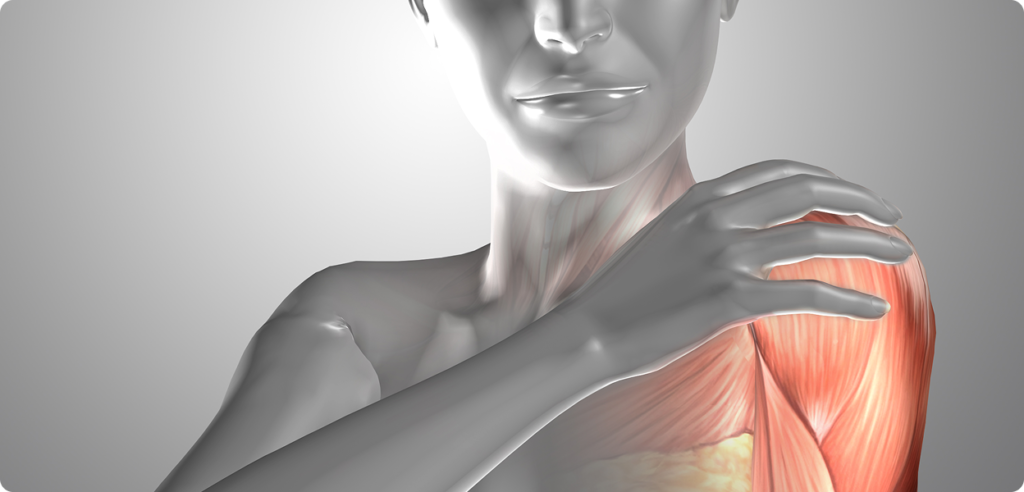
Rotator cuff irritation can cause pain, weakness, and trouble lifting or rotating the arm. Symptoms may worsen with overhead activity, reaching, or sleeping on the affected shoulder. AAOS notes that rotator cuff problems are a common source of shoulder pain and disability in adults.

Frozen shoulder can cause pain, stiffness, and limited range of motion. It may become difficult to dress, reach, lift, sleep comfortably, or complete normal tasks. AAOS describes frozen shoulder, also called adhesive capsulitis, as a condition that causes shoulder pain and stiffness.

Shoulder impingement can happen when soft tissues become irritated during movement. It often causes pain when lifting the arm or reaching overhead. AAOS explains that impingement can involve a narrowed space between the acromion and rotator cuff tendons when the arm is raised.

Bursitis may cause inflammation and tenderness around the shoulder, especially with movement or pressure.

Shoulder arthritis may cause pain, stiffness, grinding, weakness, and reduced range of motion. Care may focus on osteoarthritis management, inflammation reduction, and function. The Arthritis Foundation describes shoulder osteoarthritis as a condition that can cause pain and affect motion.

Shoulder instability may cause the joint to feel weak, loose, or unreliable during movement. It may occur after injury, repetitive stress, or ongoing joint irritation.
Gastonia-area patients choose Joint Health Solutions because our clinic focuses on personalized, non-surgical joint care and clear communication. Our Charlotte office serves patients from Gastonia, Belmont, Cramerton, Dallas, Bessemer City, Mount Holly, and nearby Gaston County communities.
We help patients understand which nonsurgical options may be appropriate for their diagnosed condition and when orthopedic evaluation or another referral may be needed.
Your plan is based on your symptoms, shoulder function, health history, daily activities, and goals.
Depending on the diagnosis, care may include diagnosis-appropriate shoulder-joint injections, physical therapy support, activity modification, or osteoarthritis management.
PRP may be discussed only after a diagnosis-specific shoulder evaluation because evidence varies according to the condition. Toradol IM is considered separately as short-term intramuscular medication support for selected acute-pain situations after individual risks have been reviewed.
We explain your condition, treatment options, expected limitations, and next steps in plain language.
Joint Health Solutions serves Gastonia-area patients from the Charlotte clinic, which the official location page describes as reachable from Gastonia via I-85 North.
Our goal is to help patients make informed decisions, understand the limitations of each option, support function where possible, and recognize when nonsurgical care or orthopedic referral may be appropriate.

Your visit begins with a review of your shoulder pain, movement limitations, health history, previous treatments, and daily activity concerns.

Your provider explains what may be contributing to your symptoms and which conservative treatment options may be reasonable.

Your plan will be based on the likely diagnosis, shoulder function, symptom severity, health history, previous care, and individual goals. It may include diagnosis-appropriate shoulder injections, physical therapy support, activity changes, or osteoarthritis management. PRP may be discussed only after a diagnosis-specific evaluation. Toradol IM, when clinically appropriate, is considered separately as short-term medication administered into a muscle rather than into the shoulder joint.

Nonsurgical care may be considered when it is appropriate for the diagnosis, symptoms, function, health history, and treatment goals. Your provider will also explain when significant injury, progressive weakness, instability, advanced structural damage, or insufficient response to conservative care may warrant orthopedic evaluation.
Nonsurgical treatment does not guarantee that surgery will be delayed or avoided.
Follow-up visits may be recommended to monitor progress, adjust treatment, or decide whether additional care or referral is appropriate.
Nonsurgical shoulder care may be considered after a clinical evaluation identifies the likely condition and determines that conservative management is appropriate. Treatment selection should not be based only on whether pain is described as mild or moderate.
Factors considered during treatment planning may include:
Nonsurgical care may not be appropriate as the first step after major trauma, visible deformity, suspected dislocation, sudden major weakness or numbness, inability to move the arm, fever with a hot or swollen shoulder, or another urgent condition. These symptoms may require prompt or emergency medical evaluation.

Joint Health Solutions participates with selected insurance plans and also provides self-pay and financing options. Insurance participation, network status, coverage, referral or prior-authorization requirements, deductibles, copays, and patient responsibility depend on the individual plan and treatment.
Some services or specialized treatments, including PRP therapy, may not be covered by every insurance plan. HSA and FSA cards may be used for eligible expenses, and financing options may also be available.
Patients should contact the Joint Health Solutions office and their insurance provider before treatment to confirm current network participation, benefits, authorization requirements, and estimated financial responsibility.
Every shoulder condition is different. Based on the diagnosis, shoulder function, health history, previous care, and individual goals, a treatment plan may include diagnosis-appropriate shoulder injections, physical therapy support, activity modification, or osteoarthritis management.
PRP may be discussed only after a diagnosis-specific shoulder evaluation because the available evidence varies according to the condition. Toradol IM is considered separately as short-term systemic medication support for selected acute-pain situations. It is administered into a muscle, not into the shoulder joint, and is not routine treatment for chronic shoulder arthritis, stiffness, or ongoing shoulder pain.
Your care plan is built around your symptoms, functional limitations, treatment goals, and how the condition affects your daily activities. The purpose is to provide medically careful, individualized guidance rather than a one-size-fits-all recommendation.

Choosing Shoulder Pain Treatment Near Gastonia NC gives patients access to non-surgical care options for shoulder pain, stiffness, arthritis, frozen shoulder, rotator cuff irritation, bursitis, and limited mobility.
Joint Health Solutions serves Gastonia-area patients from our Charlotte clinic at 9350 Benfield Rd, #109, Charlotte, NC 28269. We do not currently list a Gastonia clinic, but the official Gastonia location page states the Charlotte clinic is easily reached from Gastonia via I-85 North.
For patients who want to learn more about related care options, Joint Health Solutions also provides shoulder injections, PRP therapy, physical therapy, and treatment information for conditions we treat. You can also contact Joint Health Solutions to schedule a visit or ask about care for Gastonia-area patients.
For trusted general education about shoulder arthritis and joint health, patients can also review information from the Arthritis Foundation.
Shoulder pain can come from several conditions, and treatment depends on the diagnosis. AAOS patient education identifies inflammation, sprains, strains, arthritis, impingement, fractures, instability, frozen shoulder, and rotator cuff conditions as possible shoulder concerns that may require different care approaches.
For shoulder arthritis, patient education from the Arthritis Foundation describes pain and motion limitation as common concerns and explains that treatment generally focuses on symptom management and function rather than curing the disease.
For frozen shoulder, AAOS explains that adhesive capsulitis can cause pain and stiffness and may significantly restrict shoulder motion. For rotator cuff concerns, AAOS notes that rotator cuff tears are a common cause of shoulder pain and disability in adults.
This page is educational and does not replace an in-person medical evaluation. Treatment recommendations should be based on your symptoms, exam findings, health history, and provider guidance.
Joint Health Solutions does not currently list a physical clinic in Gastonia. The clinic address shown on the official contact page is 9350 Benfield Rd, #109, Charlotte, NC 28269. Gastonia-area patients can schedule care at the Charlotte office, which the official location page describes as reachable from Gastonia by I-85 North.
The appropriate treatment depends on the condition causing the symptoms. Shoulder arthritis, frozen shoulder, rotator cuff conditions, bursitis, impingement, and instability may cause overlapping symptoms but can require different care plans.
After a clinical evaluation, appropriate options may include diagnosis-specific shoulder injections, physical therapy support, activity modification, or osteoarthritis management. PRP may be discussed only after a diagnosis-specific evaluation. Toradol IM is not a shoulder-joint injection; it may be considered separately for selected short-term acute-pain situations after individual medical risks have been reviewed.
Yes. Many shoulder conditions may be managed with nonsurgical care, depending on the diagnosis, symptom severity, shoulder function, health history, and response to treatment. Options may include diagnosis-appropriate shoulder injections, physical therapy support, activity modification, and osteoarthritis management.
PRP may be discussed only after a diagnosis-specific shoulder evaluation. Evidence varies according to the condition, and PRP is not an established treatment for shoulder osteoarthritis.
Pain when lifting the arm may be related to rotator cuff irritation, shoulder impingement, bursitis, frozen shoulder, arthritis, or muscle strain. Because these conditions can overlap, an evaluation is important before choosing treatment. Your provider may assess movement, strength, tenderness, and previous imaging if available.
Yes. Joint Health Solutions evaluates and treats frozen shoulder symptoms with non-surgical care options when appropriate. Frozen shoulder can cause pain and restricted range of motion, and improvement may take time. Treatment may include guided movement, physical therapy support, injections for selected patients, and follow-up care based on response.
Most patients tolerate shoulder injections well. You may feel brief pressure, pinching, or mild discomfort during treatment. Your provider will explain the process before starting and give aftercare instructions. Temporary soreness can happen after an injection, but severe or worsening symptoms should be reported to the office.
PRP may be discussed only after a diagnosis-specific shoulder evaluation. The available evidence varies according to the shoulder condition, and PRP is not an established treatment for shoulder osteoarthritis.
PRP should not be recommended solely for general shoulder pain, inflammation, discomfort, or soft-tissue irritation without identifying the likely diagnosis. It does not guarantee rotator cuff healing, cartilage regeneration, predictable tissue repair, permanent relief, long-term improvement, or avoidance of surgery.
Your provider can explain the available evidence, limitations, potential risks, costs, and whether PRP may be clinically appropriate for your diagnosed condition.
Toradol IM is ketorolac administered into a muscle, not into the shoulder joint. It may be considered for selected short-term acute-pain situations after reviewing gastrointestinal, kidney, cardiovascular, bleeding, medication, allergy, and other individual risks.
Toradol IM is not an image-guided shoulder injection, regenerative treatment, or routine treatment for chronic shoulder arthritis, stiffness, or ongoing shoulder pain. It provides short-term systemic medication support and does not repair or treat the underlying shoulder condition.
Joint Health Solutions participates with selected insurance plans. Coverage, network participation, referrals, prior authorization, deductibles, copays, and patient responsibility vary according to the plan and treatment. Some specialized services, including PRP therapy, may be considered elective or may require self-payment. Contact the office and your insurance provider for current coverage, benefits, financing, and payment information.
Schedule an evaluation when shoulder pain persists, worsens, repeatedly returns, limits movement, affects sleep, causes weakness, or interferes with work, exercise, or daily activities. Seek urgent care after major trauma, visible deformity, suspected dislocation, inability to move the arm, sudden major weakness or numbness, fever with a hot or swollen shoulder, chest pain, or difficulty breathing.
Shoulder pain does not have to control your daily routine. If lifting, reaching, sleeping, exercising, working, driving, or daily movement has become difficult, Joint Health Solutions can help you explore non-surgical options.
Schedule your visit for Shoulder Pain Treatment Near Gastonia NC and take the next step toward clearer answers, better movement, and a personalized care plan.