
If joint stiffness is making it harder to walk, lift, reach, exercise, work, sleep, or complete normal daily activities, Joint Health Solutions provides Joint Stiffness Treatment Near Gastonia NC through our Charlotte clinic. Our office is located at 9350 Benfield Rd #109, Charlotte, NC 28269, and we serve Gastonia-area patients from Gastonia, Belmont, Cramerton, Dallas, Mount Holly, Bessemer City, and nearby Gaston County communities.
Joint Health Solutions does not currently operate a physical clinic in Gastonia. Gastonia-area patients are served from the Charlotte office, which is commonly reached by I-85 North. The official Gastonia location page states that the clinic is located in north Charlotte and serves Gastonia patients from that office.
Joint stiffness may be related to osteoarthritis, inflammation, previous injury, soft tissue tightness, reduced movement, or irritation around the knee or shoulder. Because different conditions can feel similar, your first visit is designed to help clarify what may be contributing to your stiffness and which non-surgical options may be appropriate.
Medically reviewed by: Dr. Jeffrey Galvin & Ariel Curtis, FNP-C
Yes. Joint stiffness may be treated without surgery in selected patients, depending on the cause, severity, range of motion, health history, and treatment goals. Non-surgical care may include physical therapy support, activity modification, joint injections, Toradol injection when appropriate, PRP therapy for selected patients, and osteoarthritis management.
Non-surgical care cannot guarantee permanent relief, cartilage restoration, or surgery avoidance. The goal is to reduce irritation where possible, support joint movement, improve function, and help patients make informed decisions. Severe stiffness, major loss of motion, or worsening disability may still require orthopedic evaluation.

Joint stiffness means a joint feels tight, restricted, difficult to move, or less flexible than normal. Some patients notice stiffness after sitting or sleeping. Others feel it during walking, lifting, reaching, bending, stairs, or daily activity.
Joint stiffness can happen with arthritis, inflammation, previous injury, muscle tightness, tendon irritation, or reduced mobility. AAOS notes that pain, swelling, and stiffness are primary symptoms of arthritis, and inflammation can contribute to stiffness and discomfort.
For Gastonia-area patients, stiffness may affect the knee, shoulder, or both. Knee stiffness may interfere with walking, standing, stairs, or getting up from a chair. Shoulder stiffness may make it harder to lift the arm, reach overhead, dress, drive, or sleep comfortably.
Joint Stiffness Treatment Near Gastonia NC begins with understanding your symptoms, what movements are limited, and how stiffness affects your everyday life.
Joint stiffness can have more than one cause. A clinical evaluation helps determine whether stiffness is related to arthritis, inflammation, soft tissue irritation, weakness, or movement limitation.

Osteoarthritis
Osteoarthritis is a common cause of joint stiffness. It may involve cartilage wear, inflammation, swelling, grinding, and reduced movement. The American College of Rheumatology describes osteoarthritis symptoms as including joint pain, stiffness, swelling, and cracking or grinding with movement.

Inflammatory Arthritis
Inflammatory arthritis may cause swelling, warmth, stiffness, and discomfort. Morning stiffness that lasts longer than expected may be a reason to discuss arthritis evaluation with a healthcare provider.

Previous Joint Injury
Past knee or shoulder injuries may leave the joint irritated, weak, or less mobile. Stiffness may develop when the joint does not regain normal movement after injury.

Muscle or Tendon Tightness
Tight muscles or irritated tendons around the joint can make movement feel restricted. This can happen with overuse, poor movement habits, posture issues, or reduced activity.

Reduced Mobility or Overuse
Too little movement can increase stiffness, while too much repetitive strain can irritate the joint. A balanced plan may include safe movement, strengthening, and activity modification.

Chronic Inflammation
Ongoing irritation may make a knee or shoulder feel swollen, tender, stiff, or difficult to move. Treatment should focus on the underlying reason for inflammation, not just the stiffness itself.
| Joint | Common Stiffness Symptoms |
|---|---|
| Knee | Stiffness with walking, standing, stairs, bending, or getting up from a seated position. |
| Shoulder | Limited range of motion, pain with lifting, reaching, dressing, driving, or sleeping on the affected side. |
Joint Health Solutions focuses this page on knee and shoulder stiffness. Care is designed around clinical evaluation, non-surgical options, and osteoarthritis management when arthritis is involved.
Joint stiffness can feel different from person to person. Some patients feel mild tightness, while others have stiffness that limits normal movement and daily comfort.
Reduced Movement
You may have trouble bending, straightening, lifting, reaching, rotating, or moving the affected joint normally.
Morning Stiffness
Stiffness may feel worse after waking up, after sitting for a long time, or after periods of inactivity.
Pain With Movement
A stiff joint may become painful during walking, lifting, reaching, exercising, or daily tasks.
Swelling or Tenderness
Inflammation may cause swelling, pressure, tenderness, warmth, or soreness around the joint.
Weakness or Instability
The joint may feel weak, tired, or less supportive during movement.
Grinding or Clicking
Some patients notice popping, clicking, cracking, catching, or grinding when moving the joint.
If these symptoms are affecting daily life, Joint Stiffness Treatment Near Gastonia NC may help you explore conservative care options.
The right treatment plan starts with understanding your symptoms, movement limitations, health history, and goals. At Joint Health Solutions, joint stiffness care begins with a clinical review and personalized treatment planning.

Your provider reviews when stiffness started, what makes it worse, what improves it, previous injuries, prior treatments, current medications, and how symptoms affect daily life.

A physical examination may include checking range of motion, tenderness, swelling, strength, posture, flexibility, and functional movement. This helps determine whether stiffness may be related to arthritis, inflammation, soft tissue tightness, weakness, or another issue.

If you already have X-rays, MRI results, or other imaging, your provider may review them as part of care planning. Joint Health Solutions does not perform lab-based diagnostic testing or diagnostic nerve blocks for joint stiffness care.

If stiffness is severe, worsening, or associated with major loss of function, your provider can help explain when orthopedic referral may be appropriate. Conservative care is not the right answer for every joint problem.

Many patients improve with a conservative plan focused on mobility, inflammation control, joint support, and function. Joint Stiffness Treatment Near Gastonia NC may include one or more options based on the cause and severity of stiffness.
Physical therapy support may help improve strength, range of motion, flexibility, balance, and movement control. It may be especially helpful when stiffness is related to weakness, arthritis, reduced activity, or movement habits.
Changing painful movements, reducing repetitive strain, adjusting exercise routines, and improving body mechanics may help reduce irritation while keeping the joint moving safely.
Medication options may help manage inflammation and discomfort when appropriate. Your provider can discuss whether medication support fits your health history and care plan.
Joint injections may be considered for selected knee or shoulder stiffness when inflammation, arthritis, or painful flare-ups are limiting movement. The injection type depends on the joint involved and the patient’s condition.
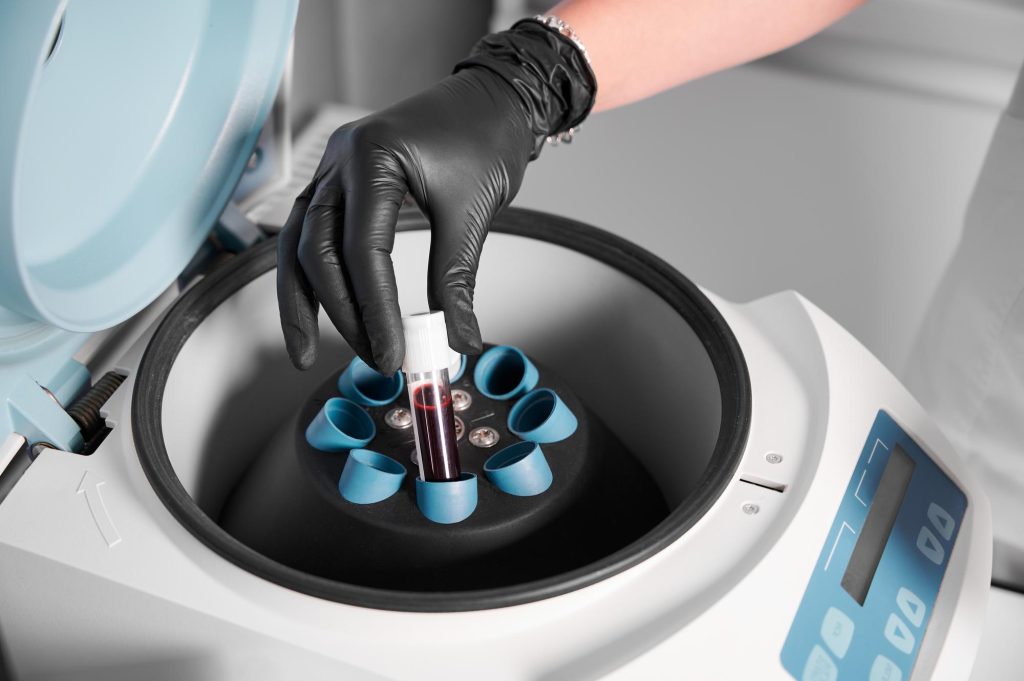
PRP therapy uses platelet-rich plasma from your own blood and may support the body’s natural healing response in selected patients. PRP is not a guaranteed cure and should not be presented as guaranteed cartilage regeneration or guaranteed surgery prevention.
Toradol injection is now offered and may be considered for selected patients who need non-opioid support for inflammation-related knee or shoulder discomfort. Toradol is not appropriate for every patient, so medical history and medication risks must be reviewed first.
When stiffness is related to arthritis, care may focus on reducing irritation, supporting joint movement, improving daily function, and helping the patient understand realistic long-term options.
Injections may be part of a non-surgical treatment plan for stiffness, inflammation, and joint discomfort. The right option depends on the joint involved, diagnosis, symptoms, health history, and treatment goals.
| Injection Type | Commonly Considered For | Typical Goal | Important Limitations |
|---|---|---|---|
| Corticosteroid Injection | Knee or shoulder inflammation, swelling, painful stiffness flare-ups | Help reduce inflammation and improve comfort | Relief varies and is not a cure for arthritis. |
| Hyaluronic Acid Injection | Selected knee osteoarthritis patients | Support knee joint lubrication | Used for knee care only when appropriate; results vary. |
| PRP Therapy | Selected knee or shoulder discomfort or soft tissue irritation | Support the body’s natural healing response | Not guaranteed to regenerate cartilage or prevent surgery. |
| Toradol Injection | Selected inflammation-related joint discomfort | Non-opioid symptom support | Not appropriate for every patient; health history matters. |
For hyaluronic acid injections, Joint Health Solutions offers knee options such as Orthovisc, Hyalgan, GenVisc, Monovisc, and Durolane when appropriate.
Regenerative medicine may be considered for selected patients with knee or shoulder stiffness, inflammation, or ongoing joint discomfort. PRP therapy uses platelet-rich plasma from your own blood and may support the body’s natural healing response.
PRP may be discussed with selected adults who have clinically evaluated symptomatic knee osteoarthritis. Evidence remains limited, and responses vary. PRP does not guarantee cartilage, tendon, or meniscus regeneration, permanent improvement, or avoidance of surgery. It is not established treatment for glenohumeral shoulder osteoarthritis.
For Gastonia-area patients considering PRP, Joint Health Solutions will explain whether PRP fits your joint condition, health history, goals, and expected limitations.

Surgery may be considered when stiffness becomes severe, symptoms continue to worsen, or non-surgical care no longer provides enough relief. Surgery is not always the first step, but it may become appropriate for some patients with advanced joint damage or major loss of function.
An orthopedic consultation may be appropriate if you have:
At Joint Health Solutions, the goal is to help patients understand non-surgical options clearly while also recognizing when surgical evaluation may be necessary.
For trusted general education about arthritis, joint stiffness, and osteoarthritis symptoms, patients can also review information from the Arthritis Foundation.
Joint Health Solutions provides Joint Stiffness Treatment Near Gastonia NC for adults who want personalized, non-surgical osteoarthritis management and mobility support.
Non-Surgical Focus
We help patients explore conservative stiffness treatment options before considering surgery whenever appropriate.
Personalized Care Plans
Your care plan is based on your symptoms, joint function, activity level, health history, and mobility goals.
Advanced Treatment Options
Care may include corticosteroid injections, hyaluronic acid knee injections, PRP therapy, Toradol injection, physical therapy support, activity changes, and osteoarthritis management.
Clear Communication
Our team explains your condition, treatment options, expected limitations, and next steps in plain language.
Gastonia-Area Patient Access
Joint Health Solutions serves Gastonia-area patients from the Charlotte clinic at 9350 Benfield Rd #109, Charlotte, NC 28269. The official contact page lists this Charlotte office address and appointment information.
Practical Long-Term Support
Our goal is to help you make informed decisions, improve function where possible, and understand when non-surgical care is appropriate.
Joint stiffness is commonly associated with arthritis and osteoarthritis, but it can also occur with injury, inflammation, reduced mobility, muscle tightness, or soft tissue irritation. Mayo Clinic notes that ongoing joint pain or stiffness should be evaluated by a healthcare professional, especially when symptoms do not go away.
The American College of Rheumatology explains that exercise can improve muscle strength and decrease joint pain and stiffness in osteoarthritis, which supports the role of movement-based care when appropriate.
This page is educational and does not replace an in-person medical evaluation. Treatment recommendations should be based on symptoms, exam findings, health history, prior imaging when available, and provider guidance.
Joint stiffness may be caused by osteoarthritis, inflammation, previous injury, muscle tightness, tendon irritation, overuse, or reduced movement. Knee stiffness may affect walking, stairs, and standing. Shoulder stiffness may affect lifting, reaching, dressing, and sleep. A clinical evaluation can help determine what may be contributing to the stiffness.
No. Joint Health Solutions does not currently operate a physical clinic in Gastonia. Gastonia-area patients are served from the Charlotte clinic at 9350 Benfield Rd #109, Charlotte, NC 28269. Patients from Gastonia, Belmont, Cramerton, Dallas, Mount Holly, and nearby Gaston County communities can contact the office to discuss scheduling.
Yes. Some patients can manage joint stiffness without surgery, especially when symptoms are mild to moderate or conservative care is appropriate. Treatment may include physical therapy support, activity changes, joint injections, Toradol injection when appropriate, PRP therapy for selected patients, and osteoarthritis management.
The best treatment depends on the cause of stiffness, the joint involved, symptom severity, range of motion, health history, and goals. A patient with knee osteoarthritis may need a different plan than someone with shoulder stiffness from frozen shoulder or soft tissue irritation. Evaluation is needed before recommending treatment.
Injections may help selected patients when stiffness is related to inflammation, arthritis flare-ups, or joint irritation. Options may include corticosteroid injections, hyaluronic acid for selected knee osteoarthritis patients, PRP therapy, or Toradol injection when appropriate. Results vary, and injections are not a permanent cure for arthritis.
PRP therapy may be considered for selected patients with knee or shoulder stiffness, inflammation, or soft tissue irritation. It is not a guaranteed cure and should not be presented as guaranteed cartilage regeneration or guaranteed surgery prevention. Your provider can explain whether PRP fits your condition and what limitations to expect.
Toradol IM is ketorolac administered into a muscle, not into the knee or shoulder joint. It may be considered for short-term acute-pain support after reviewing gastrointestinal, kidney, cardiovascular, bleeding, medication, and other individual risks. It is not routine treatment for chronic joint stiffness or osteoarthritis.
The timeline depends on the cause of stiffness and the treatment used. Some patients may notice improvement sooner with inflammation-focused care, while mobility-related stiffness may require consistent movement support over time. Your provider will explain what may be realistic for your condition.
Joint Health Solutions is self-pay only. The official FAQ states that the practice currently offers this treatment as self-pay only and does not bill insurance for the service. The team can explain pricing and treatment options before care begins.
You should schedule an evaluation if stiffness lasts more than a few days, limits movement, causes pain, affects sleep, or interferes with daily activities. Seek urgent care if stiffness follows a major injury, the joint looks deformed, you cannot move the joint, or symptoms include fever, chest pain, shortness of breath, or sudden weakness.
Joint stiffness can make walking, lifting, reaching, sleeping, working, and daily movement harder. If knee or shoulder stiffness is limiting your comfort, Joint Health Solutions can help you explore conservative care with clear guidance and realistic expectations.
Schedule your visit for Joint Stiffness Treatment Near Gastonia NC and take the next step toward clearer answers, better movement, and a personalized care plan.