

IV Glutathione Therapy for Joint Pain: Your Guide to Systemic Relief
Estimated Reading Time: 12 minutes | Category: IV Therapy, Joint Health | Location: Charlotte, North Carolina
If you live with chronic joint pain, you know the frustration of treatments that only mask symptoms or come with side effects. You may have tried over-the-counter pain relievers, prescription anti-inflammatories, or even steroid injections that wear off after a few weeks. But what if the key to lasting relief lies not in targeting the joint itself, but in addressing the underlying inflammation throughout your body? That’s the promise of IV glutathione therapy for joint pain—a systemic approach that helps your body fight oxidative stress and inflammation at the cellular level. At Joint Health Solutions in Charlotte, North Carolina, we offer IV glutathione as part of a comprehensive non-surgical joint pain program. In this guide, we’ll explain how glutathione works, its benefits for joint pain, what to expect during a session, and whether this therapy is right for you.
What Is IV Glutathione Therapy?
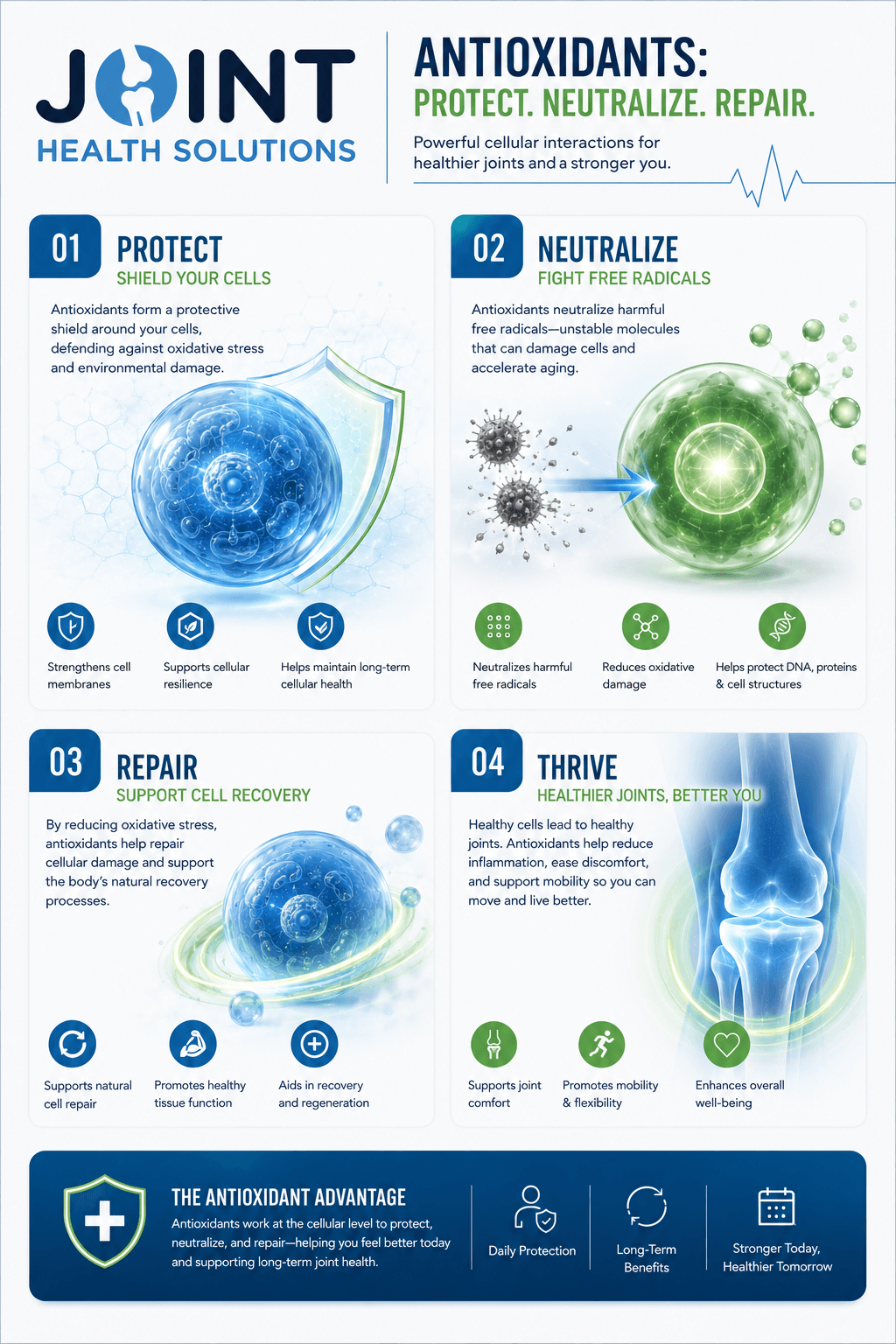
Glutathione is often called the body’s “master antioxidant” because it plays a central role in neutralizing free radicals, supporting the immune system, and detoxifying the body. Produced naturally in the liver, glutathione levels decline with age, stress, poor diet, and chronic disease. When levels drop, oxidative stress increases, fueling inflammation throughout the body—including in the joints.
IV glutathione therapy delivers a high dose of this antioxidant directly into the bloodstream, bypassing the digestive system for 100% absorption. This method ensures that cells receive a potent concentration of glutathione quickly, which can help reduce systemic inflammation and support joint health. Unlike oral supplements that are poorly absorbed, IV therapy provides immediate bioavailability, making it an effective option for those seeking IV glutathione joint pain relief.
At Joint Health Solutions, our IV glutathione treatments are administered by trained medical professionals in a comfortable clinic setting. Each session is tailored to your specific needs, and we often combine glutathione with other nutrients like vitamin C, magnesium, and B vitamins to enhance its effects through Our Services. The goal is to reduce inflammation, improve energy, and support your body’s natural healing processes—all without surgery or harsh medications.
How Glutathione Works to Reduce Joint Inflammation
To understand how glutathione helps with joint pain, it’s important to grasp the role of oxidative stress. In a healthy joint, cartilage cells (chondrocytes) produce a matrix that keeps the joint lubricated and cushioned. But when oxidative stress overwhelms the joint’s antioxidant defenses, inflammatory cytokines like interleukin-1 (IL-1) and tumor necrosis factor-alpha (TNF-α) are released. These molecules break down cartilage, cause swelling, and stimulate pain receptors.
Glutathione fights this process in several ways:
-
Neutralizes free radicals: Glutathione directly scavenges reactive oxygen species (ROS) that damage joint tissues.
-
Regenerates other antioxidants: It helps recycle vitamins C and E, boosting the overall antioxidant network.
-
Modulates inflammation: Glutathione inhibits the activation of NF-κB, a protein complex that turns on inflammatory genes. By reducing NF-κB activity, glutathione lowers the production of inflammatory cytokines.
-
Supports detoxification: It helps the liver eliminate toxins and metabolic waste products that can contribute to joint inflammation.
By addressing inflammation at a systemic level, IV glutathione therapy may help reduce pain and stiffness in multiple joints, improve mobility, and slow the progression of joint degeneration. This makes it a valuable tool for conditions like osteoarthritis, rheumatoid arthritis, and even post-traumatic arthritis.
Benefits of IV Glutathione for Chronic Joint Pain
Patients who undergo IV glutathione therapy for joint pain often report a range of benefits beyond just pain relief. Here are some of the most common:
-
Reduced joint pain and stiffness: Many patients notice a decrease in pain within a few sessions, especially in weight-bearing joints like knees and hips.
-
Improved energy and mental clarity: Because glutathione reduces oxidative stress throughout the body, patients often feel more energetic and focused.
-
Better sleep quality: Chronic pain can disrupt sleep; by lowering pain and inflammation, glutathione may help improve rest.
-
Enhanced immune function: Glutathione supports the immune system, which can be beneficial for autoimmune forms of arthritis.
-
Slower joint degeneration: By protecting cartilage from oxidative damage, glutathione may help slow the progression of osteoarthritis.
-
Minimal side effects: IV glutathione is generally well-tolerated, with few adverse effects compared to oral medications or steroid injections.
It’s important to note that results vary from person to person. Some patients experience significant relief after just one session, while others may need a series of treatments to see lasting improvement. At Joint Health Solutions, we work with you to create a personalized plan based on your condition, symptoms, and goals.
What To Expect During an IV Glutathione Session
If you’re considering IV glutathione therapy, you probably have questions about the process. Here’s a step-by-step overview of what happens during a typical session at Joint Health Solutions:
-
Initial consultation: Before your first session, you’ll meet with one of our experienced clinical providers to discuss your medical history, current medications, and joint pain symptoms. We’ll determine if IV glutathione is right for you and address any concerns.
-
Preparation: On the day of your session, we recommend staying hydrated and eating a light meal beforehand. You’ll be seated in a comfortable recliner in our clean, relaxing infusion room.
-
IV insertion: A trained nurse will insert a small IV catheter into a vein in your arm or hand. This is a quick process with minimal discomfort.
-
Infusion: The glutathione solution (often mixed with vitamin C, magnesium, and other nutrients) is infused over 30 to 60 minutes. You can read, listen to music, or simply relax during the infusion.
-
Post-infusion: After the drip is complete, the IV is removed, and you can resume your normal activities immediately. There is no downtime.
Most patients describe the experience as relaxing and report feeling a boost in energy afterward. Some notice a subtle improvement in pain within hours, while for others, benefits accumulate over several sessions.
Is IV Glutathione Right for You?
IV glutathione therapy is not a first-line treatment for every type of joint pain. It’s best suited for individuals with chronic inflammation that hasn’t responded well to conventional therapies, or for those looking to complement other treatments like physical therapy or joint injections. Ideal candidates often have:
-
Moderate to severe joint pain from osteoarthritis or inflammatory arthritis
-
Multiple affected joints (systemic inflammation)
-
Fatigue or brain fog accompanying joint pain
-
A desire to avoid long-term use of NSAIDs or steroids
-
Interest in a holistic, non-surgical approach
However, not everyone is a candidate. Pregnant or breastfeeding women, individuals with certain genetic conditions (like glucose-6-phosphate dehydrogenase deficiency), or those with severe liver or kidney disease should avoid glutathione therapy. A thorough evaluation with a medical professional is essential before starting treatment.
At Joint Health Solutions, we take a comprehensive approach to joint health. IV glutathione is just one tool in our medical toolkit. We may recommend combining it with other therapies such as joint injections, physical therapy, or nutritional counseling to maximize your results. To learn more about our team and foundational values, visit Our Practice.
Medical Disclaimer
This article is for educational purposes only and is not a substitute for medical advice, diagnosis, or treatment. Results vary, and not every patient is a candidate for every treatment. A qualified healthcare provider should evaluate your condition and discuss risks, benefits, and alternatives before treatment.
The Long-Term Outlook: Cellular Defense and Prevention
While the immediate goal of IV glutathione therapy is to achieve noticeable joint pain relief and suppress acute flare-ups, its true clinical value lies in long-term cellular preservation. Chronic joint degradation is a progressive cycle; as structural tissues break down, they generate secondary cellular debris that triggers further immune responses and sustained local inflammation. By introducing a systemic and highly bioavailable concentration of the body’s master antioxidant, you effectively break this destructive feedback loop. Over time, maintaining optimal glutathione levels shields the remaining healthy chondrocytes (cartilage cells) from premature senescence—the state where cells stop dividing but continue to secrete pro-inflammatory signaling molecules.
Furthermore, this sustained antioxidant defense system works synergistically with your body’s natural metabolic recovery phases. When systemic oxidative stress is controlled, other cellular repair mechanisms, such as collagen synthesis and synovial fluid replenishment, can operate at peak efficiency. For the active population in Charlotte looking to preserve their mobility well into their later decades, incorporating targeted IV nutrient protocols is not merely a reactive treatment for existing arthritis. Instead, it serves as a sophisticated, proactive strategy designed to slow down the biological clock of your musculoskeletal system, ensuring your joints remain resilient, properly lubricated, and capable of handling daily functional stress without relying on invasive surgical options.
Maximizing Results: Integrating Glutathione into a Comprehensive Joint Health Plan
To achieve the highest clinical efficacy from IV glutathione therapy, it should ideally be viewed as a foundational pillar within a broader, multi-faceted approach to musculoskeletal wellness. While a systemic influx of this master antioxidant works wonders at the cellular level to quell chronic inflammation, its long-term benefits are significantly amplified when paired with targeted lifestyle modifications and complementary treatments. For instance, incorporating an anti-inflammatory diet rich in omega-3 fatty acids, maintaining optimal daily hydration to support cellular flushing, and engaging in tailored, low-impact physical therapy can create a powerful synergistic effect.
At Joint Health Solutions, we recognize that joint degradation rarely happens in a vacuum. Therefore, we often customize patient protocols to combine glutathione infusions with other advanced regenerative modalities available at our Charlotte clinic—such as PRP therapy or targeted hyaluronic acid injections. While the IV therapy neutralizes oxidative stress and systematically resets your cellular environment, these localized treatments work directly on repairing physical mechanics and joint structures. For individuals in the Charlotte community seeking to reclaim an active, pain-free lifestyle, this integrative strategy transforms standard, reactive pain management into a comprehensive, proactive journey toward sustainable joint resilience and overall vitality.
Institutional Sources
-
National Institutes of Health (NIH) – Glutathione in Health and Disease: A Review
-
Mayo Clinic – The Role of Oxidative Stress in Osteoarthritis
-
Harvard Health Publishing – Intravenous Glutathione for Chronic Illness
-
American Academy of Orthopaedic Surgeons (AAOS) – Antioxidant Therapy for Rheumatoid Arthritis
Frequently Asked Questions
How long does an IV glutathione session take?
A typical session lasts between 30 and 60 minutes, depending on the infusion rate and whether additional nutrients are added. The actual IV drip time is about 30 minutes, but setup and post-infusion observation may add a few minutes.
Are there any side effects?
IV glutathione is generally well-tolerated. Some patients may experience a mild metallic taste in the mouth, flushing, or slight nausea during the infusion. These effects are temporary and usually resolve quickly. Serious side effects are rare but can include allergic reactions or vein irritation.
How many sessions are recommended?
The number of sessions varies based on your condition and response. Many patients start with a series of 4 to 6 weekly sessions, then transition to maintenance treatments every 2 to 4 weeks. Your provider at Joint Health Solutions will create a personalized plan.
Can I combine IV glutathione with other treatments?
Yes. IV glutathione can be safely combined with physical therapy, joint injections, oral supplements, and other non-surgical treatments. In fact, combining therapies often yields better results. Discuss your current treatments with your provider to ensure compatibility.
Is IV glutathione covered by insurance?
Most insurance plans do not cover IV glutathione therapy because it is considered an elective, non-FDA-approved treatment. However, we offer competitive self-pay pricing and packages. Contact our office for current rates.
Will I feel immediate pain relief?
Some patients notice a reduction in pain within hours of their first session, but for most, benefits accumulate over several treatments. Consistent sessions are key to achieving lasting systemic relief.
How does IV glutathione compare to oral supplements?
Oral glutathione is poorly absorbed due to breakdown in the digestive tract. IV delivery bypasses this, providing 100% bioavailability and much higher blood levels. For therapeutic purposes, IV is far more effective.
Can glutathione help with rheumatoid arthritis?
Glutathione’s anti-inflammatory and antioxidant properties may benefit rheumatoid arthritis by reducing oxidative stress and modulating immune function. However, it should be used as a complementary therapy alongside standard medical care.
Is there any downtime after the infusion?
No. You can resume normal activities immediately after the session. Some patients feel energized, while others prefer to rest. There are no restrictions on driving or work.
How do I schedule an IV glutathione appointment at Joint Health Solutions?
You can schedule a consultation by calling us at 704-833-3566 or by visiting our practice page. Our team will help you determine if IV glutathione is right for you.