
Bone-on-Bone Treatment in Mint Hill, NC helps adults manage advanced joint pain, stiffness, swelling, and limited mobility without immediately moving toward surgery. When joint cushioning wears down, daily movement can become painful, especially while walking, climbing stairs, standing, bending, lifting, exercising, or sleeping comfortably.
At Joint Health Solutions, we provide personalized Bone-on-Bone Treatment in Mint Hill, NC for patients dealing with knee, hip, and shoulder arthritis. Our goal is to understand your symptoms, identify the source of joint damage, and build a treatment plan focused on comfort, function, and long-term joint health.
Medically reviewed by: Dr. Jeffrey Galvin & Ariel Curtis, FNP-C

Bone-on-bone is a common way to describe advanced arthritis inside a joint. It usually means the protective cartilage has worn down, leaving less cushioning between the bones. As the joint space becomes smaller, movement may feel painful, stiff, or restricted.
Bone-on-Bone Treatment in Mint Hill, NC does not always mean joint replacement is the only option. Many patients still have non-surgical choices that may help reduce inflammation, support movement, and improve daily comfort. The best treatment depends on the affected joint, severity of arthritis, activity level, and overall health.
Common signs of bone-on-bone arthritis may include deep joint pain, grinding, clicking, swelling, stiffness after rest, and trouble moving the joint normally. Some patients feel pain only during activity, while others notice discomfort even when resting.
To understand treatment options, it helps to visualize the changes that occur in end-stage osteoarthritis:

Cartilage helps the bones glide smoothly inside the joint. When cartilage becomes thin or damaged, the joint loses part of its natural cushioning.

As cartilage wears down, the space between the bones becomes smaller. This can create more pressure during movement and weight-bearing activity.

With less cushioning, the joint may feel rough, painful, or irritated. Patients may notice grinding, catching, or clicking sensations.

The joint can become inflamed as it responds to irritation. This may lead to swelling, tenderness, warmth, and reduced comfort.

Advanced arthritis can make it harder to bend, straighten, rotate, lift, or move the joint through a normal range of motion.
These changes create a cycle of pain, inactivity, and progressive decline. Interrupting that cycle with targeted non-surgical interventions can restore function and significantly improve quality of life.
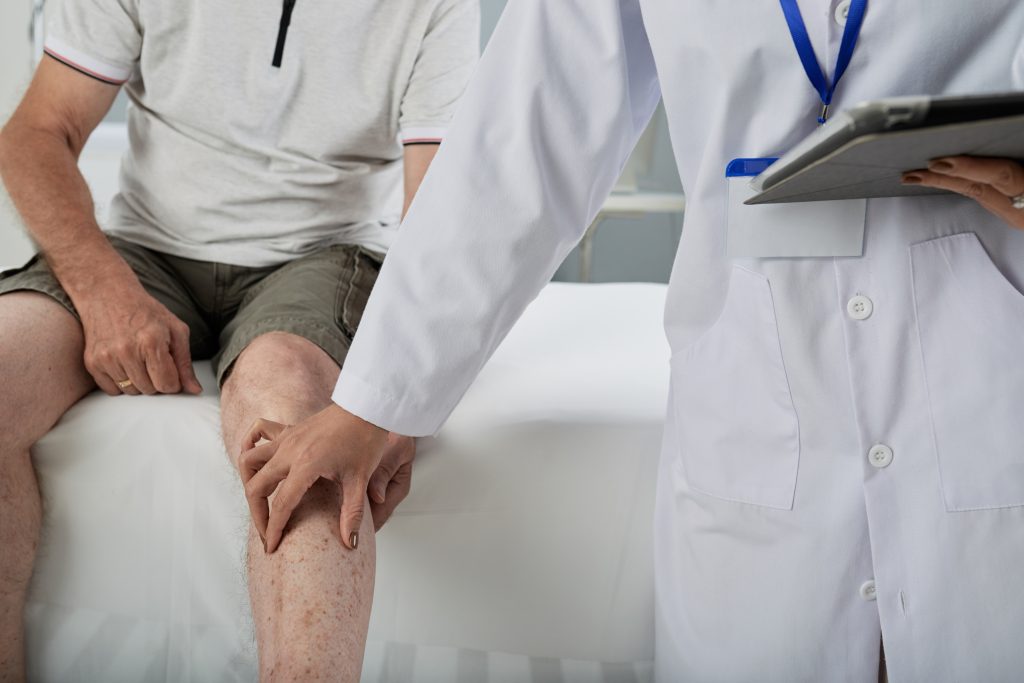
Knee arthritis may cause pain while walking, standing, climbing stairs, bending, kneeling, or getting up from a chair. Many patients seeking Bone-on-Bone Treatment in Mint Hill, NC come to us because knee pain is affecting work, exercise, and daily independence.

Hip arthritis may cause pain in the hip, groin, thigh, or outer hip area. It may become harder to walk longer distances, stand for long periods, or get in and out of a car comfortably.

Shoulder arthritis may cause pain with reaching, lifting, rotating the arm, or sleeping on the affected side. It can also limit overhead movement and make everyday tasks more difficult.
While symptoms vary by joint, patients with bone-on-bone arthritis commonly experience:
| Symptom | Description |
|---|---|
| Joint Pain | Pain may occur during movement, standing, walking, lifting, or after activity. |
| Stiffness | The joint may feel tight after rest, in the morning, or after sitting for a long time. |
| Swelling | Inflammation may cause tenderness, warmth, or visible swelling around the joint. |
| Grinding or Clicking | Some patients notice popping, catching, grinding, or clicking during movement. |
| Limited Motion | The joint may become harder to bend, straighten, lift, rotate, or move fully. |
| Reduced Mobility | Daily activities may become difficult because of pain, weakness, or stiffness. |
| Instability | The joint may feel weak, unsteady, or less reliable during movement. |
If these symptoms are affecting your routine, Bone-on-Bone Treatment in Mint Hill, NC may help you explore options before surgery becomes necessary.
At Joint Health Solutions, diagnosis begins with a detailed evaluation of your symptoms, joint movement, and medical history. We want to understand when your pain started, what makes it worse, what helps, and how it affects your daily life.

Your provider reviews your health history, previous injuries, activity level, current symptoms, and treatment goals.

We evaluate movement, tenderness, swelling, stability, alignment, strength, and range of motion.

When needed, imaging may help identify joint space narrowing, cartilage wear, inflammation, and arthritis-related changes.
After your evaluation, we explain your condition clearly and recommend a personalized Bone-on-Bone Treatment in Mint Hill, NC plan based on your joint condition and goals.

Many adults prefer to try conservative care before considering surgery. Our non-surgical approach is designed to reduce pain, calm inflammation, improve movement, and support daily function.
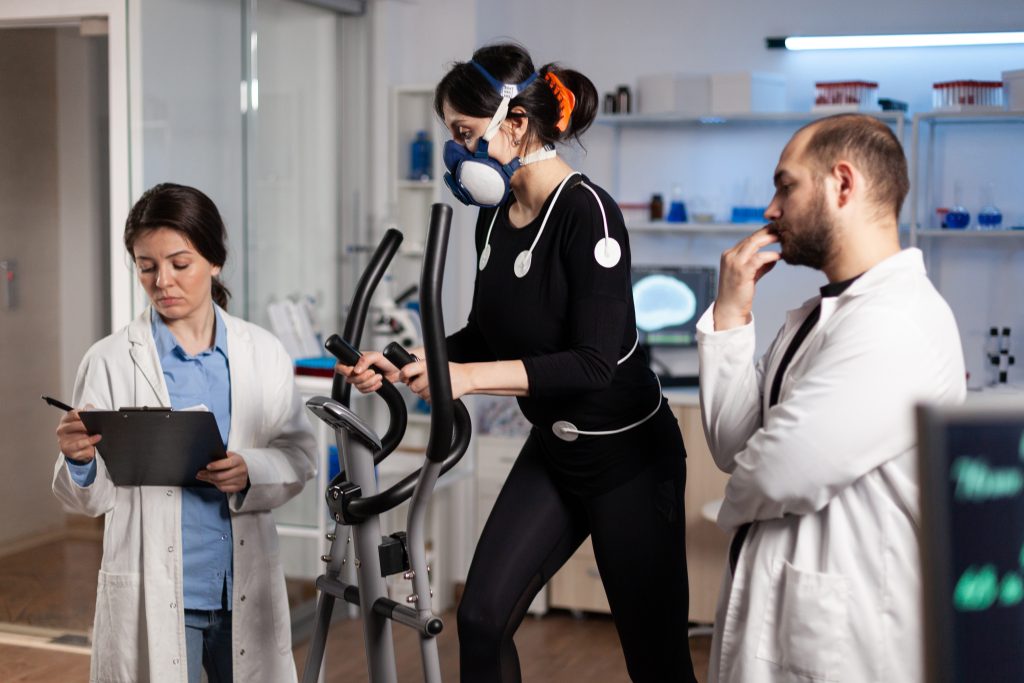
Small changes in movement can reduce stress on painful joints. This may include avoiding repetitive strain, adjusting exercise routines, using safer movement patterns, and planning rest periods when symptoms flare.

For weight-bearing joints like the knees and hips, reducing extra pressure may help improve comfort and mobility. Even small improvements in joint load may make daily movement easier for some patients.

Strengthening the muscles around the joint may help improve stability and reduce pressure. Mobility work may also help reduce stiffness and support better movement control.
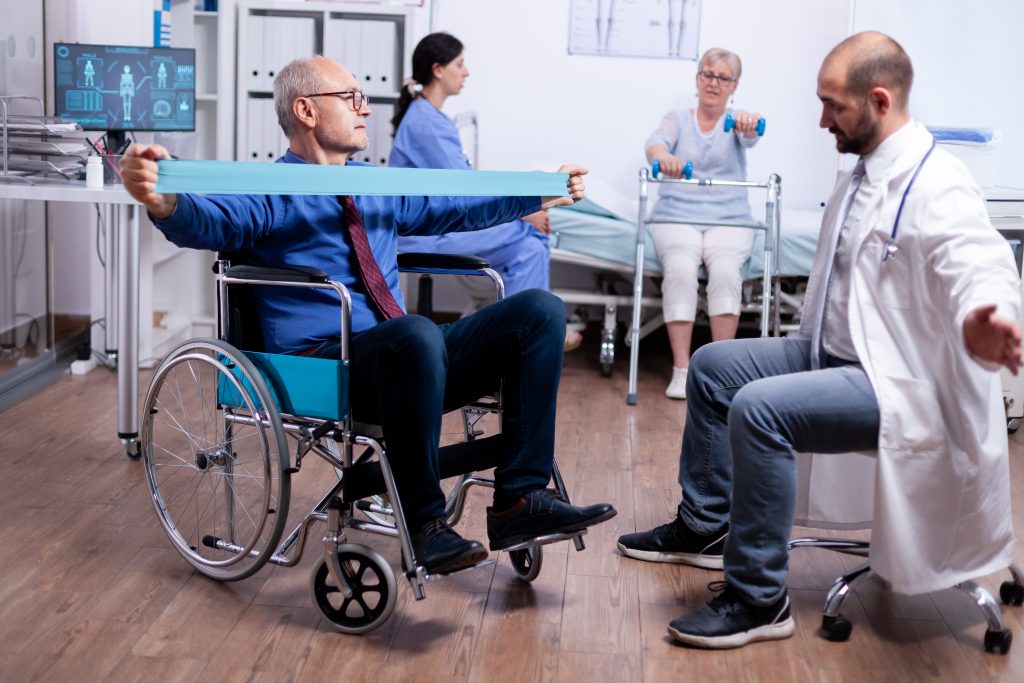
Braces or supportive devices may help improve alignment, reduce strain, and make walking or daily movement more comfortable.

When appropriate, anti-inflammatory or pain-relief medication may be discussed as part of a broader care plan. Medication decisions should always be based on your health history and provider guidance.
Injection treatments may be recommended when arthritis causes inflammation, stiffness, swelling, or ongoing pain.
| Injection Type | Best For | Main Goal |
|---|---|---|
| Cortisone Injection | Inflammation, swelling, arthritis flare-ups | Helps reduce pain and inflammation |
| Hyaluronic Acid Injection | Knee arthritis, stiffness, reduced lubrication | Supports smoother joint movement |
| PRP Therapy | Chronic joint pain or soft tissue irritation | Supports the body’s natural healing response |
Your provider will help decide which injection option fits your condition. Bone-on-Bone Treatment in Mint Hill, NC may include image-guided injections when accurate placement is important.
Regenerative medicine options, such as PRP therapy, may be considered for selected patients with chronic joint pain or soft tissue irritation. PRP uses concentrated platelets from your own blood to support the body’s natural repair response.
PRP is not right for every patient, and results can vary. During your visit, your provider will explain whether regenerative medicine may be appropriate for your joint condition. For some patients, Bone-on-Bone Treatment in Mint Hill, NC may include PRP as part of a broader non-surgical plan.
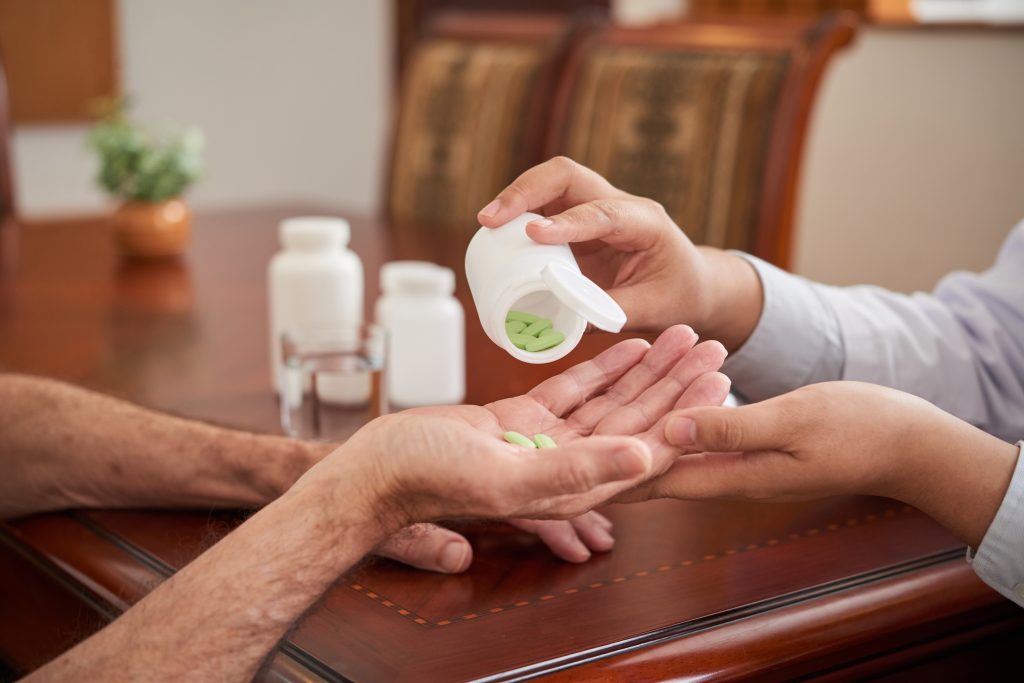

Not every patient with bone-on-bone arthritis needs surgery right away. However, surgery may be considered when pain becomes severe, mobility is highly limited, daily activities become difficult, and conservative treatments no longer provide enough relief.
At Joint Health Solutions, we help patients explore non-surgical options first. If surgery becomes the right next step, we can help you understand when further orthopedic evaluation may be needed. Bone-on-Bone Treatment in Mint Hill, NC is focused on giving patients practical choices and clear guidance.
Non-Surgical Experts
Dr. Jeffrey Galvin and Ariel Curtis, FNP-C, specialize in advanced conservative and interventional treatments for osteoarthritis.
Precision Injections
All procedures are performed with fluoroscopic or ultrasound guidance for accuracy, safety, and optimal results.
Comprehensive Approach
We combine physical therapy, lifestyle modification, injection therapies, and regenerative medicine to address the full spectrum of the disease.
Personalized Care
Your treatment plan is customized based on your specific joint, severity, goals, and lifestyle.
Local Convenience
Serving Charlotte and surrounding areas including Huntersville, Concord, Matthews, and Cornelius.
Bone-on-bone usually means the cartilage inside a joint has worn down significantly, leaving less cushioning between the bones.
Bone-on-bone is often used to describe advanced arthritis, especially osteoarthritis, where cartilage loss causes pain, stiffness, and reduced movement.
Yes. Many patients may benefit from non-surgical treatments such as injections, activity changes, physical therapy guidance, bracing, medication support, and lifestyle adjustments.
Common symptoms include joint pain, stiffness, swelling, grinding, clicking, reduced range of motion, and difficulty with daily activities.
Injections may help some patients reduce inflammation, improve comfort, or support joint movement depending on the type of injection and joint condition.
PRP may be considered for selected patients with chronic joint pain or soft tissue irritation. Your provider can determine if it is appropriate.
Bone-on-bone arthritis commonly affects the knees, hips, and shoulders.
You should consider care if joint pain keeps returning, limits movement, causes swelling, affects sleep, or makes daily activities difficult.
Yes. Joint Health Solutions provides Bone-on-Bone Treatment in Mint Hill, NC for adults with advanced joint arthritis, stiffness, inflammation, and mobility concerns.
Bone-on-Bone Treatment in Mint Hill, NC can help you understand your options, reduce uncertainty, and take the next step toward better joint comfort. If advanced arthritis is affecting your daily life, Joint Health Solutions can create a personalized non-surgical plan for your needs.
Schedule an appointment today and start moving toward better comfort, mobility, and joint health.