
Bone on Bone Treatment in Rock Hill is designed for patients dealing with advanced joint wear, stiffness, aching, inflammation, and reduced mobility caused by severe osteoarthritis. When the protective cartilage inside a joint becomes very thin, movement can feel painful, restricted, or unstable, making everyday tasks harder to manage.
At Joint Health Solutions, we provide non-surgical joint care for patients from Rock Hill, Fort Mill, Tega Cay, York, Indian Land, Matthews, and nearby communities who want to explore conservative options before considering surgery. Our care focuses on osteoarthritis management, mobility support, image-guided injection options, regenerative medicine when appropriate, and long-term joint function.
Care is led by experienced medical professionals, including Dr. Jeffrey Galvin, MD and Ariel Curtis, FNP-C.
“Bone-on-bone” is a common term used to describe advanced joint cartilage loss. Cartilage is the smooth protective tissue that helps cushion the joint and allows the bones to glide with less friction. When cartilage becomes severely worn, the joint surfaces can move closer together, creating more irritation, stiffness, and discomfort.
Bone-on-bone arthritis is most often connected to advanced osteoarthritis. It can affect how comfortably a person walks, stands, climbs stairs, reaches, lifts, exercises, or performs daily routines.

Cartilage helps protect the ends of the bones inside a joint. When cartilage wears down, the joint loses some of its natural cushioning and smooth movement.

As cartilage becomes thinner, the space between the bones can become reduced. This can contribute to stiffness, aching, grinding, and reduced range of motion.

With less cushioning available, the joint can become irritated during movement. This can lead to inflammation, swelling, discomfort, and functional limitations.

Bone-on-bone arthritis can make daily movement harder, especially when stiffness, weakness, or pain causes patients to avoid activity.
When a joint reaches an advanced stage of osteoarthritis, several changes can happen inside and around the joint. These changes can affect comfort, strength, balance, and movement quality.

The protective cartilage becomes worn and less effective at cushioning the joint during movement.

With less cartilage, the joint can experience increased friction, which can contribute to aching, grinding, and stiffness.

The joint can become irritated and inflamed, especially after repetitive movement, standing, walking, lifting, or activity.

Some patients develop extra bony growths around the joint as the body responds to long-term wear and stress.

When the joint is irritated, surrounding muscles can become tight, weak, or overworked. This can affect stability and confidence with movement.
At Joint Health Solutions, treatment is focused on approved non-surgical joint care areas, especially knee and shoulder arthritis.
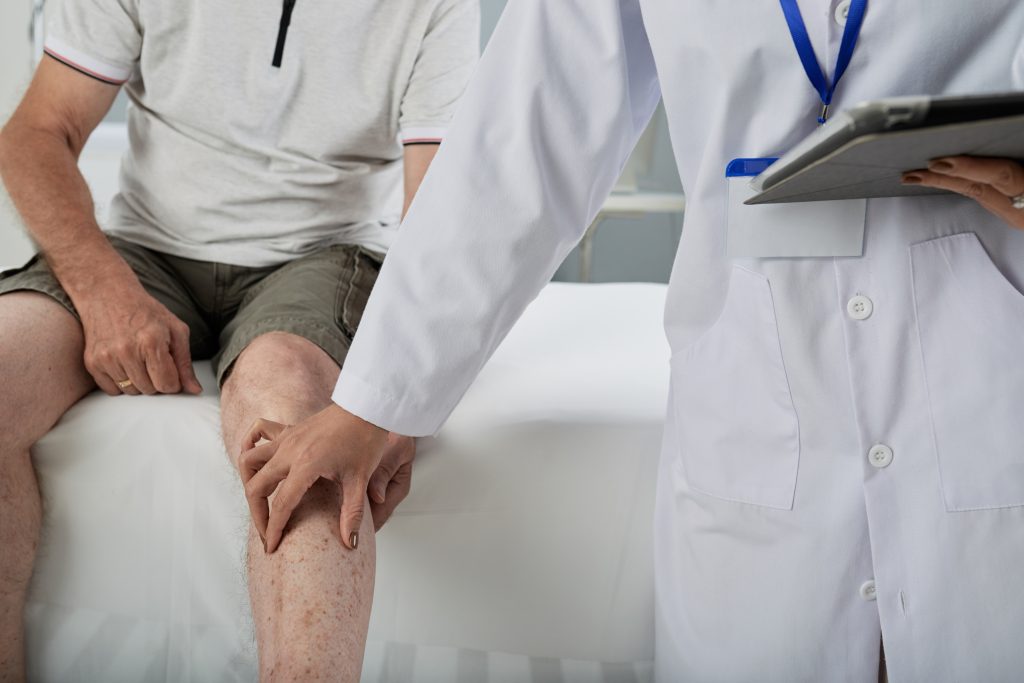
Bone-on-bone knee arthritis can make walking, standing, bending, climbing stairs, and getting up from a chair more difficult. Patients often describe deep aching, stiffness, swelling, grinding, and reduced confidence with weight-bearing activity.
Common knee symptoms include:

Bone-on-bone shoulder arthritis can affect reaching, lifting, dressing, driving, sleeping on one side, and overhead movement. Patients can feel deep shoulder aching, stiffness, clicking, weakness, or reduced range of motion.
Common shoulder symptoms include:
While symptoms vary by joint, patients with bone-on-bone arthritis commonly experience:
| Symptom | Description |
|---|---|
| Constant or near-constant pain | Pain may be present even at rest or at night, interfering with sleep. |
| Severe stiffness | Morning stiffness may last more than 30 minutes; the joint may feel “frozen” after inactivity. |
| Swelling and warmth | Chronic synovitis leads to visible swelling and increased warmth around the joint. |
| Crepitus | Loud grinding, crunching, or popping with movement. |
| Loss of motion | Significant reduction in range of motion, often with mechanical block from bone spurs. |
| Instability | The joint may buckle or feel unstable, especially in the knee. |
| Functional limitations | Difficulty with walking, climbing stairs, dressing, lifting, or performing work duties. |
Bone-on-bone symptoms can range from mild to severe. A personalized evaluation helps determine which non-surgical treatment options are appropriate.
A focused evaluation helps identify how advanced joint wear is affecting movement, function, and daily life. At Joint Health Solutions, the evaluation process is designed to understand your symptoms and create a treatment plan based on your goals.

Your provider will review your symptoms, activity level, previous injuries, prior treatments, daily limitations, and goals. This helps identify whether symptoms are related to osteoarthritis, inflammation, joint stiffness, or functional decline.

A focused exam helps assess range of motion, joint tenderness, swelling, strength, stability, and movement patterns. Your provider will evaluate how the affected joint performs during daily movements.

When available, imaging results can help your provider understand joint space narrowing, cartilage wear, inflammation, or advanced osteoarthritis changes. This information supports a personalized non-surgical care plan.

Joint Health Solutions offers personalized care for Rock Hill patients who want to explore non-surgical treatment options before considering surgery. Treatment depends on the affected joint, arthritis severity, symptoms, lifestyle, and patient goals.

Activity modification helps reduce unnecessary stress on the affected joint while keeping patients active. The goal is not to stop movement completely, but to make movement safer, more efficient, and less irritating.

For patients with knee arthritis, even a 5-10% reduction in body weight can significantly reduce pain and improve function. Weight loss decreases mechanical load and reduces systemic inflammation.

Physical therapy guidance can help improve strength, flexibility, range of motion, and joint support. Stronger muscles around the joint can reduce stress on irritated tissues and improve confidence with movement.
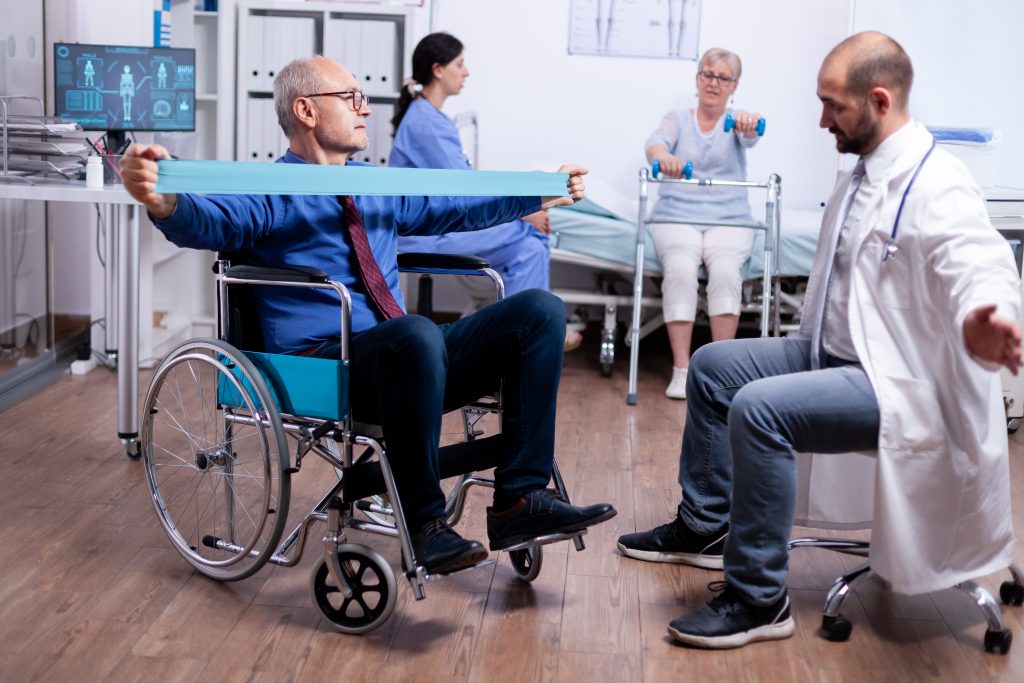
For knee bone-on-bone arthritis, bracing support can help improve stability and reduce stress on the affected area. Bracing is often used as part of a broader osteoarthritis management plan.

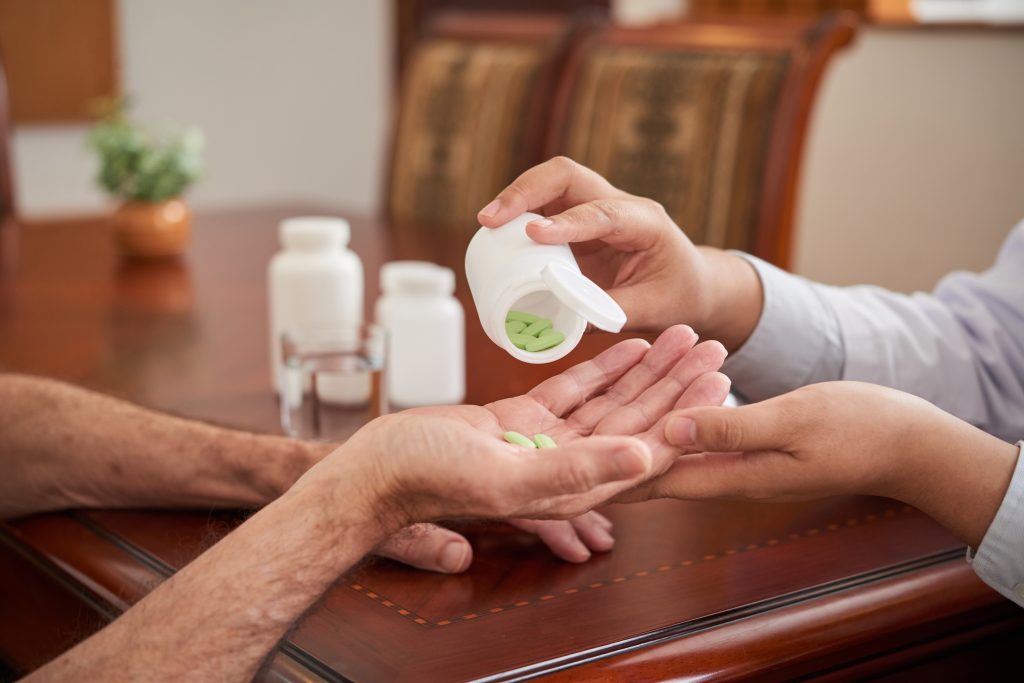
When inflammation or acute flare-ups are contributing to discomfort, provider-guided anti-inflammatory support can be considered. Joint Health Solutions offers Toradol IM injection support when clinically appropriate for short-term acute flare discomfort.
Medication support is always based on medical history, symptoms, and provider evaluation.
Injection therapy can be part of a non-surgical bone-on-bone treatment plan for selected patients. Injections are designed to help reduce inflammation, improve comfort, support mobility, and help patients participate more comfortably in daily movement or therapy.
| Injection Type | Purpose | Benefit | Typical Use |
|---|---|---|---|
| Cortisone Injection | Helps reduce inflammation inside or around the joint | Supports short-term relief during painful flare-ups | Often used when inflammation, swelling, or stiffness limits function |
| Hyaluronic Acid Injection | Helps improve lubrication and cushioning in the knee joint | Supports smoother knee movement and joint comfort | Used for knee osteoarthritis management when clinically appropriate |
| PRP Therapy | Uses a concentration of the patient’s own platelets to support the body’s natural healing response | Supports joint function, soft tissue recovery, and inflammation response | Considered for selected patients seeking regenerative medicine options |
| Toradol IM Injection | Non-opioid anti-inflammatory injection used for short-term acute flare support | Helps reduce temporary inflammation-related discomfort | Used when appropriate for short-term flare support |
Approved hyaluronic acid options can include Orthovisc, Hyalgan, GenVisc, Monovisc, and Durolane when appropriate for knee osteoarthritis management.

Platelet-rich plasma, or PRP therapy, is a regenerative medicine option that uses a concentrated sample of the patient’s own platelets. These platelets contain growth factors that support the body’s natural healing response.
For bone-on-bone arthritis, PRP therapy is often considered for selected patients who want a non-surgical option focused on joint function, inflammation response, and mobility support. PRP does not cure arthritis, reverse advanced joint damage, or guarantee cartilage regrowth, but it can support comfort and function as part of a personalized osteoarthritis management plan.
Your provider will review your symptoms, joint condition, and goals to determine whether PRP therapy is appropriate.

Many patients with bone-on-bone arthritis can still benefit from non-surgical care, especially when the goal is to reduce flare-ups, improve mobility, and delay surgery when clinically appropriate. However, some cases involve advanced joint degeneration that does not respond well to conservative options.
Joint Health Solutions focuses on helping patients explore non-surgical joint care first. When surgical care appears necessary, patients can be guided toward the right orthopedic pathway.

Non-surgical care is designed to help reduce inflammation, stiffness, and joint discomfort so patients can move with greater confidence.
Treatment can support better movement during walking, reaching, lifting, climbing stairs, exercise, and daily routines.
A personalized plan can help improve joint support, strength, movement patterns, and activity tolerance.
When injections are recommended, image-guided techniques can help target the affected area more precisely.
Care focuses on practical strategies that support joint health over time, not only short-term symptom relief.
Joint Health Solutions helps patients explore conservative options before considering surgical treatment.
Non-Surgical Expertise
Joint Health Solutions focuses on non-surgical joint care and osteoarthritis management for patients seeking alternatives before surgery.
Provider-Led Treatment
Care is guided by experienced medical professionals, including Dr. Jeffrey Galvin and Ariel Curtis, FNP-C.
Personalized Care Plans
Each treatment plan is based on your symptoms, affected joint, arthritis severity, lifestyle needs, medical history, and goals.
Advanced Injection Options
When appropriate, care can include cortisone injections, hyaluronic acid injections, PRP therapy, or Toradol IM injection support.
Convenient Access for Rock Hill Patients
The clinic is located at 9350 Benfield Rd, #109, Charlotte, NC 28269 and serves patients traveling from Rock Hill, Fort Mill, Tega Cay, York, Indian Land, Matthews, and nearby communities.
Yes. Many patients manage bone-on-bone arthritis with non-surgical care such as activity modification, physical therapy guidance, injections, bracing support for knee arthritis, regenerative medicine options, and lifestyle support. The right plan depends on the affected joint, symptoms, arthritis severity, and treatment goals.
Bone-on-bone arthritis can feel like deep aching, stiffness, grinding, swelling, weakness, or reduced range of motion. Symptoms often worsen with activity and can improve with rest, although stiffness can return after sitting or inactivity.
Bone-on-bone is commonly used to describe advanced osteoarthritis where cartilage has become severely worn and the joint space is reduced. Osteoarthritis can range from mild to advanced, while bone-on-bone usually refers to a later stage.
PRP therapy can support joint function and inflammation response for selected patients. It does not regrow cartilage or cure arthritis, but it can be considered as part of a personalized non-surgical treatment plan.
The best treatment depends on the patient’s symptoms, mobility, arthritis severity, and goals. Options can include physical therapy guidance, weight management, activity modification, knee bracing, injections, PRP therapy, and surgery referral when conservative care is no longer enough.
Yes. Joint Health Solutions provides non-surgical care options for shoulder arthritis, including mobility support, activity modification, injection options, and PRP therapy when clinically appropriate.
Surgery is usually considered when pain, stiffness, and mobility loss severely limit daily life and non-surgical care no longer provides enough support. Joint Health Solutions helps patients explore conservative options first and guides next steps when surgical care becomes appropriate.
Yes. Joint Health Solutions serves patients from Rock Hill, Fort Mill, Tega Cay, York, Indian Land, Matthews, and surrounding communities seeking non-surgical bone-on-bone treatment options.
Call Joint Health Solutions at 704-833-3566 to schedule a consultation and discuss non-surgical bone-on-bone treatment options near Rock Hill, SC.
Bone-on-bone arthritis can make movement feel painful, stiff, and frustrating, but surgery is not always the first step. Joint Health Solutions offers personalized non-surgical bone on bone treatment for Rock Hill, SC patients who want to improve comfort, protect mobility, and make informed decisions about long-term joint care.
Our team provides focused evaluation, osteoarthritis management, mobility support, image-guided injection options, PRP therapy, knee bracing support when appropriate, and short-term flare support through Toradol IM injections when clinically appropriate.