
Cortisone Injections in Rock Hill, SC can help patients manage arthritis-related inflammation, joint stiffness, swelling, and activity-limiting discomfort without immediately turning to surgery. At Joint Health Solutions, we provide provider-led cortisone injection care for patients from Rock Hill, Fort Mill, Tega Cay, York, Indian Land, Matthews, and nearby communities who want targeted support for knee and shoulder joint concerns.
Joint inflammation can make everyday movement difficult, including walking, climbing stairs, reaching, lifting, exercising, working, and sleeping comfortably. Our clinical team focuses on non-surgical joint care and osteoarthritis management using personalized evaluation, image-guided injection options, mobility support, and long-term care planning.
Care is led by experienced medical professionals, including Dr. Jeffrey Galvin and Ariel Curtis, FNP-C.
Cortisone injections, also called corticosteroid injections or steroid injections, are non-surgical treatments used to help reduce inflammation in or around an affected joint. They are often recommended when arthritis flare-ups, swelling, stiffness, or irritation are limiting daily function.
Cortisone works by calming inflammation in the targeted area. When inflammation decreases, patients can often move more comfortably, participate more effectively in therapy or mobility work, and return to daily activities with less joint irritation.
At Joint Health Solutions, cortisone injections are recommended only after a provider evaluates your symptoms, medical history, affected joint, activity level, and treatment goals.
Cortisone injections are designed to deliver anti-inflammatory medication directly to the area causing symptoms. This targeted approach can support short-term relief for selected patients dealing with joint inflammation and arthritis-related flare-ups.

Cortisone injections help reduce inflammation that contributes to aching, swelling, stiffness, and limited mobility.

Instead of relying only on general symptom support, cortisone injections target the affected knee or shoulder area based on your provider’s evaluation.

When inflammation is reduced, patients can often move more comfortably and participate more effectively in strengthening, stretching, and daily activity.
Cortisone injections can be used as part of a non-surgical care plan for selected knee and shoulder-related concerns. Treatment is customized based on the patient’s symptoms, joint condition, and provider recommendation.

Cortisone injections are often used to help reduce inflammation related to arthritis flare-ups. For patients with knee or shoulder arthritis, they can support short-term comfort and improved function during painful episodes.
Common arthritis-related concerns include:
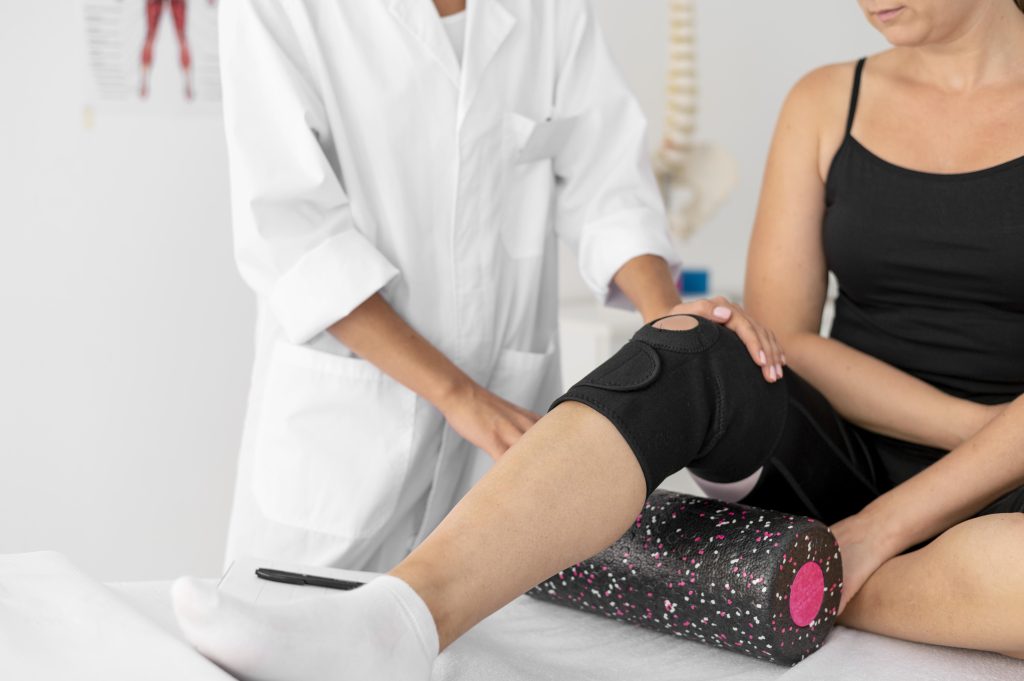
Inflammation around the shoulder or knee can contribute to pain, stiffness, and reduced movement. When clinically appropriate, cortisone injections can help calm irritation in targeted areas and support better daily function.
This can include:

Joint Health Solutions focuses on approved non-surgical joint care services, especially knee and shoulder symptoms related to arthritis, inflammation, stiffness, and reduced mobility.
Cortisone injections can support patients with:

Some patients experience recurring inflammation, stiffness, or flare-ups that affect daily movement. A provider evaluation helps determine whether cortisone injection care is appropriate or whether another option is better suited.
Other related concerns can include:
Image guidance can help improve accuracy by allowing the provider to better target the intended treatment area. For patients with arthritis-related joint changes, reduced joint space, inflammation, or previous limited response to injections, image guidance can support a more precise treatment approach.

Depending on the joint, condition, and treatment plan, image guidance can help the provider visualize the area and guide injection placement more accurately.

Image-guided injections help direct the medication toward the intended joint or inflamed area rather than relying only on surface landmarks.

Your provider uses your symptoms, exam findings, available imaging information, and treatment goals to determine whether image-guided cortisone injection care is appropriate.
At Joint Health Solutions, image guidance is used when clinically appropriate to support safe, targeted, and personalized care.

At Joint Health Solutions, the cortisone injection process is designed to be clear, comfortable, and personalized. Your provider will explain the treatment, answer your questions, and guide you through each step.

Your visit begins with a review of your symptoms, medical history, prior treatments, activity level, and goals. Your provider evaluates how joint pain, inflammation, stiffness, or swelling is affecting your daily movement.
The treatment area is cleaned and prepared. Your provider explains which injection is being used and what you can expect during and after the procedure.
When appropriate, image guidance is used to help target the intended area more precisely. The injection is performed with careful technique and attention to patient comfort.
After the injection, your provider gives instructions for activity, recovery, and follow-up. Some patients are advised to avoid strenuous activity briefly before returning gradually to normal movement.

Cortisone injections can help reduce inflammation-related discomfort that limits walking, reaching, lifting, climbing stairs, or daily activity.

The primary goal of cortisone injection care is to calm inflammation in or around the affected joint.

Reduced irritation can support better mobility, improved activity tolerance, and easier participation in daily routines.

When inflammation decreases, patients can often participate more comfortably in physical therapy guidance, mobility work, and home exercise programs.

Cortisone injections offer a conservative care option for patients who want to explore non-surgical joint care before considering surgery.
For selected patients, cortisone injections can provide temporary support during painful arthritis or inflammation flare-ups.
Cortisone injections are generally well tolerated for many patients, but every treatment has potential risks, limitations, and response differences. Your provider will review your medical history and discuss whether this treatment is appropriate for you.

Temporary pain flare
Some patients experience increased pain for 24–48 hours after the injection.

Blood sugar elevation
Diabetics may notice a temporary rise in blood glucose.

Skin changes
Rarely, skin thinning or depigmentation at the injection site, especially with superficial injections.

Infection
Extremely rare with sterile technique.

Tendon rupture
Risk when injected directly into a tendon, which we avoid.

Cartilage damage
With repeated frequent injections in the same joint.
Joint Health Solutions uses a patient-specific approach to help determine the safest and most appropriate cortisone injection plan for each individual.
The duration of support varies based on the joint condition, inflammation level, arthritis severity, activity level, and individual response.
| Condition | Typical Duration |
|---|---|
| Arthritis Flare-Up | Often provides short-term inflammation support to help reduce discomfort and stiffness. |
| Knee Inflammation | Can support improved comfort during walking, standing, and stair movement. |
| Shoulder Inflammation | May help improve comfort with reaching, lifting, and sleeping positions. |
| Joint Stiffness With Inflammation | Helps reduce irritation and supports more manageable joint mobility during daily activities. |
Some patients notice improvement within days, while others respond more gradually. Your provider will discuss realistic expectations based on your condition and treatment plan.
The number of cortisone injections depends on your condition, symptoms, response to treatment, medical history, and provider recommendation. Cortisone injections are not intended to be used too frequently in the same joint.
At Joint Health Solutions, repeat injections are considered carefully. Your provider will evaluate whether another cortisone injection is appropriate or whether a different option, such as PRP therapy, hyaluronic acid injections for knee osteoarthritis, physical therapy guidance, bracing support for knee arthritis, or lifestyle support, is a better fit.
The goal is to reduce inflammation while protecting long-term joint health.
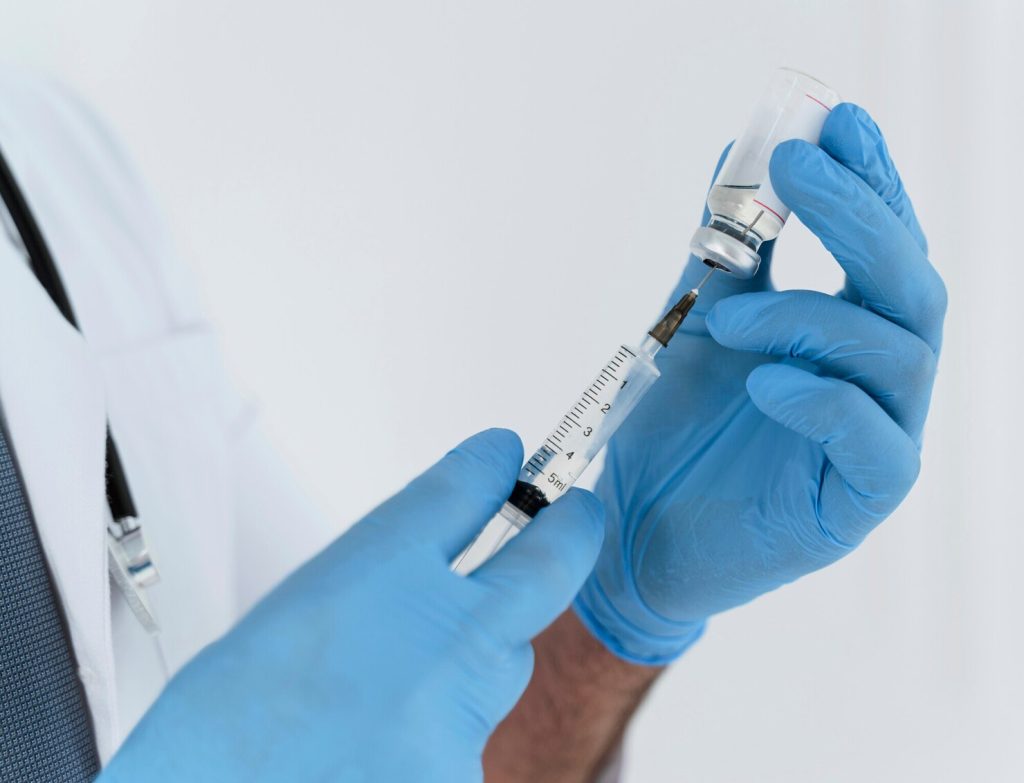
Cortisone injections are often most effective when they are part of a broader non-surgical joint care plan. While a cortisone injection can help calm inflammation, long-term improvement often depends on strengthening, mobility support, activity modification, and osteoarthritis management.
Joint Health Solutions focuses on helping patients move better, reduce inflammation, and make informed decisions about ongoing care.
Non-Surgical Joint Care Focus
Joint Health Solutions focuses on non-surgical joint care and osteoarthritis management for patients seeking conservative options before surgery.
Provider-Led Treatment
Care is provided by an experienced clinical team, including Dr. Jeffrey Galvin and Ariel Curtis, FNP-C.
Image-Guided Options
When appropriate, image guidance can help support more accurate cortisone injection placement.
Personalized Care Plans
Each treatment plan is based on your symptoms, affected joint, arthritis severity, activity level, medical history, prior treatments, and goals.
Comprehensive Treatment Options
Your provider can discuss cortisone injections along with PRP therapy, hyaluronic acid injections for knee osteoarthritis, Toradol IM injection support, physical therapy guidance, bracing support when appropriate, and lifestyle strategies.
Convenient Access for Rock Hill Patients
The clinic is located at 9350 Benfield Rd, #109, Charlotte, NC 28269 and serves patients traveling from Rock Hill, Fort Mill, Tega Cay, York, Indian Land, Matthews, and nearby communities.
Most patients feel a brief pinch from the local anesthetic and then pressure as the medication is injected. The procedure is generally well tolerated. After the injection, some patients experience mild soreness for a day or two.
Some patients notice improvement within a few days, while others respond more gradually. The timing depends on the joint condition, inflammation level, and individual response.
Relief varies from patient to patient. Cortisone injections are typically used for short-term inflammation support during flare-ups, and your provider will discuss realistic expectations based on your condition.
Many patients return to light activity soon after treatment. Your provider can recommend avoiding strenuous activity for a short period depending on the joint treated and your specific care plan.
Cortisone injections are commonly used and generally well tolerated for many patients, but they are not right for everyone. Your provider will review your medical history, medications, and symptoms before recommending treatment.
Frequent or repeated cortisone injections in the same joint are used carefully because they can carry risks for joint tissues. Joint Health Solutions takes a conservative, provider-led approach to repeat injections.
Coverage depends on your insurance plan, diagnosis, medical necessity, and treatment details. The Joint Health Solutions team can help you understand next steps and available options.
Cortisone injections can affect blood sugar levels in some patients. Your provider will review your medical history and discuss safety considerations before recommending treatment.
No. Cortisone injections help reduce inflammation. PRP therapy uses concentrated platelets from your own blood to support the body’s natural healing response. Your provider can help determine which option fits your condition.
Your provider can recommend avoiding strenuous exercise or heavy activity for a short period. Post-injection instructions are personalized based on the joint treated and the type of symptoms you have.
Yes. Joint Health Solutions provides cortisone injection care for patients from Rock Hill, Fort Mill, Tega Cay, York, Indian Land, Matthews, and surrounding communities.
Joint inflammation, stiffness, and arthritis flare-ups can make everyday movement harder, but surgery is not always the first step. Joint Health Solutions offers personalized Cortisone Injections in Rock Hill, SC for patients seeking non-surgical joint care and osteoarthritis management.
Our team provides provider-led evaluation, image-guided cortisone injection options, mobility support, physical therapy guidance, PRP therapy, hyaluronic acid injections for knee osteoarthritis, and long-term joint health planning.