Joint Stiffness Treatment in Huntersville, NC

Joint Stiffness Treatment Huntersville NC is available at Joint Health Solutions for adults dealing with tight, painful, or limited joint movement. Our team helps patients from Huntersville and nearby areas explore non-surgical care options for stiffness caused by arthritis, inflammation, injury, overuse, aging, or joint degeneration.

Joint stiffness can make it difficult to walk, bend, lift, exercise, work, sleep comfortably, or complete daily activities. At Joint Health Solutions, we focus on identifying the cause of your stiffness and creating a personalized treatment plan designed to improve comfort, flexibility, and mobility.

Medically reviewed by: Dr. Jeffrey Galvin & Ariel Curtis, FNP-C

Joint Stiffness Treatment Huntersville NC

What Is Joint Stiffness?

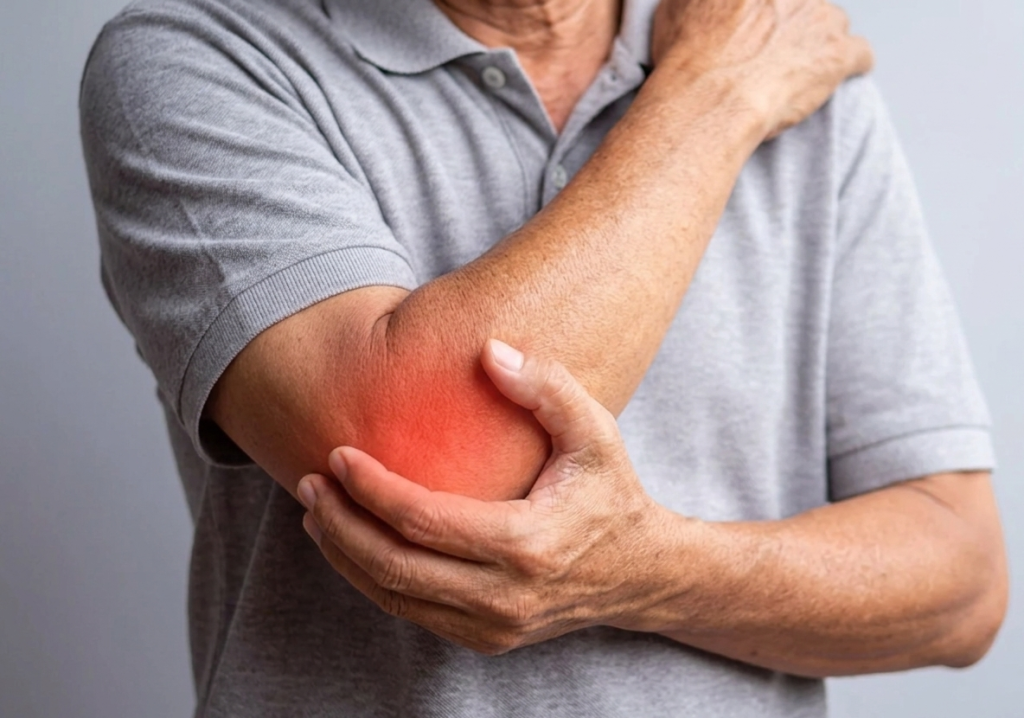
Joint stiffness happens when a joint feels tight, painful, restricted, or harder to move than normal. It may affect one joint or several joints, including the knees, hips, shoulders, ankles, elbows, neck, or spine.

For many adults in Huntersville, NC, stiffness is worse in the morning, after sitting for a long time, or after physical activity. Some patients also notice swelling, aching, weakness, clicking, grinding, or reduced range of motion.

At Joint Health Solutions, we do not only focus on temporary symptom relief. We work to understand the reason behind your stiffness so we can recommend the right treatment options for your condition.

Common Causes of Joint Stiffness

Osteoarthritis

Osteoarthritis is one of the most common causes of joint stiffness. It happens when cartilage wears down over time, causing pain, inflammation, and limited movement.

Inflammatory Arthritis

Inflammatory arthritis may cause swelling, warmth, pain, and stiffness in one or more joints. Symptoms may feel worse in the morning or during flare-ups.

Joint Injury or Past Trauma

Old injuries, sports damage, falls, or accidents can lead to long-term stiffness if the joint becomes irritated or does not heal properly.

Muscle, Tendon, or Ligament Tightness

Tight soft tissues around the joint can limit movement and make the joint feel stiff, sore, or restricted.

Reduced Mobility or Overuse

Sitting too long, repetitive movements, poor posture, or overuse from work and exercise can contribute to joint stiffness.

Chronic Conditions

Some chronic health conditions can affect inflammation, flexibility, and joint comfort, leading to ongoing stiffness or reduced mobility.

Joints Most Commonly Affected by Stiffness

Joint Common Stiffness Patterns
Knee Difficulty fully straightening or bending; stiffness after sitting or upon waking.
Hip Stiffness in the groin or outer hip; trouble putting on socks or shoes.
Shoulder Reduced overhead reach; difficulty reaching behind the back; "frozen" sensation.
Ankle & Foot Stiffness after rest; difficulty with stairs or uneven ground.
Spine (Neck/Back) Stiffness upon waking, reduced rotational range, muscle tightness.

Symptoms Associated with Joint Stiffness

Limited Range of Motion

You may have trouble bending, straightening, lifting, turning, or rotating the affected joint.

Morning stiffness

Many patients feel more stiffness after waking up or after resting for a long period of time.

Pain with Movement

A stiff joint may become painful during walking, exercising, lifting, reaching, or daily activities.

Swelling

Inflammation around the joint may cause swelling, pressure, tenderness, or warmth.

Weakness or Instability

A stiff joint may feel weak, unstable, or difficult to control during movement.

Clicking or Grinding

Some patients notice popping, clicking, cracking, or grinding when moving the joint.

Diagnosing the Cause of Joint Stiffness

Rotator cuff injury treatment

Detailed history

Your provider will ask when your stiffness started, what makes it worse, what improves it, and how it affects your daily routine.

Frozen shoulder treatment

Physical examination

A physical exam helps evaluate range of motion, swelling, tenderness, strength, flexibility, and joint function.

Shoulder impingement treatment

Imaging

X-rays, ultrasound, or other imaging may be recommended to check for arthritis, inflammation, injury, or joint degeneration.

Cortisone shot for knee pain in Charlotte NC

Laboratory tests

If inflammation or an underlying health condition is suspected, lab testing may help identify possible causes.

Non-surgical treatment options for joint stiffness

Non-Surgical Treatment Options for Joint Stiffness

Physical Therapy and Movement Support

Stretching, strengthening, and guided movement can help improve flexibility, stability, and range of motion.

Lifestyle and Activity Changes

Simple changes to posture, exercise, work habits, and daily activities may reduce stress on stiff or painful joints.

Medication Management

Anti-inflammatory medications or pain relief options may be recommended when appropriate to help manage discomfort.

Joint Injections

Certain injections may help reduce inflammation, improve comfort, and support better movement.

Regenerative Medicine Options

Regenerative treatments such as PRP therapy may help support the body’s natural healing response in selected patients.

Personalized Treatment Plans

Your care plan is based on your diagnosis, symptoms, lifestyle, and mobility goals.

Bracing & Splinting

In some cases, night splints or dynamic splints can help maintain range of motion.

Injection Options for Joint Stiffness

Joint Common Stiffness Patterns
Knee Difficulty fully straightening or bending; stiffness after sitting or upon waking.
Hip Stiffness in the groin or outer hip; trouble putting on socks or shoes.
Shoulder Reduced overhead reach; difficulty reaching behind the back; "frozen" sensation.
Ankle & Foot Stiffness after rest; difficulty with stairs or uneven ground.
Spine (Neck/Back) Stiffness upon waking, reduced rotational range, muscle tightness.

Regenerative Medicine for Joint Stiffness

Regenerative medicine may be an option for patients looking for a non-surgical approach to joint stiffness, inflammation, or ongoing discomfort. PRP therapy uses platelet-rich plasma from your own blood to support the body’s natural repair process.

For some Huntersville-area patients, PRP may be recommended when stiffness is related to soft tissue irritation, joint inflammation, arthritis, or chronic pain. The goal is to support healing, improve function, and help patients move more comfortably over time.

Joint Stiffness Treatment in Huntersville
Surgery consultation for joint stiffness in Huntersville, NC

When Surgery May Be Considered

Surgery is not always the first step for joint stiffness. Many patients improve with non-surgical treatment, injections, movement support, and lifestyle changes.


However, surgery may be considered if joint damage is severe, symptoms continue to worsen, or non-surgical options no longer provide enough relief. If that happens, your provider can help explain your options and guide you toward the right next step.


At Joint Health Solutions, our goal is to help patients explore conservative care whenever possible.

Why Choose Joint Health Solutions for Joint Stiffness Care

Joint Health Solutions provides Joint Stiffness Treatment Huntersville NC patients can trust when they want clear guidance and non-surgical options.

Non-Surgical Experts

Dr. Jeffrey Galvin and Ariel Curtis, FNP-C, specialize in diagnosing and treating joint stiffness without surgery.

Personalized Plans

Your treatment plan is based on your symptoms, diagnosis, activity level, and long-term joint health goals.

Advanced Treatment Options

We offer options such as joint injections, PRP therapy, and customized care for stiffness and joint discomfort.

Compassionate Providers

Our team takes time to listen, explain your options, and answer your questions clearly.

Care Near Huntersville, NC

Joint Health Solutions serves patients from Huntersville, Charlotte, and nearby North Carolina communities.

Long-Term Joint Support

We help patients manage stiffness with treatment, education, follow-up care, and lifestyle recommendations.

Frequently Asked Questions About Joint Stiffness

What causes morning joint stiffness?

Morning stiffness is commonly caused by osteoarthritis (stiffness typically <30 minutes) or inflammatory arthritis (stiffness often >30 minutes). It results from fluid accumulation, inflammation, or decreased lubrication during sleep. Gentle movement usually helps.

Yes. Joint Health Solutions provides Joint Stiffness Treatment Huntersville NC for patients from Huntersville and nearby areas.

Consistent stretching, heat application before activity, low-impact exercise (walking, cycling), and staying hydrated can help. Avoid prolonged immobility; take breaks to move throughout the day. A physical therapist can provide a targeted home program.

Yes. Physical therapy is one of the most effective treatments for joint stiffness. Therapists use manual techniques, stretching, and strengthening exercises to restore range of motion and correct underlying muscle imbalances that contribute to stiffness.

Frozen shoulder (adhesive capsulitis) is a condition where the shoulder capsule thickens and tightens, causing progressive stiffness. Treatment includes physical therapy, corticosteroid injections, hydrodilatation, and in persistent cases, capsular release surgery. Early treatment yields better outcomes.

Injections can be highly effective when stiffness is driven by inflammation or capsular restriction. Corticosteroid injections reduce inflammation; hydrodilatation expands the joint capsule in frozen shoulder; PRP addresses chronic inflammatory processes. Image guidance ensures accuracy.

Improvement depends on the cause and treatment. With consistent physical therapy and home exercises, many patients notice improvement within 4–6 weeks. Inflammatory causes may respond more quickly to injections. Chronic stiffness (e.g., frozen shoulder) may take several months.

It can be. Osteoarthritis and inflammatory arthritis are common causes, but stiffness can also result from injury, overuse, or soft-tissue restrictions. A thorough evaluation is needed to determine the underlying cause.

Yes. A diet rich in anti-inflammatory foods (omega-3 fatty acids, fruits, vegetables) may help reduce stiffness associated with inflammatory arthritis. Weight management also reduces mechanical stress on weight-bearing joints. Supplements like curcumin or fish oil may be beneficial, but consult your provider.

You should seek evaluation if stiffness lasts more than a few weeks, is accompanied by swelling, warmth, or redness, interferes with daily activities, work, or sleep, follows an injury, or is progressively worsening.

Not all stiffness can be prevented, but you can reduce risk by staying active, maintaining a healthy weight, using proper ergonomics, and addressing injuries promptly. Regular stretching and strength training help maintain joint health.

Stop Guessing. Start Healing.

Joint stiffness does not have to control your daily life. If you are struggling with tight, painful, or limited joint movement, Joint Health Solutions can help you explore non-surgical treatment options near Huntersville, NC.

Schedule your visit today for Joint Stiffness Treatment Huntersville NC and take the next step toward better movement, less discomfort, and improved joint health.