
Knee Arthrocentesis in Concord, NC is a non-surgical procedure used to help relieve knee swelling, pressure, stiffness, and discomfort caused by excess fluid around the knee joint. At Joint Health Solutions, we provide provider-led knee joint aspiration care for patients from Concord, Kannapolis, Harrisburg, Midland, Mount Pleasant, and nearby communities.
A swollen knee can make walking, bending, climbing stairs, exercising, or standing for long periods more difficult. When fluid buildup creates pressure inside the knee, arthrocentesis can help remove excess fluid and support improved comfort and mobility when clinically appropriate.
Our clinical team focuses on non-surgical knee care, osteoarthritis management, image-guided injection options, mobility support, and long-term joint health planning.
Joint Health Solutions provides knee arthrocentesis for adults traveling from Concord and nearby Cabarrus County communities to our Charlotte clinic at 9350 Benfield Road. We do not currently operate a physical clinic in Concord.
Care is led by experienced medical professionals, including Dr. Jeffrey Galvin and Ariel Curtis, FNP-C.
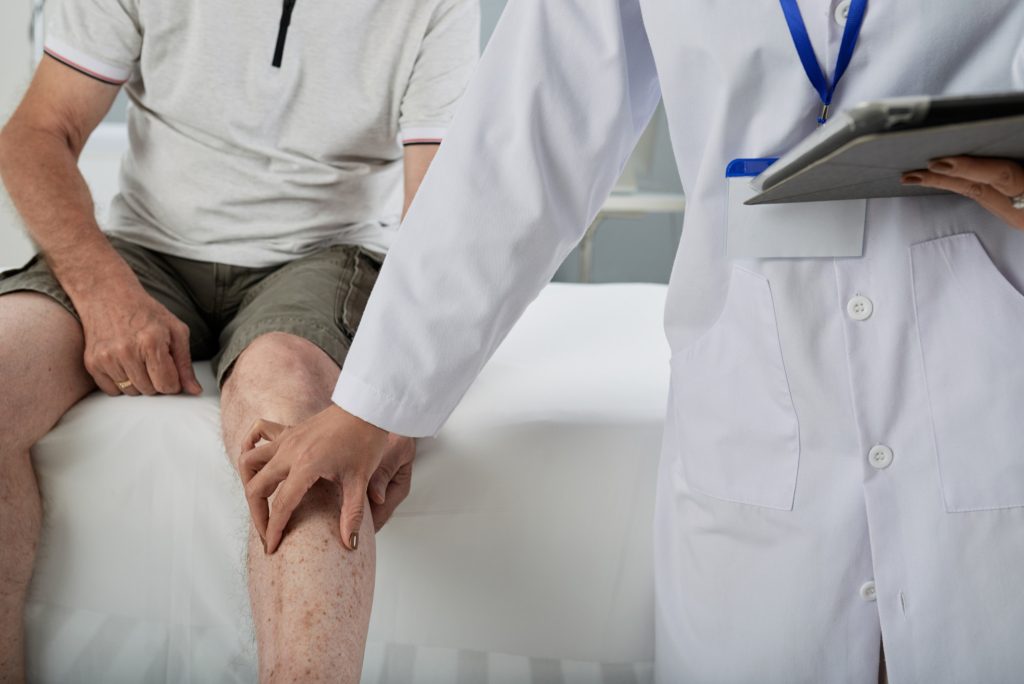
Knee arthrocentesis, also called knee joint aspiration, removes excess fluid from the knee using a needle and syringe. This can help reduce swelling, pressure, stiffness, and discomfort.
This fluid buildup, called knee effusion, may happen from arthritis, inflammation, irritation, or injury. Removing the fluid can help the knee feel less tight and make movement easier.
At Joint Health Solutions, knee arthrocentesis may be included in a provider-guided non-surgical knee care plan.
Knee Arthrocentesis Can Help With:
Knee arthrocentesis does not cure arthritis or rebuild cartilage, but it can support symptom relief and improve comfort as part of a broader knee care plan.
Fluid can collect in the knee when the joint becomes irritated or inflamed. This can happen for several reasons, including arthritis, overuse, activity-related irritation, or joint degeneration.
| Cause | Description |
|---|---|
| Knee Arthritis | Arthritis can irritate the knee joint lining, leading to swelling, stiffness, and discomfort. |
| Osteoarthritis | Cartilage changes can increase friction and inflammation inside the knee, causing fluid buildup. |
| Injury or Overuse | Repetitive strain, twisting, impact, or increased activity can trigger swelling around the knee. |
| Inflammation | Inflammatory flare-ups can cause the knee to feel swollen, warm, stiff, or difficult to bend. |
| Baker’s Cyst-Related Swelling | Fluid can sometimes collect behind the knee and create tightness or pressure. |
| Activity-Related Irritation | Long periods of standing, walking, stairs, or exercise can increase symptoms in sensitive knees. |
A provider evaluation helps determine whether knee arthrocentesis is appropriate and how it fits into your overall non-surgical knee care plan.
At Joint Health Solutions, knee arthrocentesis is performed with careful technique and provider guidance. The process is designed to be clear, comfortable, and focused on relieving swelling-related pressure.
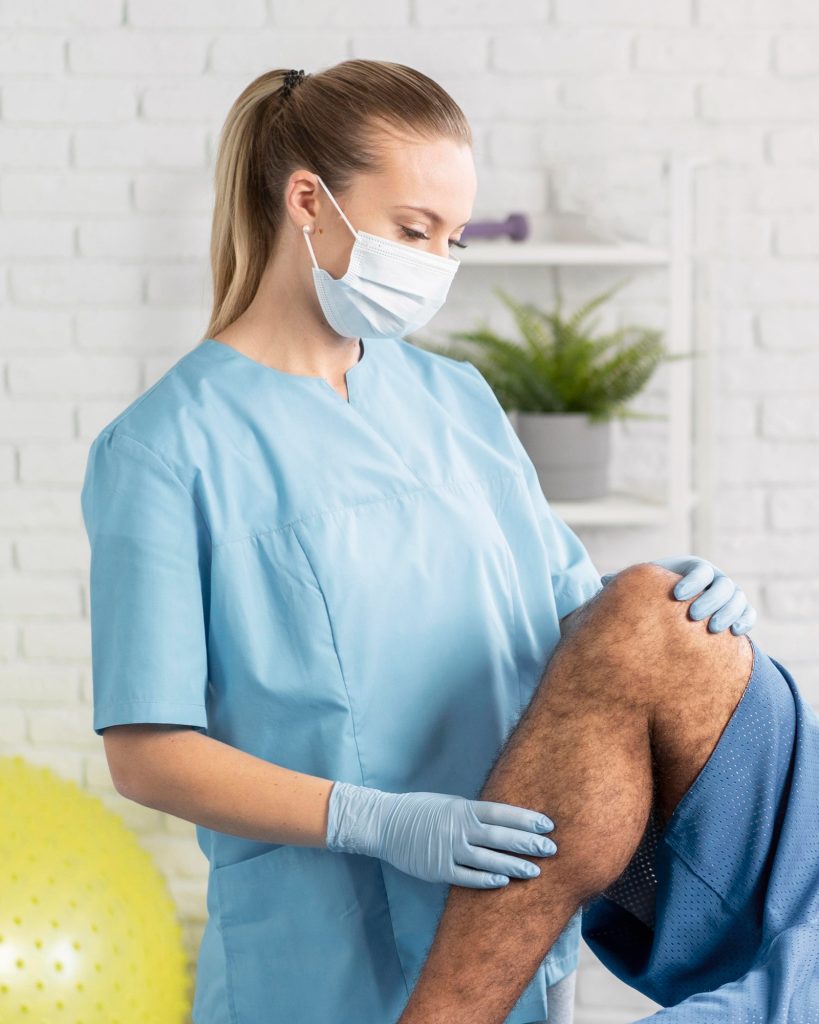
Your visit begins with a review of your symptoms, medical history, activity level, prior treatments, and goals. Your provider evaluates knee swelling, stiffness, tenderness, range of motion, and how symptoms are affecting daily movement.
Your provider determines whether joint aspiration is appropriate based on the amount of swelling, knee function, discomfort level, and your overall treatment plan.
The knee area is cleaned and prepared carefully. Your provider explains what to expect and positions the knee for safe, comfortable access.
A needle is gently placed into the knee joint area, and excess fluid is removed using a syringe. Patients can feel pressure during the procedure, but the process is typically brief.
When clinically appropriate, your provider can discuss whether an injection should be included after fluid removal. Options can include cortisone injections, hyaluronic acid injections, or other non-surgical knee care options based on your treatment needs.
After the procedure, your provider gives instructions for activity, swelling management, follow-up care, and when to return to normal movement.

Removing excess fluid can help reduce pressure inside the knee, making the joint feel less tight or swollen.

When swelling decreases, patients can often bend, walk, stand, and move with more comfort.

Fluid buildup can restrict knee motion. Arthrocentesis can help improve movement when swelling is limiting range of motion.

Knee arthrocentesis is a conservative treatment option for patients who want to manage swelling before considering more invasive care.

Reducing swelling can help patients participate more comfortably in physical therapy guidance, stretching, strengthening, and mobility work.
When appropriate, joint aspiration can be paired with injection options, bracing support, activity modification, and long-term osteoarthritis management.
Knee arthrocentesis is generally well tolerated for many patients, but every procedure has possible risks, limitations, and response differences. Your provider will review your medical history before recommending treatment.
Possible considerations include:
Joint Health Solutions uses a patient-specific approach to help determine whether knee arthrocentesis is appropriate and how it should fit into your broader care plan.

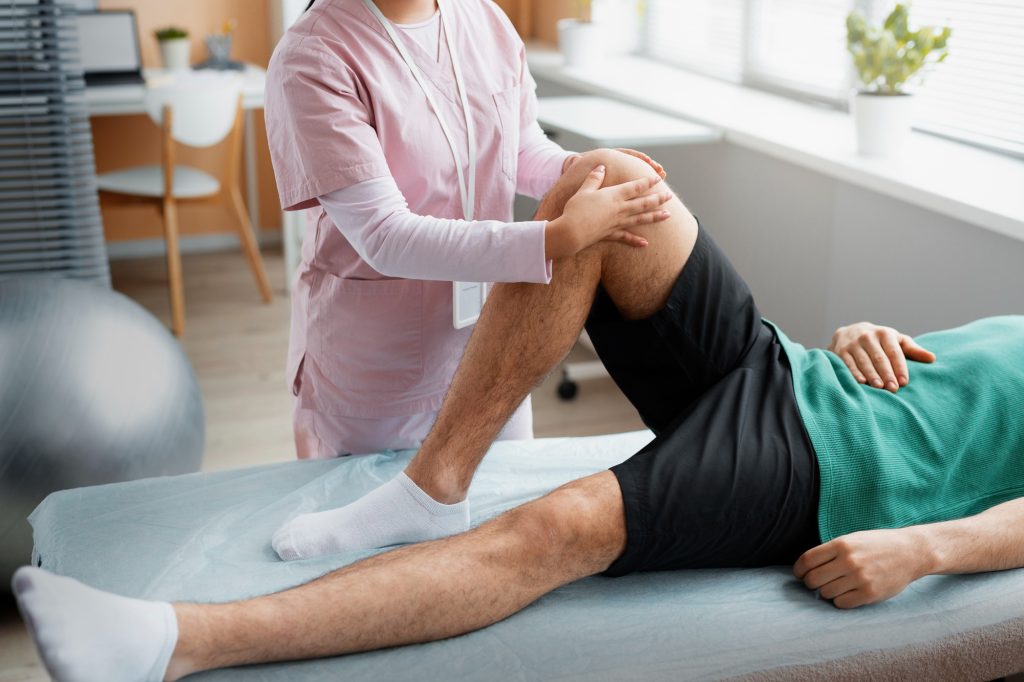
After knee arthrocentesis, some patients notice the knee feels less tight or easier to move. Others experience gradual improvement as swelling and irritation settle.
Knee arthrocentesis is different from other non-surgical knee treatments because its main purpose is to remove excess fluid and reduce pressure.
| Procedure | Purpose |
|---|---|
| Knee Arthrocentesis | Removes excess fluid from the knee joint to reduce swelling and pressure |
| Cortisone Injection | Helps reduce inflammation during painful flare-ups when clinically appropriate |
| Hyaluronic Acid Injection | Supports knee joint lubrication and cushioning for selected patients with knee osteoarthritis |
| PRP Therapy | Uses concentrated platelets from the patient’s own blood to support the body’s natural healing response |
| Toradol IM Injection | Provides short-term non-opioid anti-inflammatory flare support when appropriate |
Your provider can help determine whether arthrocentesis, injection therapy, bracing, physical therapy guidance, or a combination of treatments is the best fit for your knee symptoms.
Expert Precision
Joint Health Solutions provides provider-led knee care with careful attention to comfort, technique, and treatment planning.
Provider-Led Evaluation
Care is guided by experienced medical professionals, including Dr. Jeffrey Galvin and Ariel Curtis, FNP-C.
Joint Aspiration Expertise
Knee arthrocentesis is performed as part of a broader non-surgical knee care approach for swelling, stiffness, and mobility limitations.
Comprehensive Care
Your provider can discuss arthrocentesis alongside injection options, physical therapy guidance, bracing, lifestyle support, and osteoarthritis management.
Convenient Access for Concord Patients
The clinic is located at 9350 Benfield Rd, #109, Charlotte, NC 28269 and serves patients traveling from Concord, Kannapolis, Harrisburg, Midland, Mount Pleasant, and nearby communities.
Conservative Treatment Approach
The goal is to help patients reduce swelling, improve comfort, and explore non-surgical knee care before considering surgery.
Most patients tolerate knee arthrocentesis well. You can feel brief pressure, pinching, or soreness during the procedure. Your provider uses careful technique and explains what to expect before treatment begins.
The amount varies. Some patients have only a few milliliters, while others may have more than 100 mL of fluid. Removing a large effusion can provide dramatic relief.
The aspiration itself is usually brief. The full appointment includes evaluation, preparation, fluid removal, post-procedure instructions, and care planning.
It depends on the underlying cause. If the cause is treated, such as infection, gout flare, or an osteoarthritis flare, fluid may not re-accumulate. If the underlying condition persists, fluid may return. In some cases, we combine aspiration with a corticosteroid injection to prolong relief.
Not always. If the diagnosis is already clear, such as known osteoarthritis with a non-inflammatory effusion, we may aspirate for therapeutic purposes only. If infection, gout, or inflammatory arthritis is suspected, we send fluid for analysis.
Yes, when clinically appropriate. Your provider can discuss whether a cortisone injection, hyaluronic acid injection, or another treatment option fits your knee condition and goals.
Yes. Knee arthrocentesis can be combined with physical therapy guidance, bracing support, activity modification, injections, and long-term osteoarthritis management.
Frequency depends on your symptoms, medical history, swelling pattern, and provider recommendation. If swelling keeps returning, your provider will help identify a broader treatment plan.
Coverage depends on your insurance plan, diagnosis, medical necessity, and treatment details. The Joint Health Solutions team can help you understand next steps and available options.
Most patients return to light activity soon after the procedure, but strenuous activity can be limited briefly based on provider instructions. Temporary soreness or stiffness can happen.
Joint Health Solutions serves patients traveling from Concord, Kannapolis, Harrisburg, Midland, Mount Pleasant, and nearby communities at its Charlotte clinic. The practice does not currently operate a physical office in Concord.
Knee swelling, stiffness, and pressure can make everyday movement harder, but surgery is not always the first step. Joint Health Solutions offers personalized Knee Arthrocentesis in Concord, NC for patients seeking non-surgical relief from knee fluid buildup and swelling-related discomfort.
Our team provides provider-led evaluation, knee joint aspiration, injection options when appropriate, bracing support, physical therapy guidance, and long-term osteoarthritis management.