
Knee swelling can cause pain, stiffness, pressure, and difficulty walking or bending the joint. At Joint Health Solutions, we provide Knee Arthrocentesis in Mount Holly, NC to help remove excess fluid from the knee, reduce discomfort, and better understand the cause of joint swelling.
This in-office procedure, also known as knee joint aspiration, may be used for both relief and diagnosis. It can help patients in Mount Holly, NC get clearer answers and a more personalized treatment plan for knee pain, arthritis, inflammation, or injury-related swelling.
Medically reviewed by: Dr. Jeffrey Galvin & Ariel Curtis, FNP-C
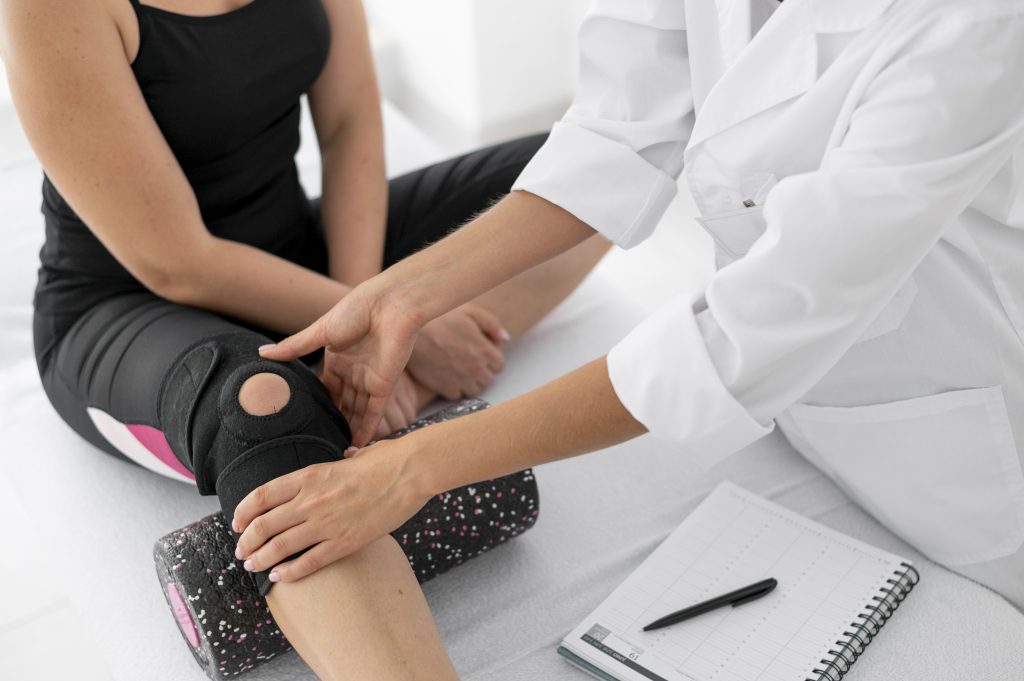
Knee arthrocentesis is a minimally invasive procedure used to remove excess fluid from the knee joint with a small needle. This procedure is often performed when the knee is swollen, painful, stiff, or filled with fluid due to inflammation, injury, arthritis, or other joint conditions.
For patients in Mount Holly, NC, knee arthrocentesis may help relieve pressure inside the knee and provide important diagnostic information.
Knee arthrocentesis may help with:
In some cases, medication may also be injected into the knee after the fluid is removed, depending on your condition and provider recommendation.
Fluid can build up inside the knee joint for several reasons. Sometimes it develops after an injury, while other times it may be related to arthritis, inflammation, infection, or another medical condition.
| Cause | Why It Happens |
|---|---|
| Osteoarthritis | Wear and tear in the knee joint can lead to inflammation and fluid buildup |
| Rheumatoid Arthritis | Autoimmune inflammation may cause swelling and joint fluid accumulation |
| Injury or Trauma | Sprains, meniscus tears, or impact injuries may trigger swelling |
| Gout or Pseudogout | Crystal buildup in the joint can cause sudden pain and swelling |
| Infection | Joint infection can cause fluid buildup and requires prompt evaluation |
| Bursitis or Inflammation | Irritated tissues around the knee may contribute to swelling and discomfort |
For Mount Holly, NC patients, identifying the cause of knee swelling is an important step in choosing the right treatment.
Knee arthrocentesis is typically performed in-office and usually does not require a long recovery period. The procedure is designed to be precise, controlled, and focused on patient comfort.
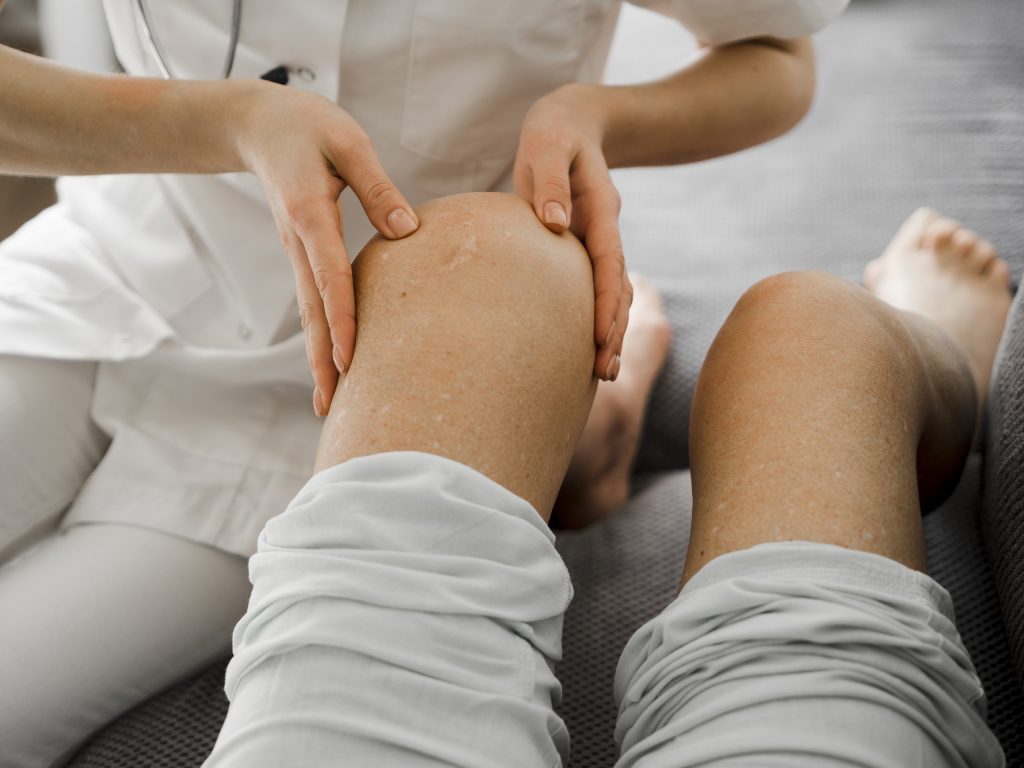
Your provider will review your symptoms, medical history, knee swelling, pain level, and any available imaging to determine whether knee arthrocentesis is appropriate.
The knee is examined and the treatment area is cleaned carefully. Your provider will explain the process before beginning the procedure.
A small needle is carefully inserted into the knee joint. Image guidance may be used when appropriate to improve accuracy.
Excess fluid is gently removed from the knee joint to help reduce pressure, swelling, and discomfort.
Depending on your condition, medication may be injected into the knee after fluid removal to help reduce inflammation or support symptom relief.
After the procedure, your provider will give you simple aftercare instructions and explain what to expect as your knee responds.
One of the key benefits of knee arthrocentesis is that the removed fluid can be analyzed to help identify the cause of swelling or inflammation.
| Test | What It Detects |
|---|---|
| Appearance | Color and clarity such as clear, cloudy, purulent, or bloody. |
| Cell count & differential | White blood cell count helps differentiate inflammatory from septic arthritis. |
| Crystal analysis | Urate crystals in gout or calcium pyrophosphate crystals in pseudogout. |
| Gram stain & culture | Bacteria and antibiotic sensitivities when infection is suspected. |
| Glucose, protein, LDH | Additional markers of inflammation and joint pathology. |
For patients in Mount Holly, NC, diagnostic fluid analysis can help guide the next step in treatment with greater clarity.
Knee arthrocentesis may offer both symptom relief and diagnostic value for patients dealing with knee swelling.
Potential benefits include:
For Mount Holly, NC patients, this procedure may be an important step toward understanding and managing knee pain more effectively.
Knee arthrocentesis is generally well tolerated, but like any procedure involving a needle, it may involve temporary side effects or risks.
Possible risks or side effects may include:
Your provider will review your medical history, explain possible risks, and make sure the procedure is appropriate for your condition.

Most patients can return home shortly after knee arthrocentesis. You may notice reduced pressure or improved comfort soon after the fluid is removed, although results can vary.
Aftercare may include:
Patients in Mount Holly, NC may receive additional treatment recommendations based on the cause of the fluid buildup.
Knee arthrocentesis is different from other knee treatments because it focuses on removing excess fluid and helping diagnose the cause of swelling.
| Procedure | Purpose |
|---|---|
| Arthrocentesis (aspiration) | Removes fluid, relieves pressure, and obtains a sample for diagnosis. |
| Corticosteroid injection | Reduces inflammation after aspiration or as a standalone treatment. |
| Hyaluronic acid injection | Lubricates the joint for osteoarthritis; usually performed when effusion is minimal. |
| PRP injection | Regenerative therapy; may be delayed until after effusion is controlled. |
Your provider may recommend knee arthrocentesis alone or combine it with another treatment depending on your symptoms and diagnosis.
Joint Health Solutions provides non-surgical knee pain care for patients in Mount Holly, NC and nearby areas. Our team focuses on identifying the cause of your knee swelling and recommending a treatment plan that supports better comfort, movement, and long-term joint health.
Expert Providers
Dr. Jeffrey Galvin and Ariel Curtis, FNP-C, have extensive experience in ultrasound-guided joint procedures.
Ultrasound Guidance
Ensures accurate needle placement, improves safety, and maximizes fluid yield.
Sterile Technique
Strict infection control protocols are followed.
Comprehensive Care
We combine aspiration with diagnostic analysis, therapeutic injections, and a long-term management plan.
Convenient Charlotte Location
Serving patients from Charlotte, Huntersville, Concord, Matthews, and surrounding areas.
Most patients feel a brief pinch from the local anesthetic and then pressure as the needle enters the joint. The procedure is generally well tolerated. After the aspiration, mild soreness may occur for a day or two.
The amount varies. Some patients have only a few milliliters, while others may have more than 100 mL of fluid. Removing a large effusion can provide dramatic relief.
The aspiration itself takes only a few minutes. Including preparation, ultrasound evaluation, and post-procedure care, the entire appointment typically lasts 20–30 minutes.
It depends on the underlying cause. If the cause is treated, such as infection, gout flare, or an osteoarthritis flare, fluid may not re-accumulate. If the underlying condition persists, fluid may return. In some cases, we combine aspiration with a corticosteroid injection to prolong relief.
Not always. If the diagnosis is already clear, such as known osteoarthritis with a non-inflammatory effusion, we may aspirate for therapeutic purposes only. If infection, gout, or inflammatory arthritis is suspected, we send fluid for analysis.
It depends on the type of blood thinner and the risk of bleeding. Some patients may need to temporarily hold their medication with approval from their prescribing physician, while others may proceed with caution. We evaluate each case individually.
Yes. After aspiration, we often inject a corticosteroid to reduce inflammation and prevent rapid re-accumulation. In some cases, we may aspirate first and schedule PRP therapy later, once acute inflammation is controlled.
Signs that aspiration may be beneficial include significant swelling that limits bending or straightening, a painful tense feeling in the knee, redness and warmth, or failure to improve with rest, ice, and oral anti-inflammatories.
Ultrasound guidance improves accuracy, especially in patients with complex anatomy or small effusions. It also helps avoid blood vessels and ensures the needle enters the correct compartment. At Joint Health Solutions, we use ultrasound for all joint aspirations.
If fluid is sent to a lab, preliminary results such as cell count and crystal analysis are often available within 24–48 hours. Culture results may take 3–5 days. We will contact you with results and discuss any needed treatment changes.
If your knee is swollen, painful, and limiting your mobility, schedule a consultation for knee arthrocentesis at Joint Health Solutions in Charlotte. We will help relieve your symptoms and determine the underlying cause.