
Knee arthrocentesis, also called knee joint aspiration, is a procedure used to remove excess fluid from the knee joint. When fluid builds up, it can create swelling, tightness, stiffness, and difficulty moving comfortably.
Joint Health Solutions serves Rock Hill, SC patients through our Charlotte clinic at 9350 Benfield Rd, #109, Charlotte, NC 28269. Our team, led by Dr. Jeffrey Galvin and Ariel Curtis, FNP-C, provides personalized non-surgical knee care focused on comfort, mobility, and osteoarthritis management.
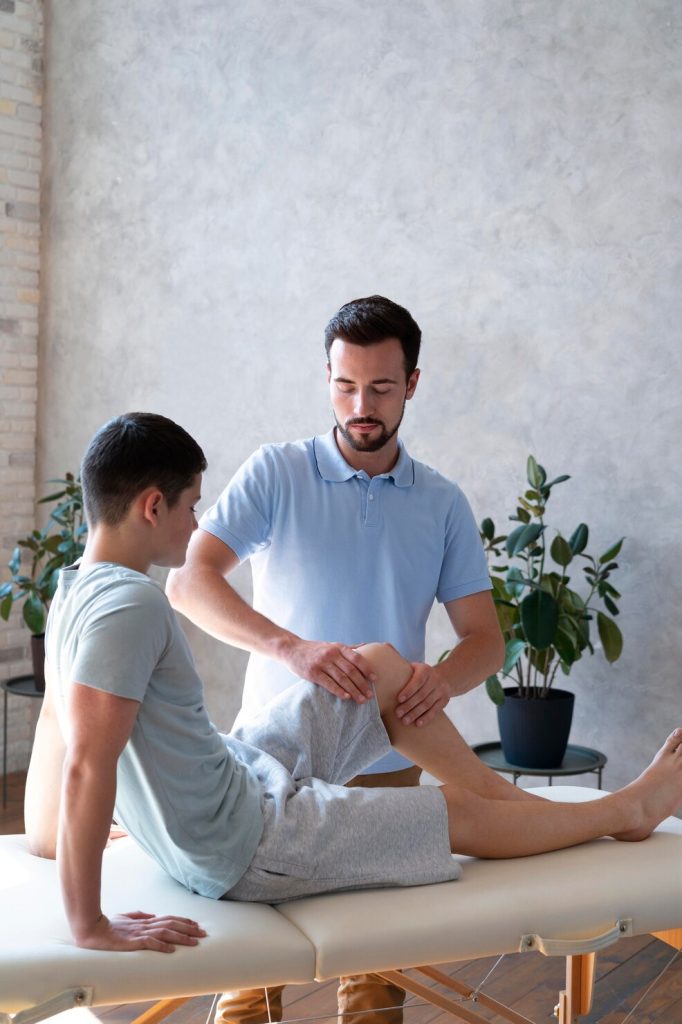
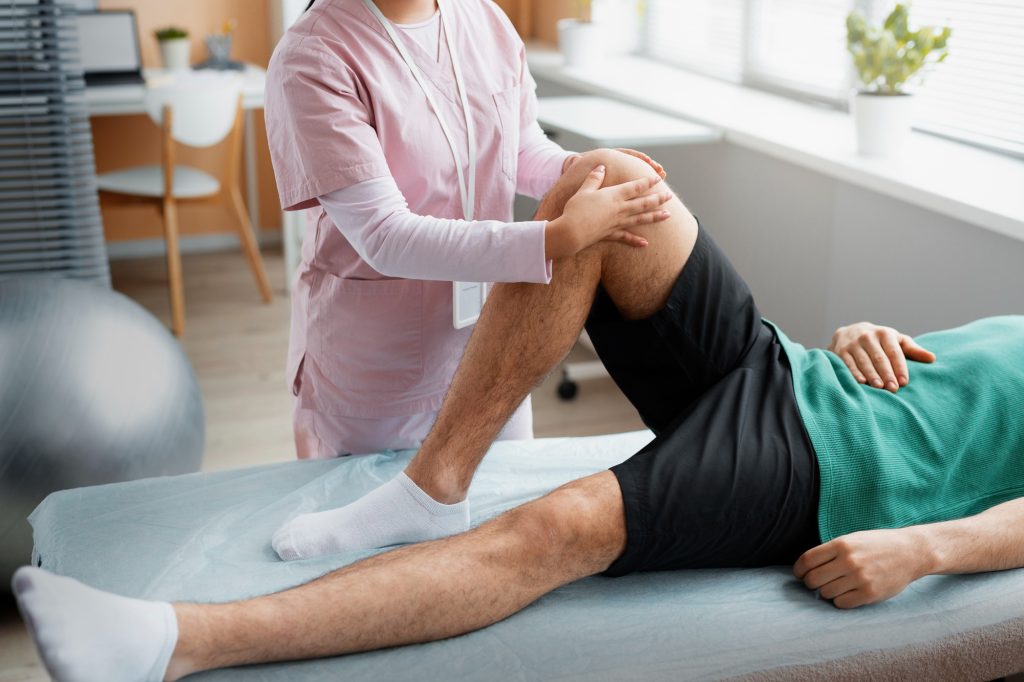
Knee arthrocentesis is a minimally invasive procedure that removes excess fluid from the knee joint with a sterile needle, helping reduce swelling, relieve pressure, and improve movement. At Joint Health Solutions, it is used to manage knee swelling caused by osteoarthritis, inflammation, injuries, and other joint conditions.
Important note: Joint Health Solutions does not perform diagnostic fluid analysis and does not send fluid to a lab. Treatment recommendations are based on your clinical evaluation, symptoms, and care goals.
Knee arthrocentesis can support:
Fluid buildup in the knee happens when the joint becomes irritated or inflamed. This can make the knee feel swollen, tight, warm, or difficult to bend.
| Cause | Description |
|---|---|
| Knee Osteoarthritis | Joint irritation from osteoarthritis can lead to swelling and stiffness. |
| Inflammation-Related Flare-Ups | Active inflammation can increase fluid inside the knee joint. |
| Activity-Related Irritation | Overuse or increased activity can aggravate the knee and contribute to swelling. |
| Joint Stiffness | Fluid buildup can limit knee bending, walking, and daily movement. |
| Previous Knee Injury | Past knee irritation or injury can contribute to recurring swelling in selected patients. |
A clinical evaluation helps your provider understand your symptoms and determine whether knee arthrocentesis is appropriate.
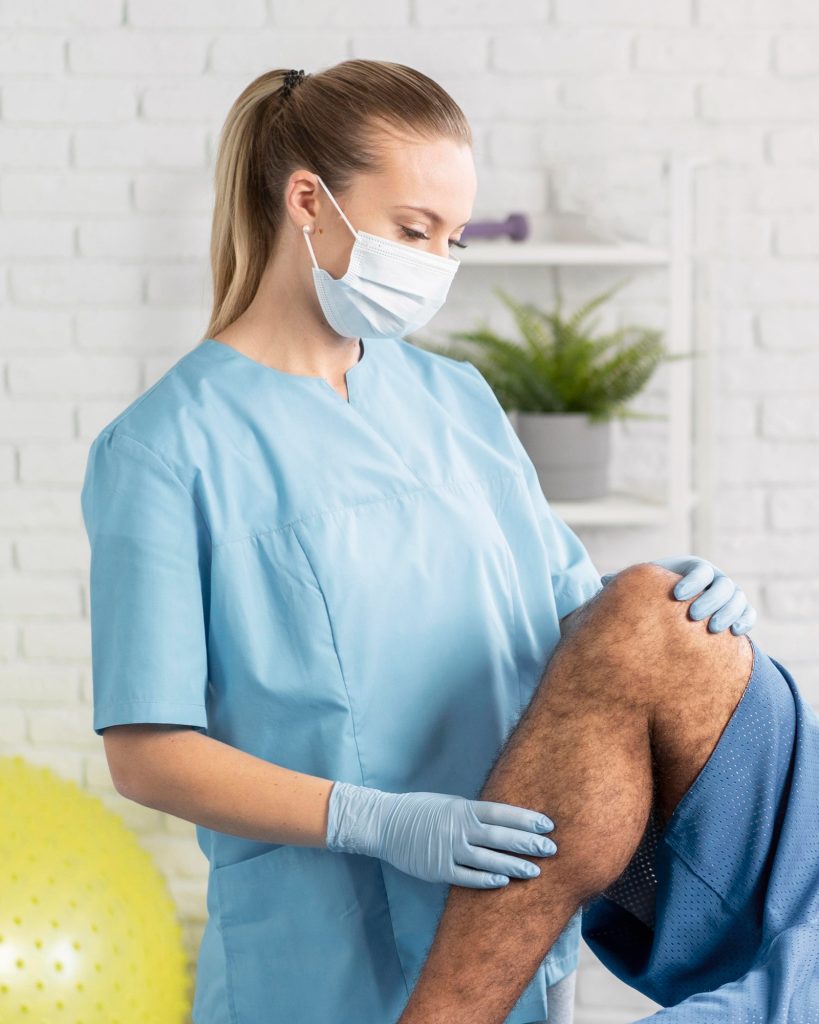
Your provider reviews your symptoms, swelling, mobility concerns, health history, and treatment goals.
The knee area is cleaned carefully using sterile technique to support patient safety and comfort.
A sterile needle is used to remove excess fluid from the knee joint.
When clinically appropriate, your provider can discuss additional non-surgical knee care options such as cortisone injections, hyaluronic acid injections, PRP therapy, or Toradol injection for short-term flare-up support.
You receive simple aftercare instructions and activity guidance to help protect the knee after the procedure.
Your provider reviews your response and discusses next steps for long-term knee comfort, mobility, and osteoarthritis management.
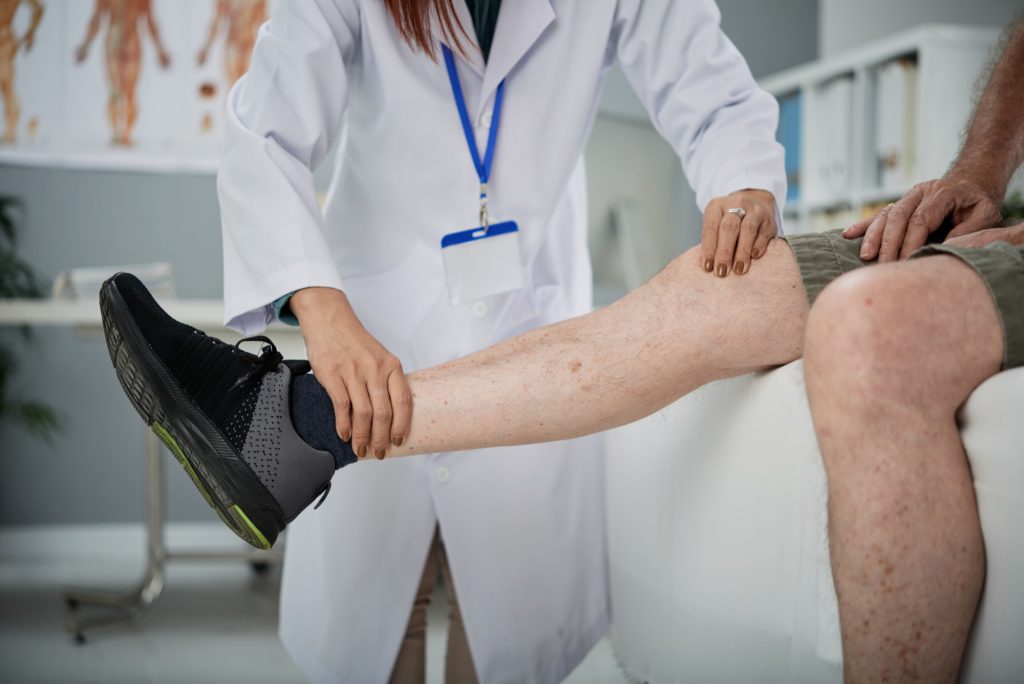
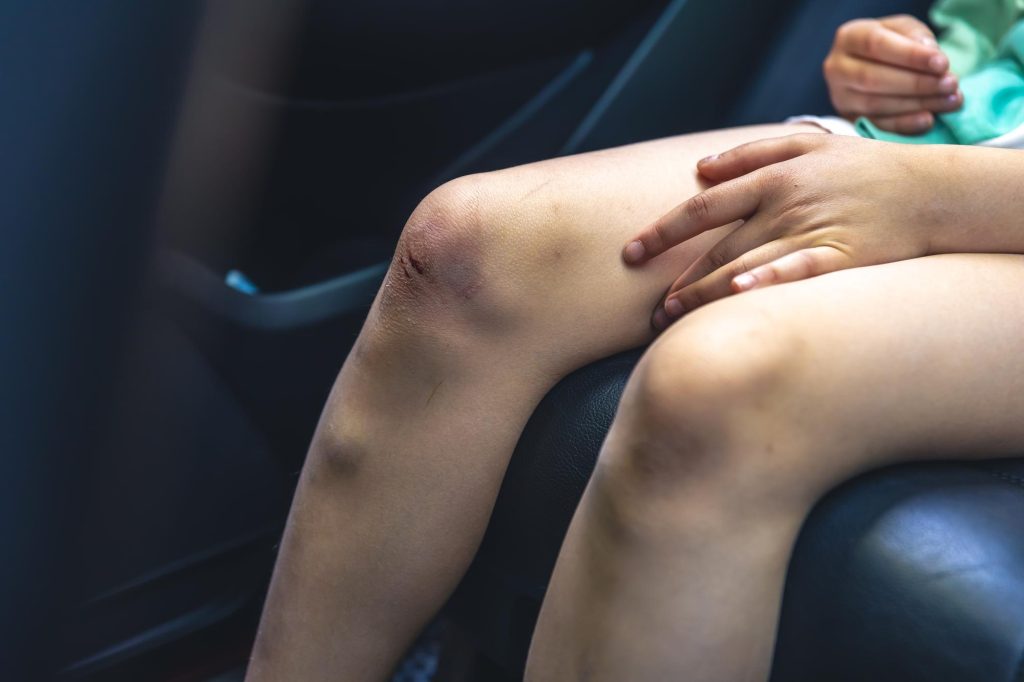
Knee arthrocentesis is generally well tolerated when performed with sterile technique. Some patients can experience mild temporary effects around the treated knee.
Possible considerations include:
Your provider will review your health history and care goals before treatment to determine whether knee arthrocentesis is appropriate for you.
Most patients can return to light activity after knee arthrocentesis, but your provider will give specific instructions based on your condition and response.
After the procedure, you can expect:
Avoid strenuous activity until your provider gives you personalized guidance.
| Procedure | Purpose |
|---|---|
| Arthrocentesis (aspiration) | Removes fluid, relieves pressure, and obtains a sample for diagnosis. |
| Corticosteroid injection | Reduces inflammation after aspiration or as a standalone treatment. |
| Hyaluronic acid injection | Lubricates the joint for osteoarthritis; usually performed when effusion is minimal. |
| PRP injection | Regenerative therapy; may be delayed until after effusion is controlled. |
| Toradol Injection | Provides short-term anti-inflammatory support during acute flare-ups when clinically appropriate. |
Note: Joint Health Solutions does not perform diagnostic fluid analysis or lab testing.
Knee-Focused Care
Our team provides non-surgical knee care for swelling, stiffness, osteoarthritis, and mobility concerns.
Personalized Treatment Plans
Your care plan is based on your symptoms, clinical evaluation, activity goals, and response to treatment.
Provider-Led Support
Patients are supported by Dr. Jeffrey Galvin, MD, Medical Director, and Ariel Curtis, FNP-C.
Complete Non-Surgical Options
Knee arthrocentesis can be combined with other care options such as cortisone injections, hyaluronic acid injections, PRP therapy, Toradol injection, physical therapy guidance, and lifestyle support.
Local Access for Rock Hill Patients
Joint Health Solutions serves Rock Hill, Fort Mill, Tega Cay, Indian Land, York, and nearby communities through our Charlotte clinic.
Most patients feel a brief pinch from the local anesthetic and then pressure as the needle enters the joint. The procedure is generally well tolerated. After the aspiration, mild soreness may occur for a day or two.
The amount varies. Some patients have only a few milliliters, while others may have more than 100 mL of fluid. Removing a large effusion can provide dramatic relief.
The aspiration itself takes only a few minutes. Including preparation, ultrasound evaluation, and post-procedure care, the entire appointment typically lasts 20–30 minutes.
It depends on the underlying cause. If the cause is treated, such as infection, gout flare, or an osteoarthritis flare, fluid may not re-accumulate. If the underlying condition persists, fluid may return. In some cases, we combine aspiration with a corticosteroid injection to prolong relief.
Not always. If the diagnosis is already clear, such as known osteoarthritis with a non-inflammatory effusion, we may aspirate for therapeutic purposes only. If infection, gout, or inflammatory arthritis is suspected, we send fluid for analysis.
It depends on the type of blood thinner and the risk of bleeding. Some patients may need to temporarily hold their medication with approval from their prescribing physician, while others may proceed with caution. We evaluate each case individually.
Yes. After aspiration, we often inject a corticosteroid to reduce inflammation and prevent rapid re-accumulation. In some cases, we may aspirate first and schedule PRP therapy later, once acute inflammation is controlled.
Signs that aspiration may be beneficial include significant swelling that limits bending or straightening, a painful tense feeling in the knee, redness and warmth, or failure to improve with rest, ice, and oral anti-inflammatories.
Ultrasound guidance improves accuracy, especially in patients with complex anatomy or small effusions. It also helps avoid blood vessels and ensures the needle enters the correct compartment. At Joint Health Solutions, we use ultrasound for all joint aspirations.
No. Knee arthrocentesis at Joint Health Solutions is focused on removing excess knee fluid to help reduce swelling, pressure, and discomfort. We do not describe this service as diagnostic fluid analysis or lab-based fluid testing.
If knee swelling, stiffness, or fluid buildup is limiting your movement, Knee Arthrocentesis in Rock Hill, SC can be part of a personalized non-surgical knee care plan. Joint Health Solutions helps Rock Hill patients explore treatment options designed to support comfort, mobility, and long-term osteoarthritis management.