
Nutrition Plan for Joint Health in Huntersville NC may help patients support arthritis care, reduce inflammation triggers, manage weight, improve energy, and protect long-term mobility. At Joint Health Solutions, we help patients in Huntersville, NC build personalized nutrition strategies that support joint comfort, healthy movement, and whole-body wellness.
Food cannot cure arthritis or reverse joint damage, but the right nutrition plan can support inflammation control and overall health. The Arthritis Foundation describes a Mediterranean-style diet rich in fruits, vegetables, fish, nuts, beans, and whole foods as a helpful anti-inflammatory eating pattern for people with arthritis.
Medically reviewed by: Dr. Jeffrey Galvin & Ariel Curtis, FNP-C
A Nutrition Plan for Joint Health in Huntersville NC focuses on foods that may support inflammation control, healthy weight, energy, bone health, and tissue repair. This is especially important for patients with arthritis, knee pain, stiffness, swelling, or chronic joint discomfort.

Chronic inflammation may contribute to pain, stiffness, and reduced mobility. Harvard Health lists anti-inflammatory foods such as tomatoes, olive oil, leafy greens, nuts, fatty fish, berries, cherries, and oranges.

Extra body weight can increase stress on weight-bearing joints, especially the knees and hips. A nutrition plan can help patients choose filling, nutrient-rich foods that support weight management without extreme dieting.

Colorful fruits, vegetables, herbs, and spices contain antioxidants and plant compounds that may support the body’s response to oxidative stress.

Fiber-rich foods such as vegetables, beans, lentils, fruit, and whole grains may support digestive health and overall wellness.

Protein, vitamin D, magnesium, calcium, and other nutrients may support muscles, bones, and connective tissue. NIH notes that vitamin D helps the body absorb calcium and supports bone health.
A strategic nutrition plan can complement physical therapy, regenerative medicine, and other treatments to achieve better, longer-lasting results.
A Nutrition Plan for Joint Health in Huntersville NC should include whole foods that support inflammation control, steady energy, and healthy movement.

Fatty fish such as salmon, sardines, tuna, trout, and mackerel provide omega-3 fatty acids. These healthy fats are often included in anti-inflammatory eating patterns.

Berries, cherries, oranges, leafy greens, peppers, broccoli, and tomatoes provide vitamins, minerals, and plant compounds that support overall health. Mayo Clinic recommends fruits, vegetables, healthy fats, whole grains, nuts, and fish as foods to consider for arthritis-related inflammation.

Polyphenols are natural compounds found in foods such as berries, green tea, olive oil, herbs, spices, and colorful vegetables.
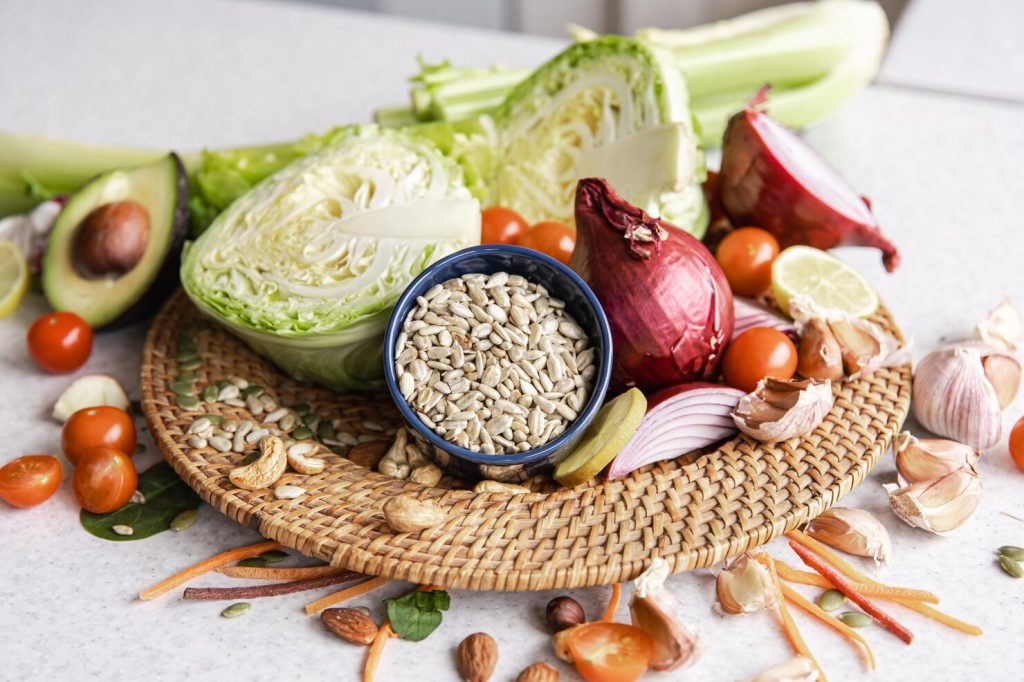
Beans, lentils, oats, quinoa, vegetables, fruit, and whole grains can support gut health and healthy weight management.

Chicken, turkey, fish, eggs, Greek yogurt, beans, lentils, tofu, and other lean proteins may support muscle strength and recovery.
| Food Category | Why to Limit |
|---|---|
| Added sugars & refined carbs | Promote production of inflammatory cytokines and increase blood sugar spikes. |
| Trans fats & fried foods | Trigger systemic inflammation and oxidative stress. |
| Red & processed meats | High in advanced glycation end products and saturated fat, which may promote inflammation. |
| Excess alcohol | Can increase inflammation and interfere with sleep and nutrient absorption. |
| Highly processed foods | Often contain additives, preservatives, and unhealthy fats that fuel inflammation. |

Omega-3 supplements may be considered if you do not eat fish regularly. NIH provides detailed information about omega-3 fatty acids, food sources, supplement forms, and safety considerations.

Curcumin is a compound found in turmeric. Some patients use it for inflammation support, but it may interact with medications.

Vitamin D supports bone health and calcium absorption. Testing may be recommended before supplementing, especially if deficiency is suspected.

Some patients ask about glucosamine and chondroitin for joint support. Results vary, and these supplements may not be right for everyone.

Magnesium supports muscle and nerve function. NIH notes that magnesium plays a role in many body processes, including muscle and nerve function.

Collagen supplements are popular for joint and connective tissue support, but they should be discussed with a provider before use.

The Mediterranean diet is often recommended as a foundation for a Nutrition Plan for Joint Health in Huntersville NC because it emphasizes whole, anti-inflammatory foods.
This eating pattern usually includes:
Harvard Health describes Mediterranean-style and DASH-style eating patterns as approaches that may support anti-inflammatory benefits, with an emphasis on fruits, vegetables, healthy fats, whole grains, fish, lean meats, and legumes.
| Meal | Ideas |
|---|---|
| Breakfast | Oatmeal with berries, walnuts, and cinnamon; green tea. |
| Snack | Apple slices with almond butter. |
| Lunch | Grilled salmon over mixed greens with olive oil and lemon; quinoa. |
| Snack | Greek yogurt with a sprinkle of chia seeds. |
| Dinner | Turmeric-spiced chicken with roasted sweet potatoes and steamed broccoli. |
| Hydration | Water throughout the day; optional ginger or turmeric tea. |
A Nutrition Plan for Joint Health in Huntersville NC can also support weight management. This matters because excess weight may increase pressure on the knees, hips, ankles, and lower back.
Instead of crash dieting, focus on simple habits:
Even small improvements in eating habits can support better energy, better movement, and more confidence with daily activity.

Hydration is another important part of a Nutrition Plan for Joint Health in Huntersville NC. Water supports circulation, energy, digestion, temperature control, and overall wellness.
Good hydration habits include:
If you are active, sweat heavily, or feel drained often, your provider may also discuss hydration-focused wellness options.
Nutrition is important, but it works best when combined with the right medical care, movement plan, and lifestyle support.
Your complete care plan may include:
Mayo Clinic recommends low-impact activities, stretching, range-of-motion exercises, and strength training for many people with arthritis, depending on their condition and provider guidance.
The Mediterranean diet is widely considered one of the best dietary patterns for arthritis. It is rich in anti-inflammatory foods such as omega-3s, antioxidants, and fiber, and low in processed foods and red meat. Studies show it can reduce pain and improve physical function in both osteoarthritis and rheumatoid arthritis.
No. Supplements should complement—not replace—prescribed medications. Some supplements, such as omega-3s and curcumin, may help reduce inflammation and allow for lower doses of NSAIDs or other drugs, but always consult your provider before making changes.
You may notice improvements in energy and overall well-being within a few weeks. Significant reductions in joint pain and stiffness often take 2–3 months of consistent dietary adherence. The benefits accumulate over time.
While no single osteoarthritis diet exists, an anti-inflammatory diet rich in fruits, vegetables, whole grains, fish, and healthy fats is recommended. Weight loss is particularly important for knee and hip osteoarthritis.
Evidence supports omega-3 fatty acids, curcumin, and vitamin D. Glucosamine and chondroitin may benefit some patients, especially those with mild to moderate knee osteoarthritis. Collagen and MSM are also commonly used. We recommend individualized supplementation based on your condition and blood work.
Yes. Autoimmune arthritis involves systemic inflammation, and diet plays a key role in modulating immune responses. Anti-inflammatory diets, elimination of potential triggers in sensitive individuals, and omega-3 supplementation may help reduce disease activity and flare frequency.
There is no strong scientific evidence that nightshade vegetables worsen arthritis for most people. Some individuals may be sensitive, but unless you have a confirmed intolerance, these nutrient-rich vegetables are generally beneficial.
For most people, gluten does not directly affect joints. However, individuals with celiac disease or non-celiac gluten sensitivity may experience joint pain as a symptom. If you suspect gluten is a trigger, discuss it with your provider before eliminating it.
Weight loss reduces mechanical load on weight-bearing joints such as the knees and hips and decreases systemic inflammation. Even a 5–10% reduction in body weight can significantly improve pain, function, and quality of life.
While a balanced diet is the foundation, some nutrients such as vitamin D and omega-3s may be difficult to obtain in sufficient quantities from food alone, especially for those with arthritis. Supplements can help fill gaps. Blood testing can guide personalized supplementation.
If arthritis, inflammation, stiffness, or joint pain is affecting your daily life, Joint Health Solutions can help you build a personalized nutrition and non-surgical care plan. Schedule a consultation today to learn whether a Nutrition Plan for Joint Health in Huntersville NC is right for you.