
Nutrition Plan for Joint Health Mount Holly NC is available for adults who want to support joint comfort, reduce inflammation, manage arthritis symptoms, and improve overall wellness. At Joint Health Solutions, we help patients from Mount Holly and nearby areas understand how food, hydration, supplements, and weight management can affect joint health.
A personalized nutrition plan can support your treatment by helping reduce stress on painful joints, improving energy, and encouraging healthier daily habits. Whether you are dealing with arthritis, stiffness, inflammation, knee pain, shoulder pain, or general joint discomfort, our team can help guide you toward choices that support long-term mobility.
Medically reviewed by: Dr. Jeffrey Galvin & Ariel Curtis, FNP-C
Nutrition plays an important role in joint health, especially for adults living with arthritis, stiffness, inflammation, or chronic joint pain. The foods you eat can influence inflammation levels, body weight, energy, healing, and overall joint function.

Certain foods may help support a healthier inflammatory response, while processed foods and excess sugar may contribute to increased inflammation.

Maintaining a healthy weight can reduce pressure on weight-bearing joints such as the knees, hips, ankles, and spine.

Antioxidant-rich foods such as fruits, vegetables, nuts, and seeds may help protect cells from oxidative stress.

A healthy gut may support immune function and overall wellness, which can be important for patients with inflammatory joint concerns.

Protein, vitamins, minerals, and hydration all help support the body’s natural repair and recovery processes.
A strategic nutrition plan can complement physical therapy, regenerative medicine, and other treatments to achieve better, longer-lasting results.
Choosing anti-inflammatory foods may help support joint comfort and overall wellness. For Mount Holly, NC patients, these foods can be part of a larger joint health plan that includes treatment, movement, hydration, and lifestyle support.

Foods such as salmon, sardines, tuna, walnuts, chia seeds, and flaxseeds contain omega-3 fatty acids, which may help support a healthy inflammatory response.

Colorful fruits and vegetables such as berries, leafy greens, broccoli, peppers, and citrus fruits provide vitamins, minerals, and antioxidants that support overall joint health.

Foods and drinks such as olive oil, green tea, berries, herbs, and spices contain polyphenols that may support wellness and help the body manage inflammation.
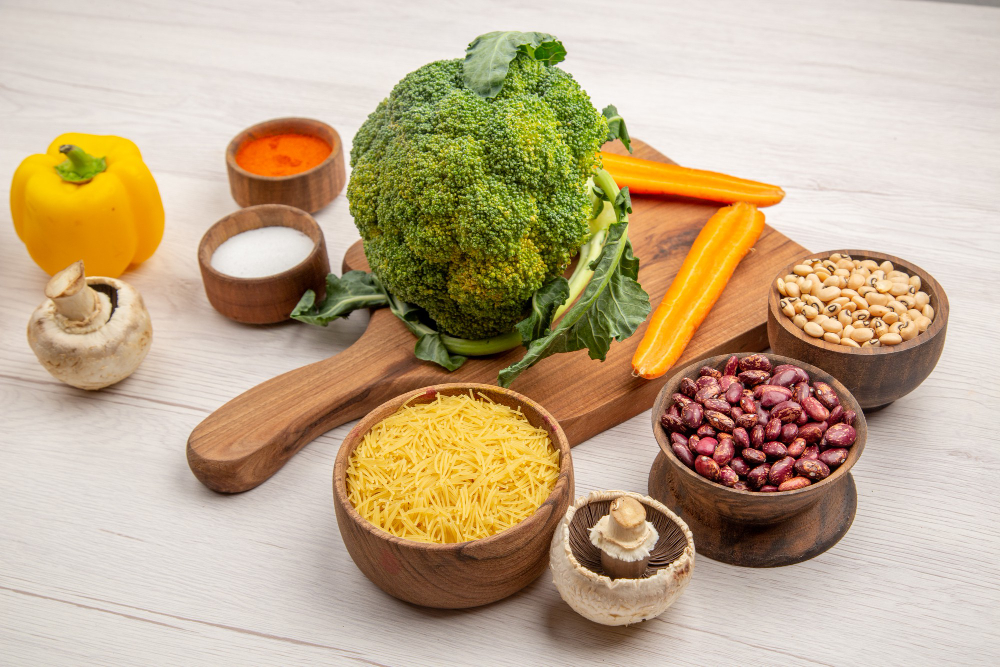
Beans, lentils, oats, vegetables, fruits, and whole grains can support digestive health, weight management, and overall wellness.

Lean proteins such as fish, chicken, turkey, eggs, Greek yogurt, tofu, and legumes help support muscle strength and tissue repair.
| Food Category | Why to Limit |
|---|---|
| Added sugars & refined carbs | Promote production of inflammatory cytokines and increase blood sugar spikes. |
| Trans fats & fried foods | Trigger systemic inflammation and oxidative stress. |
| Red & processed meats | High in advanced glycation end products and saturated fat, which may promote inflammation. |
| Excess alcohol | Can increase inflammation and interfere with sleep and nutrient absorption. |
| Highly processed foods | Often contain additives, preservatives, and unhealthy fats that fuel inflammation. |







For patients from Mount Holly, NC dealing with arthritis or joint discomfort, this eating style may be a helpful foundation for long-term health and inflammation support.
| Meal | Ideas |
|---|---|
| Breakfast | Oatmeal with berries, walnuts, and cinnamon; green tea. |
| Snack | Apple slices with almond butter. |
| Lunch | Grilled salmon over mixed greens with olive oil and lemon; quinoa. |
| Snack | Greek yogurt with a sprinkle of chia seeds. |
| Dinner | Turmeric-spiced chicken with roasted sweet potatoes and steamed broccoli. |
| Hydration | Water throughout the day; optional ginger or turmeric tea. |
Weight management can play an important role in joint pain and arthritis care. Extra weight can place more pressure on the knees, hips, ankles, and spine, which may increase discomfort during walking, standing, stairs, and daily activity.
For Mount Holly-area patients, even small weight changes may help reduce stress on the joints over time. A healthy plan may include balanced meals, protein intake, portion awareness, low-impact movement, hydration, and consistent habits.
At Joint Health Solutions, we focus on practical recommendations that support your joint health without making your routine feel overwhelming.

Hydration supports joint lubrication, muscle function, circulation, and overall wellness. When the body is dehydrated, stiffness, fatigue, and discomfort may feel worse.
Simple hydration tips include drinking water throughout the day, limiting sugary drinks, adding water-rich foods such as fruits and vegetables, and increasing fluids during warm weather or activity.
Nutrition works best when it is part of a complete joint health plan. For many patients, this may include medical evaluation, non-surgical treatment options, injections, PRP therapy, movement support, lifestyle changes, and follow-up care.
A strong nutrition plan can support treatment by helping manage inflammation, body weight, energy, recovery, and long-term wellness.
Starting a nutrition plan does not have to be complicated. Small changes can help you build better habits over time.
Helpful first steps include:
The Mediterranean diet is widely considered one of the best dietary patterns for arthritis. It is rich in anti-inflammatory foods such as omega-3s, antioxidants, and fiber, and low in processed foods and red meat. Studies show it can reduce pain and improve physical function in both osteoarthritis and rheumatoid arthritis.
No. Supplements should complement—not replace—prescribed medications. Some supplements, such as omega-3s and curcumin, may help reduce inflammation and allow for lower doses of NSAIDs or other drugs, but always consult your provider before making changes.
You may notice improvements in energy and overall well-being within a few weeks. Significant reductions in joint pain and stiffness often take 2–3 months of consistent dietary adherence. The benefits accumulate over time.
While no single osteoarthritis diet exists, an anti-inflammatory diet rich in fruits, vegetables, whole grains, fish, and healthy fats is recommended. Weight loss is particularly important for knee and hip osteoarthritis.
Evidence supports omega-3 fatty acids, curcumin, and vitamin D. Glucosamine and chondroitin may benefit some patients, especially those with mild to moderate knee osteoarthritis. Collagen and MSM are also commonly used. We recommend individualized supplementation based on your condition and blood work.
Yes. Autoimmune arthritis involves systemic inflammation, and diet plays a key role in modulating immune responses. Anti-inflammatory diets, elimination of potential triggers in sensitive individuals, and omega-3 supplementation may help reduce disease activity and flare frequency.
There is no strong scientific evidence that nightshade vegetables worsen arthritis for most people. Some individuals may be sensitive, but unless you have a confirmed intolerance, these nutrient-rich vegetables are generally beneficial.
For most people, gluten does not directly affect joints. However, individuals with celiac disease or non-celiac gluten sensitivity may experience joint pain as a symptom. If you suspect gluten is a trigger, discuss it with your provider before eliminating it.
Weight loss reduces mechanical load on weight-bearing joints such as the knees and hips and decreases systemic inflammation. Even a 5–10% reduction in body weight can significantly improve pain, function, and quality of life.
While a balanced diet is the foundation, some nutrients such as vitamin D and omega-3s may be difficult to obtain in sufficient quantities from food alone, especially for those with arthritis. Supplements can help fill gaps. Blood testing can guide personalized supplementation.
Yes. Joint Health Solutions provides nutrition and joint health guidance for patients from Mount Holly, NC and nearby areas.
Joint health is not only about treating pain after it starts. Nutrition, hydration, weight management, movement, and lifestyle habits can all support better long-term mobility.
Schedule your visit today for Nutrition Plan for Joint Health Mount Holly NC and take the next step toward healthier joints, less inflammation, and improved daily comfort.