
Offloading Knee Brace in Huntersville NC may help patients with knee arthritis, uneven joint pressure, cartilage loss, bone-on-bone discomfort, and knee pain during walking or daily activities. At Joint Health Solutions, we help patients in Huntersville, NC explore non-surgical knee pain solutions designed to improve comfort, support movement, and reduce stress on painful areas of the knee.
An offloading knee brace is commonly used for patients with knee osteoarthritis, especially when one side of the knee joint is carrying more pressure than the other. Knee braces may be helpful for some patients with knee arthritis, and physical therapy is often recommended as part of a broader treatment plan.
Medically reviewed by: Dr. Jeffrey Galvin & Ariel Curtis, FNP-C
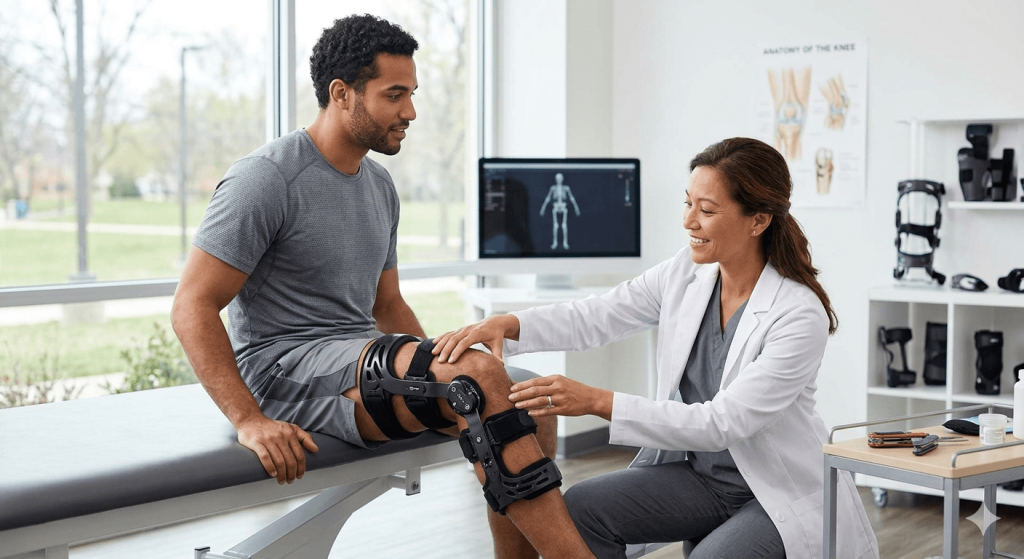
An Offloading Knee Brace in Huntersville NC is a supportive knee brace designed to reduce pressure on the painful or damaged side of the knee joint. It is often recommended for patients with knee osteoarthritis, joint space narrowing, cartilage wear, or pain that worsens with walking, standing, stairs, or exercise.
The brace works by gently shifting pressure away from the affected compartment of the knee. This may help reduce discomfort and improve stability during movement. Patients with arthritis often experience joint pain, stiffness, swelling, and reduced ability to move comfortably.
An offloading brace does not cure arthritis or regrow cartilage. Instead, it may help patients move with less pain while supporting a larger care plan that may include physical therapy, weight management, injections, activity changes, or other non-surgical treatments.
An Offloading Knee Brace in Huntersville NC helps by changing how pressure moves through the knee during walking and standing. If one side of the knee has more arthritis damage, the brace may reduce load on that painful side.
Some patients have more arthritis on the inner side of the knee, while others have more damage on the outer side. The brace is selected and adjusted based on where the pressure needs to be reduced.
The brace may help shift force away from the damaged area of the knee. Research on valgus off-loader braces describes them as a conservative, nonoperative option for realigning the knee in people with medial compartment knee osteoarthritis.
Many patients with knee arthritis also feel unstable or unsure when walking. A properly fitted brace may provide added confidence during daily movement.
An offloading brace is often used as part of a non-surgical plan, especially for patients who want to manage pain, delay surgery when appropriate, or stay active with better support.
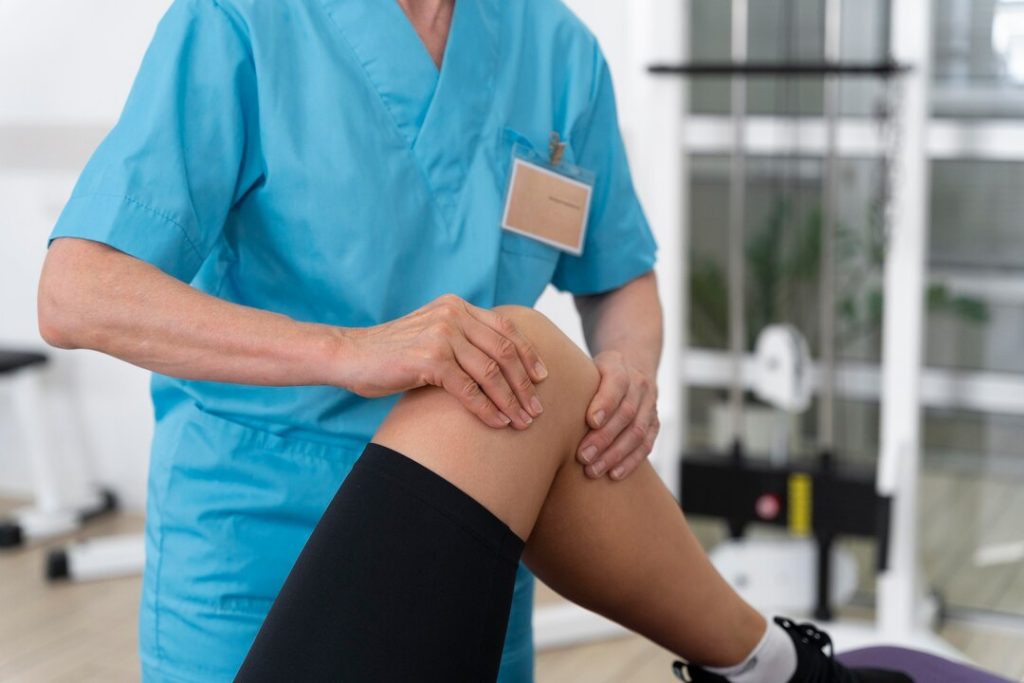
A patient may be a good candidate for an Offloading Knee Brace in Huntersville NC if knee pain is caused by arthritis, uneven joint loading, or cartilage loss on one side of the knee.
Knee osteoarthritis
Pain on the inner or outer side of the knee
Bone-on-bone arthritis symptoms
Joint space narrowing
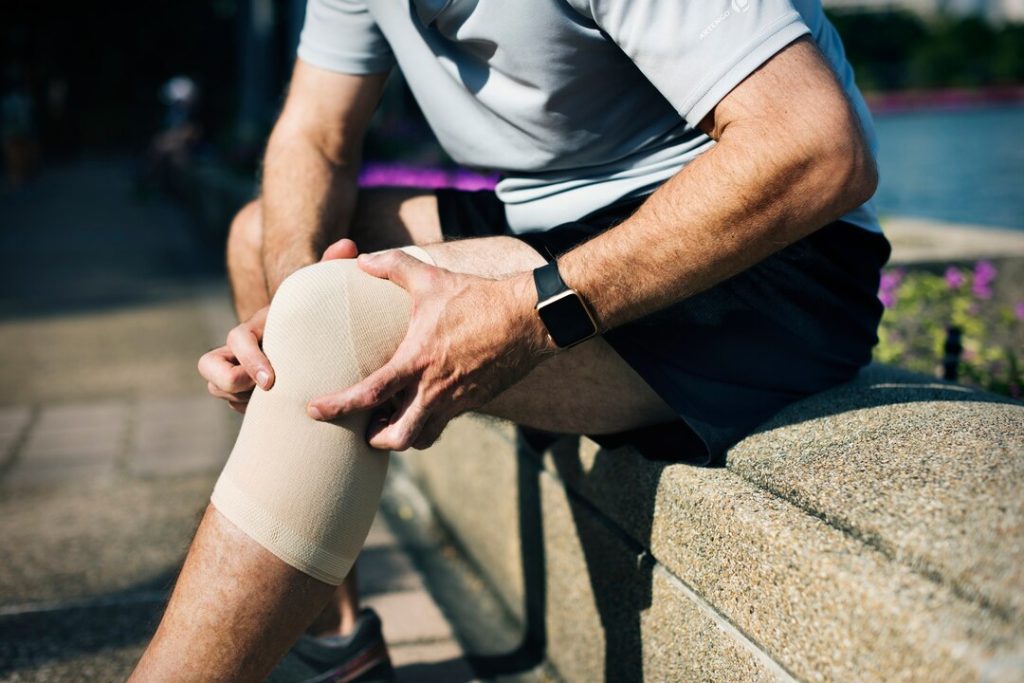
Pain while walking or standing
Difficulty with stairs
Knee instability or weakness
A desire to avoid or delay surgery when medically appropriate
A provider evaluation is important before choosing a brace. The wrong brace or poor fit may not provide enough support and could feel uncomfortable.
| Type | Description |
|---|---|
| Custom-fabricated | Made from patient measurements or a cast of the limb. Provides the best fit and most precise offloading. Recommended for most patients. |
| Off-the-shelf or prefabricated | Available in standard sizes and may be adjustable. Less expensive but may not fit as precisely. Suitable for some patients with straightforward anatomy. |
| Medial unloader | For medial compartment arthritis. Shifts load toward the lateral side. |
| Lateral unloader | For lateral compartment arthritis. Shifts load toward the medial side. |
| Patellofemoral unloader | Specialized brace that offloads the kneecap. Used less commonly. |
At Joint Health Solutions, we typically recommend custom-fabricated braces for optimal fit, comfort, and biomechanical effectiveness.
For the right patient, an Offloading Knee Brace in Huntersville NC may offer several helpful benefits.






Getting an Offloading Knee Brace in Huntersville NC usually begins with a consultation and knee evaluation.
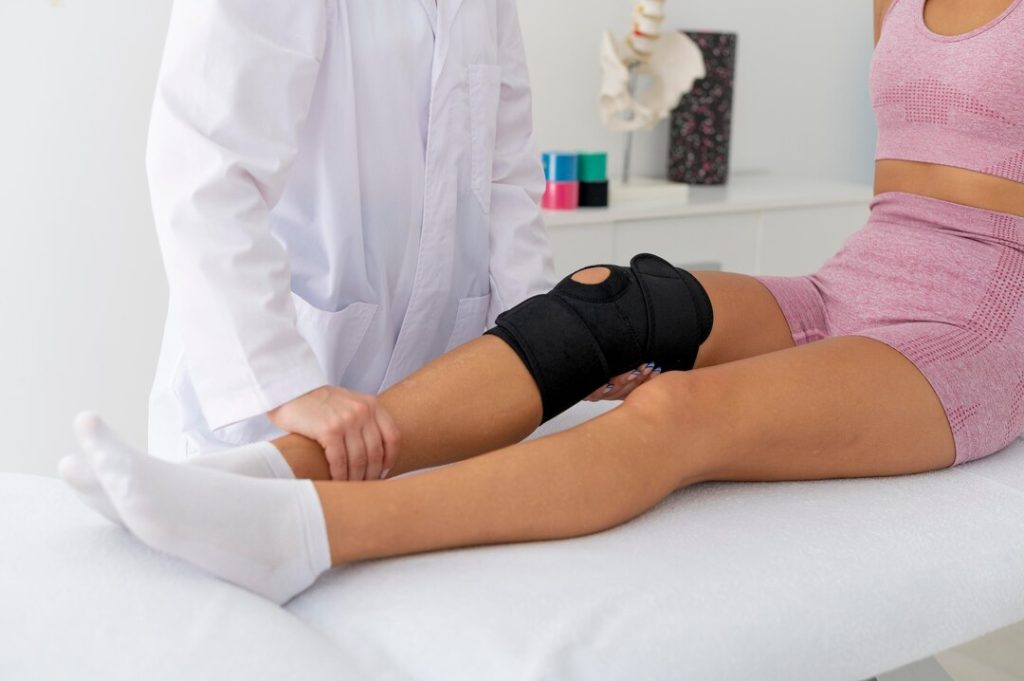
Your provider reviews your symptoms, pain location, activity limitations, medical history, and previous treatments.
Your knee may be examined for alignment, swelling, range of motion, tenderness, and stability.
Your provider determines whether an offloading brace, hinged brace, sleeve, or another support option is appropriate.
A proper fit is important. The brace should feel supportive without causing skin irritation, numbness, or excessive pressure.
Your provider will explain when to wear the brace, how long to use it, and how to monitor comfort.
A follow-up may be recommended to adjust the brace and review whether it is helping your pain and movement.
| Device | Purpose |
|---|---|
| Offloading or unloader brace | Shifts weight away from the arthritic compartment; used for unicompartmental osteoarthritis. |
| Patellofemoral brace | Stabilizes the kneecap; used for patellofemoral pain or maltracking. |
| Hinged knee brace | Provides stability after ligament injury; may offer limited offloading. |
| Compression sleeve | Provides mild support and warmth; does not offload. |
| Neoprene wrap | Provides compression and proprioception; does not offload. |
Offloading braces are a specific tool for compartmental arthritis rather than for general knee pain or instability.
An offloading brace often works best when it is part of a complete knee care plan. While the brace may reduce pressure, long-term improvement may also require stronger muscles, better movement habits, and inflammation control.
Your provider may recommend:

Physical therapy
Strengthening the quadriceps, hamstrings, and glutes further reduces joint load.

Weight management
Reduces the overall force on the knee.

Injections
Corticosteroids for flare-ups, hyaluronic acid for lubrication, or PRP for regenerative support.

Activity modification
Switching to low-impact exercise such as cycling or swimming helps preserve joint health.

Gait training
Correcting abnormal walking patterns can improve overall biomechanics.
Our team coordinates these elements to maximize your outcomes.
How long you should wear an Offloading Knee Brace in Huntersville NC depends on your diagnosis, comfort, activity level, and provider recommendation.
Some patients wear the brace during walking, work, exercise, or longer periods of standing. Others may only need it during higher-demand activities. You should not wear a brace in a way that causes numbness, skin breakdown, increased pain, or circulation problems.
A provider may recommend gradually increasing wear time so your body can adjust. If the brace slips, pinches, rubs, or feels unstable, it may need adjustment.
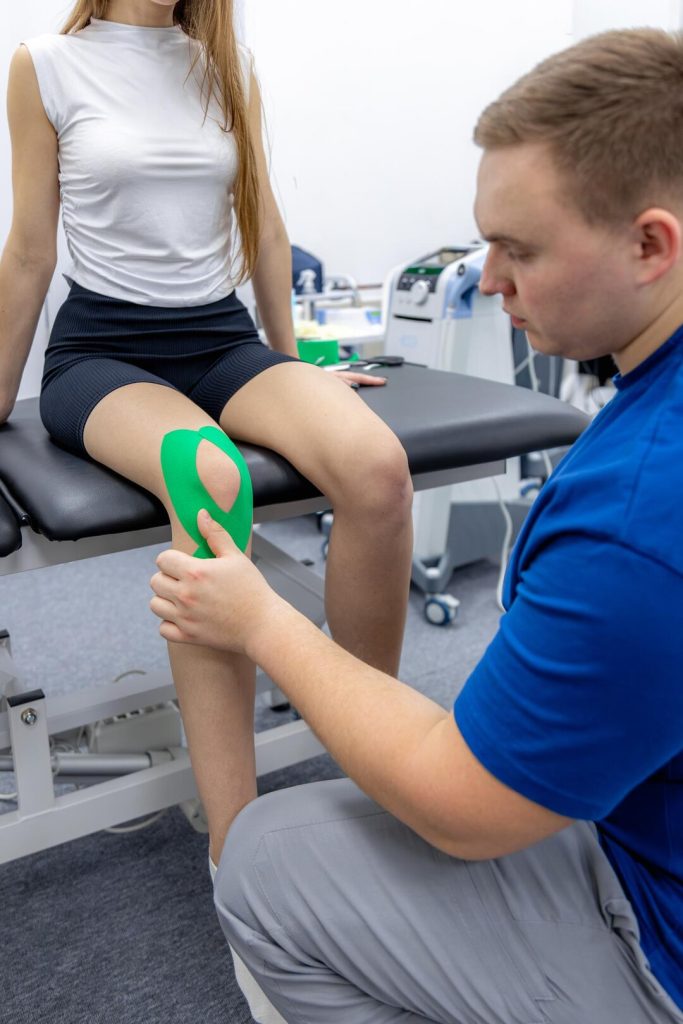
Some patients need time to get used to an offloading knee brace. A brace may feel bulky at first, especially if it is a structured hinged brace. AAOS patient guidance notes that bulky hinged knee braces, including unloader braces, may be poorly tolerated by some patients.
Common challenges include:
| Challenge | Possible Solution |
|---|---|
| Brace slipping | Recheck fit and strap position |
| Skin irritation | Adjust padding or wear proper clothing underneath |
| Too much pressure | Ask provider for brace adjustment |
| Difficulty with clothing | Wear looser pants or athletic clothing |
| Discomfort while walking | Gradually increase wear time and follow up |
A well-fitted brace should support your knee without making daily activity harder.
Joint Health Solutions provides non-surgical knee pain care for patients dealing with arthritis, swelling, stiffness, instability, and mobility problems. Our team focuses on understanding the cause of your pain and helping you choose treatment options that fit your lifestyle.
Patients choose Joint Health Solutions because we offer:
If knee arthritis or bone-on-bone discomfort is making walking difficult, an Offloading Knee Brace in Huntersville NC may be a helpful option to discuss with our team.
Yes, numerous studies show that offloading braces reduce pain and improve function in patients with unicompartmental knee osteoarthritis. They work by mechanically shifting weight away from the damaged cartilage, allowing patients to remain active and often delaying knee replacement.
Most patients need 1–2 weeks to acclimate. Starting with short wear times and gradually increasing helps. The brace should feel supportive, not painful. If discomfort persists, adjustments can be made.
Many patients wear the brace during weight-bearing activities and remove it when sitting or sleeping. Some wear it all day if it provides consistent relief. Your provider will guide you on optimal wear time.
No, the brace does not cure arthritis. It manages symptoms by reducing mechanical stress on the damaged joint. Combined with other treatments, it can significantly improve quality of life and delay surgery.
Many insurance plans, including Medicare, cover custom offloading knee braces when medically indicated for unicompartmental osteoarthritis with varus or valgus deformity. We verify benefits and provide the necessary documentation.
Yes. In fact, the brace can allow you to exercise with less pain, making physical therapy more effective. Low-impact activities like walking, cycling, and elliptical training are excellent options. Your provider can advise you on specific sports.
Custom braces are made from measurements or a cast of your leg, providing a precise fit and optimal offloading. Off-the-shelf braces come in standard sizes and are adjustable. Custom braces are generally more comfortable and effective, especially for long-term use.
No. When used correctly, the brace supports the joint without causing muscle atrophy. In fact, by reducing pain, it can help you strengthen the muscles around the knee, which improves joint stability.
Most braces are designed to be worn directly against the skin or over a thin, moisture-wicking sleeve. Wearing it over bulky clothing may affect fit and reduce the offloading effect.
Wipe down the frame and cuffs with a damp cloth. Wash pads with mild soap and water, then air dry. Avoid submerging metal components. Regular inspection for wear and tear helps ensure longevity.
If knee arthritis, pressure, instability, or bone-on-bone pain is limiting your movement, Joint Health Solutions can help you explore personalized non-surgical care. Schedule a consultation today to learn whether an Offloading Knee Brace in Huntersville NC is right for you.