
Offloading Knee Braces in Concord, NC are designed to help patients with knee osteoarthritis, knee instability, stiffness, and activity-related discomfort move with more confidence. At Joint Health Solutions, we provide provider-guided knee brace support for patients from Concord, Kannapolis, Harrisburg, Midland, Mount Pleasant, and nearby communities who want non-surgical knee care options.
Knee arthritis can make walking, standing, climbing stairs, exercising, and getting up from a chair more difficult. An offloading knee brace can help reduce pressure on the affected side of the knee, improve stability, and support better daily movement when clinically appropriate.
Our clinical team focuses on non-surgical joint care, osteoarthritis management, knee mobility support, bracing guidance, injection options, and long-term joint health planning.
Joint Health Solutions provides offloading knee-brace evaluations for adults traveling from Concord and Cabarrus County to our Charlotte clinic at 9350 Benfield Road. We do not currently operate a physical clinic in Concord.
Care is led by experienced medical professionals, including Dr. Jeffrey Galvin and Ariel Curtis, FNP-C.
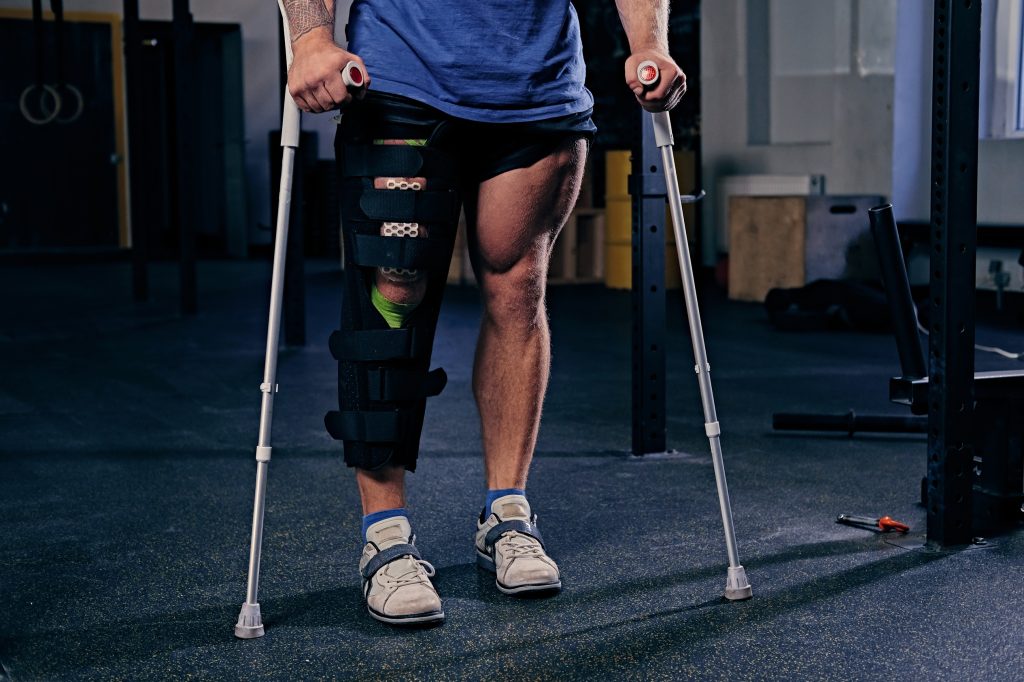
An offloading knee brace, also called an unloader knee brace, is a specialized brace designed to shift pressure away from the painful or more damaged side of the knee. This can be helpful for patients with knee osteoarthritis that affects one side of the joint more than the other.
When knee cartilage becomes thinner, one compartment of the knee can carry more stress during walking, standing, or climbing stairs. An offloading brace helps redistribute that pressure to support better alignment, stability, and movement comfort.
Offloading knee braces are commonly used as part of a non-surgical knee arthritis care plan. They do not cure arthritis or rebuild cartilage, but they can help selected patients manage symptoms and stay more active.
Offloading knee braces work by applying gentle corrective force to help shift weight away from the irritated or arthritic side of the knee. This can reduce stress across the affected compartment and support more comfortable movement.
An offloading brace can be combined with therapy guidance, injections, weight management, and lifestyle support as part of a personalized non-surgical plan.
The brace does not replace strengthening, mobility work, or medical care. It works best as part of a broader knee osteoarthritis management strategy.

The brace does not replace strengthening, mobility work, or medical care. It works best as part of a broader knee osteoarthritis management strategy.
Have knee osteoarthritis symptoms
Feel more pain on one side of the knee
Experience discomfort with walking, stairs, or standing
Notice knee instability or reduced confidence with movement

Want to explore non-surgical knee care
Are trying to delay or avoid surgery when clinically appropriate
Need support during physical therapy or daily activity
Have not received enough support from conservative care alone
Your provider will determine whether an offloading knee brace is appropriate based on your symptoms, knee function, movement limitations, and treatment goals.
Different knee braces provide different levels of support. Your provider can help determine which brace style fits your knee condition and activity needs.
| Type | Purpose |
|---|---|
| Unloader Brace | Helps shift pressure away from the affected side of the knee |
| Medial Offloader Brace | Helps reduce pressure on the inner compartment of the knee |
| Lateral Offloader Brace | Helps reduce pressure on the outer compartment of the knee |
| Hinged Knee Brace | Supports stability and controlled knee movement |
| Custom Knee Brace | Designed for a more personalized fit based on knee size, alignment, and support needs |
The right brace depends on where your knee symptoms are located, how your knee moves, and what activities you need support for.

Offloading braces are designed to shift stress away from the painful knee compartment, helping reduce irritation during movement.

A brace can provide added support for patients who feel the knee is weak, unstable, or less reliable during walking or stairs.

By improving support and reducing pressure, an offloading brace can help patients move with more confidence during daily routines.

A brace can make movement more manageable, allowing patients to participate more comfortably in therapy, strengthening, and mobility work.

Offloading braces offer a conservative option for patients who want knee arthritis support before considering surgery.

When fitted properly, a brace can match the patient’s knee structure, activity level, and support needs.

Your provider reviews your symptoms, movement limitations, activity level, knee stability, previous treatments, and goals. This helps determine whether a knee brace is appropriate.
If bracing is recommended, your provider helps identify the appropriate brace type and fit. Proper sizing is important for comfort, support, and function.
The brace is adjusted to support your knee comfortably. Your provider can explain how the brace should feel, how to wear it, and what signs suggest it needs adjustment.
Your provider gives instructions on when to wear the brace, how to use it during daily activities, and how to pair it with mobility or strengthening work.
Your brace plan can be adjusted based on comfort, fit, response, and changes in activity level or symptoms.
Offloading braces are different from basic sleeves or general knee supports. They are designed for patients who need more targeted support for knee osteoarthritis or compartment-related pain.
| Brace Type | Purpose |
|---|---|
| Compression Sleeve | Provides mild support and warmth but does not significantly shift knee pressure |
| Hinged Knee Brace | Helps support stability and controlled movement |
| Offloading Knee Brace | Helps shift pressure away from the affected side of the knee |
| Custom Knee Brace | Provides a more personalized fit and support level |
| Patellar Support Brace | Supports kneecap tracking and front-of-knee symptoms |
Your provider can help determine whether an offloading brace or another type of knee support is the better fit.
The amount of time you wear an offloading knee brace depends on your symptoms, activity level, brace comfort, and provider recommendation. Some patients wear the brace during walking, work, exercise, or errands. Others use it during specific activities that create more knee stress.
A brace should feel supportive but not overly tight. If it causes numbness, skin irritation, increased pain, or slipping, it should be reviewed and adjusted.

Offloading knee braces can be very helpful for selected patients, but they work best when fit, comfort, and expectations are managed properly.
Non-Surgical Knee Care Focus
Joint Health Solutions focuses on non-surgical joint care and osteoarthritis management for patients seeking conservative options before surgery.
Provider-Led Treatment
Care is guided by experienced medical professionals, including Dr. Jeffrey Galvin, MD, Medical Director, and Ariel Curtis, FNP-C.
Personalized Brace Guidance
Brace recommendations are based on your symptoms, knee function, activity level, and treatment goals.
Comprehensive Knee Care Options
Bracing can be combined with physical therapy guidance, injection options, PRP therapy, hyaluronic acid injections, cortisone injections, Toradol IM injection support, and lifestyle strategies when appropriate.
Mobility-Focused Support
The goal is to help patients walk, climb stairs, exercise, and complete daily activities with more confidence.
Convenient Access for Concord Patients
The clinic is located at 9350 Benfield Rd, #109, Charlotte, NC 28269 and serves patients traveling from Concord, Kannapolis, Harrisburg, Midland, Mount Pleasant, and nearby communities.
Offloading knee braces can help selected patients with knee osteoarthritis by reducing pressure on the affected side of the knee and improving stability during movement. Results vary by patient and depend on fit, symptoms, and consistent use.
Your provider will guide your wear schedule. Some patients use the brace during walking or activity, while others wear it for specific tasks that increase knee stress.
Many patients use an offloading brace during low-impact activity or physical therapy when appropriate. Your provider can explain which activities are safe for your condition.
No. An offloading knee brace does not cure arthritis or regrow cartilage. It is designed to support knee alignment, reduce pressure, and improve comfort during activity.
Coverage depends on your insurance plan, diagnosis, medical necessity, and brace type. The Joint Health Solutions team can help you understand next steps and available options.
For selected patients, bracing can help manage symptoms and delay or avoid surgery when clinically appropriate. Surgery can still be considered if conservative care no longer provides enough support.
A knee sleeve provides mild compression and warmth. An offloading brace is designed to shift pressure away from the affected side of the knee and provide more targeted arthritis support.
A properly fitted brace should feel supportive without causing numbness, skin irritation, slipping, or increased pain. Your provider can adjust the brace if it does not feel right.
Some patients adjust quickly, while others need a gradual break-in period. Your provider can recommend a wear schedule to help your knee and skin adapt.
Appointments for patients traveling from Concord and nearby communities are held at the Joint Health Solutions clinic at 9350 Benfield Road, Suite 109, Charlotte, NC 28269. The practice does not currently operate a physical Concord clinic.
Knee arthritis, instability, and stiffness can make everyday movement harder, but surgery is not always the first step. Joint Health Solutions offers personalized Offloading Knee Braces in Concord, NC for patients seeking non-surgical knee support and long-term osteoarthritis management.
Our team provides provider-led evaluation, personalized brace guidance, mobility support, physical therapy guidance, injection options when appropriate, and long-term knee care planning.