
PRP Therapy in Huntersville NC may help patients dealing with joint pain, tendon irritation, ligament injuries, arthritis discomfort, and slow-healing soft tissue conditions. At Joint Health Solutions, we provide non-surgical treatment options for people in Huntersville, NC who want to support natural healing and improve mobility without immediately moving toward surgery.
PRP stands for platelet-rich plasma. It is created from a small sample of your own blood, which is processed to concentrate platelets and growth factors before being injected into the injured or painful area. PRP is used in orthopedics for selected tendon, ligament, muscle, and joint-related conditions, although results can vary depending on the condition and patient.
Medically reviewed by: Dr. Jeffrey Galvin & Ariel Curtis, FNP-C
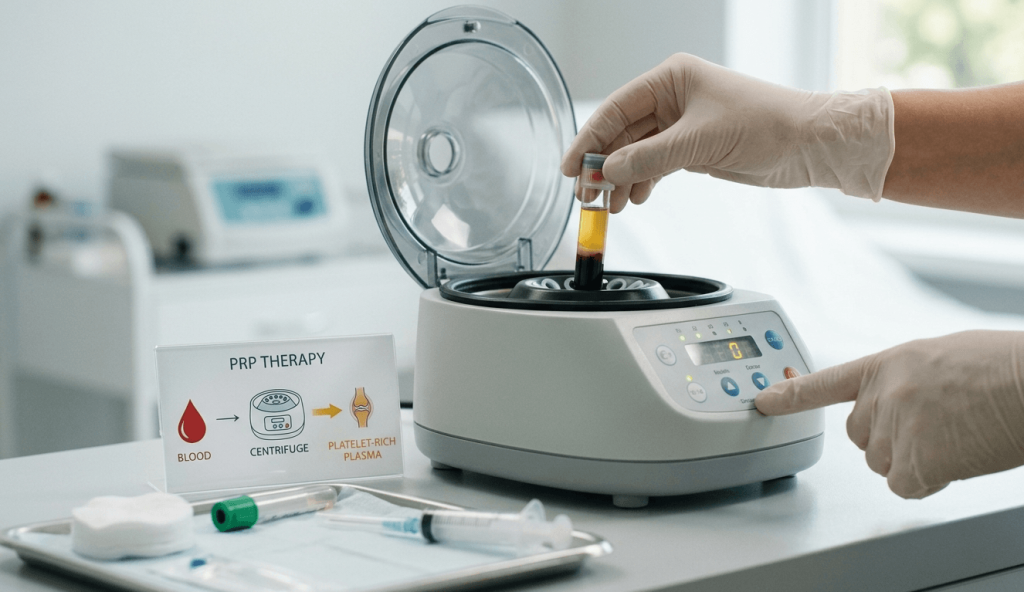
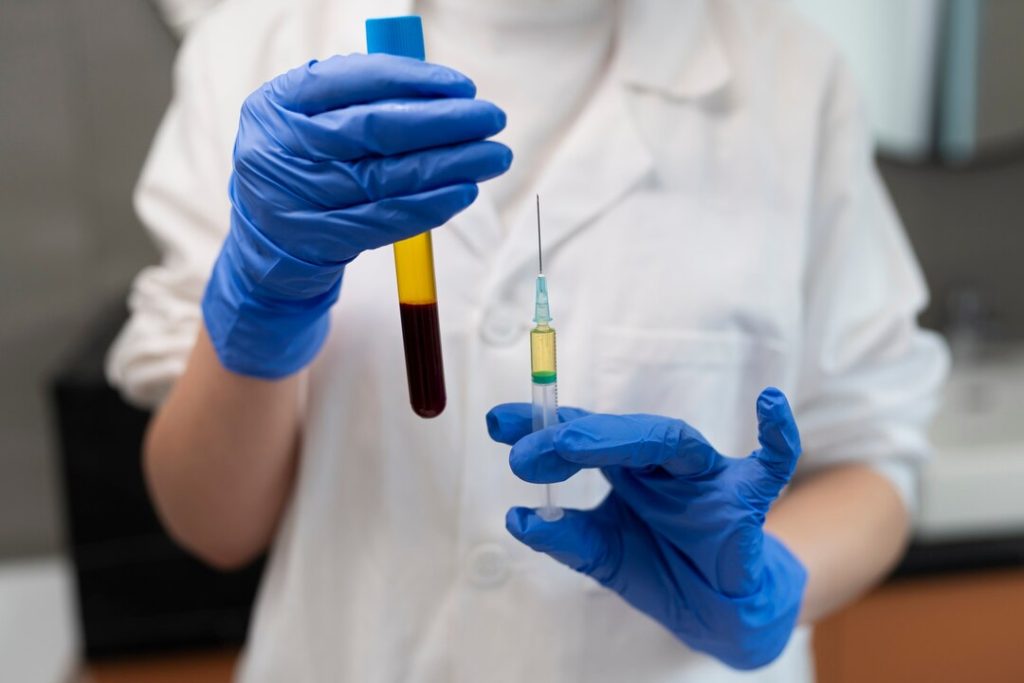
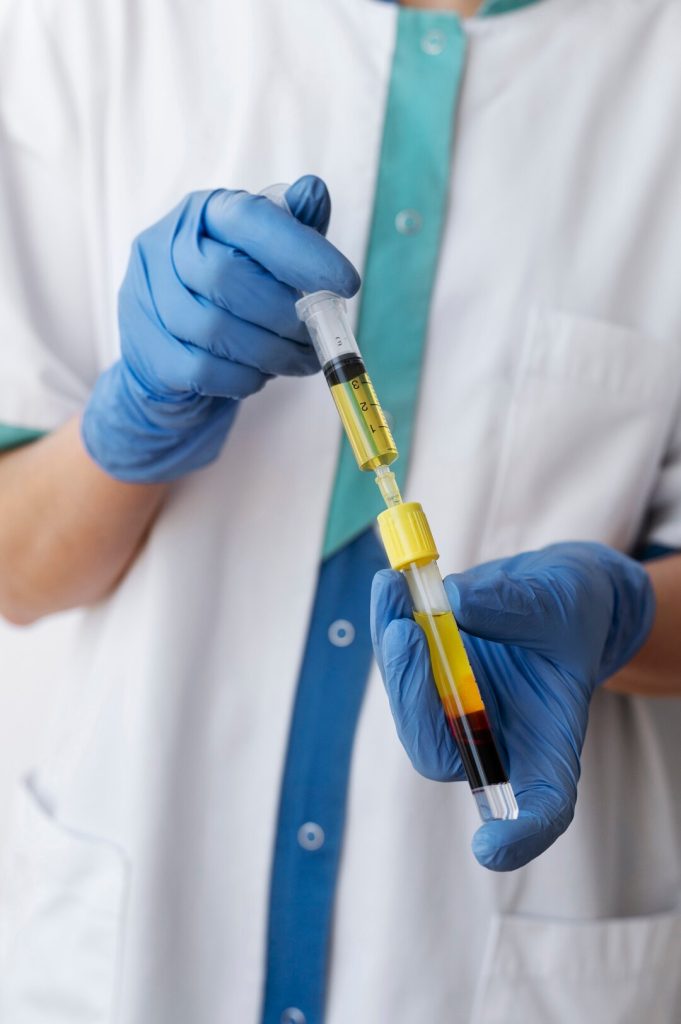
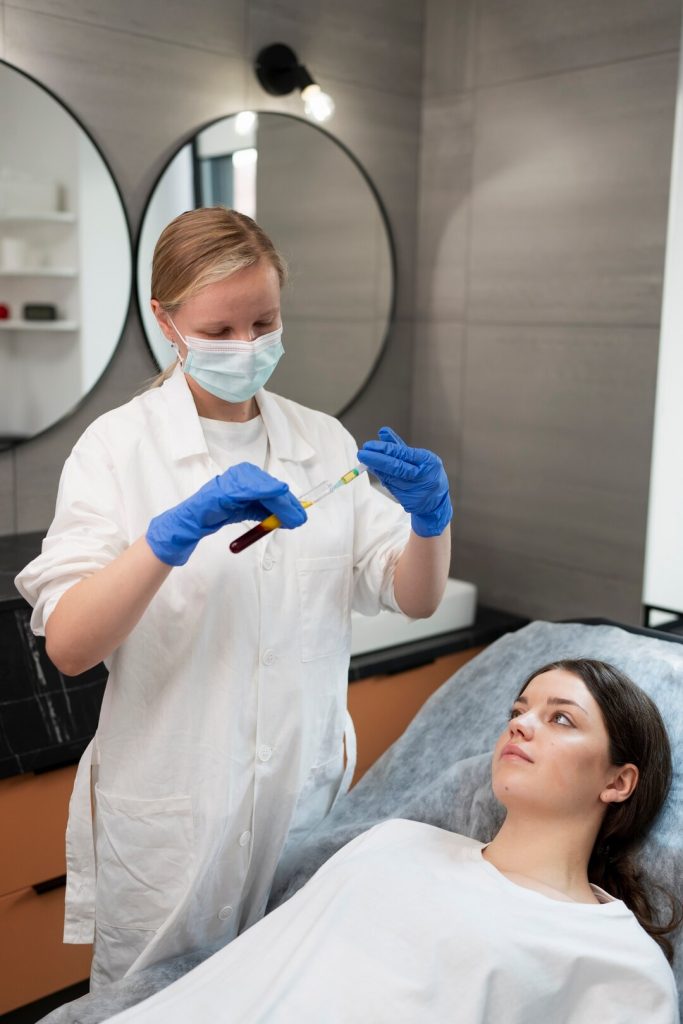
PRP Therapy in Huntersville NC is a regenerative treatment option that uses a patient’s own blood components to support the body’s natural repair process. The treatment begins with a blood draw. The blood is then placed in a centrifuge, which separates and concentrates the platelets. The prepared platelet-rich plasma is then injected into the targeted area.
Platelets contain growth factors and healing-related proteins that may support tissue repair and reduce inflammation. HSS explains that PRP is prepared by drawing blood, spinning it in a centrifuge, concentrating the platelets, and injecting the prepared solution into the injury site.
PRP therapy does not instantly “fix” damaged tissue. Instead, it is designed to support healing over time. For many patients, it may be used as part of a larger care plan that includes activity modification, physical therapy, strengthening, bracing, or other non-surgical joint treatments.
Because PRP is made from your own blood, the risk of rejection is considered low, though any injection still carries possible risks such as soreness, bleeding, or infection.
PRP may be considered for some patients with mild to moderate osteoarthritis, especially when joint pain and stiffness affect daily movement. Johns Hopkins notes that early studies suggest PRP may help osteoarthritis pain and stiffness by affecting the joint environment and inflammation, though research is still developing.
PRP therapy may be used for selected chronic tendon problems, including tendonitis or tendinopathy. AAOS notes that PRP appears to be effective for certain chronic tendon injuries, though more evidence is needed for some other conditions.
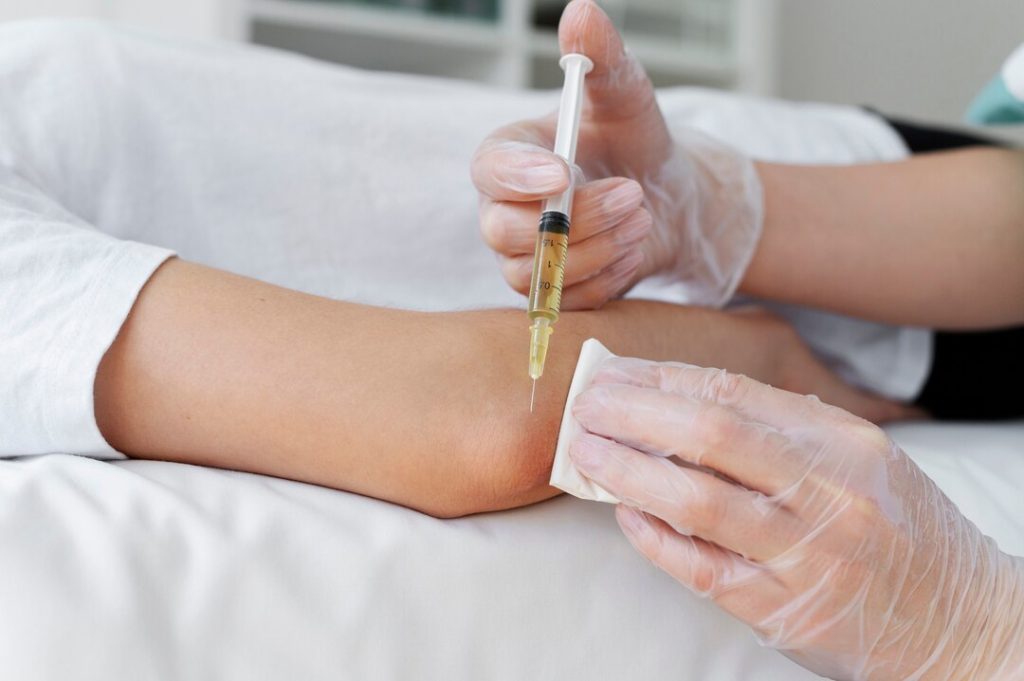
Some patients with ligament irritation or soft tissue injury may be evaluated for PRP therapy as part of a non-surgical recovery plan.
PRP Therapy in Huntersville NC works by delivering concentrated platelets to an area where healing support is needed. Platelets release growth factors that may help stimulate repair activity in the body. HSS states that the activation of concentrated platelets releases growth factors that increase the number of reparative cells the body produces.
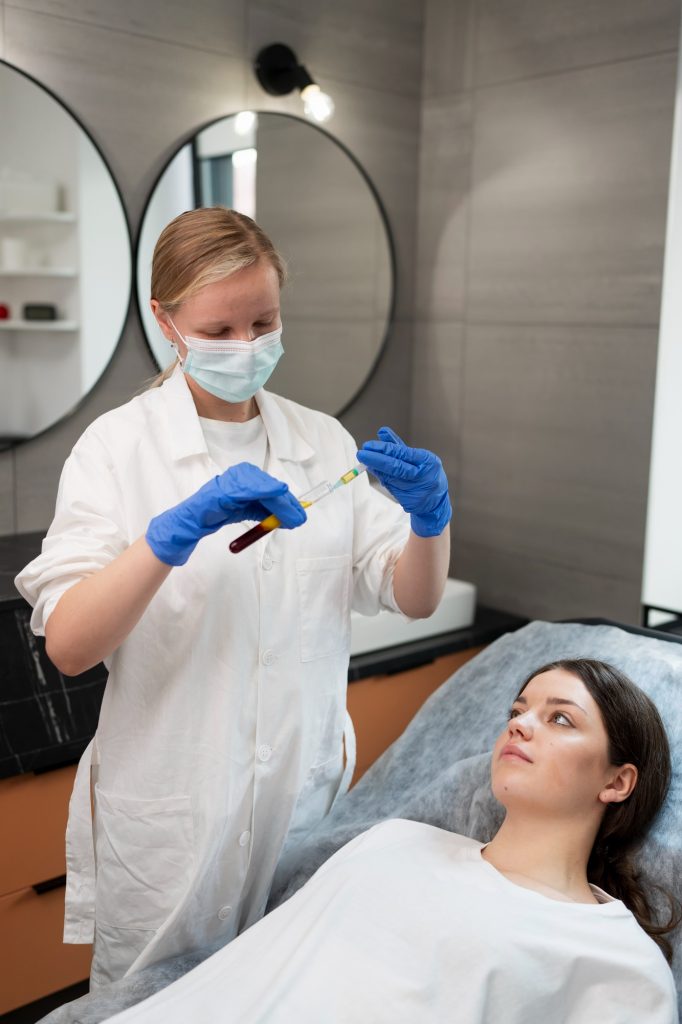
Your provider will review your pain, medical history, activity limitations, previous treatments, and imaging if available. This helps determine whether PRP is appropriate.
A small blood sample is collected and processed in a centrifuge to prepare the platelet-rich plasma.
The PRP is injected into the injured joint, tendon, ligament, or soft tissue area. Image guidance may be used when precision is important.
PRP results are usually gradual. Your provider may recommend rest, modified activity, physical therapy, or a structured return-to-activity plan after treatment.
For the right patient, PRP Therapy in Huntersville NC may offer several potential benefits.
PRP is made from your own blood, which makes it different from many medication-based injections.
PRP may help some patients explore non-surgical care before considering more invasive procedures.
PRP is designed to support the body’s healing response by concentrating platelets and growth factors near the injured area.
PRP is commonly discussed for tendon injuries, knee osteoarthritis, ligament injuries, and other selected musculoskeletal concerns.
PRP may be combined with strengthening, mobility work, and rehabilitation to support longer-term recovery.
Your PRP plan should be based on your diagnosis, pain level, health history, and goals.
For some patients, PRP may be part of a broader strategy to manage symptoms without relying only on repeated pain medication.
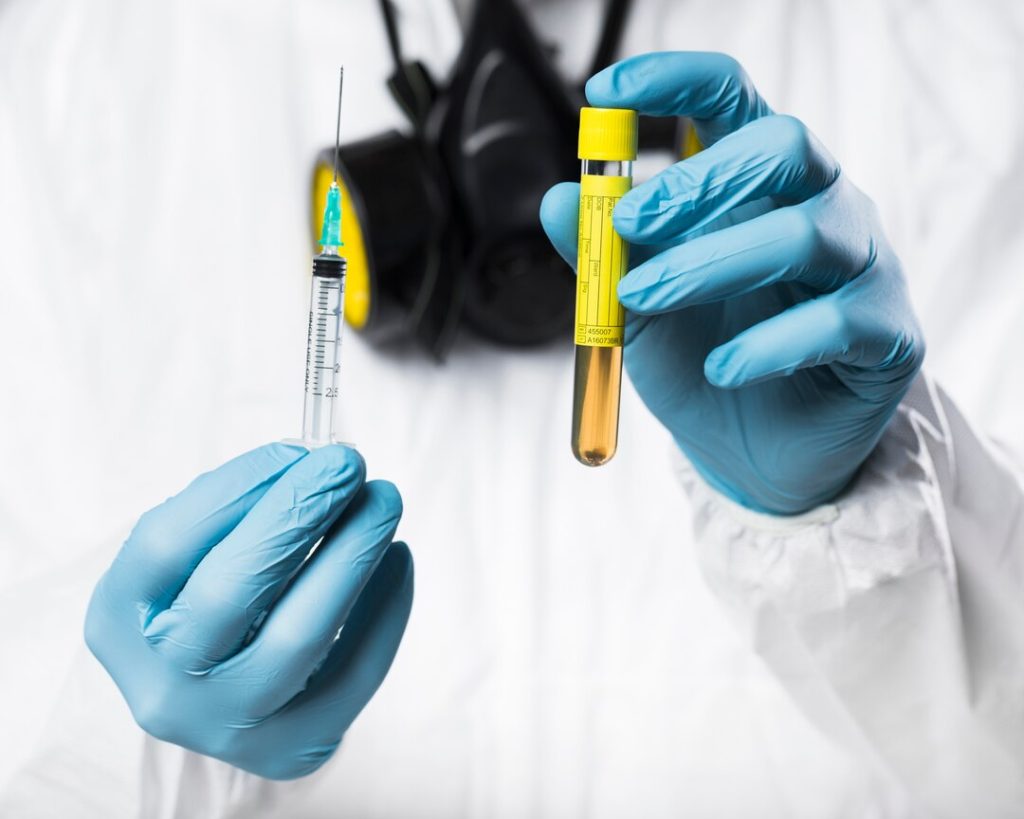
The number of PRP injections depends on the condition being treated, the severity of symptoms, and how your body responds. Some patients may need one injection, while others may require a series of treatments.
Your provider may consider:
For PRP Therapy in Huntersville NC, the goal is to create a treatment plan that fits the patient, not a one-size-fits-all injection schedule.
Some patients experience a temporary increase in soreness
Gradual improvement begins
Continued improvement becomes more noticeable
Peak benefit is often reached
Effects can last a year or longer, depending on the condition
| Feature | PRP (Platelet-Rich Plasma) | Cortisone (Corticosteroids) |
|---|---|---|
| Mechanism | Stimulates natural healing and reduces inflammation. | Suppresses inflammation by inhibiting immune response. |
| Onset | Gradual improvement over several weeks. | Rapid relief, often within 24–72 hours. |
| Duration | Long-lasting; typically 6–12+ months. | Temporary; usually weeks to months. |
| Effect on Tissue | Promotes repair and tissue regeneration. | No healing effect; repeated use may weaken or damage cartilage/tissue. |
| Frequency | 1–3 injections; may be repeated as needed. | Strictly limited; usually 3–4 times per year in the same joint. |
| Best For | Chronic conditions, mild to moderate osteoarthritis, and tendinopathy. | Acute flare-ups and severe inflammatory conditions. |
In some cases, we use both strategies at different times—for example, cortisone for rapid relief during a flare-up and PRP for longer-term healing.
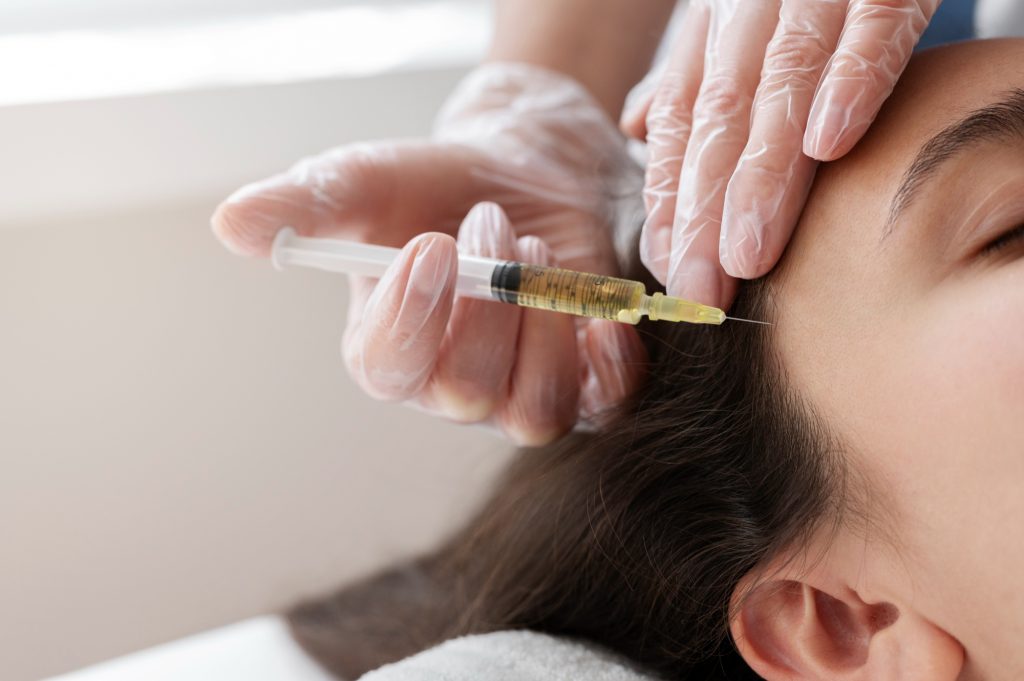
Your provider will review your health history and explain whether PRP is a safe option for your situation.

A good candidate for PRP Therapy in Huntersville NC may be someone with joint pain, tendon irritation, ligament injury, or mild to moderate arthritis who wants to explore non-surgical treatment options.
You may be a candidate if you:
PRP may not be the best option for advanced joint damage or conditions that require surgical care. A consultation is the best way to know whether it fits your needs.

Different injection treatments work in different ways. Your provider may compare PRP with cortisone, hyaluronic acid, or other joint care options depending on your diagnosis.
| Treatment | Main Purpose | Common Use |
|---|---|---|
| PRP Therapy | Supports healing response | Tendon injuries, ligament irritation, selected joint pain |
| Cortisone Injection | Reduces inflammation quickly | Arthritis flare-ups, swelling, bursitis |
| Hyaluronic Acid Injection | Supports joint lubrication | Knee osteoarthritis and stiffness |
| Physical Therapy | Improves strength and mobility | Long-term joint support |
PRP is generally considered an elective regenerative procedure and is not covered by most insurance plans. We provide transparent pricing and can discuss financing options. Some patients use HSA or FSA accounts.
The entire process, including blood draw, processing, and injection, typically takes 30–45 minutes. The injection itself is quick and usually takes less than 5 minutes.
You may feel a brief pinch from the local anesthetic. After the procedure, some patients experience soreness or a mild inflammatory reaction for 1–3 days. This is normal and is often part of the healing response.
We recommend avoiding NSAIDs such as ibuprofen, naproxen, and aspirin for 2–4 weeks because they can inhibit the healing response. Acetaminophen is generally safe for mild discomfort.
For osteoarthritis, 1–3 injections are common. For tendinopathy, often 1–2 injections are sufficient. Your provider will recommend a personalized plan based on your condition.
Yes. Numerous studies show PRP can significantly reduce pain and improve function in knee osteoarthritis, with effects often lasting 12 months or longer.
Yes. Tennis elbow, or lateral epicondylitis, is one of the conditions with the strongest evidence for PRP. It can be an excellent alternative to surgery.
Success rates vary by condition. For knee osteoarthritis, studies often report that 70–80% of patients achieve meaningful improvement. Tendinopathy results are also favorable, although not all patients respond.
It depends on the type of blood thinner. Some patients may need to temporarily hold their medication with approval from their prescribing physician. We evaluate each case individually.
Improvement is gradual. Many patients notice the first signs of relief at 2–4 weeks, with continued improvement over 3–6 months. Peak benefit is often reached around 6 months.