
Joint pain, tendon irritation, and soft tissue injuries can limit your movement and make daily activities uncomfortable. At Joint Health Solutions, we offer PRP therapy for Mount Holly patients who are looking for a non-surgical regenerative treatment option.
PRP therapy uses a concentrated portion of your own blood platelets to support the body’s natural healing response. It may be recommended for certain joint, tendon, ligament, and musculoskeletal conditions.
Medically reviewed by: Dr. Jeffrey Galvin & Ariel Curtis, FNP-C
PRP stands for Platelet-Rich Plasma. It is a regenerative treatment created from a small sample of your own blood. Platelets contain growth factors and healing-related proteins that may help support tissue repair and reduce pain over time.
For Mount Holly patients dealing with arthritis, tendon injuries, ligament irritation, or chronic joint discomfort, PRP therapy may be used as part of a non-surgical care plan.
PRP does not simply mask pain. Instead, it is designed to support your body’s natural repair process in the affected area.
The entire process usually takes approximately 30–45 minutes.
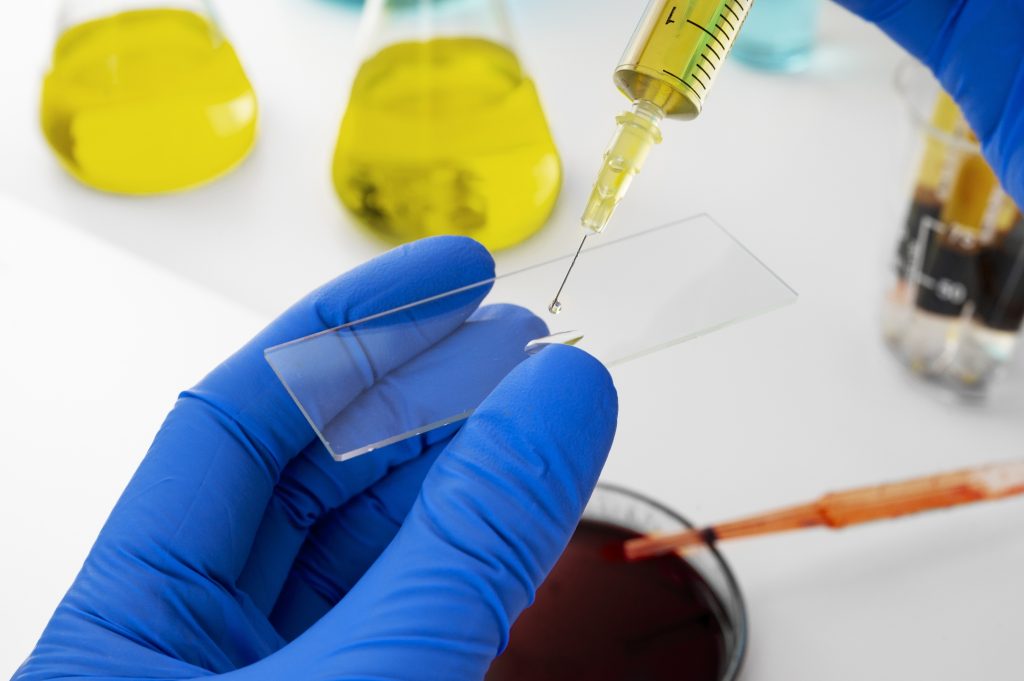
PRP therapy may be recommended for Mount Holly patients with pain related to joint degeneration, tendon irritation, ligament injuries, or overuse conditions.
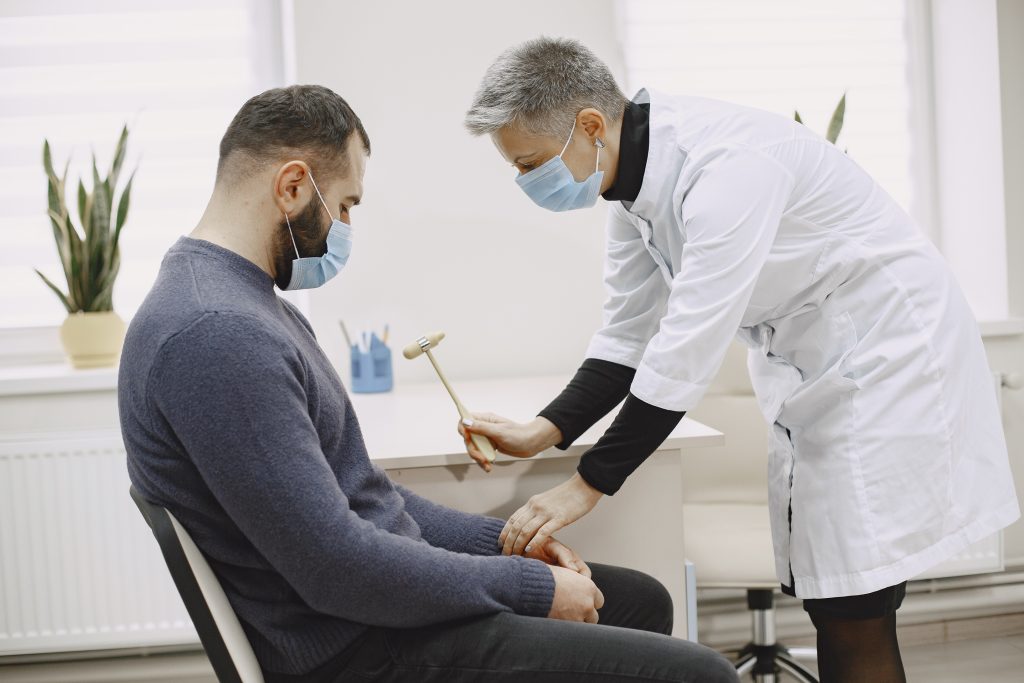
PRP may be considered for patients with mild to moderate osteoarthritis who want a non-surgical option to support joint function and comfort.
May help with:

PRP may also be considered for select ligament injuries and soft tissue conditions where natural healing support is needed.
May help with:
PRP therapy is designed to place a concentrated healing solution directly into the area that needs support. The treatment process is personalized based on your condition, symptoms, and provider recommendation.
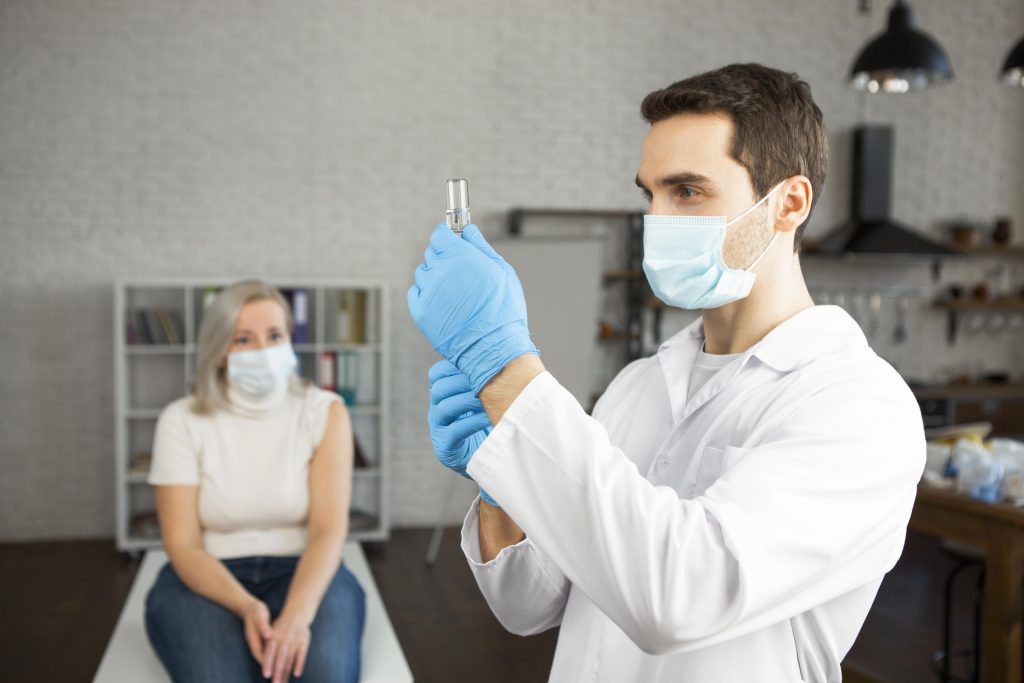
Your provider will review your symptoms, medical history, physical exam findings, and any available imaging to determine whether PRP therapy is appropriate for your condition.
A small blood sample is taken and processed in a centrifuge to separate and concentrate the platelet-rich plasma.
When needed, ultrasound or fluoroscopy may be used to guide the PRP injection into the correct joint, tendon, ligament, or soft tissue area.
After injection, the concentrated platelets may help support the body’s natural repair process over the following weeks and months.
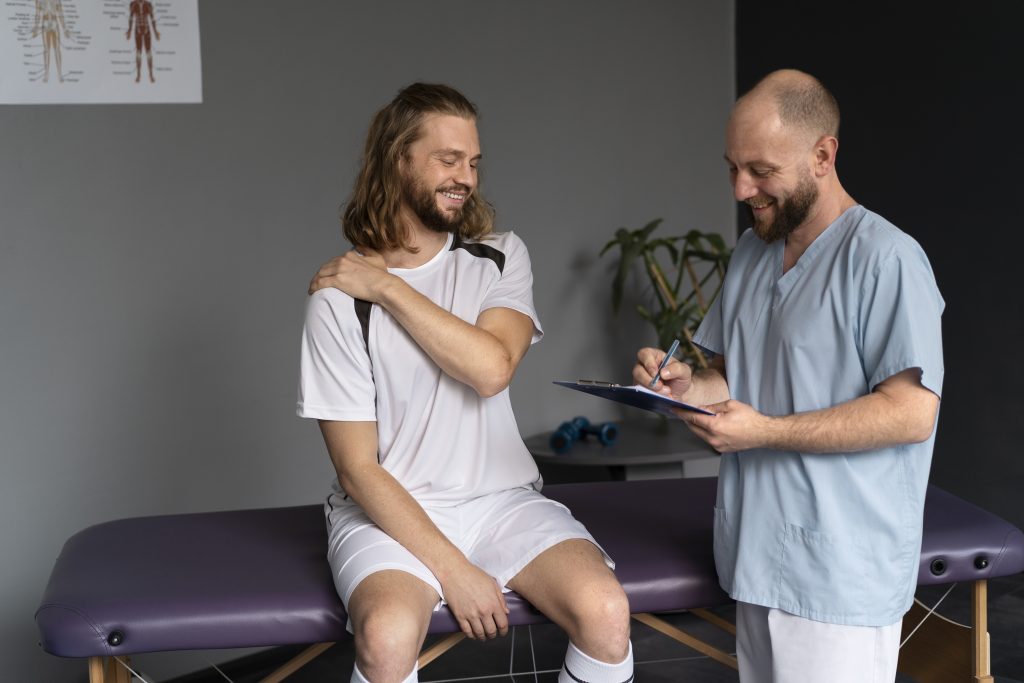
PRP therapy may offer several benefits for Mount Holly patients looking for a non-surgical regenerative treatment option.
Potential benefits include:

The number of PRP injections needed can vary based on your condition, severity of symptoms, treatment area, and how your body responds.
Some patients may benefit from a single PRP injection, while others may need a series of treatments for better results. Your provider will recommend a treatment plan based on your diagnosis and goals.
PRP results are not always immediate. Because the treatment supports the body’s natural healing response, improvement may develop gradually over time.

Mild soreness or temporary discomfort may occur
Some patients begin noticing reduced pain or better movement
Improvement may become more noticeable
Continued progress may occur depending on the condition and response
Your provider may also recommend physical therapy, activity modification, or follow-up care to support your results.
The length of improvement depends on your condition, activity level, severity of injury, and overall treatment plan.
| Condition | Typical Response |
|---|---|
| Mild joint irritation | Improvement may develop over several weeks |
| Knee osteoarthritis | Results may last several months for some patients |
| Tendon injuries | Healing response may continue over weeks to months |
| Ligament irritation | Results vary depending on severity and activity level |
| Chronic pain conditions | May require a broader care plan for long-term support |
PRP does not cure arthritis or guarantee permanent relief, but it may help support better function and reduced discomfort for qualifying patients.
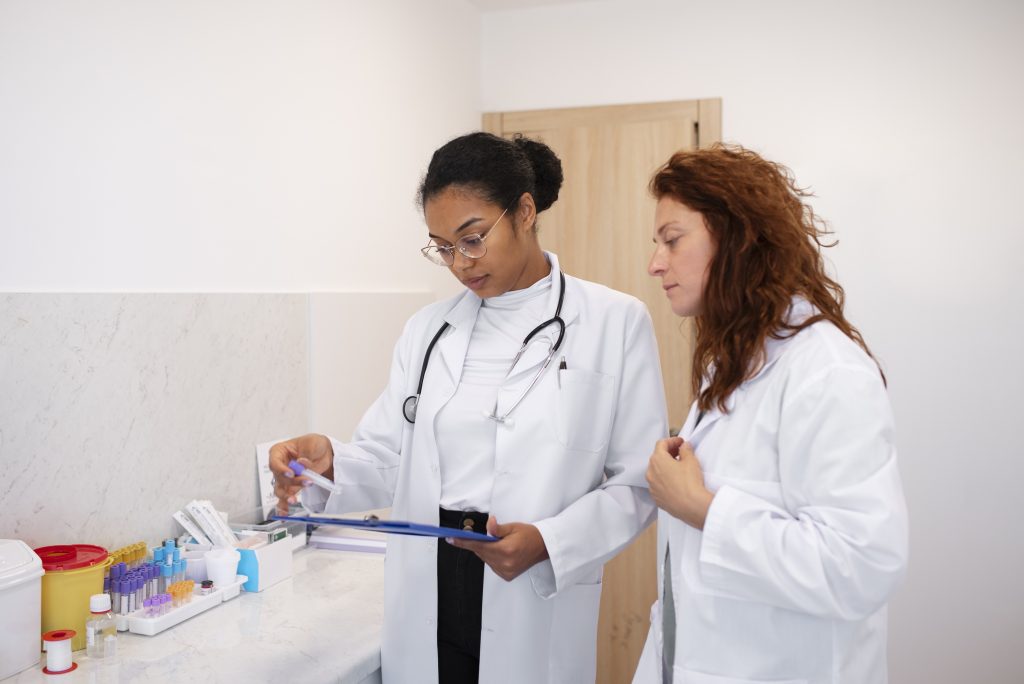
Your provider will review your health history and explain what to expect before treatment.
PRP therapy may be a good option for Mount Holly patients who want to explore non-surgical regenerative treatment for joint pain, tendon injuries, or soft tissue conditions.

You may be a candidate for PRP therapy if you have:
PRP may not be right for every patient. Your provider will determine whether it is appropriate based on your condition, medical history, and treatment goals.

Joint Health Solutions provides non-surgical joint and soft tissue care for patients in Mount Holly, NC and nearby areas. Our team focuses on accurate evaluation, personalized treatment planning, and careful injection techniques.
Why patients choose us:
PRP is generally considered an elective regenerative procedure and is not covered by most insurance plans. We provide transparent pricing and can discuss financing options. Some patients use HSA or FSA accounts.
The entire process, including blood draw, processing, and injection, typically takes 30–45 minutes. The injection itself is quick and usually takes less than 5 minutes.
You may feel a brief pinch from the local anesthetic. After the procedure, some patients experience soreness or a mild inflammatory reaction for 1–3 days. This is normal and is often part of the healing response.
We recommend avoiding NSAIDs such as ibuprofen, naproxen, and aspirin for 2–4 weeks because they can inhibit the healing response. Acetaminophen is generally safe for mild discomfort.
For osteoarthritis, 1–3 injections are common. For tendinopathy, often 1–2 injections are sufficient. Your provider will recommend a personalized plan based on your condition.
Yes. Numerous studies show PRP can significantly reduce pain and improve function in knee osteoarthritis, with effects often lasting 12 months or longer.
Yes. Tennis elbow, or lateral epicondylitis, is one of the conditions with the strongest evidence for PRP. It can be an excellent alternative to surgery.
Success rates vary by condition. For knee osteoarthritis, studies often report that 70–80% of patients achieve meaningful improvement. Tendinopathy results are also favorable, although not all patients respond.
It depends on the type of blood thinner. Some patients may need to temporarily hold their medication with approval from their prescribing physician. We evaluate each case individually.
Improvement is gradual. Many patients notice the first signs of relief at 2–4 weeks, with continued improvement over 3–6 months. Peak benefit is often reached around 6 months.
Don’t let chronic joint pain dictate your life. Schedule a comprehensive evaluation with our Charlotte specialists to find out if PRP therapy is the right non-surgical solution for you.