
PRP Therapy in Rock Hill, SC is a non-surgical regenerative medicine option designed to support joint function, soft tissue recovery, inflammation response, and long-term mobility. At Joint Health Solutions, we provide PRP therapy for selected patients from Rock Hill, Fort Mill, Tega Cay, York, Indian Land, Matthews, and nearby communities who want a personalized approach to knee and shoulder joint concerns.
Platelet-rich plasma, or PRP, uses a concentrated sample of the patient’s own platelets to support the body’s natural healing response. PRP therapy can be considered for patients dealing with osteoarthritis-related discomfort, joint stiffness, soft tissue irritation, and mobility limitations when clinically appropriate.
Our clinical team focuses on non-surgical joint care and osteoarthritis management using provider-led evaluation, image-guided injection options, PRP therapy, physical therapy guidance, activity modification, and long-term joint health planning.
Care is led by experienced medical professionals, including Dr. Jeffrey Galvin and Ariel Curtis, FNP-C.
PRP therapy stands for platelet-rich plasma therapy. It is a regenerative medicine treatment that uses a concentrated portion of the patient’s own blood. Platelets contain growth factors and signaling proteins that support the body’s natural healing response.
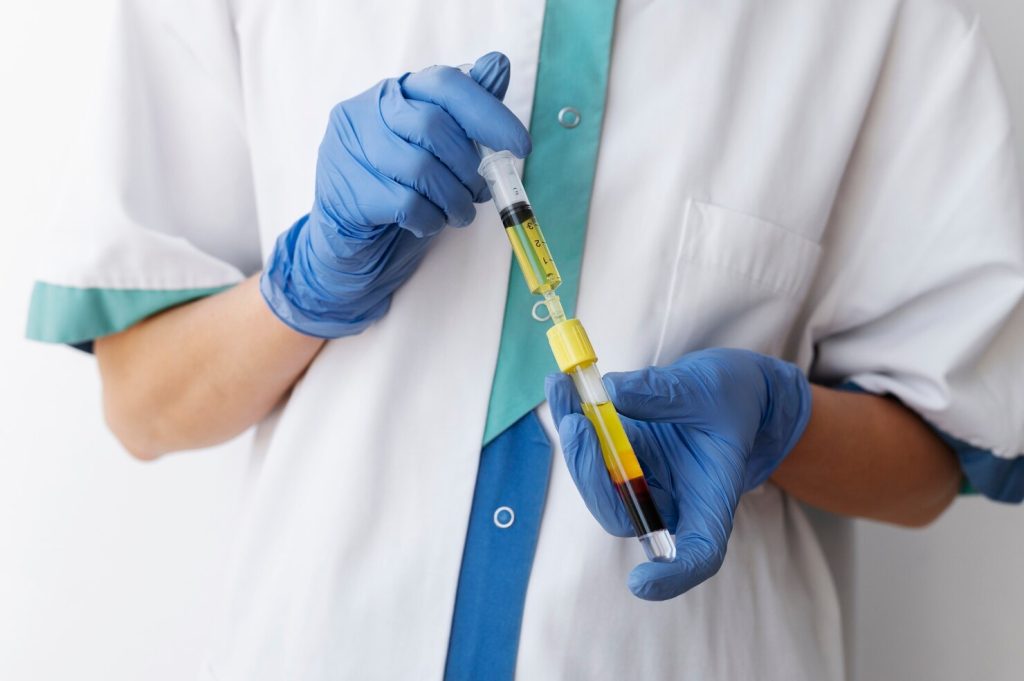
During PRP therapy, a small blood sample is collected and processed to separate the platelet-rich portion. The concentrated PRP is then injected into the targeted knee, shoulder, or approved treatment area when clinically appropriate.
At Joint Health Solutions, PRP therapy is used as part of a personalized non-surgical joint care plan. It is not a cure for arthritis, does not guarantee cartilage regrowth, and does not reverse advanced joint damage. Instead, PRP is designed to support tissue recovery, joint function, inflammation response, and mobility for selected patients.
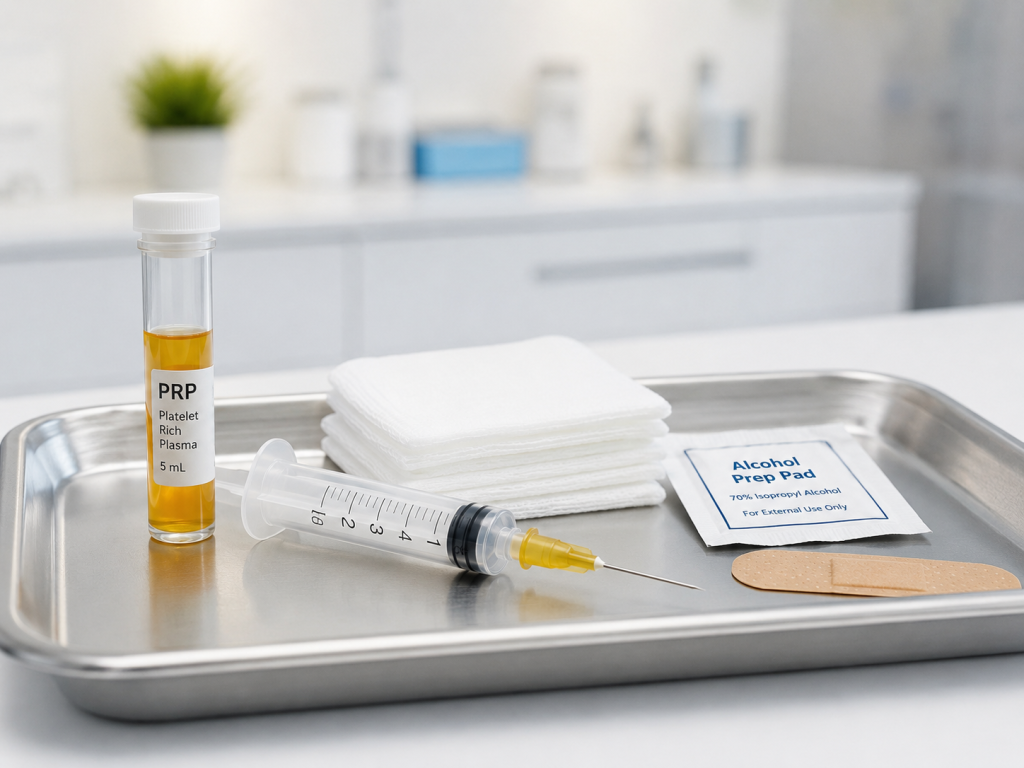
PRP is prepared from the patient’s own blood in a clinical setting. The process is designed to concentrate platelets so they can be used as part of a targeted regenerative medicine treatment plan.
Common steps include:
Because PRP comes from the patient’s own blood, it is considered an autologous treatment. Your provider will review your health history, symptoms, affected joint, and treatment goals to determine whether PRP is appropriate.
PRP therapy can be used as part of a non-surgical care plan for selected knee and shoulder-related concerns. Treatment is customized based on the patient’s symptoms, joint condition, activity level, and provider recommendation.
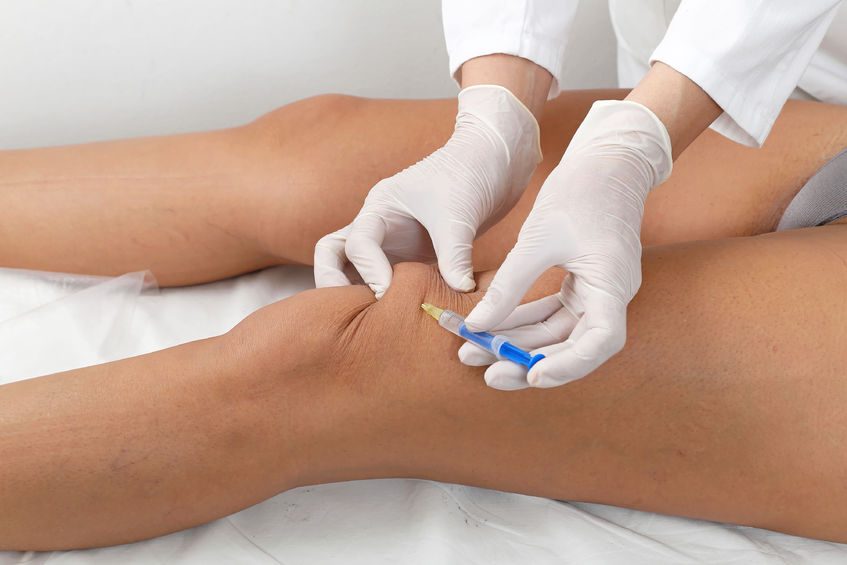
PRP therapy is often considered for selected patients with osteoarthritis who want a non-surgical option focused on joint function, inflammation response, and mobility support.
PRP can support patients with:
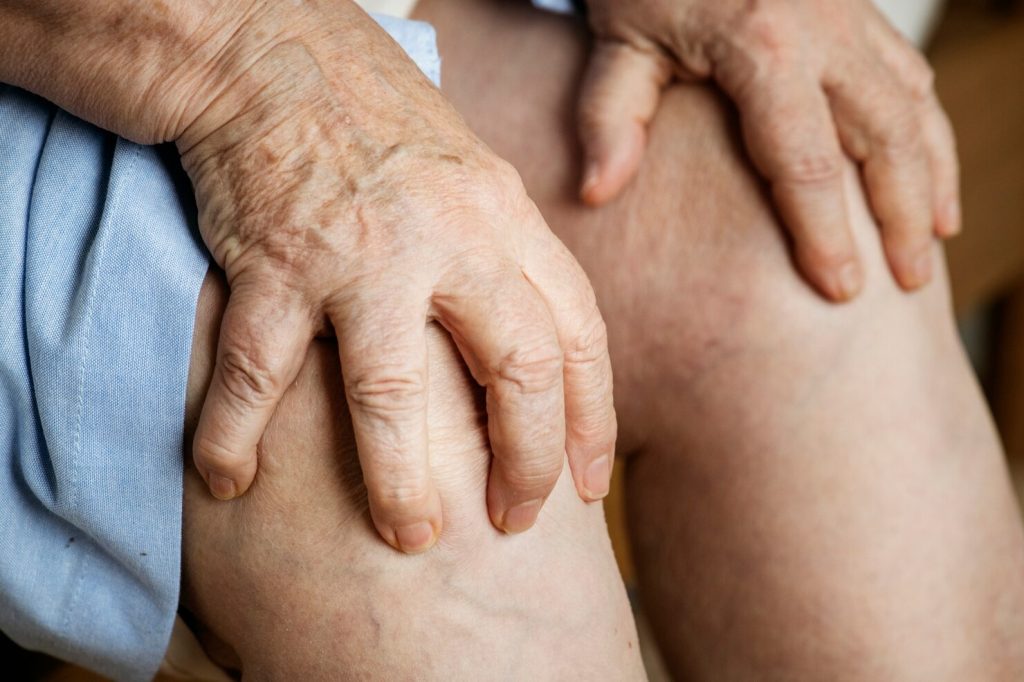
PRP therapy can also be considered for soft tissue irritation around approved joint areas. For patients with knee or shoulder-related tendon irritation, PRP can support the body’s natural recovery response when clinically appropriate.
This can include:
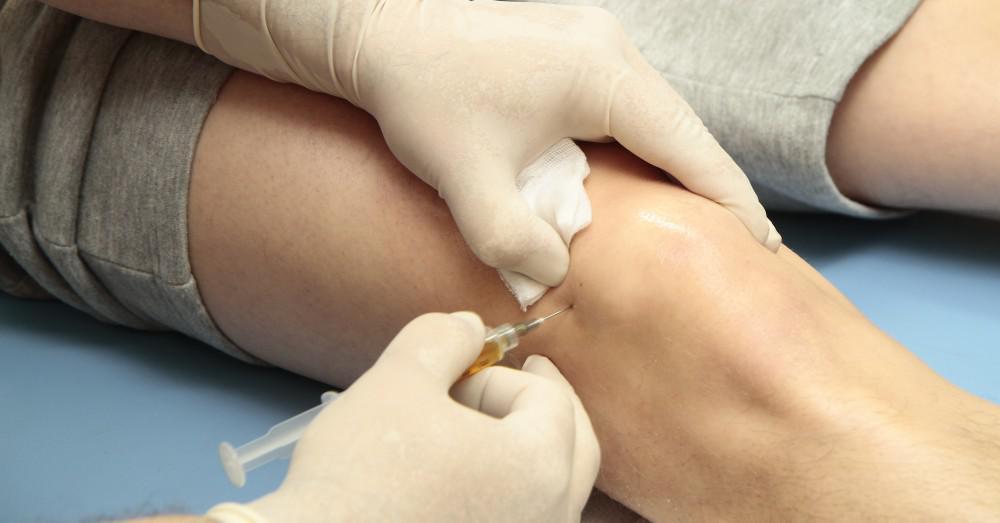
Joint Health Solutions focuses on approved non-surgical joint care services, especially knee concerns related to arthritis, inflammation, stiffness, and mobility limitations.
PRP therapy can support patients with:
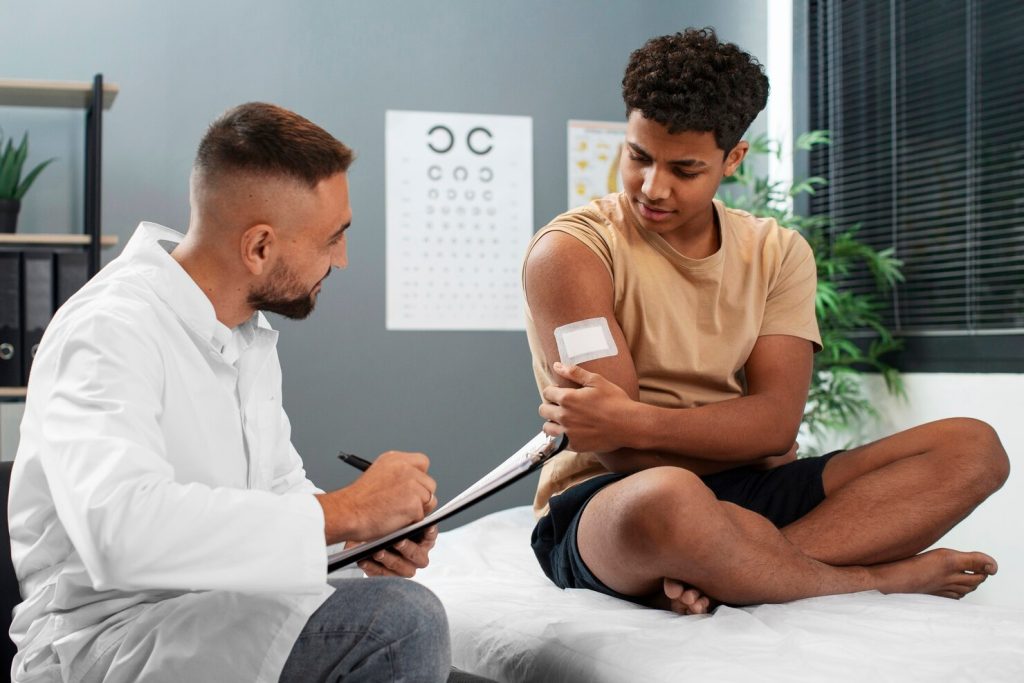
Joint Health Solutions focuses on approved non-surgical joint care services, especially shoulder concerns related to arthritis, inflammation, stiffness, and mobility limitations.
PRP therapy can support patients with:
PRP therapy works by using concentrated platelets from the patient’s own blood to support the body’s natural healing response. At Joint Health Solutions, the process is provider-led and personalized based on your condition and goals.

Your visit begins with a review of your symptoms, medical history, prior treatments, activity level, and goals. Your provider evaluates how joint pain, stiffness, inflammation, or soft tissue irritation is affecting your daily movement.
A small blood sample is collected and processed in a centrifuge. This separates the platelet-rich plasma from other blood components and prepares it for treatment.
When clinically appropriate, image guidance can be used to help target the intended treatment area more precisely. The PRP is injected with careful technique and attention to patient comfort.
After treatment, your provider gives instructions for activity, recovery, and follow-up. Some patients are advised to limit strenuous activity briefly before gradually returning to normal movement.
PRP therapy offers a non-surgical regenerative medicine option for selected patients who want to support joint health and mobility.
Supports the Body’s Healing Response
PRP uses the patient’s own platelets to support natural tissue recovery and repair signaling.
Helps Support Joint Function
For selected patients, PRP can support better function in the knee or shoulder by helping reduce irritation and improving movement tolerance.
Non-Surgical Treatment Option
PRP therapy offers a conservative option for patients who want to explore non-surgical care before considering more invasive procedures.
Mobility Support
PRP can support improved comfort during daily movement, including walking, climbing stairs, reaching, lifting, and exercise.
Soft Tissue Recovery Support
For approved knee and shoulder-related soft tissue concerns, PRP can support the recovery process when clinically appropriate.
Long-Term Joint Health Planning
PRP therapy can be part of a broader osteoarthritis management plan that includes physical therapy guidance, activity modification, lifestyle support, and other injection options when appropriate.

The number of PRP injections depends on the patient’s condition, treatment goals, joint health, symptom severity, and response to care. Some patients need one PRP injection, while others can benefit from a planned series or follow-up treatment.
Your provider will consider:
The number of PRP injections depends on the patient’s condition, treatment goals, joint health, symptom severity, and response to care. Some patients need one PRP injection, while others can benefit from a planned series or follow-up treatment.
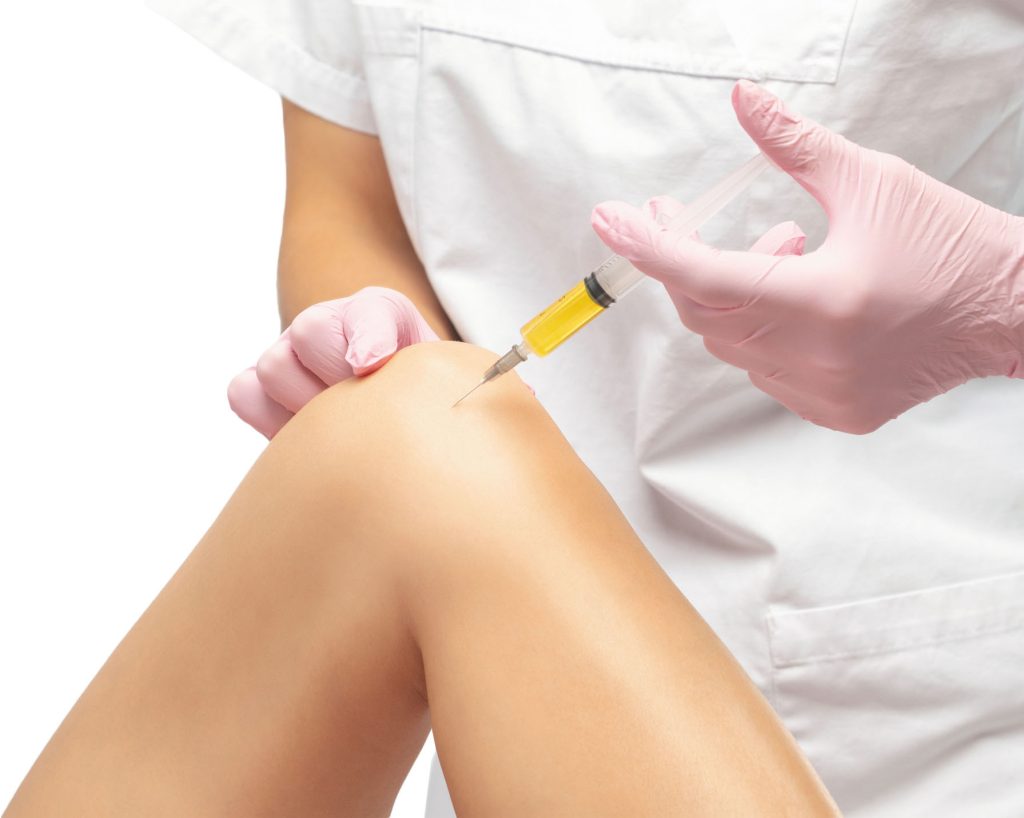
PRP therapy often works gradually because it supports the body’s natural healing response rather than providing immediate numbing or fast anti-inflammatory effects. Some patients begin noticing improvement over several weeks, while others experience more gradual changes over time.
Typical response patterns can include:
PRP results vary from patient to patient. Your provider will explain what to expect based on your symptoms, condition, and treatment plan.
The duration of support depends on the injection type, joint condition, arthritis severity, activity level, and individual response.
| Injection Type | Main Purpose | Typical Response |
|---|---|---|
| PRP Therapy | Supports healing response, joint function, and soft tissue recovery | Often gradual over weeks to months |
| Cortisone Injection | Helps reduce inflammation during painful flare-ups | Often short-term support for selected patients |
| Hyaluronic Acid Injection | Supports knee joint lubrication and cushioning | Can support knee comfort for several months in selected patients |
| Toradol IM Injection | Non-opioid anti-inflammatory support for acute flares | Short-term flare support when clinically appropriate |
Your provider will discuss realistic expectations and help determine which option fits your condition and goals.
Possible considerations include:
Because PRP uses the patient’s own blood, allergy risk is typically low, but the treatment is still not right for every patient. A provider evaluation is necessary before treatment.

PRP therapy can be considered for selected patients who want a non-surgical regenerative medicine option for knee or shoulder-related joint concerns.
You could be a candidate if you:
Your provider will determine whether PRP therapy is appropriate based on your symptoms, health history, joint condition, and goals.

Joint Health Solutions provides personalized non-surgical joint care for patients seeking alternatives before surgery. Our team focuses on provider-led care, careful evaluation, and long-term joint health planning.
Patients choose Joint Health Solutions for:
The clinic is located at 9350 Benfield Rd, #109, Charlotte, NC 28269 and serves patients traveling from Rock Hill, Fort Mill, Tega Cay, York, Indian Land, Matthews, and nearby communities.

PRP therapy often works best when it is part of a broader non-surgical care strategy. Long-term improvement depends on movement, strength, mobility, joint protection, inflammation management, and realistic treatment planning.
A comprehensive plan can include:
Joint Health Solutions focuses on helping patients move better, reduce stiffness, support joint function, and make informed decisions about ongoing care.
Yes. PRP therapy is commonly considered a regenerative medicine treatment because it uses concentrated platelets from the patient’s own blood to support the body’s natural healing response.
PRP usually works gradually. Some patients notice improvement over several weeks, while others experience changes over a longer period. Response depends on the condition, severity, activity level, and overall treatment plan.
Most patients tolerate PRP therapy well. You can feel brief pressure, pinching, or soreness during the injection. Temporary soreness after treatment is also common.
PRP can support joint function and inflammation response for selected patients with osteoarthritis. It does not cure arthritis or regrow cartilage, but it can be part of a personalized non-surgical care plan.
PRP can be considered for selected tendon-related soft tissue concerns around approved joint areas, especially when symptoms affect movement and daily function.
Recovery varies by patient and treatment area. Some patients have temporary soreness or stiffness for a few days. Your provider will give personalized instructions for activity, recovery, and follow-up.
It depends on your medication and medical history. Your provider will review your current medications before recommending PRP therapy.
No. PRP uses concentrated platelets from your own blood to support the body’s healing response. Cortisone injections help reduce inflammation during painful flare-ups.
The number of injections depends on your condition, response, and treatment goals. Some patients need one injection, while others can benefit from a planned series.
Yes. Joint Health Solutions provides PRP therapy for patients from Rock Hill, Fort Mill, Tega Cay, York, Indian Land, Matthews, and surrounding communities.
Joint pain, stiffness, and soft tissue irritation can make daily movement harder, but surgery is not always the first step. Joint Health Solutions offers personalized PRP Therapy in Rock Hill, SC for patients seeking non-surgical regenerative medicine and osteoarthritis management.
Our team provides provider-led evaluation, PRP injections, image-guided injection options, mobility support, physical therapy guidance, and long-term joint health planning.