
Shoulder arthritis can make everyday movement difficult, from reaching overhead and lifting objects to getting dressed, driving, working, exercising, or sleeping comfortably. Joint Health Solutions provides non-surgical shoulder arthritis treatment for adults in Mint Hill, NC and nearby communities who want clear answers, personalized care, and treatment options beyond simply living with shoulder pain.
Our care focuses on understanding how arthritis is affecting your shoulder, explaining your options clearly, and building a treatment plan that may help reduce pain, improve mobility, and support long-term shoulder function.
Depending on your condition, your plan may include image-guided shoulder injections, cortisone injections, PRP therapy, physical therapy guidance, mobility support, anti-inflammatory care, activity modification, lifestyle recommendations, or a combination of treatments designed around your symptoms and goals.
Call 704-833-3566 to schedule a shoulder arthritis treatment consultation.
Medically reviewed by: Dr. Jeffrey Galvin & Ariel Curtis, FNP-C
Shoulder arthritis is a condition that affects the cartilage, joint surfaces, and surrounding structures of the shoulder. As joint cushioning changes over time, shoulder movement may become painful, stiff, limited, or less smooth. Many patients notice pain when reaching, lifting, dressing, sleeping on the affected side, or using the arm during daily activities.

The shoulder is one of the most mobile joints in the body, which makes it especially important to understand where the pain is coming from. Shoulder arthritis may affect the main ball-and-socket joint, the smaller joint at the top of the shoulder, or both.
For adults in Mint Hill, shoulder arthritis may develop gradually from age-related joint wear, prior injury, repetitive use, inflammation, rotator cuff problems, or long-term stress on the shoulder. Some patients feel mild stiffness at first, while others experience daily pain, reduced range of motion, grinding, weakness, or difficulty sleeping.
At Joint Health Solutions, your provider reviews your symptoms, shoulder movement, medical history, activity level, previous treatments, and goals before recommending a personalized non-surgical care plan.
Common shoulder arthritis symptoms may include:
Pain with reaching, lifting, or overhead movement
Stiffness after rest or limited shoulder motion
Grinding, clicking, catching, or popping sensations
Pain while sleeping on the affected shoulder
Weakness or reduced confidence using the arm
Difficulty dressing, driving, carrying, or exercising
| Type | Description |
|---|---|
| Osteoarthritis | Wear-and-tear arthritis that may develop as cartilage and joint surfaces change over time. |
| Rheumatoid Arthritis | An inflammatory autoimmune condition that may affect the shoulder joint and surrounding tissues. |
| Post-Traumatic Arthritis | Arthritis that may develop after a shoulder injury, fracture, dislocation, or repeated joint trauma. |
| Rotator Cuff Tear Arthropathy | Shoulder arthritis associated with long-term rotator cuff damage and changes in shoulder mechanics. |
A personalized evaluation helps determine which type of shoulder arthritis may be contributing to your pain and which treatment options may be appropriate.

The glenohumeral joint is the main ball-and-socket joint of the shoulder. Arthritis in this area may cause deep shoulder pain, stiffness, grinding, weakness, or difficulty lifting and rotating the arm.

The acromioclavicular joint, often called the AC joint, is located at the top of the shoulder where the collarbone meets the shoulder blade. Arthritis in this joint may cause pain at the top of the shoulder, tenderness, or discomfort when reaching across the body.

The rotator cuff is a group of muscles and tendons that helps stabilize and move the shoulder. When arthritis affects shoulder mechanics, the rotator cuff may become irritated, overworked, or less effective, leading to pain, weakness, or limited movement.
The shoulder works best when the joint surfaces, muscles, tendons, ligaments, and surrounding tissues move together smoothly. When arthritis changes that balance, a personalized care plan can help support comfort, movement, and function.
Shoulder arthritis symptoms can develop slowly and may become more noticeable over time. Some patients experience mild stiffness, while others have daily pain, reduced motion, or difficulty using the arm.
| Symptom | Description |
|---|---|
| Pain | Pain may occur with reaching, lifting, pushing, pulling, dressing, driving, or sleeping on the affected side. |
| Stiffness | Stiffness may make it harder to raise the arm, reach behind the back, or move the shoulder freely. |
| Grinding | Grinding, clicking, or popping with movement. |
| Weakness | The shoulder may feel weak, tired, or unreliable during lifting, carrying, or overhead activity. |
| Limited Range of Motion | Arthritis may make it harder to rotate, lift, extend, or fully use the arm. |
| Difficulty with Daily Tasks | Patients may struggle with dressing, bathing, reaching shelves, lifting groceries, exercise, or work activity. |
If symptoms keep returning or begin limiting sleep, work, exercise, or daily routines, a shoulder arthritis consultation can help identify the right next step.
A clear shoulder arthritis treatment plan starts with understanding your symptoms, shoulder function, and movement goals.

Your provider reviews when your shoulder pain started, what makes it worse, what helps, prior injuries, previous treatments, work demands, activity level, and how symptoms affect daily life.

Your provider may evaluate shoulder range of motion, tenderness, stiffness, strength, joint mechanics, posture, upper-body movement, and signs of inflammation or joint irritation.

If imaging is needed, your provider can discuss the next step. Imaging may help show arthritis severity, joint space changes, cartilage loss, bone spurs, rotator cuff involvement, or other factors that may affect treatment planning.
The goal is to create a care plan based on your shoulder condition, symptoms, function, medical history, and long-term goals.
Many people with shoulder arthritis want relief without immediately moving toward shoulder replacement surgery. Non-surgical shoulder arthritis treatment focuses on reducing pain, calming inflammation, improving movement, supporting strength, and helping patients stay active when conservative care is appropriate.

Strength, flexibility, posture, and movement control can all affect shoulder arthritis symptoms. Physical therapy guidance may help improve shoulder mechanics, reduce strain, support range of motion, and make daily movement more manageable.
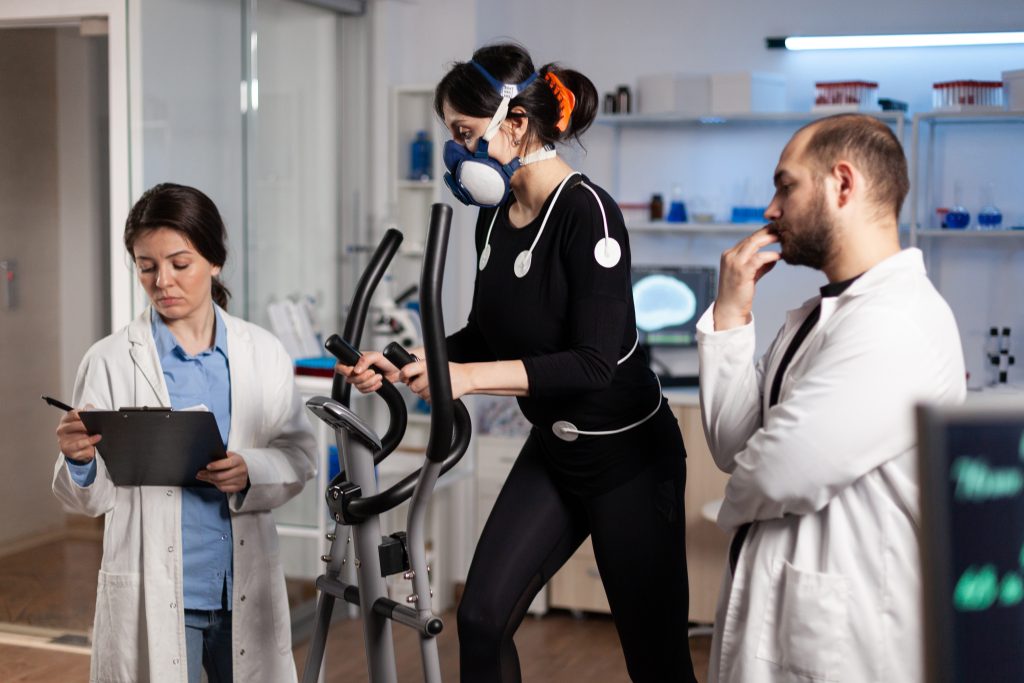
Small changes in how you lift, reach, sleep, work, and exercise may reduce repeated shoulder irritation. Your provider may recommend activity modifications that help protect the joint while keeping you as active as possible.
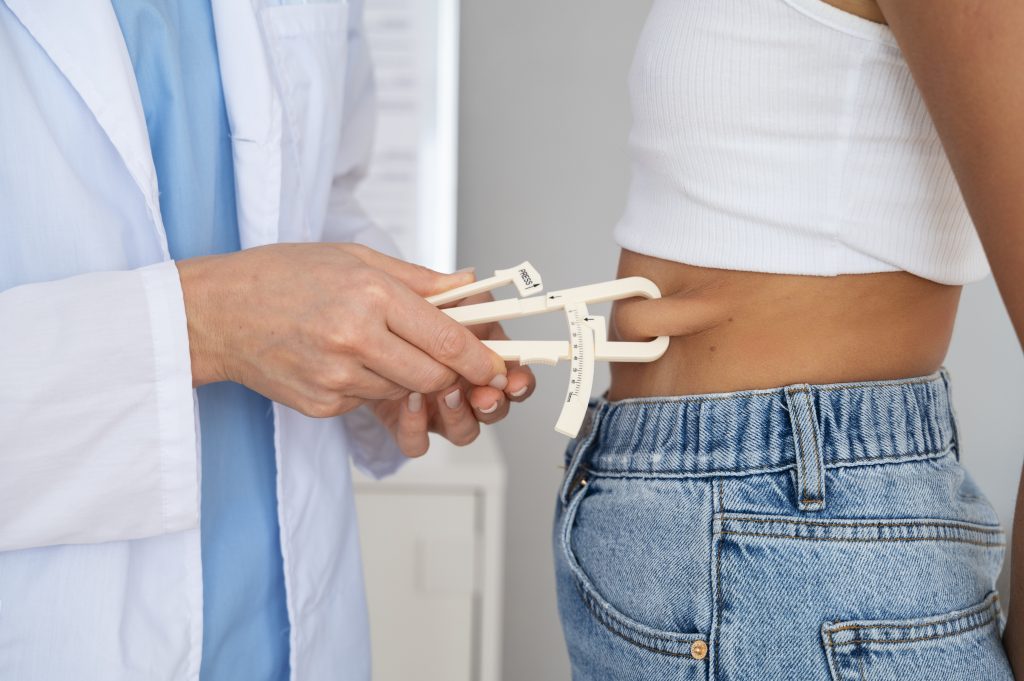
Although the shoulder is not a primary weight-bearing joint like the knee or hip, whole-body inflammation, strength, posture, and activity habits may still affect joint comfort. Lifestyle support may include movement guidance, recovery habits, anti-inflammatory nutrition support, and strategies to reduce flare-ups.
Image-guided injections may be considered when shoulder arthritis causes pain, inflammation, stiffness, or reduced function. When appropriate, image guidance can help place treatment more precisely inside or around the shoulder joint.
| Injection Type | Best For | Main Goal |
|---|---|---|
| Cortisone Injection | Inflammation, arthritis flare-ups, bursitis, or irritated shoulder tissue | May help reduce inflammation and improve short-term comfort |
| PRP Therapy | May help reduce inflammation and improve short-term comfort | Supports the body’s natural healing response |
| Trigger Point Injection | Muscle tightness, localized tenderness, or painful soft tissue irritation | May help reduce muscle-related pain and improve comfort |
The right injection depends on your symptoms, exam findings, medical history, shoulder function, and treatment goals.
For selected patients, regenerative medicine may be considered as part of a non-surgical shoulder arthritis care plan. Platelet-rich plasma therapy, often called PRP therapy, uses a concentrated portion of the patient’s own blood that contains platelets and growth factors.
PRP may be discussed for certain patients with chronic shoulder pain, arthritis-related irritation, tendon irritation, or soft tissue concerns. It is not the right choice for every patient, and results can vary.
Your provider will review your symptoms, health history, shoulder condition, activity level, and goals before recommending whether PRP is appropriate. The goal is not to promise a cure or cartilage regrowth. The goal is to determine whether PRP may support your broader plan for pain relief, improved movement, and long-term shoulder function.


Non-surgical care can help many patients manage shoulder arthritis symptoms, but it is not the right solution for every case. Shoulder replacement or orthopedic referral may be considered when arthritis is advanced, pain is severe, range of motion is significantly limited, or conservative treatment no longer provides enough relief.
Your provider may recommend further imaging or referral if you have major weakness, severe loss of function, suspected fracture, major instability, infection concerns, rapidly worsening symptoms, or pain that does not match a typical arthritis pattern.
At Joint Health Solutions, our goal is to help patients understand their options clearly. If non-surgical care is appropriate, we build a plan around your needs. If a higher level of orthopedic care is needed, we help you understand that next step.
At Joint Health Solutions, our goal is to help patients understand their options clearly. If non-surgical care is appropriate, we build a plan around your needs. If a higher level of orthopedic care is needed, we help you understand that next step.
Care is led by Ariel Curtis, FNP-C, a board-certified family nurse practitioner and joint injection specialist, with Jeffrey Galvin, MD serving as Medical Director. The practice emphasizes evidence-informed, patient-centered care for adults seeking non-surgical joint pain solutions.
Non-Surgical Arthritis Care
Treatment planning focuses on conservative options when appropriate before surgery is considered.
Personalized Treatment Plans
Your care plan is based on your symptoms, shoulder function, lifestyle, medical history, and goals.
Image-Guided Treatment
When recommended, image guidance may help support accurate treatment placement.
Experienced Providers
Your care is guided by a team focused on joint pain, mobility, and non-surgical treatment planning.
Local Access Near Mint Hill
Joint Health Solutions is located at 9350 Benfield Rd, #109, Charlotte, NC 28269, serving patients from Mint Hill, Matthews, Indian Trail, Harrisburg, Charlotte, and nearby communities.
Long-Term Support
We focus not only on short-term comfort but also on movement, strength, function, and sustainable daily habits.
Shoulder arthritis is a condition that affects cartilage, joint surfaces, and surrounding shoulder structures. It may cause pain, stiffness, grinding, limited range of motion, weakness, and difficulty using the arm during daily activities.
Yes. Many patients may benefit from non-surgical shoulder arthritis treatment before considering surgery. Options may include physical therapy guidance, activity modification, image-guided injections, cortisone injections, PRP therapy, and lifestyle support.
Common symptoms include shoulder pain, stiffness, grinding, clicking, weakness, limited range of motion, pain with lifting or reaching, and difficulty sleeping on the affected shoulder.
PRP may be considered for selected patients with chronic shoulder pain, arthritis-related irritation, tendon irritation, or soft tissue concerns. A consultation helps determine whether PRP is appropriate.
Shoulder arthritis involves joint surface and cartilage changes, while rotator cuff pain usually involves tendons and muscles that help move and stabilize the shoulder. Some patients may have both issues at the same time.
Shoulder injections may help some patients manage pain and inflammation. The right injection depends on the cause of pain, arthritis severity, shoulder function, and treatment goals.
Physical therapy guidance may help improve strength, flexibility, posture, range of motion, and movement control. This may reduce strain on the shoulder and support daily function.
You should consider care if shoulder pain lasts more than a few days, keeps returning, affects sleep, limits reaching or lifting, causes weakness, or interferes with work, exercise, or daily activities.
Yes. Joint Health Solutions provides shoulder arthritis treatment for patients from Mint Hill, NC and nearby areas. The clinic is located at 9350 Benfield Rd, #109, Charlotte, NC 28269.
Shoulder arthritis should not keep you from reaching, lifting, sleeping, working, or moving through daily life with confidence. If you are looking for shoulder arthritis treatment in Mint Hill, NC, Joint Health Solutions can help you explore non-surgical options designed around your symptoms, shoulder function, movement goals, and long-term joint health.
Schedule an appointment today or call 704-833-3566 to take the next step toward better shoulder comfort, mobility, and function.