
Shoulder Arthritis Treatment in Rock Hill is designed for patients who want relief from shoulder stiffness, joint discomfort, limited motion, and daily activity challenges without immediately turning to surgery. At Joint Health Solutions, we provide non-surgical joint care options focused on helping patients from Rock Hill, Fort Mill, Tega Cay, York, Indian Land, and nearby South Carolina communities move with greater comfort and confidence.
Shoulder arthritis can make simple tasks difficult, including reaching overhead, getting dressed, lifting objects, sleeping on one side, or staying active. Our clinical team takes a personalized approach to shoulder arthritis care, combining focused evaluation, mobility support, image-guided injection options, regenerative medicine when appropriate, and long-term osteoarthritis management strategies.
Shoulder arthritis occurs when the smooth cartilage that cushions the shoulder joint becomes worn, irritated, or damaged over time. As the cartilage changes, the joint can become stiff, inflamed, and painful during movement.
The shoulder is one of the most mobile joints in the body, which means arthritis can interfere with many everyday motions. Patients often notice difficulty reaching, lifting, pushing, pulling, or rotating the arm.

Shoulder arthritis symptoms can vary depending on the severity of the joint changes, activity level, and overall shoulder health. Common symptoms include:
Shoulder arthritis can develop for several reasons, including age-related cartilage wear, previous shoulder injuries, repetitive strain, joint inflammation, long-term overuse, or years of physically demanding work. Over time, these factors can cause the protective cartilage in the shoulder joint to break down, leading to pain, stiffness, swelling, and reduced range of motion.
For many patients in Rock Hill, shoulder arthritis affects more than just the joint. It can make everyday activities such as reaching into a cabinet, putting on a jacket, driving, carrying groceries, exercising, or completing household tasks more difficult and uncomfortable. Shoulder pain may also interfere with sleep, work responsibilities, and overall independence.
At Joint Health Solutions, our goal is to help patients manage shoulder arthritis symptoms, protect joint function, and explore non-surgical treatment options whenever possible before considering more invasive procedures.

| Type | Description |
|---|---|
| Osteoarthritis | The most common type of shoulder arthritis. It occurs when cartilage gradually wears down, leading to stiffness, aching, and reduced shoulder mobility. |
| Rheumatoid Arthritis | An inflammatory autoimmune condition that can affect the shoulder joint lining and contribute to swelling, stiffness, and joint discomfort. |
| Post-Traumatic Arthritis | Arthritis that develops after a shoulder injury, fracture, dislocation, or previous joint trauma. |
| Rotator Cuff Tear Arthropathy | A condition where long-term rotator cuff damage contributes to shoulder joint changes, weakness, and reduced function. |

The glenohumeral joint is the main ball-and-socket joint of the shoulder. Arthritis in this area can create deep joint pain, stiffness, and difficulty with arm movement.

The acromioclavicular joint, or AC joint, sits where the collarbone meets the top of the shoulder. Arthritis in this area often causes pain at the top of the shoulder, especially with reaching or lifting.

The rotator cuff helps stabilize and move the shoulder. When arthritis affects joint mechanics, the rotator cuff can become irritated or overworked, contributing to weakness and limited motion.
| Type | Details |
|---|---|
| Glenohumeral Arthritis | Affects the main shoulder joint and can cause deep aching, stiffness, and reduced range of motion. |
| AC Joint Arthritis | Affects the top of the shoulder and can cause discomfort with reaching across the body or lifting overhead. |
| Inflammatory Arthritis | Related to inflammatory joint conditions that can affect joint lining, swelling, and stiffness. |
| Post-Injury Arthritis | Develops after trauma, repetitive strain, or previous shoulder injury. |
| Advanced Degenerative Arthritis | Involves more significant cartilage wear and joint changes that can limit daily function. |
A personalized evaluation helps determine which non-surgical care options are most appropriate for each patient. At Joint Health Solutions, shoulder arthritis care begins with a careful review of symptoms, function, and treatment goals.

Your provider will review your shoulder symptoms, previous injuries, activity level, lifestyle demands, and prior treatments. This helps identify what is contributing to your discomfort and how shoulder arthritis is affecting your daily routine.

A focused shoulder exam helps assess range of motion, tenderness, strength, joint mechanics, and functional limitations. Your provider will evaluate how your shoulder moves and which motions reproduce symptoms.

When available, imaging results can help your provider understand the level of arthritis, joint space changes, inflammation, or structural concerns. This information supports treatment planning and helps determine whether injections, therapy guidance, or regenerative options are appropriate.
At Joint Health Solutions, care is led by experienced medical professionals, including Dr. Jeffrey Galvin and Ariel Curtis, FNP-C.
Joint Health Solutions offers non-surgical shoulder arthritis treatment options for Rock Hill patients who want to improve comfort, preserve mobility, and delay or avoid surgery when clinically appropriate. Treatment plans are customized based on symptoms, function, arthritis severity, and patient goals.

Physical therapy guidance is often recommended to support shoulder mobility, improve strength, and reduce stress on the affected joint. A structured shoulder program can help improve mechanics, flexibility, and function.
Physical therapy support can include:
The goal is to help the shoulder move more efficiently while reducing unnecessary strain on the arthritic joint.

Activity modification helps patients reduce shoulder irritation while staying active. Small changes in movement patterns, lifting habits, posture, and daily routines can make a meaningful difference.
Joint protection strategies can include:
These strategies support long-term shoulder function and help patients stay involved in the activities that matter most.
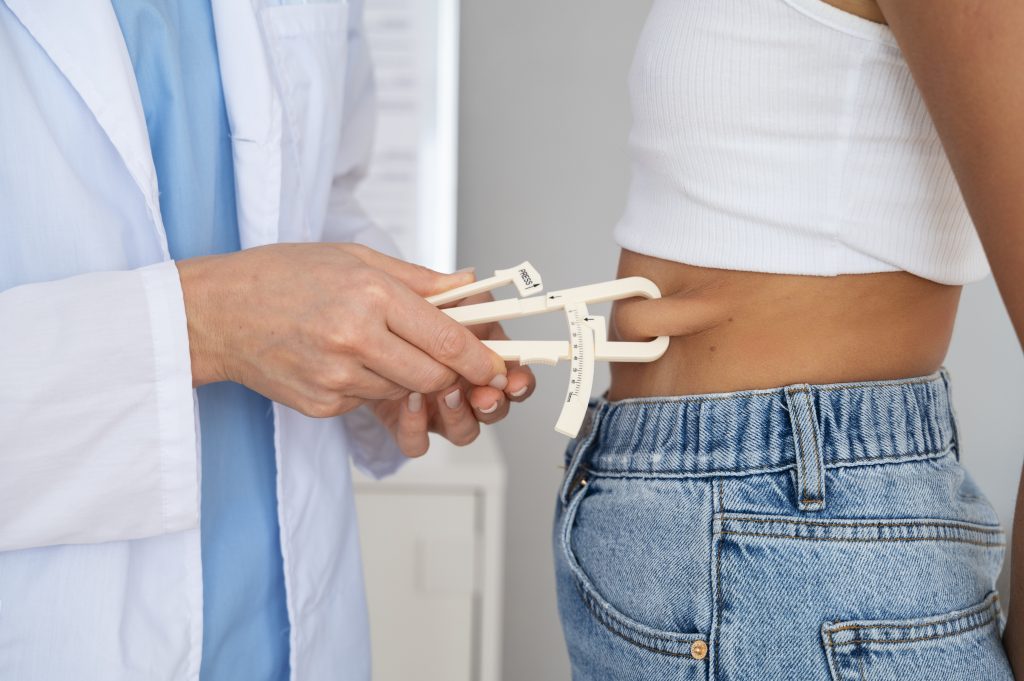
Healthy lifestyle habits can support overall joint health and inflammation control. While shoulder arthritis is not caused by weight alone, whole-body health plays an important role in mobility, recovery, and inflammation response.
Lifestyle support can include:
At Joint Health Solutions, we focus on practical steps that fit each patient’s daily life.
Image-guided injections can help deliver medication or biologic support more precisely into the targeted shoulder area. For selected patients, injections can support reduced inflammation, improved comfort, and better participation in daily movement or therapy.
| Injection Type | Purpose | Potential Benefitr | Typical Use |
|---|---|---|---|
| Cortisone Injection | Helps reduce inflammation inside or around the shoulder joint | Supports short-term relief during arthritis flare-ups | Often used for painful inflammation and stiffness |
| PRP Therapy | Uses a concentration of the patient’s own platelets to support healing response | Supports tissue recovery and joint function in selected patients | Often considered for patients seeking regenerative medicine options |
| Hyaluronic Acid Injection | Helps improve joint lubrication and cushioning | Supports smoother joint movement and comfort | Considered when clinically appropriate for shoulder joint symptoms |
| Toradol IM Injection | Non-opioid anti-inflammatory injection used for short-term acute flare support | Helps reduce temporary inflammation-related discomfort | Used when appropriate for short-term pain flare support |

Platelet-rich plasma, or PRP therapy, is a regenerative medicine option that uses a concentrated sample of the patient’s own platelets. These platelets contain growth factors that support the body’s natural healing response.
For shoulder arthritis, PRP therapy is often considered for selected patients who want a non-surgical option that supports joint function, soft tissue health, and inflammation control. PRP does not guarantee cartilage regrowth or a cure for arthritis, but it can be part of a personalized shoulder arthritis treatment plan when clinically appropriate.
Your provider will discuss whether PRP therapy is a good fit based on your shoulder symptoms, arthritis severity, and treatment goals.


While many patients benefit from non-surgical shoulder arthritis care, some cases involve advanced joint damage that does not respond well to conservative treatment. In those situations, shoulder replacement surgery can be considered with an orthopedic surgeon.
Joint Health Solutions focuses on helping patients explore non-surgical options first. When surgical care appears necessary, patients can be guided toward the right orthopedic pathway.

Non-surgical care is designed to help reduce inflammation, stiffness, and shoulder discomfort so patients can move with greater ease.
Treatment can support better range of motion, helping patients reach, lift, dress, drive, and perform daily tasks more comfortably.
A personalized plan can help improve shoulder mechanics, strength, and confidence during daily activities.
When injections are recommended, image-guided techniques help target the affected area more precisely.
Care is based on each patient’s symptoms, goals, function, and arthritis severity rather than a one-size-fits-all approach.
Joint Health Solutions focuses on non-surgical care options that support comfort, mobility, and long-term joint health.
Non-Surgical Expertise
Joint Health Solutions focuses on non-surgical joint care and osteoarthritis management for patients seeking alternatives before surgery.
Provider-Directed Care
Care is provided by an experienced clinical team, including Dr. Jeffrey Galvin and Ariel Curtis, FNP-C.
Personalized Treatment Plans
Each plan is based on your symptoms, shoulder function, medical history, lifestyle needs, and goals.
Advanced Injection Options
When appropriate, treatment can include cortisone injections, PRP therapy, hyaluronic acid injections, or Toradol IM injection support.
Convenient Access for Rock Hill Patients
Although the clinic is located at 9350 Benfield Rd, #109, Charlotte, NC 28269, it is accessible for patients traveling from Rock Hill, Fort Mill, Tega Cay, York, Indian Land, and surrounding areas.
Long-Term Mobility Focus
The goal is not only short-term symptom support but also better movement, improved function, and long-term joint health planning.
The most common cause is gradual cartilage wear over time, known as osteoarthritis. Previous shoulder injury, repetitive strain, joint inflammation, and age-related changes can also contribute to shoulder arthritis.
Yes. Many patients manage shoulder arthritis with non-surgical care such as physical therapy guidance, activity modification, image-guided injections, PRP therapy when appropriate, and lifestyle support. The best plan depends on your symptoms, function, and arthritis severity.
Joint Health Solutions offers several injection options when clinically appropriate, including cortisone injections, PRP therapy, hyaluronic acid injections, and Toradol IM injection support for short-term acute flare discomfort.
PRP therapy is used for selected patients as a regenerative medicine option. It supports the body’s natural healing response and can help with shoulder function, inflammation response, and mobility. Your provider will determine whether PRP is appropriate for your condition.
Common signs include deep aching, stiffness, reduced range of motion, grinding or clicking, discomfort with overhead motion, and difficulty sleeping on the affected shoulder. A clinical evaluation helps determine whether arthritis is contributing to your symptoms.
Shoulder arthritis can progress over time, especially when joint wear, inflammation, or repetitive strain continues. Early management can support mobility, reduce irritation, and help patients stay active longer.
Shoulder replacement is usually considered when arthritis is advanced, daily function is severely limited, and non-surgical care no longer provides enough relief. Joint Health Solutions helps patients explore non-surgical options first and guides next steps when surgical care is needed.
Yes. Joint Health Solutions works with patients from Rock Hill, Fort Mill, Tega Cay, York, Indian Land, and surrounding areas who are looking for non-surgical shoulder arthritis treatment options.
Improvement time depends on the treatment used, arthritis severity, and individual response. Some patients notice improvement after reducing inflammation, while others benefit gradually through therapy, injections, and lifestyle changes.
Call Joint Health Solutions at 704-833-3566 to schedule a consultation and discuss your shoulder arthritis symptoms, treatment goals, and non-surgical care options.
Shoulder arthritis does not have to control your daily routine. If shoulder stiffness, aching, or limited motion is affecting your life, Joint Health Solutions offers personalized non-surgical shoulder arthritis treatment for Rock Hill, SC patients.
Our team provides focused evaluation, shoulder mobility support, image-guided injections, regenerative medicine options, and long-term osteoarthritis management strategies designed around your goals.