
Chronic muscle pain, tight knots, and tension can interfere with everything from daily activities to sleep and exercise. Often, these symptoms stem from myofascial trigger points—hyperirritable spots within tight bands of muscle that refer pain to other areas. Trigger point injections offer a quick, effective, and minimally invasive solution to deactivate these painful knots and restore normal muscle function.
Trigger points can make muscles feel tight, sore, irritated, or difficult to relax. They can interfere with posture, daily movement, exercise, work tasks, sleep comfort, and participation in physical therapy. Our clinical team focuses on non-surgical muscle and joint care using personalized evaluation, trigger point injections, mobility support, physical therapy guidance, and long-term functional planning when clinically appropriate.
Care is led by experienced medical professionals, including Dr. Jeffrey Galvin and Ariel Curtis, FNP-C.

Trigger points are tight, sensitive areas in muscle tissue that can feel like knots or firm bands. They may hurt when pressed and can make nearby muscles feel tense, stiff, or overworked.
They can develop from repetitive movement, muscle overuse, poor posture, stress-related tension, previous strain, or reduced mobility. When they continue, they may limit movement and make daily activities harder.
At Joint Health Solutions, the goal is to identify the irritated muscle area and create a plan that supports better movement, comfort, and long-term function.
Trigger point injections are non-surgical treatments used to help relax irritated muscle knots and reduce myofascial pain. During the procedure, a provider places a small injection directly into the trigger point or tight muscle band.
The injection can include a local anesthetic, saline, or medication based on the provider’s recommendation and patient-specific needs. The goal is to help calm the irritated area, reduce muscle tension, and support improved movement.
Trigger point injections can be helpful when muscle knots do not respond enough to stretching, massage, rest, physical therapy guidance, or activity modification alone.


Trigger point injections work by targeting the tight or irritated muscle area that is contributing to discomfort. The injection helps interrupt the cycle of muscle tension, tenderness, and guarding.
Trigger point injections are not a cure for every type of muscle pain, but they can be part of a personalized care plan when clinically appropriate.
Trigger point injections can be used as part of a non-surgical care plan for selected muscle-related concerns. At Joint Health Solutions, treatment is customized based on the patient’s symptoms, functional limitations, and provider evaluation.
Myofascial pain syndrome
Tight muscle knots
Muscle tenderness
Muscle tension after overuse
Activity-related muscle pain

Shoulder-area muscle tightness
Postural muscle strain
Muscle guarding after joint irritation
Reduced mobility from muscle tightness
Muscle pain that limits therapy participation
At Joint Health Solutions, the trigger point injection process is designed to be clear, comfortable, and provider-led. Your provider will explain the treatment, answer your questions, and guide you through each step.
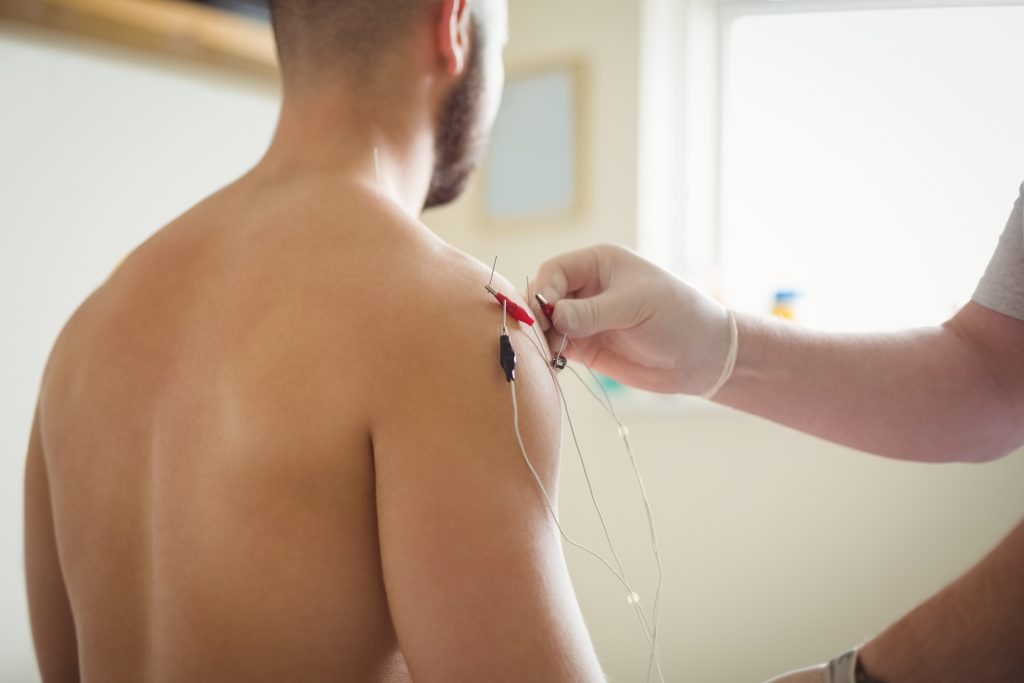
Your visit begins with a review of your symptoms, medical history, prior treatments, activity level, and goals. Your provider evaluates how muscle pain, tightness, and stiffness are affecting movement and daily function.
The treatment area is cleaned and prepared. Your provider identifies the trigger point and explains what you can expect during the injection.
The provider places the injection into the targeted trigger point using careful technique. You can feel brief pressure, pinching, or muscle twitching during the procedure.
After treatment, your provider gives instructions for activity, stretching, hydration, movement, and follow-up. Some patients are advised to use gentle movement and avoid strenuous activity briefly.

Trigger point injections can help reduce muscle irritation and tenderness for selected patients.

Treatment is designed to help calm tight muscle bands and reduce tension in the affected area.

When muscle knots relax, patients can often move more freely and comfortably.

Trigger point injections can help reduce protective muscle tightening that limits movement.
Reducing trigger point irritation can help patients participate more comfortably in stretching, strengthening, and mobility work.

Trigger point injections offer a conservative option for patients who want non-surgical care for muscle-related discomfort.

Trigger point injections are generally well tolerated for many patients, but every injection has potential risks, limitations, and response differences. Your provider will review your medical history and discuss whether this treatment is appropriate for you.
Results vary depending on the muscle involved, symptom severity, activity level, posture habits, treatment plan, and individual response.

Short-Term Relief
Some patients notice improvement soon after treatment, especially when muscle tension is a major contributor to discomfort.

Ongoing Support
For patients with recurring trigger points, results can last longer when injections are combined with stretching, strengthening, posture support, and activity modification.

Treatment Planning
Your provider will discuss realistic expectations and whether one injection, a planned series, or follow-up care is appropriate.
Trigger point injections work best when the underlying cause of muscle tension is also addressed.
Trigger point injections and dry needling both target tight muscle points, but they are not the same treatment.
| Feature | Trigger Point Injections | Dry Needling |
|---|---|---|
| Main Purpose | Helps reduce trigger point irritation with an injected solution or medication | Uses a thin needle to stimulate the trigger point without injecting medication |
| Treatment Type | Medical injection procedure | Needling technique often used in therapy settings |
| Provider Approach | Performed by a qualified medical provider | Performed by trained professionals depending on state rules and clinical setting |
| Best Fit | Selected patients with persistent muscle knots and myofascial pain | Selected patients needing muscle release and movement support |
| Care Plan | Often combined with therapy guidance and mobility support | Often combined with stretching and rehabilitation |
Your provider can help determine which approach is most appropriate based on your symptoms, medical history, and goals.
Trigger point injections can help calm irritated muscle areas, but long-term improvement often depends on restoring movement patterns, strength, flexibility, and posture habits.
At Joint Health Solutions, trigger point injections can be part of a broader plan designed to help patients move better and reduce recurring muscle tension.

Provider-Led Care
Treatment is guided by experienced medical professionals who review your symptoms, medical history, movement limitations, and treatment goals.
Personalized Treatment Plans
Each plan is based on the location of muscle tension, symptom severity, daily activity demands, and response to prior care.
Non-Surgical Muscle and Joint Care
Joint Health Solutions focuses on conservative care options that support movement, comfort, and function.
Physical Therapy Support
Trigger point injections can be combined with therapy guidance, stretching, strengthening, and mobility planning for longer-term results.
Comprehensive Care Options
Your provider can discuss trigger point injections alongside non-surgical joint care, osteoarthritis management, PRP therapy, cortisone injections, hyaluronic acid injections for knee osteoarthritis, Toradol IM injection support, and lifestyle strategies when appropriate.
Convenient Access for Concord Patients
The clinic is located at 9350 Benfield Rd, #109, Charlotte, NC 28269 and serves patients traveling from Concord, Kannapolis, Harrisburg, Midland, Mount Pleasant, and nearby communities.
Most patients tolerate trigger point injections well. You can feel brief pressure, pinching, or a muscle twitch during the injection. Temporary soreness after treatment can happen.
Some patients feel improvement soon after treatment, while others notice gradual improvement over the next several days. Response depends on the trigger point, symptom severity, and overall care plan.
Results vary by patient. Some patients experience short-term improvement, while others have longer support when injections are combined with stretching, strengthening, posture support, and activity modification.
Coverage depends on your insurance plan, diagnosis, medical necessity, and treatment details. The Joint Health Solutions team can help you understand next steps and available options.
Yes. Trigger point injections are designed to target tight muscle knots that contribute to tenderness, stiffness, and restricted movement.
Trigger point injections place a solution or medication into the trigger point. Dry needling uses a thin needle to stimulate the muscle without injecting medication.
The number of injections depends on your symptoms, affected muscle area, response to treatment, and provider recommendation. Some patients need one session, while others benefit from follow-up care.
Trigger point injections are generally well tolerated for many patients, but they are not right for everyone. Your provider will review your medical history before recommending treatment.
Many patients return to light activity soon after treatment. Your provider can recommend gentle movement and advise whether to avoid strenuous activity for a short period.
Yes. Joint Health Solutions provides trigger point injection care for patients from Concord, Kannapolis, Harrisburg, Midland, Mount Pleasant, and surrounding communities.
Muscle knots, tightness, and myofascial pain can limit how you move, work, exercise, and rest. Joint Health Solutions offers personalized Trigger Point Injections in Concord, NC for patients seeking non-surgical support for muscle pain and mobility limitations.
Our team provides provider-led evaluation, trigger point injections, physical therapy guidance, mobility support, and long-term care planning designed around your goals.