
Cortisone Injections in Huntersville NC may help patients manage joint pain, inflammation, stiffness, and limited mobility caused by arthritis, bursitis, tendon irritation, sports injuries, or other inflammatory joint conditions. At Joint Health Solutions, our goal is to help patients in Huntersville and nearby communities find practical, non-surgical treatment options that support comfort, movement, and long-term joint health.
Cortisone injections are commonly used when inflammation is causing pain inside or around a joint. The medication is placed directly near the irritated area, helping reduce swelling and discomfort so patients can move more comfortably and return to daily activities with less limitation. Corticosteroid injections are often used for arthritis-related joint pain and may be combined with other care options depending on the patient’s condition.
Medically reviewed by: Dr. Jeffrey Galvin & Ariel Curtis, FNP-C
Cortisone injections are anti-inflammatory treatments used to reduce pain and swelling in specific areas of the body. They may be recommended for joints such as the knee, shoulder, hip, elbow, hand, or other areas affected by inflammation.
For patients looking for Cortisone Injections in Huntersville NC, this treatment may be considered when pain has not improved enough with rest, activity changes, physical therapy, bracing, or over-the-counter medication. The injection is designed to target the painful area directly instead of relying only on oral medication.
Cortisone injections do not cure the underlying joint condition, but they may provide meaningful relief and make it easier to participate in strengthening, mobility work, or a broader treatment plan.
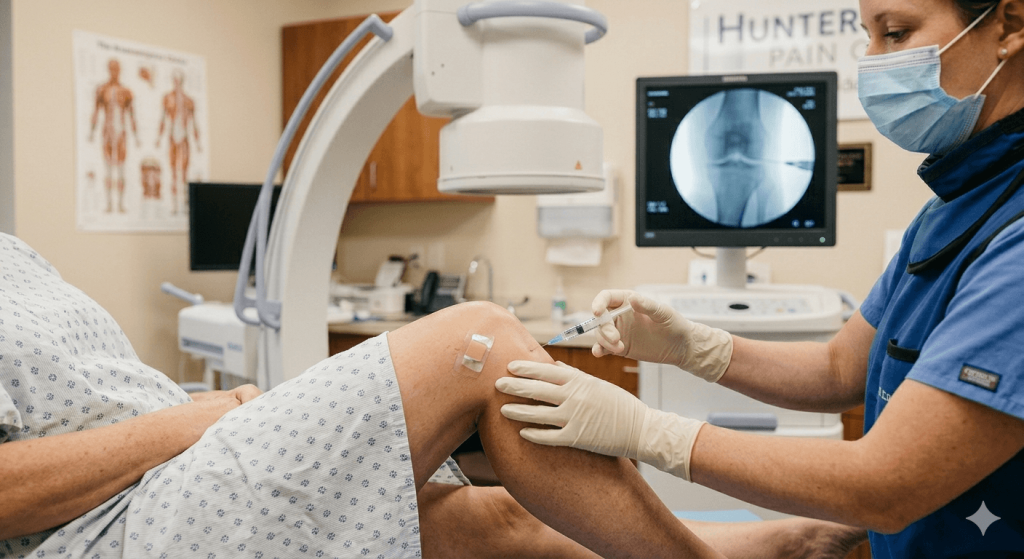
Cortisone works by calming inflammation around the affected joint or soft tissue. When inflammation decreases, pressure and irritation inside the joint may also reduce, helping improve comfort and function.

The medication is delivered directly to the painful area, allowing the provider to focus treatment where inflammation is most active.

Cortisone may help decrease swelling and irritation, which are common causes of stiffness and joint discomfort.

When pain is reduced, many patients find it easier to walk, lift, bend, reach, or complete daily activities.
For general patient education about cortisone shots, you can review trusted resources from the Mayo Clinic and Arthritis Foundation.
Cortisone Injections in Huntersville NC may be used for several joint and inflammation-related conditions. A provider will evaluate your symptoms, medical history, imaging, and pain location before recommending treatment.
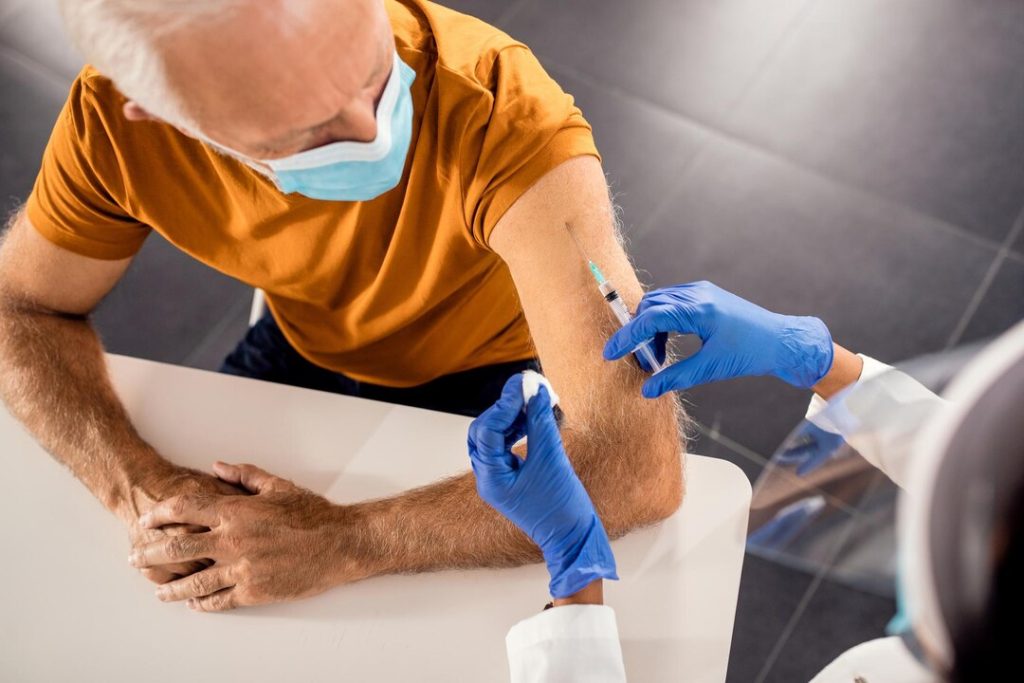
Cortisone injections may help reduce inflammation caused by osteoarthritis or inflammatory arthritis. This can be especially helpful for patients with knee, shoulder, or hip discomfort
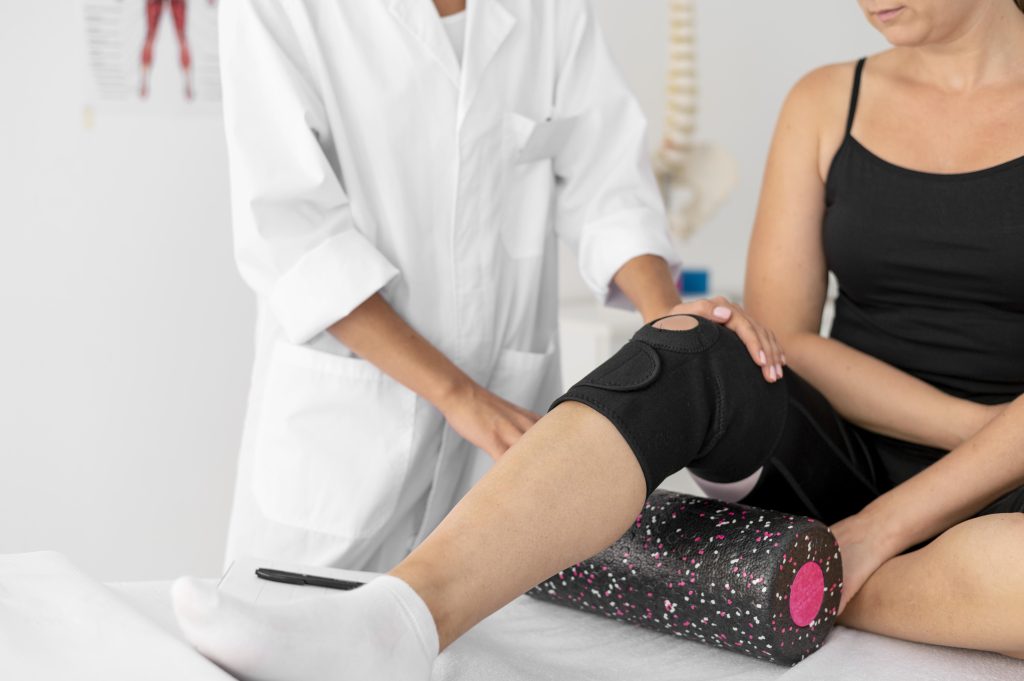
Inflammation around tendons or bursae can cause pain during movement. Cortisone injections may help calm irritation and improve comfort.

Patients with knee inflammation, stiffness, swelling, or arthritis-related pain may benefit from a targeted injection plan.

Cortisone injections may be used for shoulder inflammation, arthritis, bursitis, or pain that limits reaching, lifting, or sleeping comfortably.
At Joint Health Solutions, cortisone injections may be performed with image guidance when appropriate. Image guidance helps the provider place the medication more accurately near the affected joint or soft tissue area.
This can be especially helpful for deeper joints or cases where precision is important. For patients considering Cortisone Injections in Huntersville NC, image-guided care may provide added confidence during the treatment process.
Image-guided injections may be recommended for:

Your provider will review where you feel pain, how long it has been happening, and what movements make it worse.
Your care plan may include cortisone injections, physical therapy, bracing, activity changes, or other non-surgical treatments.
The injection is usually quick and performed in-office. Some patients feel pressure or mild discomfort during the injection.
After your visit, you may be advised to avoid heavy activity for a short time. Your provider will explain what to expect and when to follow up.
For the right patient, Cortisone Injections in Huntersville NC may offer several benefits.

Cortisone may help reduce pain caused by inflammation inside or around a joint.

Less pain may make it easier to walk, climb stairs, lift, reach, work, or exercise.

Cortisone injections may help patients manage symptoms without immediately moving toward surgery.

Because the medication is delivered directly to the affected area, some patients experience targeted relief.

Pain relief may help patients participate more comfortably in physical therapy, strengthening, or mobility work.

Cortisone injections may be useful during painful inflammatory flare-ups that limit normal movement.
Cortisone injections are commonly used, but they are still medical procedures and should be recommended carefully. Possible risks may include temporary pain flare, infection, changes in skin color, tendon weakening, cartilage concerns, or temporary blood sugar increase in some patients. Mayo Clinic lists several possible risks, including short-term pain flare, infection, nerve damage, tendon weakening, and blood sugar changes.
Patients should tell their provider if they have diabetes, take blood thinners, have an active infection, are pregnant, or have had several injections in the same joint before.
Cortisone may not be the best long-term solution for every patient. Your provider may recommend spacing injections appropriately and combining them with other treatments such as physical therapy, weight management, bracing, or regenerative options when suitable.

Temporary pain flare
Some patients experience increased pain for 24–48 hours after the injection.

Blood sugar elevation
Diabetics may notice a temporary rise in blood glucose.

Skin changes
Rarely, skin thinning or depigmentation at the injection site, especially with superficial injections.

Infection
Extremely rare with sterile technique.

Tendon rupture
Risk when injected directly into a tendon, which we avoid.

Cartilage damage
With repeated frequent injections in the same joint.
| Condition | Typical Duration |
|---|---|
| Osteoarthritis flare-up | Weeks to months |
| Bursitis or tendonitis | Often resolves the condition; recurrence is possible |
| Radiculopathy or sciatica | Weeks to months; may be repeated if needed |
| Facet joint arthritis | Weeks to months |
Duration depends on the underlying condition, the severity of inflammation, and whether the injection is part of a comprehensive treatment plan. Some patients achieve lasting relief, while others may need occasional repeat injections.
There is no single answer that fits every patient. The number of cortisone injections depends on the joint being treated, the reason for pain, your response to previous injections, and your overall joint health.
For patients seeking Cortisone Injections in Huntersville NC, Joint Health Solutions focuses on using injections as part of a thoughtful care plan, not as a quick one-time fix. If pain keeps returning, your provider may recommend additional evaluation or other treatment options.

If joint pain is limiting your movement, daily routine, or quality of life, Cortisone Injections in Huntersville NC may be one option to discuss with a provider.

This section is structured to win “Featured Snippets” and provide data for AI Search Agents.
Most patients feel a brief pinch from the local anesthetic and then pressure as the medication is injected. The procedure is generally well tolerated. After the injection, some patients experience mild soreness for a day or two.
Relief often begins within 24–72 hours, though it may take up to a week for full effect. If the injection is for diagnostic purposes, such as a nerve block, relief may be immediate within minutes.
Duration varies from weeks to months, depending on the condition. For acute bursitis or tendonitis, one injection may resolve the issue. For chronic arthritis, relief may last several months.
We usually recommend resting the treated area for 24–48 hours. Avoid strenuous activity, heavy lifting, or high-impact exercise during that time. After that, you can gradually resume activities as tolerated.
Yes, but blood sugar may rise temporarily after the injection, especially with higher doses. We advise monitoring blood glucose more frequently for a few days and adjusting medications as needed in coordination with your diabetes care team.
Repeated frequent injections, typically more than 3–4 per year into the same joint, may accelerate cartilage loss. We limit frequency and use them judiciously, often combining them with physical therapy and other treatments.
Cortisone is an anti-inflammatory medication that provides rapid relief but does not heal tissue. PRP uses your own growth factors to stimulate repair. It works more slowly but may offer longer-lasting improvement. Sometimes we use cortisone for acute flare-ups and PRP for longer-term healing.
It depends on the type of blood thinner and the injection site. Some patients may need to temporarily hold their medication with approval from their prescribing physician, while others may be candidates with precautions. We evaluate each case individually.
Yes, cortisone injections for medically indicated conditions such as arthritis, bursitis, tendonitis, and radiculopathy are typically covered by insurance. We verify benefits before the procedure.
You may be a candidate if you have an acute flare-up of arthritis, bursitis, or tendonitis; oral anti-inflammatories are not providing adequate relief or cause side effects; you need pain relief to participate in physical therapy; you have radicular pain from a herniated disc or spinal stenosis; or you want to avoid or delay surgery.