

Hot Water Therapy for Joint Inflammation: Natural Pain Relief in Charlotte
If you’re one of the millions of adults in Charlotte, North Carolina, waking up with stiff, achy joints, you know how frustrating joint inflammation can be. The swelling, the warmth, the limited range of motion—it can turn simple tasks like climbing stairs or opening a jar into painful challenges. While over-the-counter pain relievers and prescription medications offer temporary relief, many people are seeking natural, non-invasive approaches to manage their symptoms. One such approach that has stood the test of time is hot water therapy for joint inflammation. This gentle yet effective method uses the therapeutic properties of warm water to soothe sore joints, improve circulation, and promote relaxation. In this comprehensive guide, we’ll explore how hot water therapy works, the scientific evidence behind it, and how you can safely incorporate it into your daily routine. We’ll also discuss when it’s time to seek professional help from a trusted provider like Joint Health Solutions in Charlotte, where a range of non-surgical treatments can complement your natural pain relief efforts.
Hot Water Therapy For Joint Inflammation: Understanding Joint Inflammation and Its Impact
Joint inflammation, or arthritis, is a common condition that affects millions of Americans. It occurs when the tissues surrounding a joint become swollen, tender, and painful. The most common types are osteoarthritis, which results from wear and tear on cartilage, and rheumatoid arthritis, an autoimmune disorder that attacks the joint lining. Inflammation is the body’s natural response to injury or irritation, but when it becomes chronic, it can lead to joint damage, stiffness, and reduced mobility. In Charlotte, where an active lifestyle is common—think hiking the Uwharrie Trail or playing tennis at local clubs—joint inflammation can significantly impact quality of life. Many residents are turning to natural remedies like hot water therapy for joint inflammation to manage their symptoms without relying solely on medications or invasive procedures.
How Hot Water Therapy Works for Joint Pain
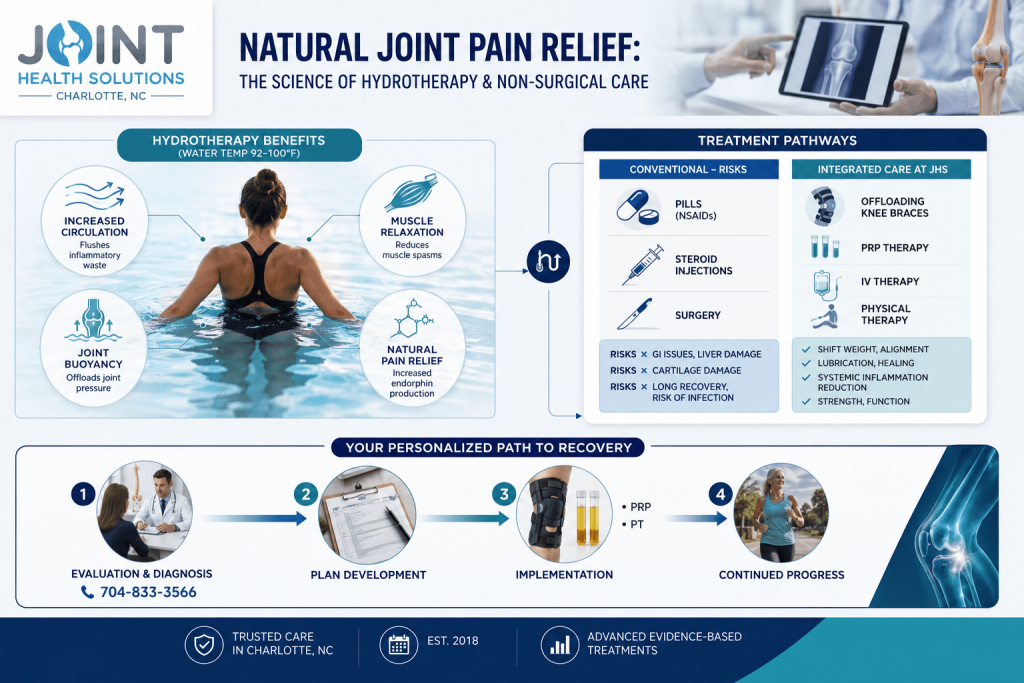
Hot water therapy, also known as hydrotherapy or thermotherapy, involves immersing the body or affected joints in warm water to relieve pain and stiffness. The heat from the water causes blood vessels to dilate, increasing blood flow to the area. This enhanced circulation delivers oxygen and nutrients to damaged tissues while flushing away inflammatory waste products. The warmth also relaxes muscles and reduces muscle spasms, which often accompany joint pain. Additionally, the buoyancy of water supports the joints, reducing pressure and allowing for easier movement. For individuals with arthritis, a warm bath or soak can provide immediate relief from morning stiffness and help prepare the joints for exercise or daily activities. Hot water therapy for joint inflammation is particularly appealing because it is drug-free, low-risk, and can be done in the comfort of your own home.
Scientific Evidence Supporting Hydrotherapy
While hot water therapy has been used for centuries, modern research supports its benefits for joint inflammation. A 2014 study published in the Journal of Rheumatology found that patients with knee osteoarthritis who participated in a hydrotherapy program experienced significant reductions in pain and improvements in function compared to a control group. Another study in Clinical Rehabilitation reported that warm water immersion improved joint mobility and reduced stiffness in individuals with rheumatoid arthritis. The heat therapy is thought to modulate pain signals and reduce inflammation by increasing the production of endorphins, the body’s natural painkillers. It’s important to note that while hot water therapy can be highly effective, it should not replace medical treatment for underlying conditions. Instead, it can serve as a complementary strategy to enhance overall joint health.
Best Practices for Hot Water Therapy at Home
To get the most out of hot water therapy for joint inflammation, follow these guidelines:
- Temperature: Use warm water between 92°F and 100°F (33°C to 38°C). Avoid hot water that could burn the skin, especially if you have reduced sensation.
- Duration: Soak for 15 to 20 minutes. Longer sessions may lead to dehydration or overheating.
- Frequency: Once or twice daily, as needed. Consistency is key for managing chronic symptoms.
- Safety: If you have heart disease, high blood pressure, or are pregnant, consult your doctor before using hot water therapy. Avoid if you have open wounds or skin infections.
- Aftercare: Gently dry off and apply a moisturizer to prevent skin dryness. Consider gentle stretching after soaking to maintain flexibility.
You can use a bathtub, a hot tub, or even a basin for specific joints like hands or feet. Adding Epsom salts may enhance muscle relaxation, but always check with your healthcare provider first.
Combining Hot Water Therapy with Other Non-Surgical Treatments
Hot water therapy works best as part of a comprehensive approach to joint health. At Joint Health Solutions in Charlotte, we offer a variety of non-surgical treatments that can be used alongside hydrotherapy to maximize relief. For example, physical therapy can strengthen the muscles around your joints, providing better support. Offloading knee braces can reduce pressure on arthritic knees, making movement less painful. An anti-inflammatory nutrition plan can help reduce systemic inflammation. Some patients also benefit from joint injections like hyaluronic acid or PRP therapy to lubricate joints and promote healing. Our team can help you design a personalized plan that incorporates hot water therapy and other modalities to address your specific needs.
When to Seek Professional Help for Joint Inflammation
While hot water therapy can provide significant relief, it’s not a cure for underlying joint conditions. If you experience severe pain, swelling that doesn’t improve, joint deformity, or difficulty performing daily activities, it’s time to consult a specialist. At Joint Health Solutions, we focus on non-surgical treatments for joint pain, including advanced therapies like fluoroscopy-guided injections, PRP, and IV therapy. Our experienced providers will evaluate your condition and recommend the most appropriate options. Call us at 704-833-3566 to schedule a consultation. Our practice is dedicated to helping you regain mobility and live pain-free without surgery.
The Problem with Conventional Treatments (Pills, Steroids, Surgery)
| Treatment | How It Works | Limitations | Risks |
|---|---|---|---|
| Pills (NSAIDs, acetaminophen) | Reduce pain and inflammation | Short-term relief; may cause GI issues, kidney problems | Stomach ulcers, liver damage, drug interactions |
| Steroid Injections | Powerful anti-inflammatory effect | Temporary relief; can damage cartilage with repeated use | Joint infection, tendon rupture, bone death |
| Surgery (joint replacement) | Removes damaged joint and replaces with artificial implant | Long recovery, risk of complications, not suitable for all | Infection, blood clots, implant failure, nerve damage |
| Non-Surgical Personalized Care | Combines therapies like hydrotherapy, PT, braces, injections | Requires commitment; results vary | Minimal risks when supervised by professionals |
How Joint Health Solutions Treats Joint Inflammation Without Surgery
At Joint Health Solutions, we offer a range of non-surgical treatments tailored to your condition. Our approach includes:
Offloading Knee Braces
These braces shift weight away from the damaged part of the knee, reducing pain and improving alignment.
Physical Therapy
Targeted exercises strengthen supporting muscles, improve flexibility, and enhance joint function.
Nutrition Plan
An anti-inflammatory diet rich in omega-3s, antioxidants, and whole foods can help reduce systemic inflammation.
Offloading Knee Braces
Custom-fitted braces that relieve pressure on arthritic knees. Worn during activity for optimal support.
Physical Therapy
One-on-one sessions with licensed therapists focusing on strengthening, range of motion, and pain reduction.
Nutrition Plan
Personalized dietary guidance to reduce inflammation and support joint health. Includes meal plans and supplements.
The Science Behind Our Approach (Evidence Summary)
Research supports the effectiveness of non-surgical treatments for joint inflammation. A 2020 review in Osteoarthritis and Cartilage found that physical therapy and bracing can improve function and delay surgery. PRP therapy has shown promise in reducing pain and improving joint function in multiple studies. Hot water therapy, as discussed, has evidence for symptom relief. Combining these modalities addresses pain from multiple angles.
What to Expect During Your First Visit to Joint Health Solutions
Your first appointment will include a comprehensive evaluation: medical history review, physical exam, and possibly imaging. We’ll discuss your goals and develop a personalized treatment plan. You’ll leave with a clear understanding of your options and next steps.
Real Patient Success Stories
These are hypothetical examples based on common outcomes. A 65-year-old woman with knee osteoarthritis found relief through a combination of hot water therapy, physical therapy, and an offloading brace. She now walks without pain. A 50-year-old man with shoulder arthritis improved after PRP injections and a home hydrotherapy routine. Results vary, but many patients experience significant improvement.
Why Joint Health Solutions – 5 Years of Experience in Charlotte, North Carolina
With over 5 years of serving the Charlotte community, Joint Health Solutions is a trusted provider of non-surgical joint care. Our team of board-certified providers uses the latest evidence-based treatments to help you avoid surgery. We prioritize patient education and personalized care.
Call to Action – Book Your Consultation
Ready to explore advanced non-surgical joint relief? Schedule a consultation with Joint Health Solutions today. Call 704-833-3566 or visit our website to book your appointment. Take the first step toward a pain-free life.
Hot Water Therapy Safety Checklist
- Check water temperature with a thermometer (92-100°F)
- Limit soak time to 15-20 minutes
- Stay hydrated before and after
- Avoid if you have open wounds, infections, or heart conditions
- Consult your doctor if you have any medical concerns
Medical Disclaimer: This article is for educational purposes only and is not a substitute for medical advice, diagnosis, or treatment. Results vary, and not every patient is a candidate for every treatment. A qualified healthcare provider should evaluate your condition and discuss risks, benefits, and alternatives before treatment.
Institutional Sources
- Harvard Health Publishing – The Benefits of Heat Therapy for Arthritis
- Mayo Clinic – Hydrotherapy for Arthritis
- Cleveland Clinic – Heat Therapy for Joint Pain
- National Institutes of Health – Thermotherapy for Osteoarthritis
- American Academy of Orthopaedic Surgeons – Heat and Cold for Pain Relief
Frequently Asked Questions
How long should I soak in hot water for joint pain?
Typically 15-20 minutes. Longer soaks may cause dehydration or overheating.
Can hot water therapy replace medical treatments?
No, it should be used as a complementary therapy, not a replacement for professional care.
Is hot water therapy safe for all types of arthritis?
Generally yes, but consult your doctor if you have rheumatoid arthritis or other conditions that may be affected by heat.
What temperature is best for joint inflammation?
92-100°F (33-38°C). Avoid temperatures above 100°F to prevent burns.
How often can I use hot water therapy?
Once or twice daily, as needed. Listen to your body and avoid overuse.
Can I add Epsom salts to my bath?
Yes, Epsom salts may help relax muscles, but check with your doctor first if you have any health conditions.
Does hot water therapy work for hand arthritis?
Yes, soaking hands in warm water can reduce stiffness and pain. Use a basin for targeted relief.
Is it safe for people with heart disease?
Consult your doctor before using hot water therapy if you have heart disease, high blood pressure, or are pregnant.
What should I do after a hot water soak?
Gently dry off, moisturize, and perform gentle stretches to maintain flexibility.
When should I see a doctor for joint inflammation?
If pain is severe, swelling does not improve, or you have difficulty performing daily activities, seek professional help.