
Shoulder arthritis can make lifting, reaching, dressing, exercising, working, and sleeping more difficult. Adults searching for Shoulder Arthritis Treatment Concord NC can visit Joint Health Solutions for symptom-led evaluation and personalized non-surgical care planning.
Patients from Concord and Cabarrus County are seen at the Joint Health Solutions clinic at 9350 Benfield Rd, #109, Charlotte, NC 28269. The practice does not currently operate a physical clinic in Concord.
Treatment begins by understanding which part of the shoulder is affected, how symptoms limit daily activities, which treatments have already been attempted, and whether conservative care or orthopedic referral is appropriate.
Shoulder arthritis care can include education, activity modification, physical therapy, medication review, and a carefully selected corticosteroid injection when clinically appropriate. Hyaluronic acid is not supported for glenohumeral osteoarthritis, and reliable evidence is lacking for PRP as an established shoulder-arthritis treatment. No non-surgical option guarantees cartilage restoration or avoidance of shoulder replacement.
Care is led by experienced medical professionals, including Dr. Jeffrey Galvin and Ariel Curtis, FNP-C.

Shoulder arthritis describes several conditions that affect the joints and tissues responsible for shoulder movement. Osteoarthritis develops when cartilage and other structures inside the joint change over time, which can lead to pain, stiffness, grinding, weakness, and reduced range of motion.
The shoulder includes more than one joint, so the location and pattern of symptoms can differ. Arthritis affecting the main ball-and-socket joint often produces deep pain and stiffness. Arthritis at the top of the shoulder can create more localized discomfort, especially during cross-body reaching.
Factors associated with shoulder arthritis can include:
Symptoms do not always match the amount of change visible on imaging. Some people have substantial structural changes with manageable discomfort, while others experience significant movement limitations.
Patients with broad shoulder pain but no confirmed arthritis diagnosis should review Shoulder Pain Treatment Near Concord, NC
| Type | Description and Common Symptom Pattern |
|---|---|
| Glenohumeral Osteoarthritis | Affects the main ball-and-socket joint. It can cause deep aching, stiffness, grinding, night discomfort, and reduced lifting or rotation. |
| AC Joint Osteoarthritis | Affects the smaller joint at the top of the shoulder. Pain is often localized and may worsen with cross-body reaching, lifting, or pressure over the joint. |
| Post-Traumatic Arthritis | Can develop following a fracture, dislocation, major injury, or previous damage to the shoulder joint. |
| Rotator Cuff Tear Arthropathy | A distinct pattern of joint damage associated with a longstanding, substantial rotator cuff tear and altered shoulder mechanics. |
| Inflammatory Arthritis | Includes conditions such as rheumatoid or psoriatic arthritis. These conditions require broader medical management and should not be treated as ordinary osteoarthritis. |
Not every form of shoulder arthritis is managed in the same way. Treatment selection depends on the specific joint involved, the condition of the rotator cuff, the severity of stiffness, previous injuries, and the patient’s functional goals.

The glenohumeral joint is the main ball-and-socket joint, where the upper arm bone meets the shoulder blade.
Arthritis in this joint can contribute to:

The acromioclavicular, or AC, joint is located at the top of the shoulder where the collarbone meets part of the shoulder blade.
AC joint arthritis can cause:

The subacromial space is not itself a joint. It contains the rotator cuff tendons and a bursa that helps reduce friction during movement.
Shoulder arthritis can exist alongside:
Pain from the subacromial region should not automatically be attributed to arthritis. An evaluation helps distinguish joint symptoms from nearby soft-tissue problems.
| Symptom | What It Can Feel Like |
|---|---|
| Pain | A deep or localized ache that becomes more noticeable with lifting, reaching, rotation, work, or exercise. |
| Stiffness | Difficulty raising the arm, reaching behind the back, rotating the shoulder, or completing personal-care tasks. |
| Crepitus | Grinding, clicking, cracking, or popping during movement. Joint sounds alone do not confirm painful arthritis. |
| Reduced Range of Motion | Difficulty reaching overhead, across the body, or behind the back. |
| Weakness | Reduced confidence when lifting or holding objects, sometimes related to pain, protective guarding, or an associated rotator cuff problem. |
| Night Discomfort | Pain that interferes with sleep or makes lying on the affected side uncomfortable. |
| Functional Limitations | Difficulty dressing, washing hair, driving, exercising, working, lifting, or reaching. |
| Swelling or Warmth | Less common than in knee arthritis. Sudden redness, heat, or substantial swelling should receive prompt medical assessment. |
Shoulder arthritis should be evaluated when symptoms persist, repeatedly return, become worse, or begin limiting normal daily activities.
Seek prompt medical attention after significant trauma or when there is deformity, inability to move the arm, suspected dislocation, sudden severe weakness, fever with a hot or red shoulder, or rapidly increasing swelling.
An appropriate care plan begins by understanding the symptom pattern, affected joint, movement limitations, and treatment goals.

Your provider can review:

A focused evaluation can assess:

Bring available imaging reports, orthopedic notes, and previous procedure records when relevant.
Existing imaging can be reviewed as part of care planning. When additional imaging, urgent evaluation, laboratory assessment, rheumatology consultation, or orthopedic referral is needed, your provider can explain the appropriate next step.
Non-surgical care aims to support movement, function, activity tolerance, and symptom management. The appropriate combination depends on the type of arthritis, severity, rotator cuff condition, medical history, and patient goals.

Physical therapy can be considered for selected patients to support movement, strength, and functional use of the shoulder.
A personalized plan can include:
Physical therapy does not restore lost cartilage or guarantee that shoulder replacement will never be needed. Exercises should be adjusted when they create sharp, progressive, or prolonged symptoms.
Learn more about Physical Therapy for Joint Pain in Concord, NC

Activity modification involves reducing movements that repeatedly aggravate symptoms without unnecessarily avoiding all use of the arm.
Possible strategies include:
The goal is to balance movement with recovery rather than create permanent avoidance.
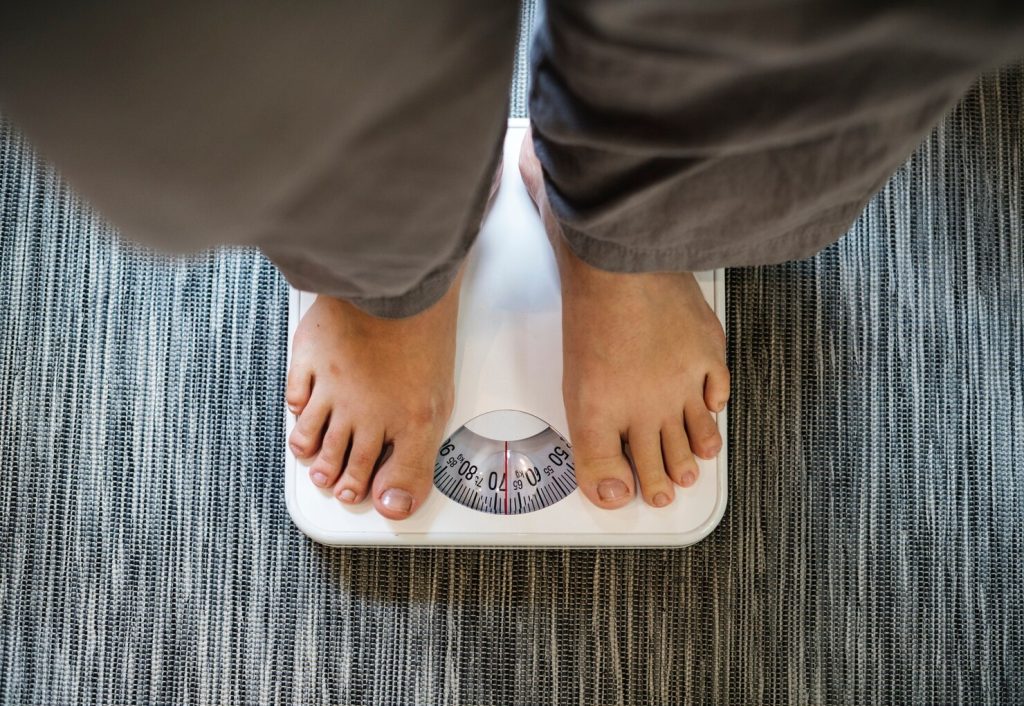
Weight reduction is not a direct treatment for shoulder cartilage damage. However, broader health planning can support exercise tolerance, sleep, metabolic health, and preparation for rehabilitation or surgery when appropriate.
General support can include:
Medication and supplement decisions should be reviewed separately. This page does not provide dosing advice or instruct patients to start, stop, or change medication.
Selected patients can be evaluated for a shoulder injection after the likely source of symptoms, medical history, previous care, alternatives, evidence, and risks have been reviewed.
Ultrasound guidance can be used for selected shoulder procedures when clinically appropriate. Not every shoulder injection requires the same form of guidance.
| Treatment | Commonly Considered For | Typical Goal | Evidence and Important Limitations |
|---|---|---|---|
| Corticosteroid Injection | Selected glenohumeral or AC joint symptoms related to inflammation | Temporary reduction in pain and inflammation | Does not restore cartilage or permanently treat arthritis. Individual response varies, and repeated use requires caution. |
| Hyaluronic Acid Injection | Previously promoted for shoulder osteoarthritis | Not recommended as routine shoulder arthritis care | AAOS reports strong evidence showing no demonstrated benefit for glenohumeral osteoarthritis. |
| PRP Therapy | Sometimes marketed for arthritis symptoms or tissue repair | Experimental attempt to improve symptoms and function | Reliable evidence is lacking for glenohumeral osteoarthritis, and injectable biologics are not routinely recommended by AAOS. |
| Toradol IM Injection | Selected acute pain presentations when medically appropriate | Short-term systemic pain support | Injected into a muscle rather than the shoulder joint. It is not an image-guided shoulder injection or a treatment for chronic arthritis. |
For detailed procedure information, visit Shoulder Injections Concord NC
Platelet-rich plasma therapy uses a concentrated preparation made from the patient’s own blood. Platelets contain signaling proteins involved in the body’s normal response to tissue stress.
The presence of these proteins does not establish that PRP can regenerate shoulder cartilage, reverse arthritis, or restore a damaged joint.
Current AAOS guidance states that injectable biologics such as PRP cannot be recommended for glenohumeral osteoarthritis because reliable evidence is lacking.
PRP should not be described as a proven shoulder-arthritis treatment or as a method that can guarantee:
When PRP is discussed for another shoulder condition, its goals, evidence, costs, alternatives, and uncertainties should be reviewed within that separate condition-specific context.


Orthopedic or shoulder-replacement consultation can be appropriate when arthritis causes substantial pain or functional loss and an appropriate conservative plan no longer provides enough support.
Referral can be considered when there is:
The appropriate surgical approach depends on factors such as joint damage, bone structure, rotator cuff function, age, activity goals, and overall health. A referral provides access to additional assessment and does not mean surgery will automatically be recommended.
Joint Health Solutions provides Shoulder Arthritis Treatment Concord NC for adults who want personalized, non-surgical osteoarthritis management and shoulder pain support.
Shoulder-Focused Evaluation
Care begins by reviewing the affected shoulder joint, symptom pattern, movement limitations, previous treatment, and personal goals.
Non-Surgical Care Planning
Physical therapy, activity changes, medication review, and selected procedures can be considered when clinically appropriate.
Evidence-Aware Treatment Discussions
The page clearly distinguishes commonly used care from treatments that lack reliable evidence for shoulder osteoarthritis.
Personalized Recommendations
Care planning can reflect the type of arthritis, rotator cuff function, previous injuries, medical considerations, activity demands, and treatment preferences.
Provider-Led Care
The care team includes Ariel Curtis, FNP-C, Joint Injection Specialist, and Jeffrey Galvin, MD, Medical Director.
Learn more about the Joint Health Solutions providers
Clear Referral and Location Guidance
Non-surgical treatment is not presented as the only pathway. Orthopedic referral remains appropriate when symptoms or structural damage justify it, and Concord patients receive clear information about the Charlotte clinic where appointments take place.
Shoulder arthritis refers to conditions that affect the shoulder joints and can cause pain, stiffness, grinding, weakness, and reduced motion. Glenohumeral osteoarthritis affects the main ball-and-socket joint, while AC joint arthritis affects the smaller joint at the top of the shoulder. Other patterns include post-traumatic arthritis, inflammatory arthritis, and rotator cuff tear arthropathy. These conditions do not all require the same treatment.
Glenohumeral arthritis affects the main ball-and-socket joint and often causes deep pain, stiffness, grinding, and difficulty lifting or rotating the arm. AC joint arthritis affects the smaller joint at the top of the shoulder and commonly causes localized pain during cross-body reaching, pressing, or direct pressure. An examination helps determine which joint appears most relevant to the symptoms.
Many patients begin with non-surgical care, including activity modification, physical therapy, medication review, and a selected corticosteroid injection when appropriate. These approaches focus on symptoms, motion, and function rather than rebuilding cartilage. Non-surgical care is not sufficient for every patient. Advanced joint damage, substantial loss of motion, severe night pain, or persistent functional limitations can justify orthopedic consultation.
Physical therapy can help selected patients maintain or improve shoulder movement, strength, and functional use. A program can include range-of-motion work, shoulder-blade control, gradual strengthening, and home exercises. Evidence specifically for glenohumeral osteoarthritis is less robust than for some other conditions, so the plan should be individualized. Therapy does not restore lost cartilage or guarantee that replacement surgery will never be needed.
No. Many patients begin with activity changes, rehabilitation, or medication review without receiving an injection. A corticosteroid injection can be considered when inflammation-related pain limits sleep, movement, or participation in therapy. The provider should explain the intended goal, risks, alternatives, and limitations. An injection does not permanently treat arthritis or restore the shoulder’s damaged joint surface.
Current AAOS guidance reports strong evidence that hyaluronic acid provides no benefit for glenohumeral osteoarthritis. It should therefore not be promoted as routine shoulder-arthritis treatment simply because selected hyaluronic acid products are used for knee osteoarthritis. Knee and shoulder evidence should remain separate, and product availability does not establish that a treatment is appropriate for a different joint.
No. PRP contains concentrated platelets prepared from the patient’s blood, but this does not prove cartilage regeneration. AAOS states that injectable biologics such as PRP cannot be recommended for glenohumeral osteoarthritis because reliable evidence is lacking. PRP does not guarantee arthritis reversal, joint-surface restoration, permanent symptom relief, or avoidance of future shoulder replacement.
Referral can be appropriate when shoulder arthritis causes substantial pain, severe stiffness, major loss of motion, sleep disruption, or difficulty completing necessary daily activities despite appropriate conservative care. Associated rotator cuff dysfunction or advanced structural damage can also affect the decision. Referral does not mean surgery is inevitable. It provides access to further evaluation and a balanced discussion of surgical and non-surgical options.
Seek urgent assessment after a significant injury when there is deformity, suspected dislocation, inability to move the arm, sudden severe weakness, rapid swelling, or an open wound. Fever with a hot, red, or markedly swollen shoulder also requires prompt medical attention. Shoulder discomfort accompanied by chest pressure, shortness of breath, sweating, nausea, or faintness should receive emergency evaluation.
Appointments are held at the Joint Health Solutions clinic at 9350 Benfield Rd, #109, Charlotte, NC 28269. The practice serves patients from Concord and surrounding Cabarrus County communities but does not currently operate a physical Concord office. Call 704-833-3566 for current scheduling information, directions, insurance questions, and guidance about preparing for your appointment.
Shoulder arthritis can affect lifting, reaching, dressing, sleep, work, exercise, and everyday independence. A focused evaluation can help clarify whether activity guidance, physical therapy, a selected injection, further assessment, or orthopedic referral should be considered.