CrossFit Injuries: Non-Surgical Treatment in Charlotte
Estimated reading time: 12 minutes | Category: Injury Prevention | Location: Charlotte, North Carolina
You push through the last round of Fran, your shoulders burning, your knees aching. The WOD is over, but the pain lingers—sharp, persistent, and worrying. For many CrossFit athletes in Charlotte, that post-workout ache can signal something more serious: a high-impact injury that threatens your training and your quality of life. At Joint Health Solutions, we specialize in non-surgical rebuilding options for CrossFit injuries, helping you recover without going under the knife. Our focus is on regenerative medicine, physical therapy, and advanced treatments like PRP therapy to get you back to the box stronger than before.
Understanding High-Impact CrossFit Injuries
CrossFit combines weightlifting, gymnastics, and high-intensity cardio, placing immense stress on joints and connective tissues. High-impact movements like box jumps, snatches, and kipping pull-ups can lead to acute injuries such as tendonitis, bursitis, and ligament sprains. Over time, repetitive loading can cause chronic conditions like patellar tendinopathy, rotator cuff impingement, and hip labral tears. Understanding the mechanics of these injuries is the first step toward effective treatment.
In Charlotte, where CrossFit gyms are abundant, athletes often push through pain, risking further damage. That’s why our team at Our Practice emphasizes early intervention and personalized care. Instead of relying solely on rest and ice, we offer a comprehensive approach that addresses the root cause of your injury through Our Services.
Common CrossFit Injuries and Their Impact on Joints
Shoulder Injuries
Shoulder injuries are among the most common in CrossFit, including rotator cuff strains, shoulder impingement, and labral tears. Movements like overhead squats, handstand push-ups, and muscle-ups place the shoulder in vulnerable positions. Without proper treatment, these injuries can lead to chronic pain and instability.
Knee Injuries
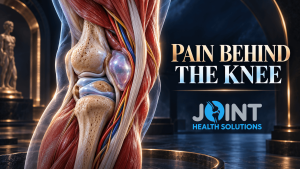
Knee pain is another frequent complaint, often stemming from patellar tendonitis, IT band syndrome, or meniscal tears. Deep squats, lunges, and box jumps can overload the knee joint, especially if form breaks down. Non-surgical treatments can help rebuild strength and reduce inflammation effectively.
Hip and Lower Back Injuries
Hip flexor strains, sacroiliac joint dysfunction, and lumbar spine issues are also common. Deadlifts, cleans, and snatches require significant hip mobility and core stability. When these are compromised, the lower back takes the brunt of the load.
Non-Surgical Treatment Options at Joint Health Solutions
At Joint Health Solutions, Our Providers offer a range of non-surgical treatments tailored specifically to CrossFit athletes. Our approach combines advanced regenerative therapies with physical therapy and nutritional support to optimize healing.
-
PRP Therapy: Platelet-rich plasma (PRP) therapy involves drawing a small amount of your blood, processing it to concentrate platelets, and injecting it into the injured area. Platelets contain growth factors that stimulate tissue repair and reduce inflammation. PRP is particularly effective for chronic tendonitis and ligament injuries common in CrossFit.
-
Cortisone Injections: Cortisone injections provide powerful anti-inflammatory relief for acute flare-ups. While they don’t heal the underlying injury, they can reduce pain enough to allow physical therapy to be more effective. We use them judiciously to avoid overuse.
-
Hyaluronic Acid Injections: For joint osteoarthritis, hyaluronic acid injections (viscosupplementation) can improve lubrication and cushioning in the joint, reducing pain and improving function. This is especially helpful for athletes with early degenerative changes.
-
Trigger Point Injections: Trigger point injections target muscle knots that refer pain to other areas. They can relieve muscle tension and improve range of motion, complementing other treatments.
The Role of PRP Therapy and Regenerative Medicine
Regenerative medicine represents a paradigm shift in treating CrossFit injuries. Instead of masking symptoms, it aims to stimulate the body’s own healing processes. PRP therapy, along with other modalities like BMAC (bone marrow aspirate concentrate), can accelerate recovery and improve tissue quality.
Studies have shown PRP to be effective for lateral epicondylitis, patellar tendinopathy, and rotator cuff tendinosis. At Joint Health Solutions, we integrate these advanced treatments with a comprehensive rehabilitation plan designed to safely return you to high-intensity training.
Integrating Physical Therapy and Nutrition for Recovery
Physical therapy is essential for restoring strength, mobility, and proper movement patterns. Our therapists design individualized programs that address muscle imbalances and faulty mechanics that contributed to the injury.
Additionally, nutrition plays a key role in tissue repair. Anti-inflammatory foods, adequate protein intake, and proper hydration support healing. We offer nutritional counseling to optimize your recovery and reduce systemic inflammatory responses.
When to Consider Offloading Knee Braces and Other Supports
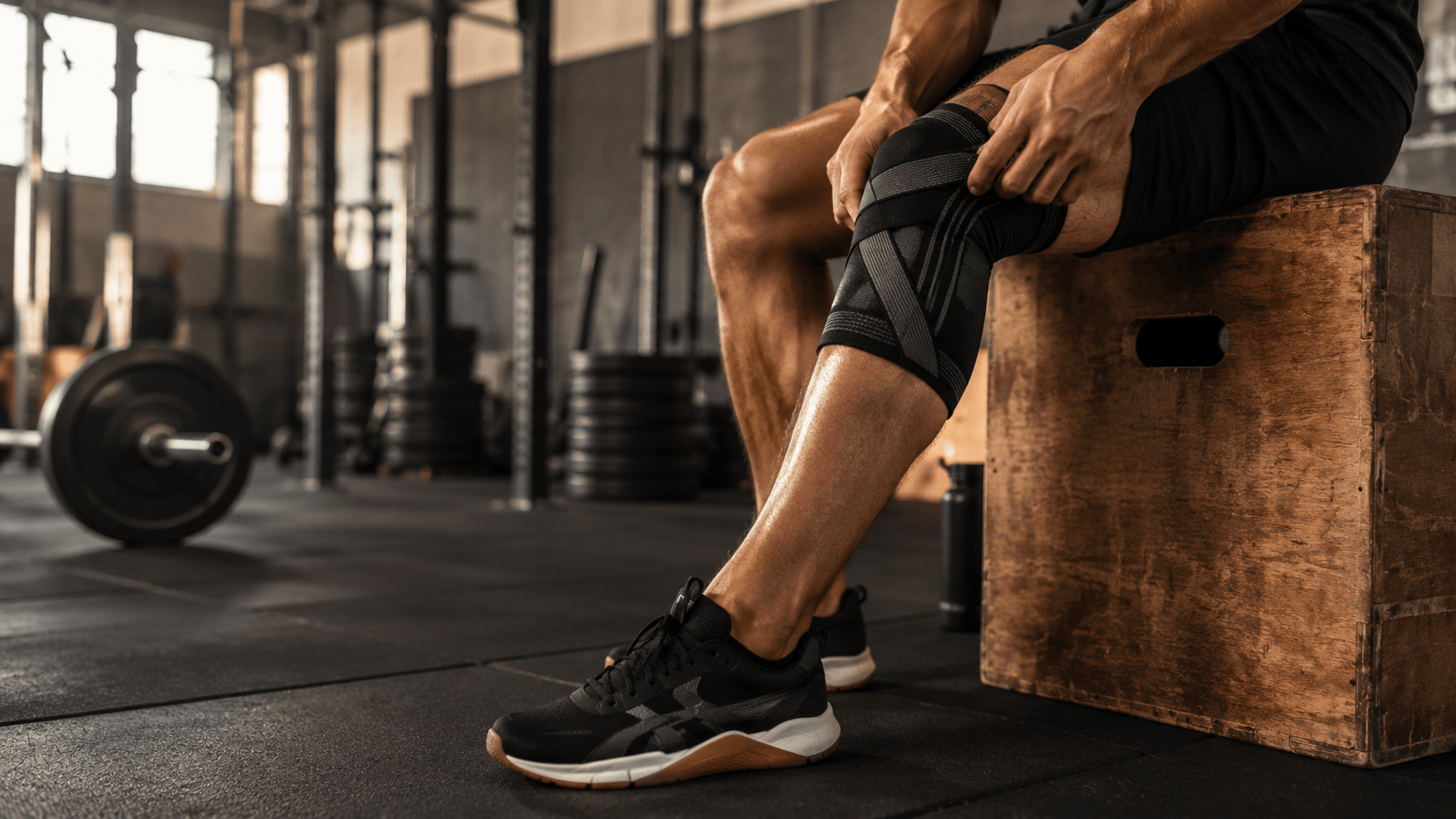
Offloading knee braces can be beneficial for athletes with patellofemoral pain or osteoarthritis. These braces reduce stress on the affected compartment of the knee, allowing you to continue training with less pain. They are not a cure but a tool to facilitate rehabilitation. Our team can help you determine if a brace is appropriate and fit it properly to maintain your performance goals.
Comparison Table: Treatment Options
| Treatment | How It Works | Limitations | Risks |
| Pills (NSAIDs) | Reduce inflammation systemically | Does not heal tissue; GI side effects | Stomach ulcers, kidney issues |
| Cortisone Injections | Powerful anti-inflammatory | Weaken tissue with repeated use; temporary relief | Infection, tendon rupture |
| Surgery | Repair or remove damaged tissue | Long recovery; risks of anesthesia; may not resolve pain | Infection, scar tissue, nerve damage |
| Non-Surgical Personalized Care | Combines PRP, PT, bracing, nutrition | Requires commitment; results vary | Minimal; injection site soreness |
The Science Behind Our Approach (Evidence Summary)
Our treatments are grounded in evidence. A 2020 meta-analysis in the American Journal of Sports Medicine found PRP superior to placebo for tendinopathy. Another study in the Journal of Orthopaedic Surgery and Research reported that hyaluronic acid injections improve function in knee osteoarthritis. Physical therapy has Level 1 evidence for patellofemoral pain. We stay current with research to provide the best care.
What to Expect During Your First Visit to Joint Health Solutions
Your first visit includes a comprehensive history, physical exam, and review of any imaging. We discuss your goals and develop a personalized treatment plan. You’ll leave with a clear understanding of your injury and the steps to recovery. We coordinate with your CrossFit coach if needed to align your modification plan.
Real Patient Success Stories
Note: These are hypothetical examples based on common clinical scenarios and do not represent actual patients.
-
Case 1: A 35-year-old male CrossFit athlete with chronic patellar tendonitis returned to full training after a series of PRP injections and targeted physical therapy.
-
Case 2: A 42-year-old female with shoulder impingement resolved with a cortisone injection and rotator cuff strengthening.
-
Case 3: A 28-year-old male with IT band syndrome improved with an offloading brace and gait retraining.
Why Joint Health Solutions – 10 Years of Experience in Charlotte, North Carolina
With over 10 years of experience, Joint Health Solutions is a trusted provider of non-surgical orthopedic care in Charlotte. Our team includes board-certified physicians, physical therapists, and nutritionists who work together to deliver integrated care. We understand the demands of CrossFit and tailor treatments accordingly to respect your competitive mindset.
The Long-Term Blueprint: From Injury Rehabilitation to Performance Optimization
Overcoming a high-impact CrossFit injury is about more than just surviving the current recovery phase; it is a critical opportunity to fortify your entire kinetic chain against future structural failures. In high-intensity training, when an athlete compensates for a compromised shoulder or an inflamed patellar tendon, they inadvertently shift the mechanical load to other joints. This creates a cascading cycle of secondary injuries—such as a hip imbalance altering your clean-and-jerk mechanics or a weak core overloading the lumbar spine during deadlifts.
Non-surgical regenerative treatments do not simply patch over localized damage; they actively reset the cellular environment, allowing for healthier, more resilient tissue remodeling. By pairing advanced protocols like PRP therapy with precise functional movement analysis, athletes in the Charlotte community can identify and correct the underlying biomechanical flaws that caused the injury in the first place.
Ultimate recovery transforms a frustrating training setback into a powerful tool for long-term performance optimization. By committing to an integrated plan of regenerative medicine, targeted physical therapy, and anti-inflammatory nutrition, you aren’t just healing—you are upgrading your structural integrity. This ensures you can confidently walk back into your local box, step up to the barbell, and smash new PRs safely, sustainably, and completely pain-free.
Bridging the Gap: Modifying Your WODs During the Recovery Phase
One of the greatest fears for a dedicated CrossFit athlete facing an injury is the prospect of total inactivity. At Joint Health Solutions, we firmly believe that “rest” does not have to mean stopping entirely. Active recovery, when managed correctly under expert medical supervision, can actually accelerate tissue remodeling and prevent muscle atrophy.
Our team works dynamically to bridge the gap between the clinic and your local Charlotte box by designing specific, pain-free modification strategies for your daily WODs. For instance, if you are undergoing PRP therapy for a rotator cuff impingement, we collaborate with you to substitute high-intensity overhead movements like thrusters or muscle-ups with lower-body conditioning, unilateral dumbbell work, or strict core stability exercises. This proactive approach ensures that your cardiovascular engine and mental resilience remain sharp, while simultaneously giving your injured joints the precise biomechanical environment they need to rebuild without surgical intervention.
Don’t let a CrossFit injury sideline you indefinitely. Call us today at 704-833-3566 or schedule a visit to explore your non-surgical rebuilding options. Let us help you get back to the sport you love.
Medical Disclaimer
This article is for educational purposes only and is not a substitute for medical advice, diagnosis, or treatment. Results vary, and not every patient is a candidate for every treatment. A qualified healthcare provider should evaluate your condition and discuss risks, benefits, and alternatives before treatment.
Institutional Sources
Frequently Asked Questions
Can PRP therapy help with chronic tendonitis from CrossFit?
Yes, PRP therapy has shown promise for chronic tendonitis, including patellar and Achilles tendinopathy. It stimulates healing by delivering growth factors to the injured area. Many athletes experience significant pain reduction and improved function.
How long does recovery take with non-surgical treatments?
Recovery varies depending on the injury and treatment. PRP therapy may require several weeks to months for full effect, while cortisone injections provide relief within days. Physical therapy typically spans 6-12 weeks. Your provider will give a personalized timeline.
What is the cost of non-surgical joint treatments in Charlotte?
Costs vary by treatment. PRP therapy may range from $500 to $1,500 per injection, while cortisone injections are often covered by insurance. We provide transparent pricing and can discuss payment options during your consultation.
Are there any side effects of hyaluronic acid injections?
Side effects are generally mild and include temporary pain, swelling, or warmth at the injection site. Serious complications are rare. Your doctor will discuss risks before treatment.
Can I return to CrossFit after trigger point injections?
Yes, most athletes can resume activity within a day or two, but it’s important to follow your provider’s guidance. Trigger point injections relieve muscle tension, allowing you to train with better mechanics.
What are offloading knee braces and how do they help?
Offloading knee braces are designed to shift weight away from the damaged part of the knee, reducing pain during activity. They are especially useful for osteoarthritis or meniscal tears. They are used as part of a comprehensive treatment plan.
How often should I do physical therapy for a CrossFit injury?
Typically, physical therapy sessions are scheduled 1-3 times per week, depending on the severity of the injury and your goals. Your therapist will also provide a home exercise program.
What nutrition plan supports joint recovery?
An anti-inflammatory diet rich in omega-3 fatty acids, fruits, vegetables, and lean protein can support healing. Avoiding processed foods and sugar may reduce inflammation. Our nutrition team can create a personalized plan.
Am I a candidate for non-surgical treatment?
Most CrossFit injuries can be managed non-surgically, especially if caught early. However, severe tears or fractures may require surgery. A thorough evaluation by our team will determine the best approach for you.
Does insurance cover these treatments?
Many insurance plans cover cortisone injections, physical therapy, and office visits. PRP therapy and other regenerative treatments may not be covered. We will verify your benefits and discuss costs upfront.