
Cortisone Shots vs. PRP for Rotator Cuff: Faster Shoulder Pain Relief?
Understanding Rotator Cuff Inflammation
The rotator cuff is a group of four muscles and their tendons that stabilize the shoulder joint and allow you to lift and rotate your arm. When these tendons become inflamed—a condition often called rotator cuff tendinitis or impingement—simple activities like reaching overhead, sleeping on the affected side, or even combing your hair can trigger sharp pain. The inflammation may result from repetitive overhead motion, a sudden injury, or age-related wear and tear. In some cases, the tendon may develop small tears, further aggravating the inflammatory response.
Rotator cuff inflammation is one of the most common causes of shoulder pain, affecting people of all ages, from athletes to office workers. If left untreated, the condition can lead to chronic pain, weakness, and reduced range of motion. Fortunately, many cases respond to conservative treatments such as physical therapy, activity modification, and targeted injections.
When conservative measures aren’t enough, two injection therapies often come into play: corticosteroid (cortisone) shots and platelet-rich plasma (PRP) therapy. Both are performed in an outpatient setting, but they work in fundamentally different ways. Understanding these differences can help you make an informed decision about which treatment may offer faster and more lasting shoulder pain relief Charlotte patients seek.
How Cortisone Shots Work for Shoulder Pain
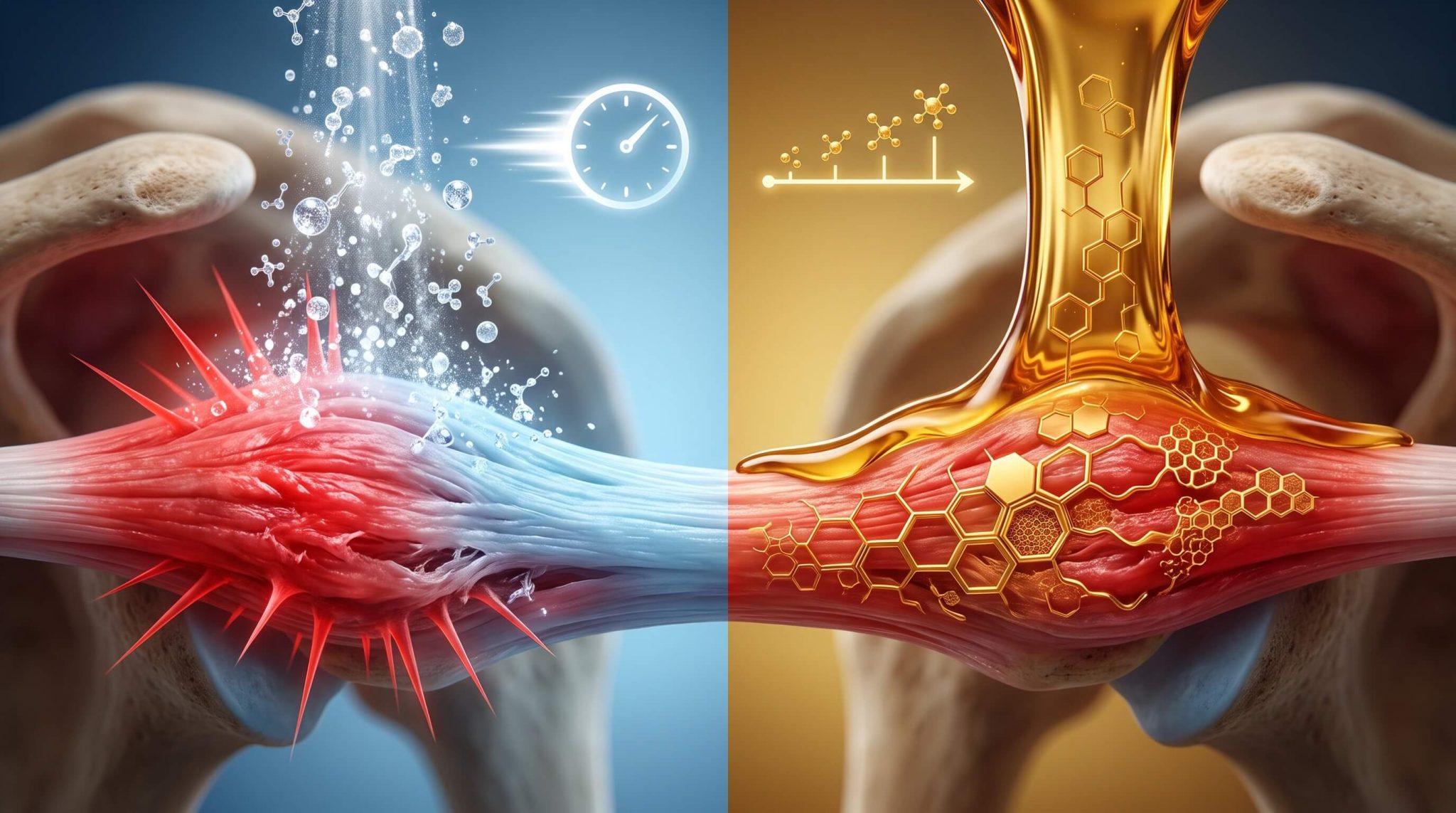
Cortisone is a type of corticosteroid—a powerful anti-inflammatory medication that mimics cortisol, a hormone your body produces naturally. When injected directly into the shoulder joint or the space around the inflamed tendon, cortisone rapidly suppresses the immune response and reduces inflammation. This can lead to significant pain relief within a day or two, making it a popular choice for acute flare-ups.
The injection typically contains a corticosteroid combined with a local anesthetic to provide immediate numbing. The effects of the anesthetic wear off within a few hours, but the corticosteroid continues to work for days or weeks. For many patients, a single cortisone shot can provide several weeks to a few months of relief, allowing them to participate more comfortably in physical therapy and daily activities.
However, cortisone does not repair the underlying tendon damage. It simply calms the inflammation, giving your body a window to heal. Repeated cortisone injections can weaken the tendon over time, so most physicians limit the number of injections to a few per year. Evidence suggests that while corticosteroid injections can be effective for short-term pain relief, the evidence for their long-term benefit is more limited. To learn more about how these injections work, you can read our blog post on cortisone injections.
How PRP Therapy Works for Rotator Cuff Injuries
Platelet-rich plasma (PRP) therapy is a regenerative treatment that uses your own blood to promote healing. A small sample of blood is drawn and placed in a centrifuge to concentrate the platelets—cells that contain growth factors and other proteins essential for tissue repair. The resulting PRP is then injected into the injured area under ultrasound guidance.
PRP is not FDA-approved as a drug; the device used to concentrate the platelets is FDA-cleared, and evidence for knee OA is mixed. Its role in rotator cuff disease is still being studied. However, many clinicians believe that the growth factors in PRP may help stimulate the body’s natural healing response, potentially improving tendon quality and reducing pain over time.
Unlike cortisone, PRP does not provide immediate relief. In fact, some patients experience a temporary increase in pain for a few days after the injection as the inflammatory healing process begins. Full benefits may take four to six weeks or longer, as the growth factors gradually influence tendon remodeling. Some studies suggest that PRP may provide longer-lasting improvements in function and pain compared to cortisone, but results vary widely among individuals.
Comparing Speed of Relief: Cortisone vs. PRP
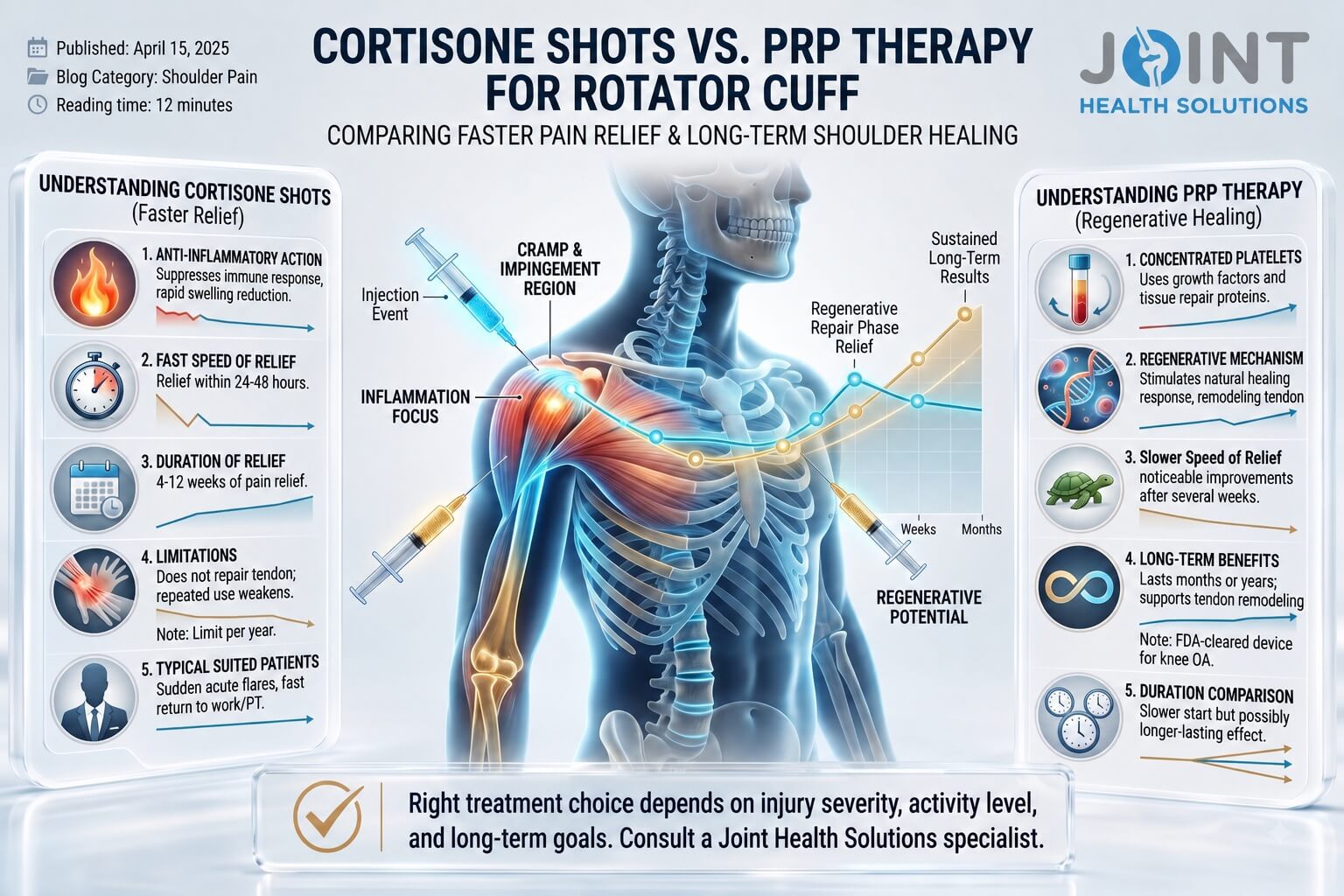
When it comes to speed, cortisone is the clear winner for most patients. Its anti-inflammatory effect can be felt within 24 to 48 hours, making it an excellent option for those who need rapid pain relief to get through a busy week or to tolerate physical therapy. PRP, on the other hand, works more slowly, with noticeable improvements often appearing after several weeks.
However, speed isn’t the only consideration. The duration of relief and the potential for long-term healing also matter. Cortisone may provide quick relief, but its effects typically fade within weeks to months, and it does nothing to repair the tendon. PRP may take longer to work, but some patients experience benefits that last for months or even years, possibly because it supports the body’s own healing processes.
The table below summarizes the key differences between cortisone and PRP for rotator cuff inflammation:
| Treatment | How It Works | Speed of Relief | Duration of Relief | Limitations |
|---|---|---|---|---|
| Cortisone Shots | Suppresses inflammation | 24–48 hours | Weeks to a few months | Does not repair tendon; repeated use may weaken tendon |
| PRP Therapy | Concentrated platelets release growth factors to support healing | Several weeks | May last months to a year or more | Evidence mixed; results vary; may cause initial flare |
In a clinical setting, the choice between cortisone and PRP often depends on the patient’s specific situation. For example, a patient with a sudden, painful flare-up who needs to return to work quickly might benefit from a cortisone injection. In contrast, an athlete who wants to address the underlying tendon issue and is willing to wait for results might prefer PRP.
Duration of Relief: Short-Term vs. Long-Term
Duration is a critical factor in deciding between cortisone and PRP. Cortisone typically provides short-term relief, lasting anywhere from a few weeks to three months. Once the medication wears off, inflammation may return, especially if the underlying cause—such as poor shoulder mechanics or repetitive strain—has not been addressed. This is why cortisone is often used as a bridge to allow patients to participate in physical therapy, which can correct the root cause.
PRP, on the other hand, aims to create a more durable improvement. By delivering growth factors to the injured tendon, PRP may help stimulate tissue repair, potentially reducing pain for six months or longer. Some studies have shown that PRP can improve shoulder function and reduce pain at six-month follow-ups compared to placebo or cortisone. However, the evidence is not uniform, and some patients may not experience significant benefit.
It’s important to note that neither treatment is a cure. Rotator cuff inflammation often requires a comprehensive approach, including physical therapy, activity modification, and possibly other interventions. The goal of injections is to provide a window of relief that allows you to engage in rehabilitation and strengthen the shoulder.
Potential Risks and Side Effects
Both cortisone and PRP are generally considered safe when performed by experienced practitioners, but they carry distinct risks.
Cortisone injections can cause temporary pain at the injection site, facial flushing, and a slight increase in blood sugar levels, which is important for diabetics. More serious but rare complications include infection, nerve damage, or tendon rupture, especially with repeated injections. Because corticosteroids can weaken tendon tissue, most guidelines recommend limiting injections to a few times per year.
PRP is derived from your own blood, so the risk of allergic reaction is minimal. Common side effects include soreness and swelling at the injection site, which may last a few days. Some patients experience a temporary increase in pain, known as a post-injection flare, as the healing process begins. There is also a small risk of infection or bleeding, but these are uncommon with proper sterile technique.
It’s essential to discuss your medical history, including any bleeding disorders or medications that affect blood clotting, with your provider before an injection.
Which Treatment Is Right for You?
Deciding between cortisone and PRP requires a thorough evaluation by a qualified specialist. Your provider will consider the severity of your inflammation, the presence of any tendon tears, your activity level, and your personal goals. For example, if you need rapid pain relief to get through a busy period, cortisone may be the best option. If you’re looking for a more durable solution and are willing to wait several weeks for results, PRP might be worth considering.
Some patients may benefit from combining both treatments. A cortisone injection can provide immediate relief while PRP works on longer-term healing. However, this approach is not standard and should be discussed with your provider. The evidence for combining these therapies is limited, and some experts worry that corticosteroids might interfere with the healing effects of PRP.
Ultimately, the right choice depends on your unique circumstances. A thorough consultation, including imaging studies if needed, can help clarify the diagnosis and guide treatment decisions.
What to Expect During Your Injection Procedure
At Joint Health Solutions in Charlotte, North Carolina, both cortisone and PRP injections are performed in a comfortable outpatient setting. The procedure typically takes about 15 to 30 minutes, depending on the type of injection and whether imaging guidance is used.
For a cortisone injection, you’ll likely be seated or lying down. The skin over the shoulder is cleaned with an antiseptic, and a local anesthetic may be sprayed or injected to numb the area. Using anatomical landmarks or ultrasound guidance, the provider inserts a thin needle into the targeted area and injects the medication. You may feel some pressure, but the procedure is usually well-tolerated.
PRP injections involve an additional step: drawing your blood. After the blood is collected, it’s placed in a centrifuge for about 10 minutes to separate the platelets. The concentrated PRP is then injected into the shoulder using the same technique as a cortisone injection. Ultrasound guidance is often used to ensure accurate placement.
After the injection, you’ll be monitored briefly for any immediate reactions. You may be advised to rest the shoulder for a day or two and to avoid heavy lifting or strenuous activity for a few days. Your provider will give you specific aftercare instructions, including when you can resume normal activities and when to start physical therapy.
For those interested in complementary treatments, Joint Health Solutions also offers sports recovery IV therapy to support overall recovery and hydration.
Recovery and Rehabilitation After Injections
Recovery after a shoulder injection depends on the type of treatment and your individual response. With cortisone, you may feel significant relief within a day or two, but it’s important not to overdo it. The pain relief can mask the fact that the tendon is still healing, so gradually increase your activity level as tolerated.
With PRP, you may experience a temporary increase in pain for the first few days. This is a normal part of the healing response. Over the following weeks, you may notice gradual improvement. It’s crucial to follow a structured rehabilitation program to maximize the benefits of PRP. Physical therapy can help strengthen the rotator cuff muscles and improve shoulder mechanics, reducing the risk of recurrence.
Recovery follows different timelines for each treatment: cortisone typically brings noticeable relief within 24 to 48 hours, while PRP takes longer, with most patients seeing initial benefits at four to six weeks and continued improvement over the following months. Individual response varies by injury severity, overall health, and how consistently rehabilitation is followed.
Regardless of the injection you receive, a comprehensive approach that includes physical therapy and lifestyle modifications is essential for long-term success. Your provider can work with you to develop a personalized plan.
Schedule a Consultation for Your Shoulder Pain
If you’re struggling with rotator cuff inflammation and wondering whether cortisone or PRP is right for you, the team at Joint Health Solutions in Charlotte, North Carolina, can help. Our board-certified physicians and nurse practitioners specialize in non-surgical orthopedic care, including joint injections, physical therapy, and regenerative treatments like PRP. We’ll take the time to understand your symptoms, review your imaging, and develop a personalized treatment plan.
Don’t let shoulder pain keep you from the activities you love. Call 704-833-3566 today to schedule a consultation and explore your options for shoulder pain relief Charlotte residents trust, or browse our full treatments and services. We’re here to help you get back to a pain-free, active lifestyle.
For more information about other injection options, such as hyaluronic acid injections, you can read our blog post on hyaluronic acid injections in Charlotte.
Institutional Sources
- NIAMS: Rotator Cuff Injuries
- Mayo Clinic: Platelet-Rich Plasma (PRP) Injections
- Arthritis Foundation: Corticosteroid Injections
- AAOS: Rotator Cuff Tears
Frequently Asked Questions
How long does a cortisone shot take to work?
Most patients experience significant pain relief within 24 to 48 hours after a cortisone injection. The local anesthetic provides immediate numbing, but the full anti-inflammatory effect develops over the next day or two. Some patients may need a few days to feel the full benefit.
How many PRP sessions are needed for rotator cuff?
The number of PRP sessions varies. Many protocols involve a single injection, but some patients may benefit from a second injection after a few weeks. Your provider will recommend a plan based on the severity of your injury and your response to the first injection.
Can I combine cortisone and PRP?
Combining cortisone and PRP is possible, but it’s not a standard approach. Some providers may use cortisone to reduce pain quickly while PRP works on healing. However, the evidence for this combination is limited, and some concerns exist that cortisone might interfere with the healing effects of PRP. Discuss the risks and benefits with your provider.
Are injections painful?
Most patients tolerate injections well. A local anesthetic may be used to numb the area, and the injection itself typically causes only a brief pinch. Afterward, you might experience soreness at the injection site, which usually resolves within a few days.
When can I return to sports after PRP?
Return to sports after PRP depends on the sport and the severity of your injury. Generally, you may need to rest for a few days, then gradually resume activities. Full return to high-impact or overhead sports may take several weeks to months, depending on your rehabilitation progress. Your provider will give you specific guidelines.
What does treatment cost?
Joint Health Solutions operates on a self-pay basis with transparent, upfront pricing. Cost varies depending on whether you choose a cortisone injection, a PRP series, or a combination approach. Our team can provide a quote during your consultation.
What causes rotator cuff inflammation?
Rotator cuff inflammation is often caused by repetitive overhead motion, a sudden injury, or age-related wear and tear on the tendons. Occupations or sports involving repeated arm elevation—such as painting, swimming, or throwing—can increase risk. In some cases, small tendon tears develop alongside the inflammation.
Are there long-term risks from repeated cortisone injections?
Yes. Repeated cortisone injections can weaken tendon tissue over time and, in rare cases, contribute to tendon rupture. For this reason, most providers limit cortisone injections to a few times per year and encourage physical therapy alongside injections to address the underlying cause.
Can rotator cuff inflammation improve without injections?
Yes, many cases of rotator cuff inflammation improve with conservative measures such as activity modification, physical therapy, and rest. Injections are typically considered when these measures haven’t provided sufficient relief or when a faster reduction in pain is needed to begin rehabilitation.
Will I need imaging before treatment?
Imaging, such as an ultrasound or MRI, may be recommended to evaluate the extent of the inflammation or check for a tendon tear. This helps your provider determine whether cortisone, PRP, or another approach is most appropriate for your specific situation.




 English
  Spanish