
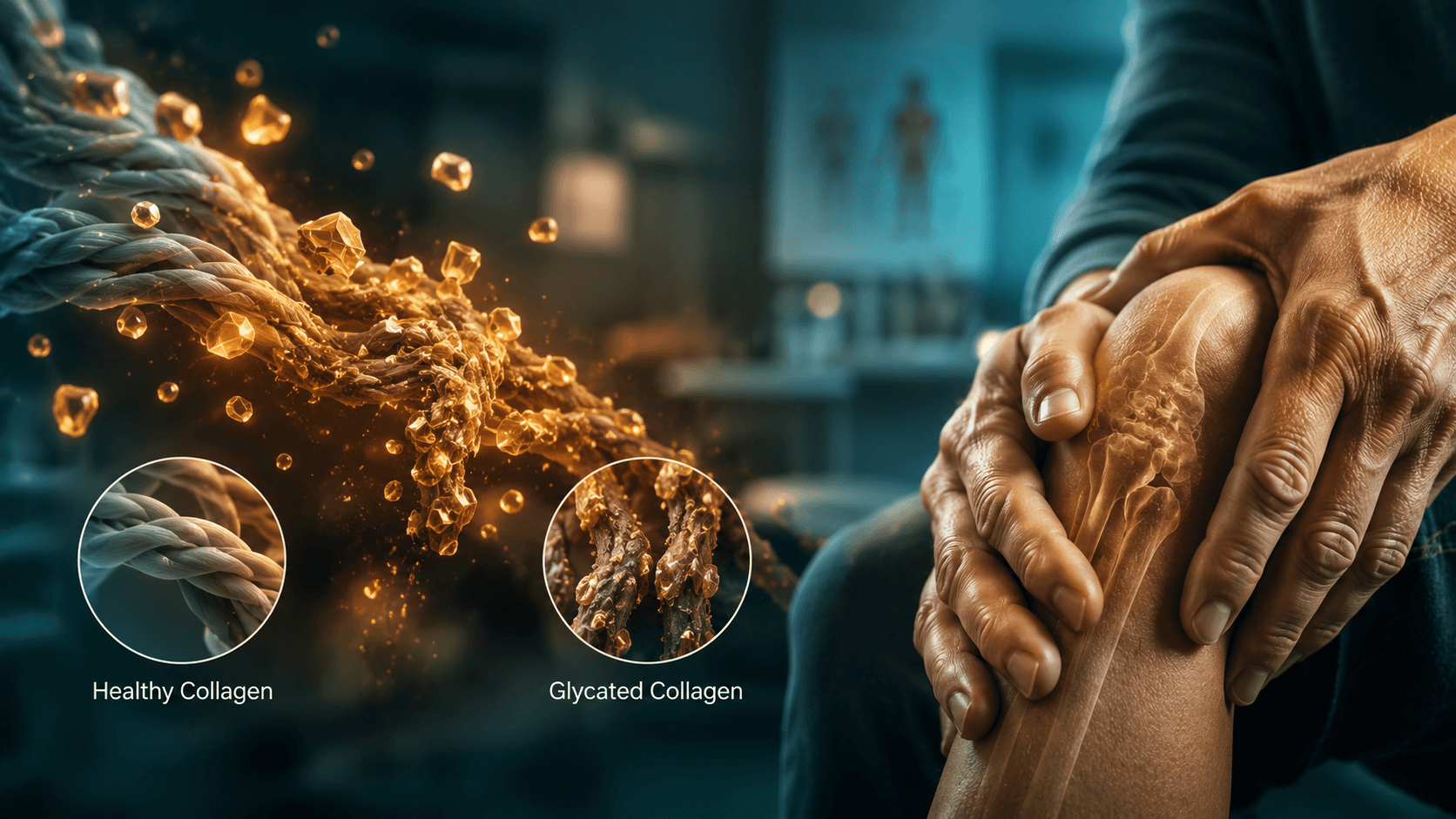
How Excess Sugar Glycates Joint Tissue, Creating Stiff, Aged Ligaments
Estimated reading time: 15 minutes | Category: Joint Health, Nutrition | Location: Charlotte, North Carolina
Do you wake up with stiff, creaky joints that feel older than you are? You might blame arthritis or aging, but the real culprit could be hiding in your diet. Excess sugar doesn’t just affect your waistline—it chemically alters your joint tissues through a process called glycation. This reaction produces advanced glycation end products (AGEs) that cross-link collagen fibers, turning once-supple ligaments into stiff, brittle structures. If you’re struggling with sugar and joint stiffness, you’re not alone. Many adults in Charlotte, North Carolina, experience this connection without realizing it. Understanding how glycation works is the first step toward restoring mobility and comfort.
Sugar And Joint Stiffness: Understanding Glycation and Its Impact on Joints
Glycation is a natural biochemical process where sugar molecules (like glucose or fructose) attach to proteins or fats without the help of enzymes. This forms unstable compounds that eventually become AGEs. In your joints, collagen is a primary target. Collagen gives ligaments and tendons their strength and elasticity. When AGEs accumulate, they create cross-links between collagen fibers, making them stiff and less able to absorb shock. Over time, this leads to reduced flexibility, increased stiffness, and a higher risk of injury. The connection between sugar and joint stiffness is not just anecdotal; it’s grounded in molecular biology.
How AGEs Form in Your Body
AGEs form when high blood sugar levels persist. Even if you don’t have diabetes, spikes from sugary meals can trigger glycation. The process is accelerated by oxidative stress and inflammation—common in modern lifestyles. AGEs are also found in cooked foods (especially grilled or fried items), but endogenous glycation from dietary sugar is a major contributor. Once formed, AGEs are difficult to remove, and they accumulate with age. This is why older adults often notice stiffer joints, but younger individuals with high sugar intake may also experience premature stiffness.
How Sugar Affects Collagen and Ligament Health
Collagen is the most abundant protein in your body, forming the structural scaffold of ligaments, tendons, cartilage, and bone. There are several types of collagen, but Type I and Type III are predominant in ligaments. Glycation damages collagen by altering its structure and function. Cross-linked collagen fibers lose their ability to slide past each other, resulting in decreased tensile strength and elasticity. This makes ligaments more prone to tears and less effective at stabilizing joints. Additionally, AGEs bind to receptors (RAGE) on cells, triggering inflammatory pathways that further degrade joint tissues. The result is a vicious cycle: sugar and joint stiffness feed each other, leading to chronic discomfort.
The Role of Diet in Collagen Cross-Linking
Your diet directly influences the rate of glycation. High-glycemic foods (white bread, sugary drinks, pastries) cause rapid blood sugar spikes, providing ample fuel for AGE formation. Conversely, a diet rich in antioxidants, vitamins, and minerals can slow glycation. For example, vitamin C is essential for collagen synthesis, while certain polyphenols (like those in green tea) can inhibit AGE formation. Understanding this connection empowers you to make dietary changes that support joint health.
The Link Between Diet and Chronic Joint Stiffness
Chronic joint stiffness is often attributed to osteoarthritis or aging, but diet plays a significant role. Studies have shown that individuals with higher dietary AGE intake have increased joint stiffness and pain. The accumulation of AGEs in cartilage and synovial fluid impairs lubrication and increases friction. This can accelerate cartilage breakdown and lead to osteoarthritis. Moreover, AGEs promote inflammation by activating immune cells, which further damages joint tissues. If you’re experiencing persistent stiffness, especially in the morning, it may be worthwhile to evaluate your sugar consumption. The sugar and joint stiffness connection is a key piece of the puzzle.
Signs Your Joint Pain May Be Diet-Related
How do you know if your joint pain is linked to sugar? Look for these signs: stiffness that improves with movement (but returns after inactivity), a history of high sugar intake (sweets, sodas, refined carbs), and other glycation-related issues like skin wrinkling or poor wound healing. You may also notice that your joints feel worse after a high-sugar meal. If you have diabetes or prediabetes, your risk is even higher. Tracking your symptoms alongside your diet can reveal patterns. If you suspect diet is a factor, consider consulting a nutrition specialist or exploring learn more about non-surgical options at Joint Health Solutions in Charlotte.
Nutritional Strategies to Reduce Glycation and Support Joint Health
Reducing glycation starts with lowering your blood sugar levels and limiting AGE intake. Here are practical strategies:
- Limit added sugars: Avoid sugary drinks, candies, and desserts. Check labels for hidden sugars.
- Choose low-glycemic foods: Opt for whole grains, legumes, and non-starchy vegetables.
- Include antioxidants: Berries, leafy greens, nuts, and seeds help neutralize free radicals.
- Increase vitamin C: Citrus fruits, bell peppers, and broccoli support collagen health.
- Consider supplements: Certain nutrients like carnosine, benfotiamine, and alpha-lipoic acid may inhibit glycation, but consult your doctor first.
- Cook gently: Avoid high-heat cooking methods that create AGEs. Choose steaming, poaching, or slow cooking.
By adopting an anti-inflammatory diet, you can slow the progression of glycation and improve joint comfort. For personalized guidance, about us at Joint Health Solutions offers nutrition plans tailored to your needs.
Non-Surgical Treatments for Stiff, Aged Ligaments in Charlotte
If dietary changes aren’t enough, or if you’re already experiencing significant stiffness, non-surgical treatments can help. At Joint Health Solutions in Charlotte, we focus on regenerative and supportive therapies that address the underlying damage from glycation. Our our practice combines advanced diagnostics with personalized care to restore joint function.
Joint Injections
Joint injections deliver medications like corticosteroids or hyaluronic acid directly into the joint space. Hyaluronic acid injections (viscosupplementation) replenish the natural lubricant in your joints, reducing friction and stiffness. This can be particularly beneficial for glycation-damaged cartilage.
Knee Injections Charlotte
Our knee injections target the most common site of glycation-related stiffness. We offer cortisone for inflammation and hyaluronic acid for lubrication. Each injection is performed under ultrasound or fluoroscopy guidance for precision.
Shoulder Injections Charlotte
Shoulder stiffness from glycation can limit daily activities. Our shoulder injections reduce pain and improve range of motion, helping you regain function without surgery.
Fluoroscopy-Guided Injections
For complex joints like the hip or spine, fluoroscopy ensures accurate placement of medication. This maximizes efficacy and minimizes risks.
Cortisone Injections
Cortisone is a powerful anti-inflammatory that can quickly reduce joint swelling and pain. However, it’s used judiciously to avoid further collagen damage.
Hyaluronic Acid Injections
These injections supplement the joint’s natural lubricant, improving shock absorption and reducing stiffness. They are especially useful for knee osteoarthritis.
PRP Therapy
Platelet-rich plasma (PRP) uses your own blood’s growth factors to stimulate healing. PRP may help repair glycation-damaged ligaments by promoting collagen regeneration.
Anti-Inflammatory IV Therapy
Intravenous infusions of vitamins, minerals, and anti-inflammatory compounds can reduce systemic inflammation and support joint health from the inside out.
Sports Recovery IV Therapy
For active individuals, this therapy speeds recovery and reduces oxidative stress, which can exacerbate glycation.
Toradol IM Injections
Toradol is a non-steroidal anti-inflammatory drug (NSAID) given intramuscularly for acute pain relief. It’s a short-term solution for flare-ups.
Trigger Point Injections
These injections relax tight muscle bands that contribute to joint stiffness. They can improve mobility and reduce referred pain.
Knee Arthrocentesis
This procedure removes excess fluid from a swollen knee, relieving pressure and improving comfort. The fluid can also be analyzed for signs of glycation.
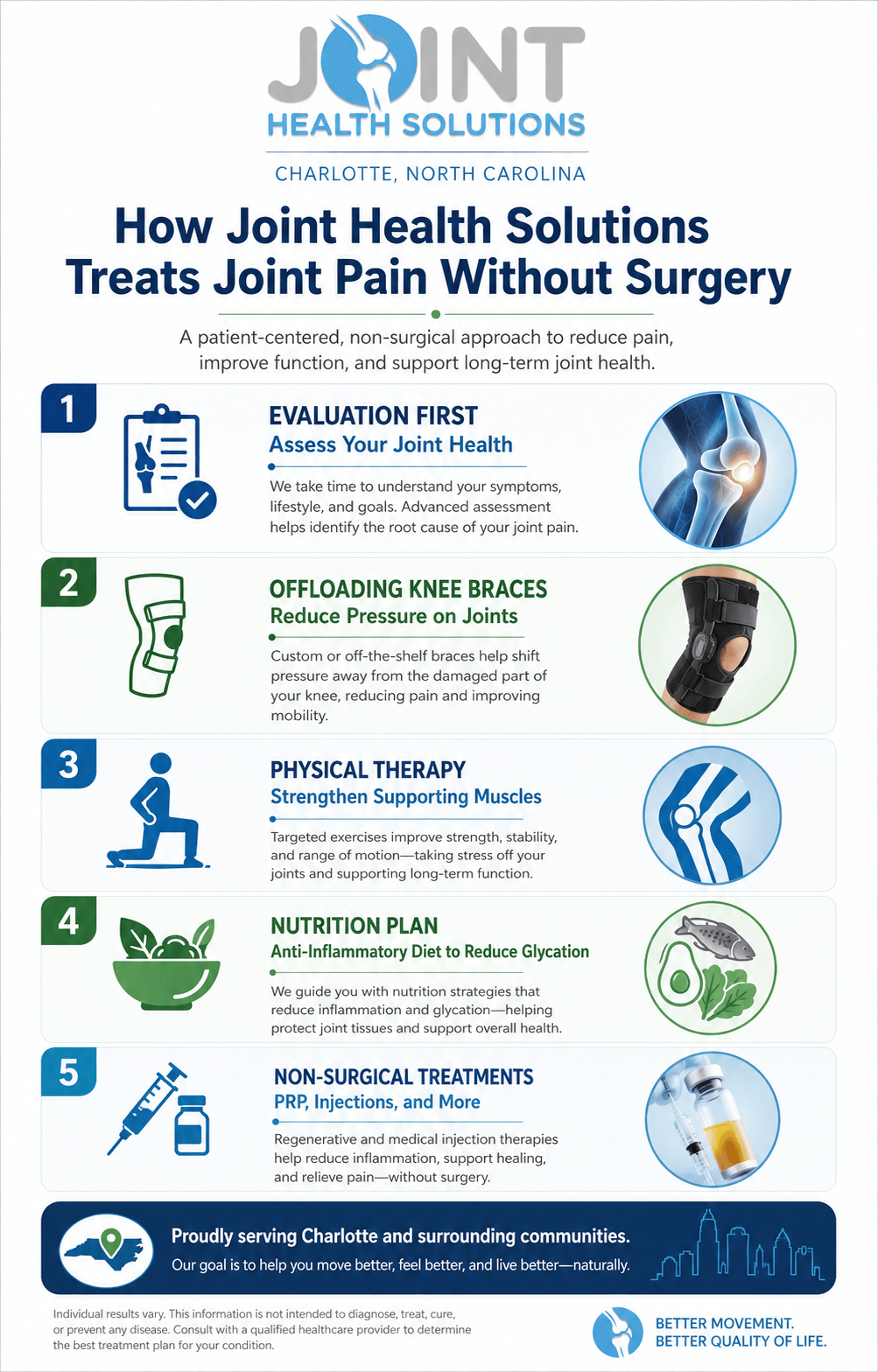
Offloading Knee Braces
Braces shift weight away from damaged joint areas, reducing pain and improving alignment. They are a non-invasive way to support stiff ligaments.
Physical Therapy
Strengthening the muscles around your joints can compensate for ligament stiffness. Our therapists design programs to improve flexibility, balance, and strength.
Nutrition Plan
Personalized nutrition plans target glycation by reducing dietary AGEs and providing nutrients that support collagen health. Our team works with you to create sustainable changes.
Offloading Knee Braces
These braces reduce pressure on the affected knee compartment, improving alignment and reducing pain. They are custom-fitted for comfort and effectiveness.
Physical Therapy
Our physical therapists design targeted exercises to strengthen muscles, improve range of motion, and reduce stiffness. Sessions typically last 45-60 minutes.
Nutrition Plan
We create a personalized anti-inflammatory diet plan to reduce glycation. Includes meal plans, supplement recommendations, and ongoing support.
The Science Behind Our Approach (Evidence Summary)
Research supports the role of glycation in joint stiffness. A 2018 study in the Journal of Orthopaedic Research found that AGEs accumulate in human ligaments with age and contribute to stiffness. Another study in Osteoarthritis and Cartilage linked dietary AGE intake to increased knee stiffness in adults. Clinical trials show that hyaluronic acid injections improve joint lubrication and reduce pain in osteoarthritis. PRP therapy has demonstrated potential in promoting collagen repair, though results vary. Our approach integrates these evidence-based treatments to address glycation-related joint issues.
What to Expect During Your First Visit to Joint Health Solutions
Your first visit begins with a comprehensive evaluation. We review your medical history, dietary habits, and symptoms. Imaging (X-ray or MRI) may be used to assess joint damage. We then discuss your goals and create a personalized treatment plan. Depending on your needs, this may include injections, physical therapy, a nutrition plan, or bracing. We prioritize education so you understand your condition and options. Our team is here to answer any questions about glycation and joint health.
Real Patient Success Stories
Example 1: A 55-year-old woman with morning knee stiffness and a history of high sugar intake. After adopting a low-glycemic diet and receiving hyaluronic acid injections, she reported a 70% reduction in stiffness within three months. Example 2: A 62-year-old man with shoulder stiffness from glycation. He underwent PRP therapy and physical therapy, regaining full range of motion after six months. Example 3: A 48-year-old active adult with chronic ankle stiffness. Offloading braces and dietary changes helped him return to hiking without pain. These hypothetical scenarios illustrate the potential of non-surgical care.
Why Joint Health Solutions – 10 Years of Experience in Charlotte, North Carolina
With over 10 years of experience, Joint Health Solutions is a trusted provider of non-surgical orthopedic care in Charlotte. Our our providers are experts in regenerative treatments and nutrition. We understand the unique challenges of glycation and offer personalized plans to help you regain mobility. Our clinic is dedicated to helping patients avoid unnecessary surgery while addressing the root causes of joint stiffness.
Call to Action – Book Your Consultation
If you’re struggling with stiff, aged joints, don’t wait. Call us today at 704-833-3566 to schedule a consultation. Let us help you restore mobility and reduce pain with non-surgical solutions. Visit learn more to explore our services.
Checklist for Reducing Sugar and Joint Stiffness
- Reduce added sugars to less than 25g per day
- Choose whole foods over processed items
- Incorporate antioxidant-rich fruits and vegetables
- Stay hydrated to support joint lubrication
- Consider supplements like vitamin C and carnosine
- Avoid high-heat cooking methods
- Monitor blood sugar levels if diabetic
- Consult a specialist for personalized advice
Medical Disclaimer: This article is for educational purposes only and is not a substitute for medical advice, diagnosis, or treatment. Results vary, and not every patient is a candidate for every treatment. A qualified healthcare provider should evaluate your condition and discuss risks, benefits, and alternatives before treatment.
Institutional Sources
- Harvard Health Publishing – The Truth About Glycation and Aging
- Mayo Clinic – Arthritis: Diet and Nutrition
- Cleveland Clinic – How Sugar Affects Your Joints
- National Institutes of Health (NIH) – Advanced Glycation End Products and Joint Health
- American Academy of Orthopaedic Surgeons (AAOS) – Nutrition and Joint Health
Frequently Asked Questions
What is glycation and how does it affect joints?
Glycation is a process where sugar molecules attach to proteins like collagen, forming damaging AGEs. These AGEs cross-link collagen fibers, making ligaments stiff and less elastic, leading to joint stiffness and pain.
Can reducing sugar intake improve joint stiffness?
Yes, reducing sugar can slow glycation and reduce AGE accumulation. Many people notice decreased stiffness within weeks of adopting a low-glycemic diet.
What foods help reduce glycation?
Foods rich in antioxidants (berries, leafy greens), vitamin C (citrus, bell peppers), and low-glycemic carbohydrates (whole grains, legumes) can help. Green tea and spices like turmeric also have anti-glycation properties.
How do non-surgical treatments help glycation-damaged joints?
Treatments like hyaluronic acid injections improve lubrication, PRP stimulates collagen repair, and physical therapy strengthens supporting muscles. These approaches can reduce pain and improve function without surgery.
Is joint stiffness reversible with diet changes?
While some damage from glycation may be permanent, diet changes can halt progression and improve symptoms. Early intervention yields the best outcomes.
How quickly can I expect results from dietary changes?
Some people notice improvements in joint stiffness within 4-6 weeks of reducing sugar and increasing anti-inflammatory foods. Full benefits may take several months.
Are there supplements that target glycation?
Supplements like carnosine, benfotiamine, and alpha-lipoic acid have shown potential in reducing AGE formation. Always consult a doctor before starting supplements.
Can glycation affect other parts of the body?
Yes, glycation contributes to skin aging, kidney disease, and cardiovascular issues. Reducing sugar benefits overall health.
What is the role of exercise in managing glycation?
Exercise improves blood sugar control and reduces inflammation. It also strengthens muscles and joints, counteracting stiffness from glycation.
Should I see a specialist for glycation-related joint pain?
Yes, a specialist can assess your condition, recommend appropriate treatments, and guide dietary changes. Contact Joint Health Solutions in Charlotte for a comprehensive evaluation.