
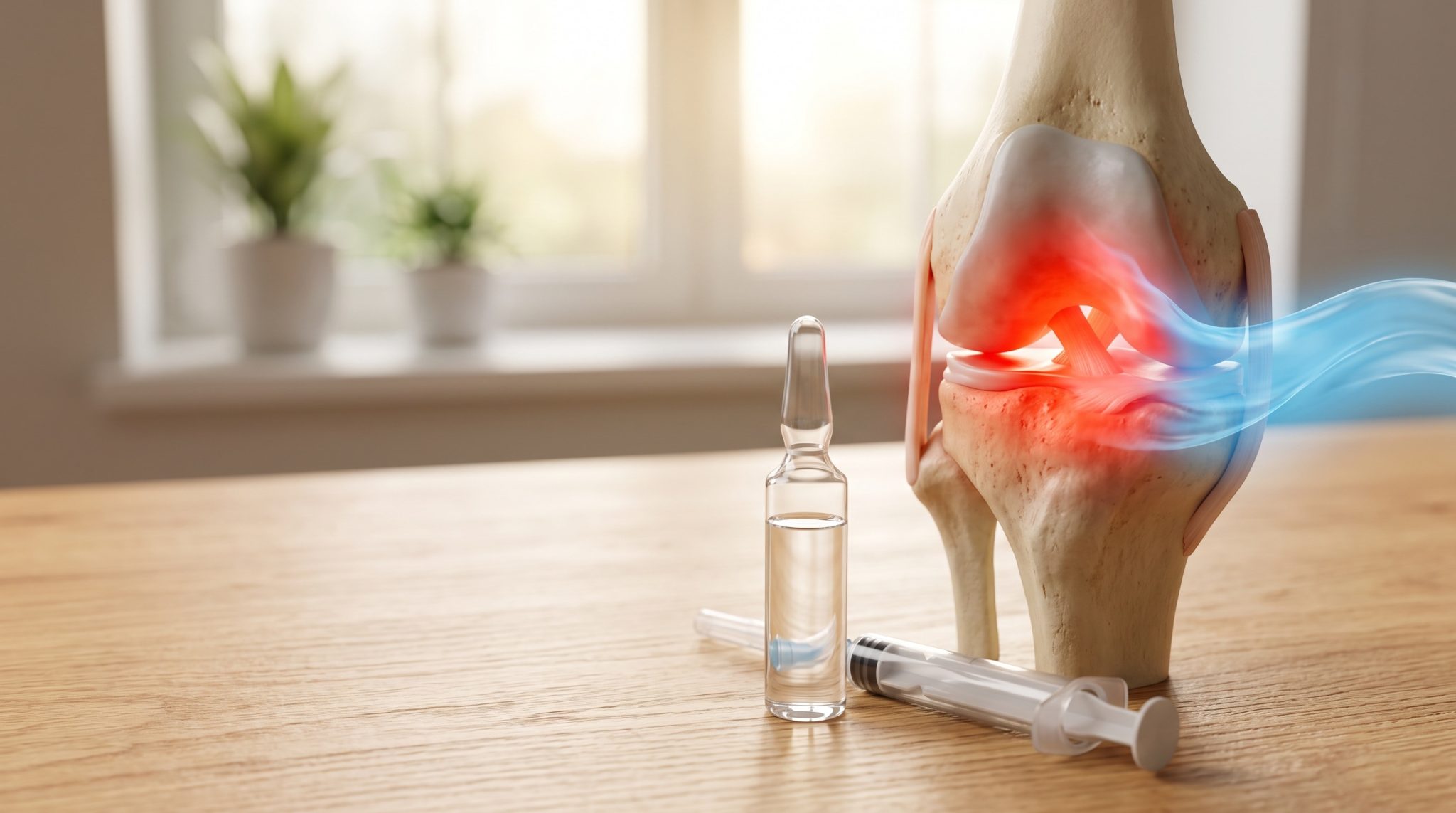
Toradol Injection for Joint Flare-Ups: When to Consider It
Published: August 2026 | Category: Pain Relief, Injections | Reading time: 12 minutes
Sudden joint or muscle flare-ups can stop you in your tracks. One day you are moving normally, and the next, a sharp twinge in your knee or a deep ache in your shoulder makes everyday tasks feel impossible. You might be wondering whether an injection could offer faster relief than oral medications. For many people, a toradol injection for joint is a practical option worth discussing with a healthcare provider.
Toradol, also known by its generic name ketorolac, is a nonsteroidal anti-inflammatory drug (NSAID) that has been used for decades to manage moderate to severe pain. Unlike oral NSAIDs such as ibuprofen or naproxen, which must pass through the digestive system, an intramuscular Toradol injection delivers the medication directly into the muscle, allowing for quicker absorption. This route may be particularly helpful when you need relief that oral tablets cannot provide quickly enough.
At Joint Health Solutions in Charlotte, North Carolina, we offer Toradol IM injections as part of our non-surgical approach to orthopedic care. Our goal is to help you manage acute pain while addressing the underlying causes of your discomfort. In this article, we will explain what Toradol injections are, how they work, when they are typically used, and what you should consider before receiving one.
What Is a Toradol Injection?
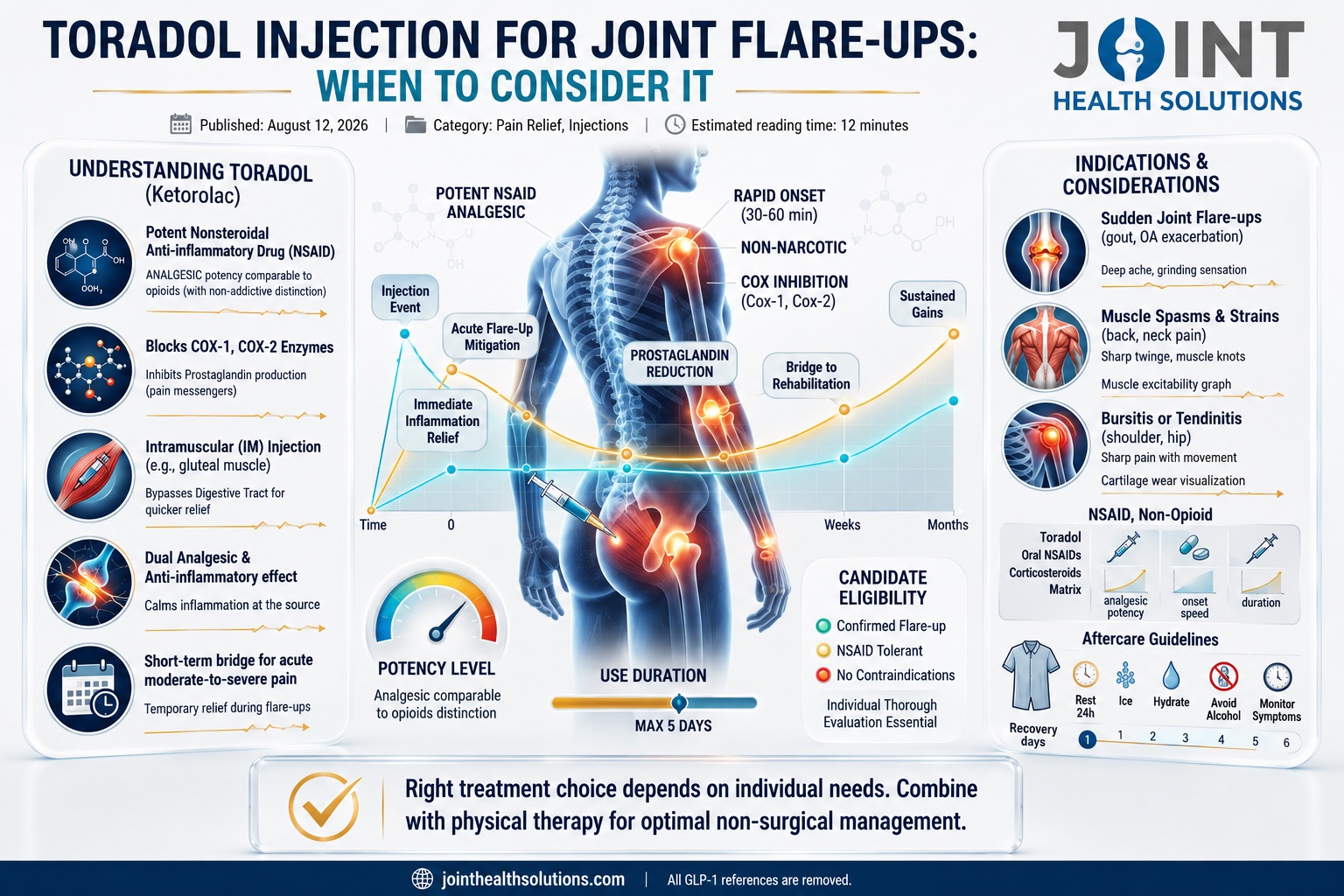
Toradol is the brand name for ketorolac tromethamine, a potent NSAID that is available in oral, ophthalmic, and injectable forms. The injectable version is typically given as an intramuscular (IM) injection, often into the gluteal muscle, or occasionally as an intravenous (IV) infusion in a hospital setting. For outpatient care, the IM route is most common.
Ketorolac works by inhibiting the enzymes cyclooxygenase-1 (COX-1) and cyclooxygenase-2 (COX-2), which are involved in the production of prostaglandins. Prostaglandins are chemical messengers that promote inflammation, pain, and fever. By reducing their production, Toradol helps decrease inflammation and pain at the source.
One of the key differences between Toradol and other NSAIDs is its potency. Toradol is considered one of the strongest NSAIDs available, with analgesic effects comparable to opioids in some studies, but without the risk of respiratory depression or addiction. However, because of its strength, it is intended for short-term use only—typically no more than five days—to minimize the risk of serious side effects such as gastrointestinal bleeding, kidney damage, and cardiovascular events.
Toradol injections are not a treatment for the underlying cause of your joint or muscle pain. Instead, they are a symptomatic therapy designed to provide temporary relief during acute flare-ups. This makes them a valuable tool in a broader pain management plan that may include physical therapy, lifestyle modifications, and other interventions.
How Toradol Works for Joint and Muscle Pain
To understand why Toradol can be effective for sudden flare-ups, it helps to know a bit about the inflammatory process. When you injure a joint or muscle, your body releases a cascade of inflammatory chemicals, including prostaglandins, cytokines, and histamines. These substances cause blood vessels to dilate, leading to swelling, redness, and heat. They also sensitize nerve endings, making the area more sensitive to pain.
Toradol’s mechanism of action is to block the COX enzymes responsible for prostaglandin synthesis. By doing so, it reduces the production of these pain-promoting chemicals, which in turn decreases inflammation and pain perception. Because the injection bypasses the digestive tract, the medication reaches the bloodstream more rapidly than an oral tablet, often providing noticeable relief within 30 to 60 minutes.
It is important to note that Toradol does not directly affect the underlying pathology of conditions like osteoarthritis, tendinitis, or bursitis. It does not repair cartilage, reduce bone spurs, or alter the course of a chronic disease. Instead, it provides a window of pain relief that can allow you to engage in other treatments, such as physical therapy, or simply get through a particularly bad day.
Clinical studies have shown that ketorolac is effective for acute musculoskeletal pain. For example, a randomized trial comparing intramuscular ketorolac to morphine in patients with acute bone pain found that ketorolac provided comparable analgesia (PMID: 31278997). However, that specific study is more about pain management in general, and we should be careful to note that evidence for Toradol specifically for joint flare-ups is limited but supportive.
Common Indications for Toradol Injections
Toradol injections are typically reserved for acute, moderate-to-severe pain that is not adequately controlled by oral medications. Common indications include:
- Sudden joint flare-ups: For example, a gout attack, pseudogout, or an acute exacerbation of osteoarthritis.
- Muscle spasms and strains: Acute back pain, neck pain, or muscle injuries.
- Bursitis or tendinitis: Inflamed bursae or tendons causing sharp pain with movement.
- Post-procedural pain: After certain orthopedic procedures, Toradol may be used to manage pain without opioids.
- Renal colic: Though not joint-related, it is sometimes used for kidney stone pain.
In the context of joint and muscle flare-ups, Toradol is most useful when you need rapid relief that lasts for several hours. It is not intended for chronic, low-level pain that persists for weeks or months. For those situations, other treatments such as corticosteroid injections, hyaluronic acid injections, or physical therapy may be more appropriate.
At Joint Health Solutions, we perform a thorough evaluation before recommending a Toradol injection. We consider your medical history, current medications, and the specific nature of your pain. We also discuss alternative options, such as trigger point injections for muscle knots or hyaluronic acid injections for knee osteoarthritis, to ensure you receive the most suitable care.
Comparing Toradol to Other Pain Relief Options
When you are in the middle of a flare-up, you may wonder why your provider would suggest Toradol instead of other options. The table below compares Toradol injections to common alternatives, including oral NSAIDs, corticosteroids, and muscle relaxants. This comparison is meant to help you understand the relative benefits and limitations of each approach.
| Treatment | How It Works | Limitations | Risks |
|---|---|---|---|
| Toradol IM injection | Blocks COX enzymes to reduce prostaglandin production, providing rapid anti-inflammatory pain relief. | Short-term use only (max 5 days); not for chronic pain; requires injection. | GI bleeding, kidney injury, cardiovascular events; injection site pain. |
| Oral NSAIDs (ibuprofen, naproxen) | Same mechanism as Toradol but absorbed via the digestive tract. | Slower onset; may cause GI irritation; dose limits due to side effects. | GI ulcers, kidney issues, cardiovascular risks with prolonged use. |
| Corticosteroid injections (e.g., cortisone) | Suppress inflammation by altering gene expression, providing longer-lasting relief (weeks to months). | Not for immediate relief; repeated use can damage cartilage; may raise blood sugar. | Infection, tendon rupture, cartilage damage, facial flushing. |
| Muscle relaxants (oral) | Act on the central nervous system to reduce muscle spasms. | Sedation; not anti-inflammatory; may not address the underlying cause. | Drowsiness, dizziness, risk of dependence. |
As the table shows, each option has its place. Toradol is unique in that it provides potent NSAID effects without the need for oral absorption, which can be advantageous if you have nausea or need faster relief. However, its short-term nature and potential side effects mean it is not a long-term solution.
If you are dealing with a chronic condition like knee osteoarthritis, you might also consider hyaluronic acid injections, which aim to improve joint lubrication and cushioning. It is important to understand that the AAOS 2021 guidelines rate hyaluronic acid as inconclusive for knee OA, meaning evidence is insufficient to recommend for or against. Results vary widely among patients.
What to Expect During the Injection Procedure
If you and your provider decide that a Toradol injection is appropriate, you might be wondering what the procedure entails. Here is a step-by-step overview of what typically happens at Joint Health Solutions:
- Medical history review: Your provider will review your medical history, including any allergies, kidney issues, or history of stomach ulcers, to ensure Toradol is safe for you.
- Informed consent: You will receive information about the potential benefits and risks, and you will have the opportunity to ask questions.
- Preparation: The injection site, usually the upper outer quadrant of the buttocks, is cleaned with an antiseptic solution.
- Injection: A thin needle is inserted into the muscle, and the medication is injected slowly. You may feel a brief sting or burning sensation.
- Observation: After the injection, you may be asked to remain in the clinic for a short period (about 15-30 minutes) to ensure you do not have an immediate adverse reaction.
The entire procedure typically takes less than 15 minutes. Most patients tolerate it well, and the pain relief can begin within 30 minutes, with peak effect at 1-2 hours. The duration of relief varies, but it can last anywhere from 4 to 6 hours, sometimes longer.
Potential Side Effects and Precautions
Like all medications, Toradol injections carry a risk of side effects. It is essential to be aware of these before deciding to proceed. Common side effects include:
- Injection site pain, redness, or swelling
- Dizziness or headache
- Drowsiness
- Nausea or stomach upset
- Mild increase in blood pressure
More serious, though less common, side effects include:
- Gastrointestinal bleeding or ulceration
- Kidney impairment or failure
- Cardiovascular events such as heart attack or stroke
- Allergic reactions, including anaphylaxis
Because of these risks, Toradol is contraindicated in certain populations. It should not be used in patients with active peptic ulcer disease, a history of GI bleeding, severe kidney disease, or those at high risk for cardiovascular events. It is also not recommended for use during pregnancy, particularly in the third trimester, or in breastfeeding mothers.
To minimize risks, it is crucial to use the lowest effective dose for the shortest duration possible. At Joint Health Solutions, we follow strict guidelines to ensure your safety. We also check for potential drug interactions, as Toradol can interact with other medications, including blood thinners, diuretics, and lithium.
Who Should Avoid Toradol Injections?
Not everyone is a candidate for a Toradol injection. Your provider will carefully screen you for contraindications. You should avoid Toradol if you have:
- A history of stomach ulcers or GI bleeding
- Kidney disease or impaired renal function
- Heart disease, including a history of heart attack or stroke
- Uncontrolled high blood pressure
- Bleeding disorders or are taking anticoagulants
- Asthma with nasal polyps (aspirin-exacerbated respiratory disease)
- Allergy to NSAIDs
Additionally, Toradol is not recommended for children under 16 years of age, and its use in older adults requires caution due to increased risk of side effects. If you are pregnant or planning to become pregnant, discuss alternative options with your provider.
If you have any of these conditions, your provider may recommend alternative treatments, such as physical therapy, ice/heat therapy, or other injection options like sports recovery IV therapy, which can deliver anti-inflammatory nutrients directly into the bloodstream.
When to Seek Immediate Medical Attention
While Toradol injections are generally safe when used appropriately, you should be aware of warning signs that require immediate medical attention. After receiving a Toradol injection, seek emergency care if you experience:
- Signs of an allergic reaction: hives, difficulty breathing, swelling of the face, lips, tongue, or throat
- Chest pain, shortness of breath, or weakness on one side of the body
- Black, tarry stools or blood in vomit
- Decreased urination or swelling in the legs
- Severe headache or blurred vision
- Seizures
These symptoms could indicate a serious complication that requires prompt evaluation. Do not hesitate to call 911 or go to the nearest emergency room if you experience any of these.
Aftercare and Recovery Tips
After receiving a Toradol injection, you can typically resume normal activities immediately, but it is wise to take a few precautions:
- Avoid strenuous activity for the rest of the day to allow the injection site to settle.
- Apply ice to the injection site if you experience soreness.
- Stay hydrated, as NSAIDs can affect kidney function.
- Avoid alcohol for at least 24 hours, as it can increase the risk of GI bleeding.
- Monitor for any unusual symptoms and contact your provider if you have concerns.
Individual recovery and response times vary. Many patients notice improvement within 1-3 days, though results differ by person, diagnosis, and treatment type. The goal of a Toradol injection is to provide short-term relief, so it is important to follow up with your provider to address the underlying cause of your flare-up. This may involve physical therapy, lifestyle changes, or other treatments.
Key Takeaways Before Considering a Toradol Injection
- Toradol injections provide rapid, non-narcotic pain relief for acute flare-ups.
- They are intended for short-term use only (max 5 days) due to side effect risks.
- Not everyone is a candidate—screening for kidney, GI, and cardiovascular issues is essential.
- Toradol does not treat the underlying cause; combine it with other therapies for best results.
- Always follow your provider’s aftercare instructions and report any unusual symptoms.
- Discuss all medications and supplements with your provider to avoid interactions.
Non-Surgical Options for Sudden Joint and Muscle Flare-Ups
If you are experiencing sudden joint or muscle flare-ups, you may be exploring your options. At Joint Health Solutions, we offer a range of non-surgical treatments tailored to your needs. In addition to Toradol IM injections, we provide:
- Cortisone injections: For longer-lasting anti-inflammatory effects.
- Hyaluronic acid injections: For knee osteoarthritis (though evidence is inconclusive per AAOS).
- PRP therapy: Uses your body’s platelets to support healing.
- Trigger point injections: For muscle knots and spasms.
- Physical therapy: To strengthen muscles and improve joint function.
- Offloading knee braces: To reduce pressure on the knee joint.
Each of these options has its own evidence base and indications. For example, PRP therapy is not FDA-approved as a drug, but the device used to concentrate platelets is FDA-cleared. Evidence for PRP in knee osteoarthritis is mixed, with some studies showing benefit and others not. We will help you understand the potential benefits and limitations of each approach.
Why Choose Joint Health Solutions in Charlotte, North Carolina
If you are considering a toradol injection for joint, you need a provider who takes the time to understand your unique situation. At Joint Health Solutions, our team, including Dr. Jeffrey Galvin — Board-certified physician in Emergency Medicine and Obesity Medicine, and Ariel Curtis, FNP-C — Board-certified Family Nurse Practitioner, is dedicated to providing evidence-based, personalized care.
We believe in exploring all non-surgical options before considering more invasive procedures. Our approach is collaborative: we listen to your concerns, perform a thorough evaluation, and develop a treatment plan that aligns with your goals. Whether you need immediate relief from a flare-up or long-term management of a chronic condition, we are here to help.
If you’re experiencing sudden joint or muscle flare-ups, contact Joint Health Solutions to see if a toradol injection for joint is right for you. Call us at 704-833-3566 or visit our website to schedule a consultation. Take the first step toward getting back to the activities you love.
Institutional Sources
- Ketorolac Injection – StatPearls – NCBI Bookshelf
- Ketorolac Tromethamine Injection Prescribing Information – FDA
- Toradol (ketorolac tromethamine) – Drugs.com
- Ketorolac – Mayo Clinic
- AAOS Treatment of Osteoarthritis of the Knee – Evidence-Based Clinical Practice Guideline
Frequently Asked Questions
How long does a Toradol injection take to work?
Most patients begin to feel relief within 30 to 60 minutes after an intramuscular injection. The peak effect usually occurs within 1 to 2 hours. However, the exact onset can vary based on individual metabolism, the severity of your pain, and the injection site.
How long does pain relief last?
The duration of pain relief from a single Toradol injection typically lasts 4 to 6 hours, though some patients may experience relief for up to 8 hours. Because Toradol is intended for short-term use, you may need additional pain management strategies for longer-lasting relief.
Can Toradol be injected into the knee?
Toradol is usually given as an intramuscular injection, not directly into the joint. For knee pain, your provider might recommend other intra-articular injections such as corticosteroids or hyaluronic acid, depending on your specific condition. Toradol can be used systemically to reduce overall inflammation that may affect the knee.
Are there any drug interactions to consider?
Yes, Toradol can interact with several medications, including blood thinners (e.g., warfarin), diuretics, lithium, methotrexate, and other NSAIDs. It is crucial to inform your provider about all medications and supplements you are taking to avoid adverse interactions.
Can I receive a Toradol injection if I have high blood pressure?
Toradol can cause fluid retention and may increase blood pressure. If your blood pressure is well-controlled, your provider may still consider it, but they will monitor you closely. Uncontrolled hypertension is a contraindication.
Is Toradol safe for older adults?
Older adults are at higher risk for side effects such as GI bleeding and kidney impairment. If you are over 65, your provider may recommend a lower dose or an alternative treatment. Always discuss your full medical history before receiving any injection.
How often can I get a Toradol injection?
Toradol is not intended for repeated or long-term use. The FDA recommends that the total duration of treatment should not exceed five days. Frequent injections increase the risk of serious side effects. For recurring flare-ups, your provider will explore other treatment options.
Can Toradol be given intravenously?
Yes, Toradol can be given intravenously, but this is usually done in a hospital or clinical setting for acute pain management. Intramuscular injection is more common for outpatient visits. Both routes have similar effectiveness, but IV administration provides slightly faster onset.
Will Toradol make me drowsy?
Drowsiness is a possible side effect, though not everyone experiences it. If you feel drowsy, avoid driving or operating heavy machinery until you know how the medication affects you.
What should I do if my pain returns after the injection wears off?
If your pain returns, contact your healthcare provider. They may recommend other treatments such as physical therapy, corticosteroid injections, or regenerative options like PRP therapy. Remember, Toradol is a temporary solution, not a cure.




 English
  Spanish