
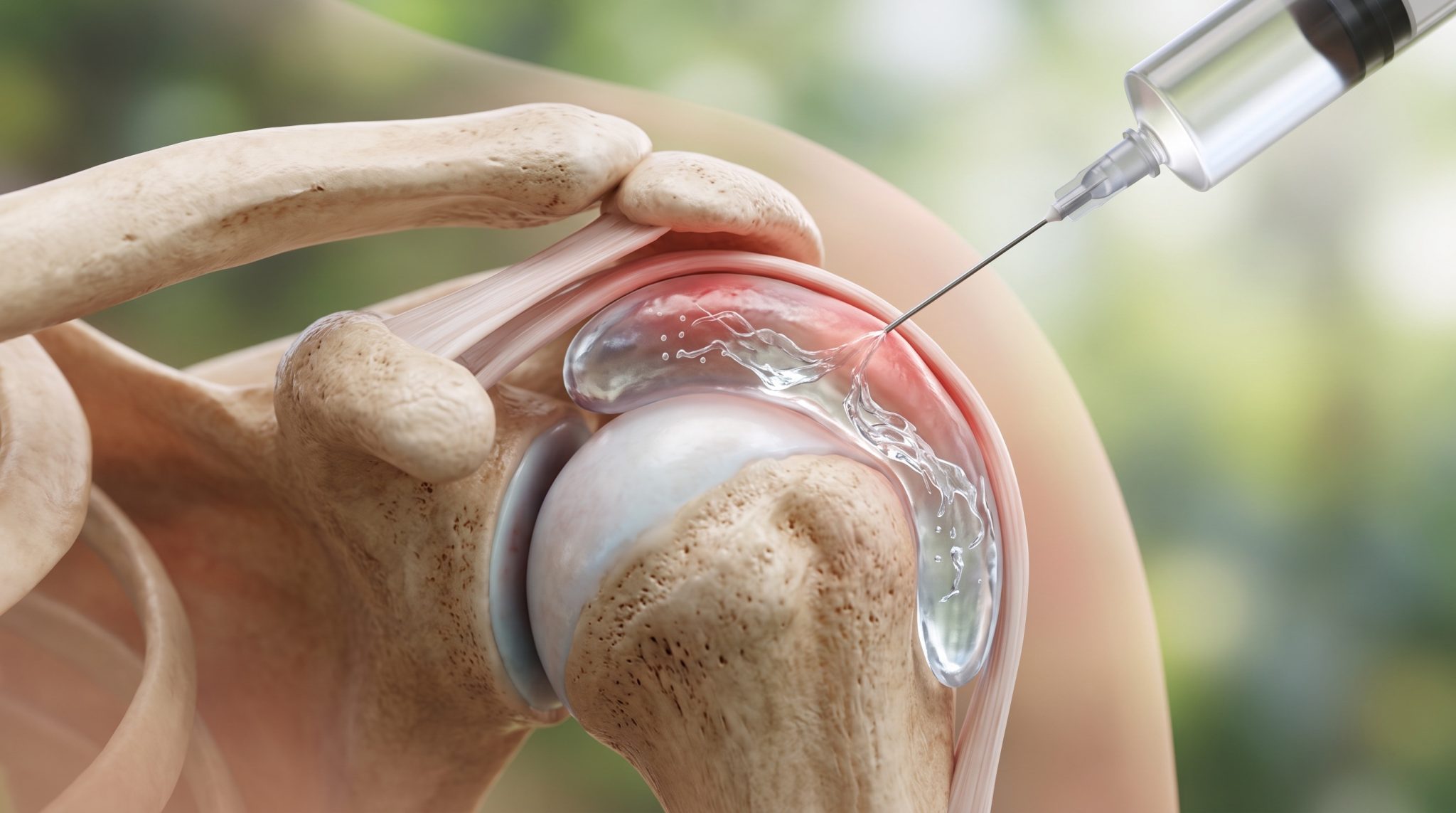
Subacromial Injection Therapy for Shoulder Bursitis and Impingement
Shoulder pain can disrupt sleep, limit your ability to reach overhead, and make simple tasks like dressing or lifting a grocery bag feel like a major challenge. If you’ve been diagnosed with shoulder bursitis or impingement, you may be wondering whether an injection could help you avoid more invasive procedures. This article explains what subacromial injection is, how it works, what to expect during and after the procedure, and how it compares with other non-surgical options. We’ll also share practical preparation tips and answer common questions so you can make an informed decision about your shoulder care.
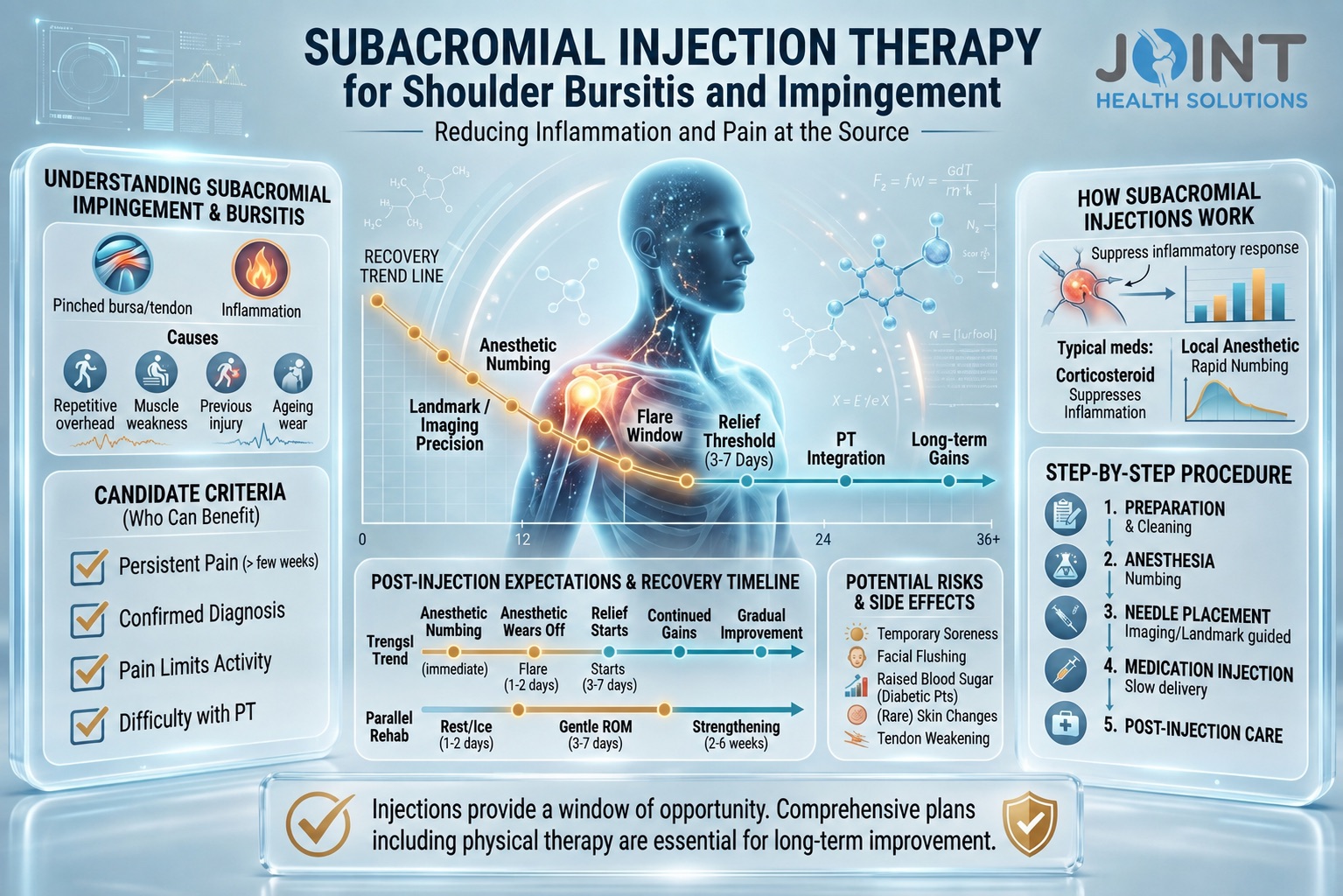
Understanding the Subacromial Space and Bursitis
The shoulder is a complex ball-and-socket joint that relies on a network of muscles, tendons, and fluid-filled sacs called bursae to move smoothly. The subacromial space is a narrow passage between the top of the shoulder blade (acromion) and the rotator cuff tendons. Inside this space, the subacromial bursa acts as a cushion, reducing friction between the tendons and the overlying bone during arm movement.
When this bursa becomes inflamed—a condition known as subacromial bursitis—it can swell, thicken, and produce pain, especially when you lift your arm or lie on the affected side. Bursitis often occurs alongside shoulder impingement, where the rotator cuff tendons and bursa get pinched or rubbed against the acromion during repetitive overhead activities. This combination of inflammation and mechanical compression is a common source of chronic shoulder pain, affecting people of all ages, from athletes to office workers.
Several factors can contribute to subacromial bursitis and impingement, including:
- Repetitive overhead motions (e.g., swimming, painting, or lifting)
- Poor posture that narrows the subacromial space
- Muscle imbalances or weakness in the rotator cuff
- Age-related wear and tear on tendons
- Previous shoulder injury
Understanding the anatomy helps explain why a targeted injection into this space can be so effective. By delivering medication directly to the inflamed bursa and surrounding tissues, subacromial injection aims to reduce inflammation and pain at the source, potentially allowing you to participate more comfortably in physical therapy and daily activities.
How Subacromial Injections Work
Subacromial injections are typically performed with a corticosteroid—a powerful anti-inflammatory medication—sometimes combined with a local anesthetic. The corticosteroid works by suppressing the inflammatory response in the bursa and nearby tendons, which can reduce swelling and pain. The local anesthetic provides rapid, short-term pain relief, helping to confirm that the medication is in the right place and giving you immediate feedback.
The procedure is usually guided by anatomical landmarks, but some practices use ultrasound or fluoroscopy to enhance accuracy. At Joint Health Solutions in Charlotte, we offer fluoroscopy-guided injections for certain shoulder conditions, which allows the provider to visualize the needle placement in real time and ensure the medication reaches the subacromial space precisely. This can be particularly helpful for patients with complex anatomy or previous surgeries.
The effects of a corticosteroid injection typically begin within a few days and can last for several weeks to months. However, the duration of relief varies widely among individuals. Some patients experience complete resolution of symptoms, while others may have partial improvement or require repeated injections. It’s important to understand that an injection is not a cure—it’s a tool to reduce inflammation and create a window of opportunity for rehabilitation.
In addition to corticosteroids, other injectable options may be considered for shoulder bursitis and impingement, including hyaluronic acid injections and platelet-rich plasma (PRP) therapy. These are discussed in more detail in the comparison section below.
Who Can Benefit From Subacromial Injection?
Subacromial injection may be appropriate for individuals who have:
- Persistent shoulder pain lasting more than a few weeks despite conservative measures such as rest, ice, and over-the-counter anti-inflammatories
- Diagnosed subacromial bursitis or impingement confirmed by physical examination and imaging
- Pain that limits daily activities, work, or sleep
- Difficulty participating in physical therapy due to pain
- Contraindications to oral anti-inflammatory medications (e.g., stomach ulcers or kidney disease)
However, not everyone is a candidate. Injections are generally avoided if you have a local infection, bleeding disorder, or allergy to the medication. They are also used with caution in patients with poorly controlled diabetes, as corticosteroids can temporarily raise blood sugar levels. Your provider will review your medical history and perform a thorough evaluation to determine if an injection is appropriate for you.
It’s also worth noting that while subacromial injection can provide significant pain relief, it is most effective when combined with a comprehensive treatment plan that includes physical therapy, activity modification, and addressing any underlying biomechanical issues. The injection alone may not correct the root cause of the problem.
The Injection Procedure: Step-by-Step
If you and your provider decide that a subacromial injection is right for you, here’s what you can expect during the procedure:
- Preparation: You’ll be seated or lying down with your affected arm positioned comfortably. The skin over the injection site will be cleaned with an antiseptic solution.
- Anesthesia: A local anesthetic may be sprayed or injected into the skin to numb the area, minimizing discomfort.
- Needle placement: The provider will insert a thin needle into the subacromial space, using anatomical landmarks or imaging guidance if needed. You may feel some pressure, but the procedure is usually well-tolerated.
- Medication injection: Once the needle is in the correct position, the corticosteroid and anesthetic mixture is slowly injected. You may feel a temporary burning sensation as the medication is delivered.
- Post-injection care: The needle is removed, and a small bandage is applied. You’ll be observed briefly for any immediate adverse reactions.
The entire procedure typically takes less than 15 minutes. Most patients are able to go home shortly afterward.
What to Expect After the Injection
The local anesthetic may provide immediate pain relief, but this can wear off within a few hours, and you may experience a temporary increase in pain as the anesthetic fades. This is normal and usually resolves within a day or two. Over the next several days, the corticosteroid begins to take effect, reducing inflammation and pain — most patients notice initial improvement within three to seven days, with continued gains over the following weeks.
You may notice improved range of motion and better tolerance for daily activities. However, it’s important to avoid overusing the shoulder immediately after the injection, as the pain relief can mask underlying tissue irritation and lead to setbacks if you push too hard.
Your provider will likely recommend that you rest the shoulder for 24-48 hours, avoid heavy lifting or overhead activities for a few days, and then gradually resume normal activities as tolerated. Icing the shoulder for 15-20 minutes several times a day can help manage any residual soreness.
It’s also crucial to follow up with physical therapy or a home exercise program to strengthen the rotator cuff and improve posture, which can help prevent recurrence. The injection provides a window of reduced pain, but rehabilitation is essential for long-term improvement.
Potential Risks and Side Effects
Subacromial injections are generally safe, but like any medical procedure, they carry some risks. Common side effects include:
- Temporary pain or soreness at the injection site
- Facial flushing or a feeling of warmth for a few hours
- Increased blood sugar in diabetic patients for a few days
- Skin thinning or depigmentation at the injection site (rare)
- Infection, bleeding, or nerve irritation (very rare)
Repeated corticosteroid injections can weaken tendons and cartilage over time, so they are typically limited to a certain number per year. Your provider will monitor your response and discuss the appropriate frequency based on your condition.
If you experience severe pain, swelling, redness, fever, or signs of infection after the injection, contact your healthcare provider immediately.
Comparing Subacromial Injections with Other Treatments
Subacromial injections are just one option for managing shoulder bursitis and impingement. To help you understand the landscape, the table below compares the most common non-surgical approaches.
| Treatment | How It Works | Limitations | Risks |
|---|---|---|---|
| Corticosteroid injection | Reduces inflammation in the bursa and tendons | Temporary relief; repeated use can weaken tissues | Infection, bleeding, skin changes, blood sugar spikes |
| Hyaluronic acid injection | May improve joint lubrication and reduce pain | Evidence for shoulder is limited; off-label for shoulder (FDA-approved for knee) | Injection site pain, swelling, infection |
| PRP therapy | Concentrated platelets may support healing | Evidence mixed; not FDA-approved as a drug (the device used to concentrate platelets is FDA-cleared) | Injection site pain, infection, nerve irritation |
| Physical therapy | Strengthens muscles, improves posture and movement | Requires time and commitment; may not provide immediate relief | Muscle soreness, rare injury |
| Oral NSAIDs | Reduce inflammation systemically | May cause stomach, kidney, or cardiovascular issues with long-term use | GI bleeding, kidney effects, increased blood pressure |
Each treatment has its place, and the choice depends on your specific condition, severity, and goals. For many patients, a corticosteroid injection is a reasonable first step to break the cycle of pain and inflammation, allowing them to participate in physical therapy. However, if you’ve had multiple injections without lasting improvement, your provider may discuss other options such as PRP or hyaluronic acid. It’s important to note that while these alternatives are available at our clinic, their evidence for shoulder conditions is still evolving. Always discuss the potential benefits and risks with your provider.
Preparing for Your Injection Appointment
To ensure the best possible experience, follow these preparation tips before your subacromial injection:
- Wear comfortable clothing that allows easy access to your shoulder, such as a loose-fitting top or tank top.
- Inform your provider about all medications you take, especially blood thinners, as they may need to be adjusted.
- Tell your provider if you have any allergies, particularly to corticosteroids or local anesthetics.
- Plan to take it easy for the remainder of the day; avoid heavy lifting or strenuous activities.
- Prepare to discuss your symptoms, including when they started and what makes them worse.
Your provider will give you specific instructions based on your health history. It’s also a good idea to bring a list of questions to your appointment, such as what to expect after the injection and when you can resume exercise.
Recovery and Rehabilitation After Injection
The success of subacromial injection often depends on what you do after the injection. While the injection can provide pain relief, it’s essential to address the underlying causes of bursitis and impingement to prevent recurrence. Here’s a typical recovery timeline and rehabilitation approach:
- Days 1-2: Rest the shoulder, apply ice, and avoid overhead movements.
- Days 3-7: Begin gentle range-of-motion exercises as recommended by your provider or physical therapist. Pendulum swings and wall slides are often good starting points.
- Weeks 2-6: Progress to strengthening exercises for the rotator cuff and scapular stabilizers. Your therapist will guide you through a personalized program.
- Beyond 6 weeks: Gradually return to full activities, maintaining a home exercise program to support long-term shoulder health.
Physical therapy is a cornerstone of non-surgical shoulder care. At Joint Health Solutions, we can connect you with a physical therapist who specializes in shoulder rehabilitation. Combining injection therapy with a structured exercise program offers the best chance for lasting improvement. For patients recovering from an active or sports-related shoulder injury, our recovery IV therapy may also support overall recovery.
Key Takeaways
- Subacromial injection can provide significant short-term pain relief for shoulder bursitis and impingement.
- The procedure is minimally invasive and typically well-tolerated, with few side effects.
- Injections are most effective when combined with physical therapy and lifestyle modifications.
- Results vary, and multiple injections may be needed for some patients.
- Discuss your individual risks and benefits with a qualified healthcare provider.
Why Choose Joint Health Solutions in Charlotte?
At Joint Health Solutions in Charlotte, North Carolina, we focus on non-surgical orthopedic care. Our team is experienced in performing shoulder injections with precision. We offer fluoroscopy-guided injections to enhance accuracy, as well as a range of complementary services such as physical therapy and recovery IV therapy to support your overall recovery.
We understand that shoulder pain can be frustrating, and we’re here to help you find relief without surgery whenever possible. Our approach is patient-centered, evidence-based, and tailored to your unique needs.
Schedule a Consultation
If you’re considering subacromial injection for shoulder bursitis or impingement, we invite you to schedule a consultation at Joint Health Solutions. Our team will evaluate your condition, discuss your treatment options, and create a personalized plan to help you get back to the activities you love. Explore our full treatments and services, or call us today at 704-833-3566 to book your appointment. Take the first step toward a pain-free shoulder.
Institutional Sources
- AAOS: Shoulder Impingement/Rotator Cuff Tendinitis
- NIAMS: Shoulder Problems
- Mayo Clinic: Bursitis
- Arthritis Foundation: Bursitis
Frequently Asked Questions
How long does a subacromial injection last?
The duration of pain relief varies widely among patients. Some individuals experience improvement for several weeks, while others may benefit for months. The corticosteroid typically takes effect within a few days and can provide relief for 6-12 weeks. However, the underlying condition may require ongoing management, and repeat injections are sometimes needed every few months. Your provider will discuss an appropriate plan based on your response.
Is the injection painful?
Most patients report minimal discomfort during the procedure. The skin is numbed with a local anesthetic, and the injection itself may cause a brief burning sensation. After the procedure, you may experience some soreness at the injection site, which typically resolves within a day or two. Overall, the procedure is well-tolerated, and the potential benefits often outweigh the temporary discomfort.
How many injections are needed?
There is no fixed number. Many patients require only one injection to achieve significant relief, especially when combined with physical therapy. However, if symptoms return, a second or third injection may be considered, typically spaced several months apart. Your provider will limit the number of injections to avoid potential tissue effects from repeated corticosteroid use.
Can I resume normal activities after the injection?
You can usually resume light activities immediately, but you should avoid heavy lifting, overhead movements, or strenuous exercise for at least 24-48 hours. Your provider may recommend gradually increasing activity as your pain improves. It’s important to listen to your body and not push through pain. Engaging in physical therapy as recommended will help you safely return to your normal routine.
What is the success rate of subacromial injections?
Success rates vary depending on the underlying cause and individual factors. Research suggests that corticosteroid injections can provide significant short-term pain relief for subacromial bursitis and impingement, with many patients reporting improvement. However, not everyone responds equally, and the injection is not a cure. Success is more likely when combined with a comprehensive rehabilitation program.
Are there any long-term risks?
Repeated corticosteroid injections can potentially weaken tendons and cartilage, so they are generally limited to a few per year. There is also a small risk of infection, bleeding, or nerve irritation, though these are rare. Your provider will monitor your response and discuss the risks and benefits of additional injections based on your individual situation.
Can I take pain medications after the injection?
You may take over-the-counter pain relievers such as acetaminophen if needed, but avoid NSAIDs (like ibuprofen) for a few days after the injection, as they may interfere with the anti-inflammatory effect of the corticosteroid. Always consult your provider before taking any medication, especially if you have underlying health conditions.
Will the injection affect my blood sugar?
Corticosteroids can cause a temporary increase in blood sugar levels, particularly in patients with diabetes. If you have diabetes, your provider may recommend monitoring your blood sugar more frequently for a few days after the injection. The effect is usually temporary and resolves within a few days.
What should I do if my pain returns after the injection?
If your pain returns after a period of relief, it’s important to follow up with your provider. They can assess your condition and discuss next steps, which may include another injection, a different treatment approach, or further evaluation. Continuing your physical therapy exercises and maintaining good posture can also help prevent recurrence.
Can I have a subacromial injection if I’m pregnant?
Subacromial injections are generally avoided during pregnancy due to the potential effects of corticosteroids on the developing fetus. If you are pregnant or planning to become pregnant, discuss alternative treatment options with your provider. Non-pharmacological approaches such as physical therapy and activity modification may be safer during pregnancy.




 English
  Spanish